
No Ceasefire, but Netanyahu Proposes Trump for the Nobel Peace Prize
A new Global South bloc, the Hague Group, will meet July 15 in Bogotá to address Israel’s escalating crimes under international law.
When Israeli Prime Minister Netanyahu illegally began bombing Iran on June 13, he not only succeeded in significantly reducing media coverage of Gaza and undermining Trump’s nuclear diplomacy. He also derailed international efforts to address the underlying source of decades of regional instability: Israel’s illegal occupation of Palestine. Israel’s attack on Iran caused the UN to postpone a conference on the issue, cochaired by France and Saudi Arabia, set to begin on June 17. Proponents hoped it would generate a new international coalition dedicated to establishing a Palestinian state.
Now that broader regional war appears to have been averted, the international community must unite to stop Israel from starving and massacring Gaza and finally address the Israeli occupation, the festering wound that has driven instability in the Middle East for decades.
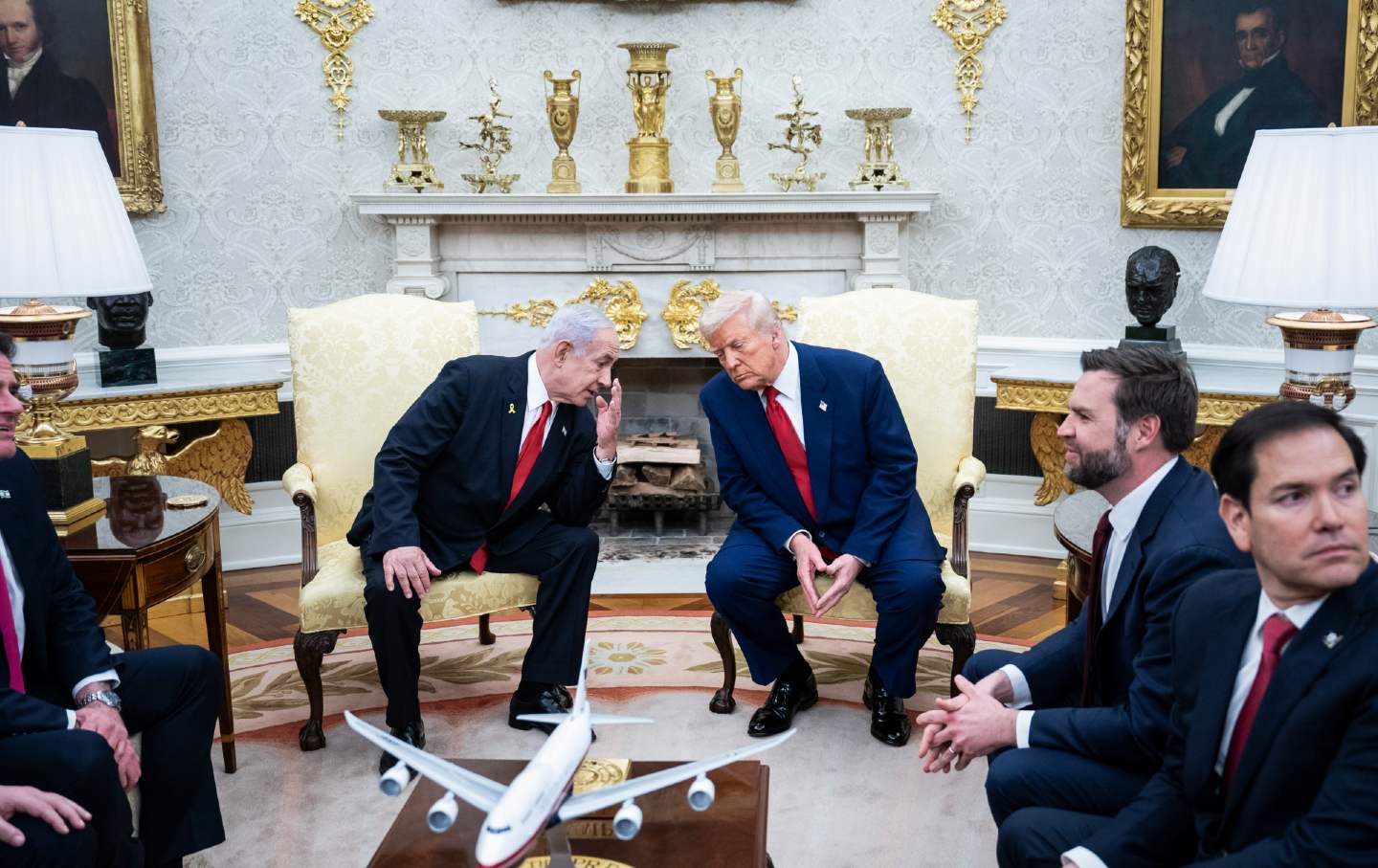
Netanyahu knows how to manipulate Trump. During his visit to the White House on Monday, he presented Trump with a nomination for the Nobel Peace Prize, an award that Trump has long coveted. Trump has already been nominated by the government of Pakistan as well as a member of Congress. The meeting did not produce a significant announcement, although speculation had swirled that Trump might announce an expansion of the Abraham Accords, perhaps to include Syria, or a ceasefire in Gaza.
But we have been here before. Even if a ceasefire is implemented, we know that Netanyahu will return to bombing Gaza whenever he chooses. A Trump-Netanyahu ceasefire will only provide a temporary respite from the unspeakable horrors that Palestinians in Gaza have had to endure for almost two years, which follow nearly two decades of a crippling blockade. Netanyahu has no intention of ending the Israeli occupation, and Trump has signaled his complete commitment to Netanyahu.
The rest of the world must act. As of now, France and Saudi Arabia have not yet announced if their UN conference will occur; a rescheduled conference might coincide with the UN General Assembly meeting in September. Even if the conference convenes, it is unclear whether the countries involved would impose real consequences on Israel.
Another coalition of countries has emerged that is willing to take action. The Hague Group, a coalition from the Global South cochaired by South Africa and Colombia, will meet in Bogotá on July 15 and 16 for an emergency ministerial meeting on how to stop Israel’s escalating violations of international law, including the crime of genocide. Francesca Albanese, the UN special rapporteur on the Occupied Palestinian Territories, recorded a video urging countries to attend, saying, “Every government that believes in international law and the future of humanity should be there.”
I was involved with the preparations for the now postponed UN conference, and I will be attending the emergency meeting in Bogotá, which I hope will help to galvanize a global movement to both stop Israel’s genocide and evade Washington’s efforts to shield Tel Aviv from accountability.
This is what I hope will come out of the emergency meeting in Bogotá: Where political will is greatest, states should impose an arms embargo on Israel; restrict visas and freeze the assets of all senior government and military officials; impose trade and import restrictions; bar Israeli participation in international cultural events and competitions. These measures reflect similar consequences imposed upon Russia for its illegal invasion of Ukraine.
For countries interested in less stringent but still meaningful sanctions, they could impose visa bans on Netanyahu and Gallant, the two Israeli leaders under International Criminal Court warrant, and label settlement goods at the point of sale.
Critics fear that the only countries that matter are those least likely to act: the United States, Germany, and the UK, which provide the bulk of weapons used in Israeli atrocities. Meanwhile, the EU is Israel’s largest trading partner, yet for the EU to act collectively often requires full consensus.
Yet that does not preclude EU members from taking individual action, as Ireland and Spain have done. Even in the absence of American or European participation, a coalition of the willing can impose real consequences, similar to international pressure on apartheid South Africa that eventually grew into a global movement.
If the international community continues to fail to impose consequences on Israel, this will reiterate the message of impunity that the world has sent Israel for decades, a message that emboldened members of the IDF to not only engage in horrifying abuses but to gleefully publish their crimes online.
Netanyahu briefly succeeded in distracting the world from Israel’s crimes in Gaza. The world must unite with coordinated action to finally impose consequences and end both the genocide and the occupation.
More from The Nation
Progressives Are Backing Puerto Rican Independence. It’s About Time. Progressives Are Backing Puerto Rican Independence. It’s About Time.
More and more leftists are concluding that statehood for the island is not enough.
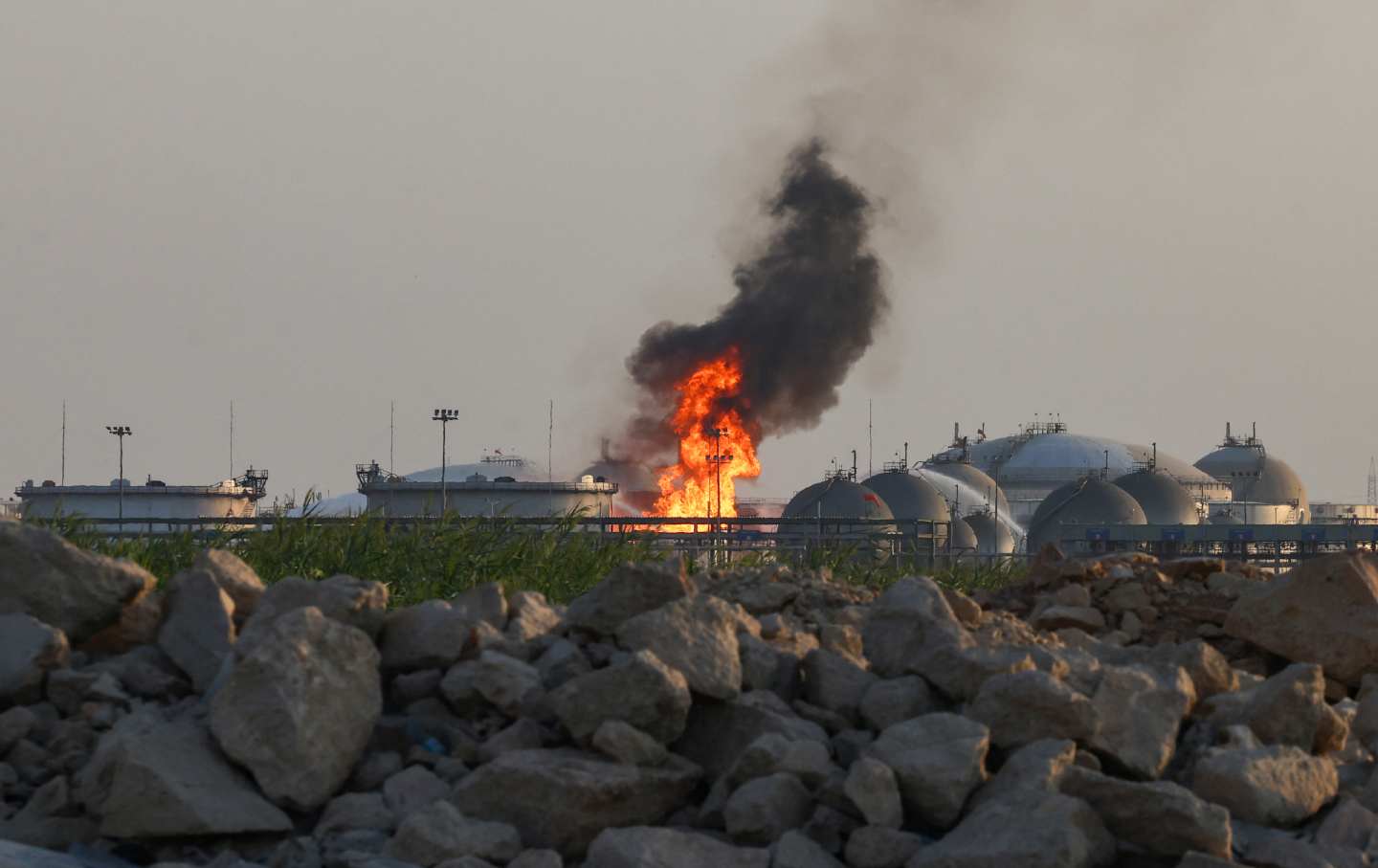
The Saudi Phase of the Iran War Signals More Chaos to Come The Saudi Phase of the Iran War Signals More Chaos to Come
The conflict that Donald Trump has repeatedly proclaimed an unequivocal American victory keeps spiraling out of control.
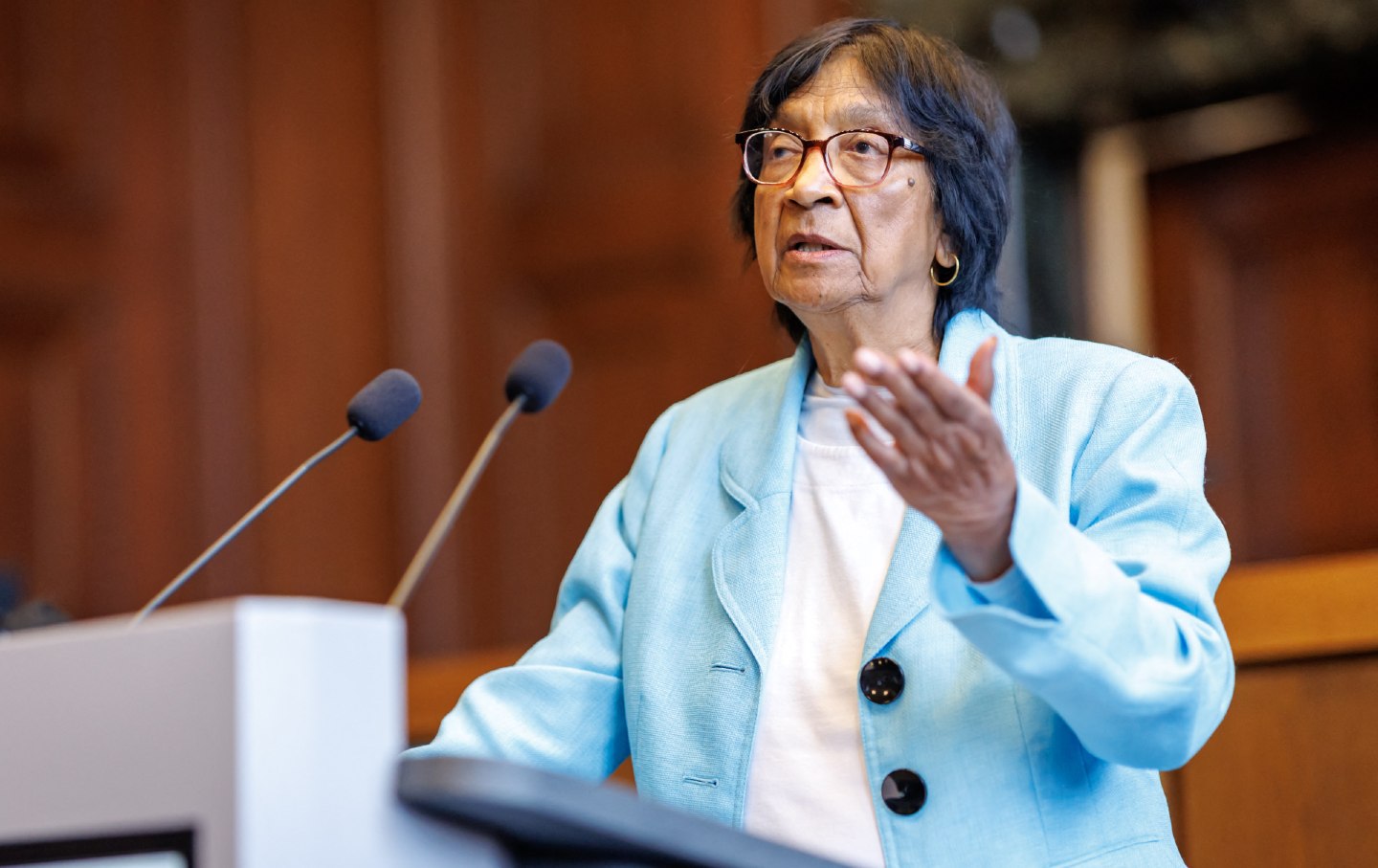
Why Navi Pillay’s Receiving the Nobel Peace Prize Is So Important Why Navi Pillay’s Receiving the Nobel Peace Prize Is So Important
She believes that human rights and international law are universal principles that must be enforced regardless of violator’s ideology, ethnicity, or geostrategic alignment.
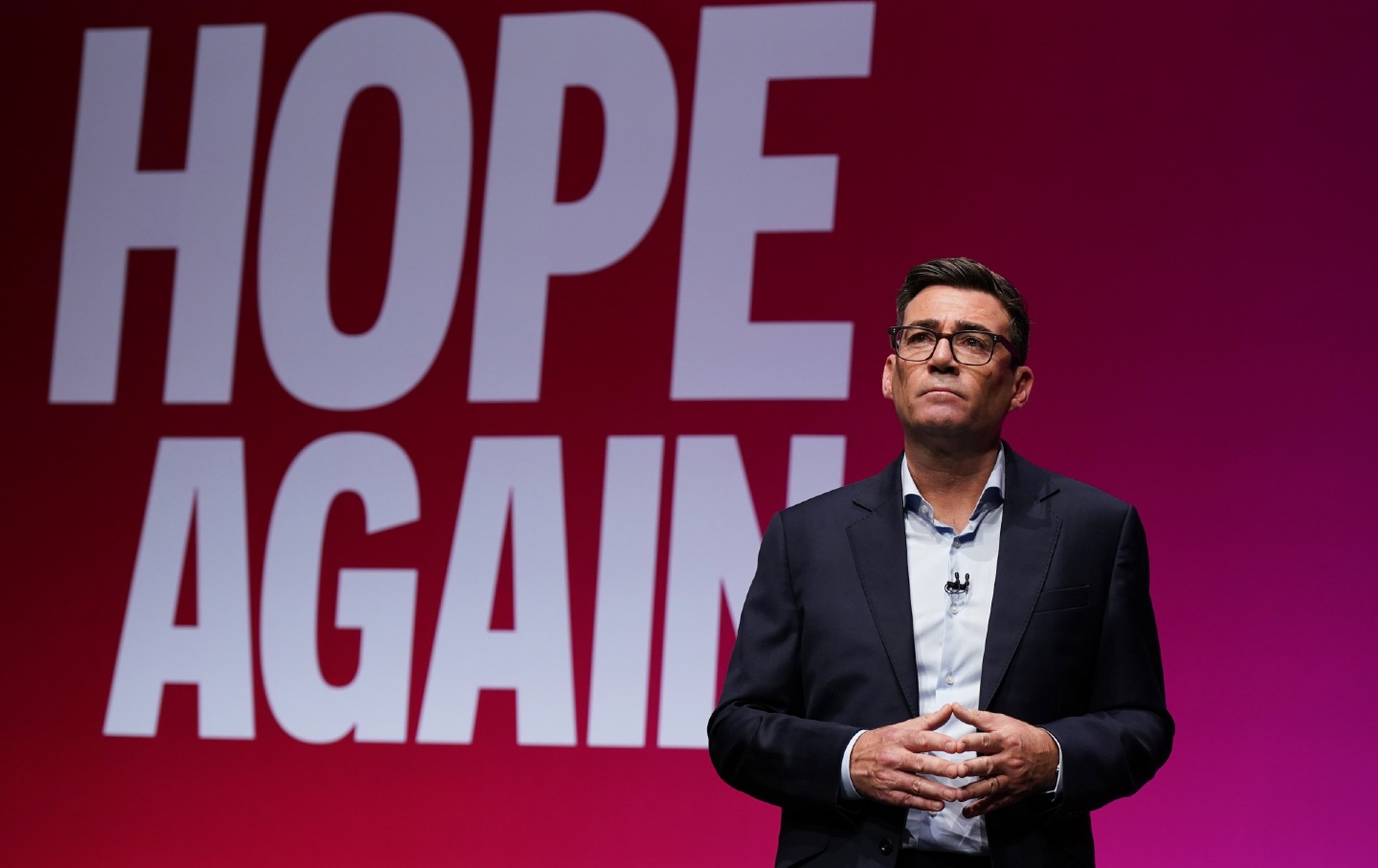
Andy Burnham’s Speech to the Labour Party Conference Could Be the Start of a Positive Social-Democratic Politics Andy Burnham’s Speech to the Labour Party Conference Could Be the Start of a Positive Social-Democratic Politics
But the autumn budget to be released at the end of October will offer needed details.
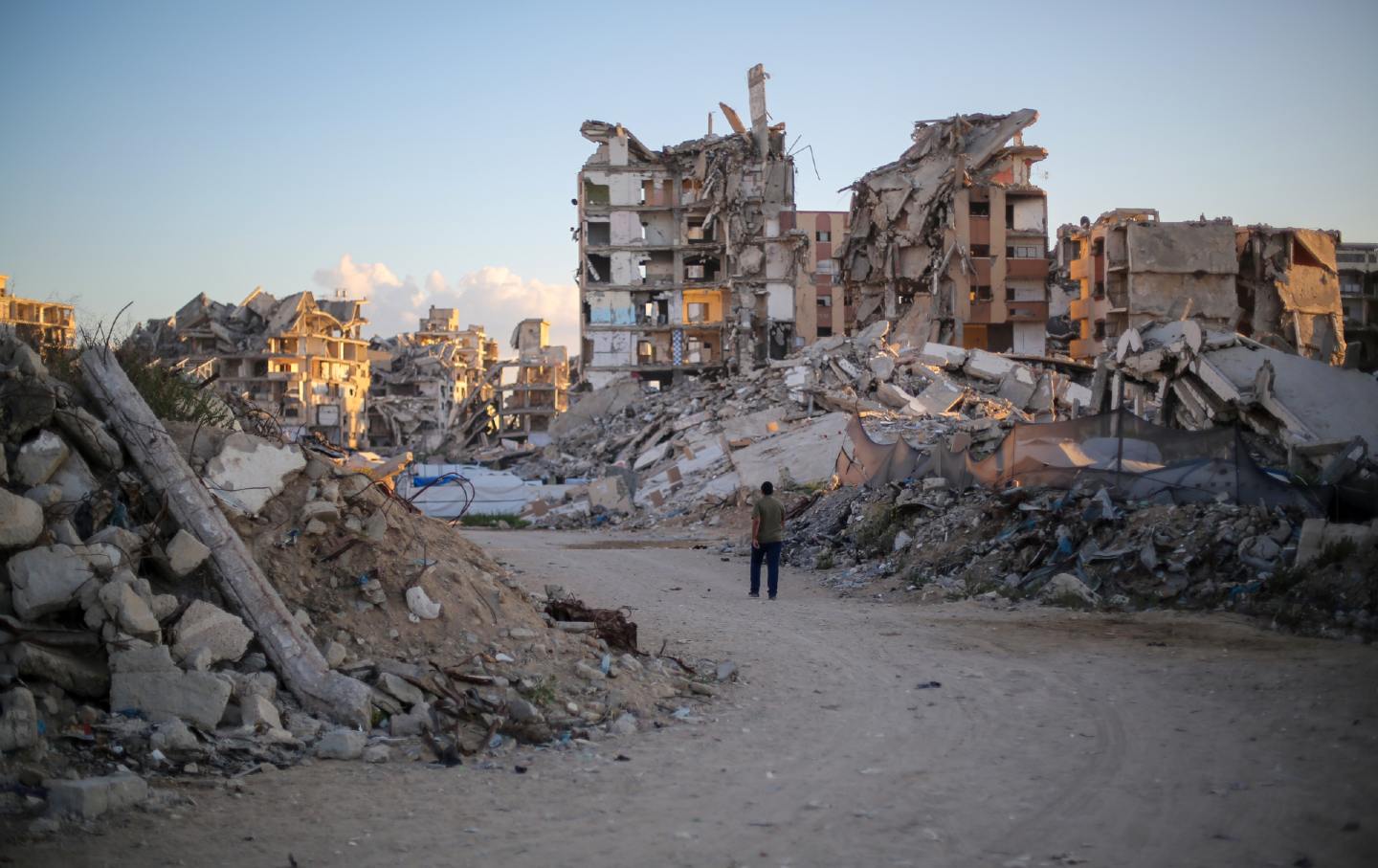
Writing About War as Bombs Fall Writing About War as Bombs Fall
While the Israeli government launched a well-orchestrated offensive of disinformation and hyperbole that would make the illegal permissible in the war on Gaza.

