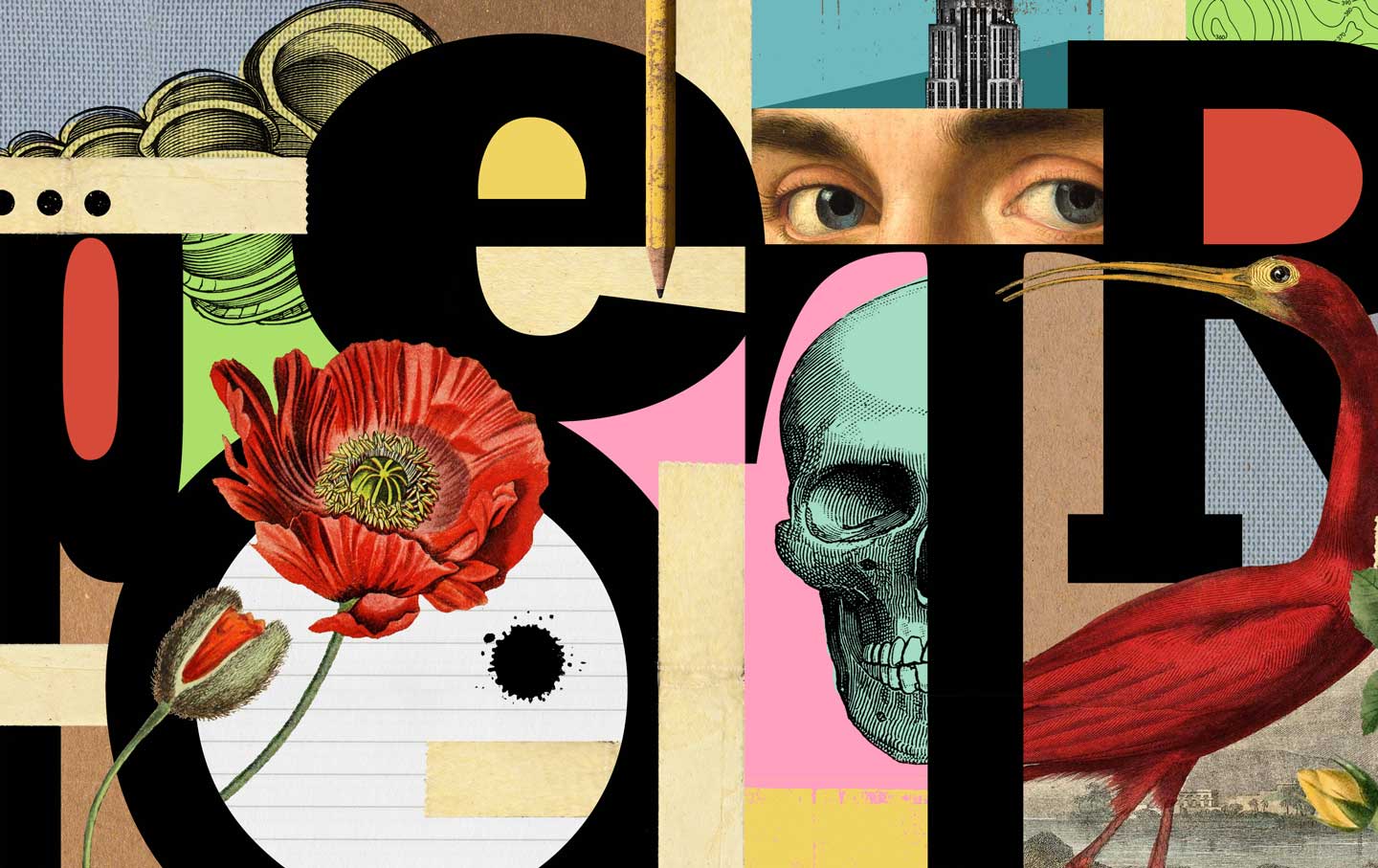
Tímarit
[The word for magazine in my language: time writings]
I cautiously descend the stairs into myself
not faltering but not sure-footed, either, not quite
I try being funny just to see what will happen
try looking tired so I’ll be excused
I don’t get hungry anymore, and yet I eat all the time
one heaping plate after another
cautiously, descend
scrutinizing each floor as if at an open house
I don’t need to renovate
lazy by nature, I’ve yet to take the studded tires off the car and it’s mid-May
my knuckles are white
I am not what I eat
I am what I sleep
every morning, my daughter points to the living room window
and says: get the sun
I clink when I walk
my feet are piggy banks
what have I saved up?
steps? love? saying what I want?
I want more time
and if these are the years that pass in a fog
I also want as much comfort as possible
in twenty years, I’ll emerge from the earth
a mole in late middle age
and I won’t remember writing this poem
while eating this apple
is this life?
yes, this is life, growing larger and smaller in turn
double bags, half-circles under half-circles
I no longer think in metaphors
metaphors are a privilege
I’ve stopped releasing eggs, I’m stockpiling them
to lob at judiciously chosen houses
like stones
I punch all sorts of things into a little calculator
estimate the viability of my thoughts
estimate what freedom will cost
what writing will cost
a clean house
in my language, the verb for
being willing to spend
is to time
this is because time is our true currency
can I time twenty-four hours?
can I time a week? can I time ten days?
I have a talent:
I can always squeeze a bit more out of a tube of toothpaste
I wend my way down all manner of paths, tramp all manner of treads
reflect tranquility back to some people and childlike glee to others
chemistry is everything
chemistry is really the only thing I’m chasing
me and this apple
but why has my chemistry with
time changed? my rhythm mutated
Monday, Friday, Monday, Friday
ten years ago
I almost broke my husband’s dick
since then, I haven’t gotten my rhythm back again
that way, on top
something happens, and we change
we sleep poorly, and we change
my eyes, two full moons
encircled by shining halos
I walk up stairs and down
forget shopping bags in the middle of the sidewalk, drive away
put dirty clothes in, take clean clothes out
wash this body every two days
I don’t time and my feet are piggy banks
the laughing and the crying in my house
sync up with the washing machine
I time not verbs anymore, hop from noun to noun
can’t tell you what I did yesterday
yesterday, ferryboat, the great fog
when I hit puberty, I became fixated with
how to have sex without being naked
nudity was an impossibility
until it wasn’t
I think about that a lot, wonder
what will be possible later that is impossible now?
my body has stopped releasing eggs
doesn’t time them, energy-wise
they are piling up now, all in one beautiful raffia basket
month after month
pretty soon, I’m going to cast them, like stones
at some judiciously chosen house
(Translated by Larissa Kyzer)