
Peter Kuper’s Graphic Novel, Where the Insects Draw Us
Insectopolis explores the often-unseen—and rapidly disappearing—world we share.
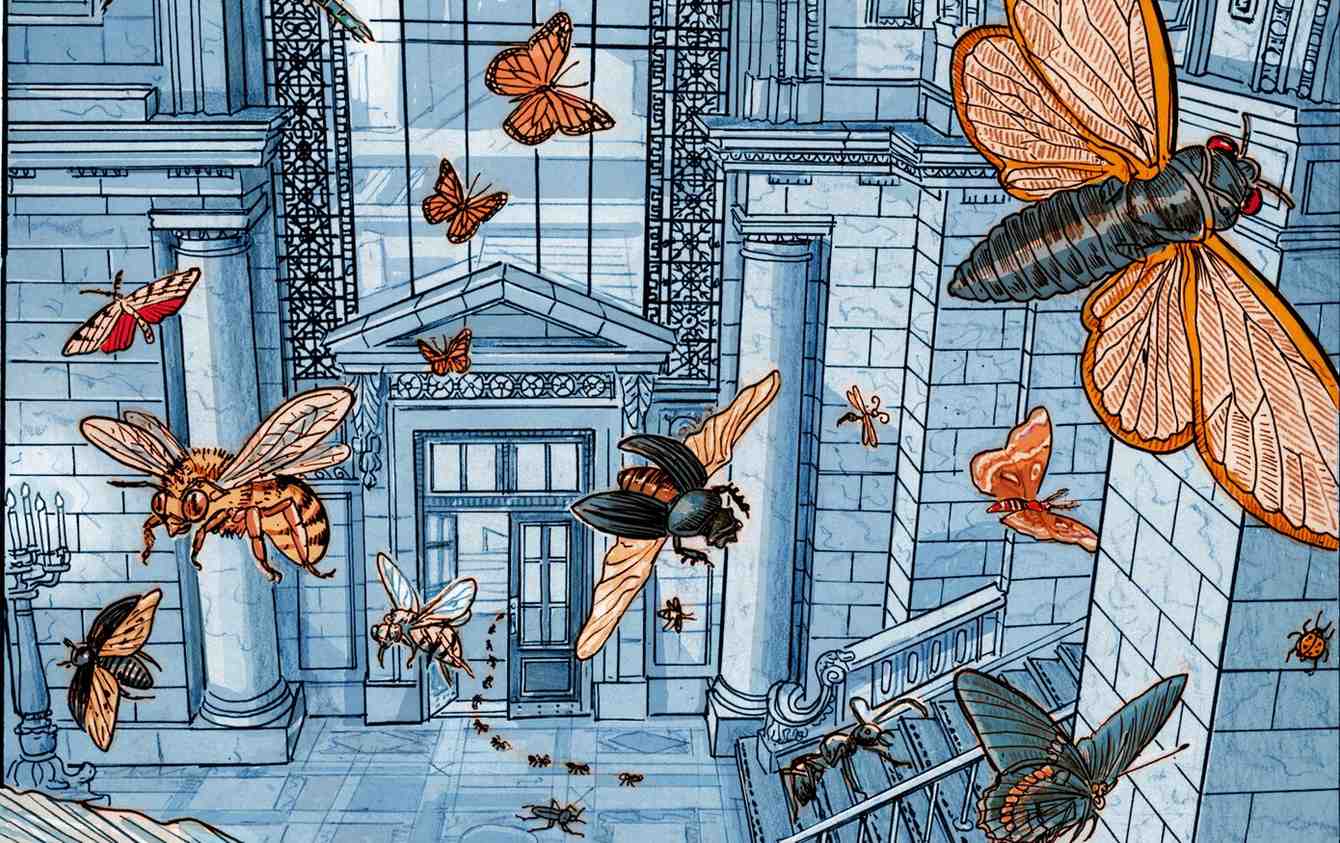
Peter Kuper’s remarkable new book, Insectopolis: A Natural History, is a graphic novel/infographic/wild fantasy ride into the secret world of insects and how that world intersects with ours. In other words, it is a thing like we have never seen before, in kind and magnitude. Kuper uses the format of the graphic novel, of which he is a past master (Ruins, Metamorphosis, etc.) to do something quite different: to tell a layered story about insects touring the New York Public Library, explaining the world of humans to their children and to us. It is upon this very clever tree that he hangs richly detailed ornamentation: a trove of information, offering the reader (especially kids) many doors through which their imaginations may travel, while alerting us all to the massive sixth extinction event we are presently in. Every page and spread of this gorgeous book is meticulously rendered, resulting in a deep and intense reader engagement. It is all the result of a year left very much alone at the library, under the aegis of a Cullman Fellowship, while the rest of the world was in lockdown. I recently discussed this project with Peter.
SB: Can you remember your first encounter with the insect world that fascinated you?
PK: It was 1963 in Millburn, New Jersey, I was four. In our backyard the trees were covered with cicadas—I later learned this was brood 11 emerging after 17 years underground. I’m sure many people’s reaction would’ve been to run screaming, for me it was pure fascination. I was hooked like they were a drug!
SB: What would you say the differences in how you perceive them are now?
PK: The only difference is I no longer collect insects. Now I read up, take pictures or draw them and enjoy just staring at them as they climb the trees and flutter around.
SB: What connection do you think the rest of us may be missing?
In the case of cicadas, learning that they burrow underground for 17 years, and remain awake the entire time (not in hibernation), and their connection to the outside world is through the root of a tree. Something, perhaps, in the pH of the tree root that they are feeding on, informs them exactly when 17 years has passed along with a specific temperature change (64 degrees). So, they all know to emerge at the same time by the millions. If that’s not enough wonder and mystery that we have yet to understand completely, then we’re missing one of the many miracles this planet has to offer us. It may also give us clues to greater connections happening in nature that may include us but are currently beyond our comprehension.
SB: You worked alone in the NYPL for a year. Was there something surprising that you learned about the creative process in a world, seemingly, without time or research constraints?
Being in the library during Covid with the entire place closed to the public, I felt like I was in a haunted house. Happily, what was haunting the place was all the entomologists and naturalists from the past who had left remarkable treasures that I had the time and opportunity to excavate. I approached Insectopolis in a completely different way than I had my other graphic novels. I would start to draw a page or two as I did research but not plan where it was going beyond those pages. Instead of planning everything out in advance, I kept myself open to where I might be led by these ghosts. They were all very helpful!
SB: Did the creative process here trigger ideas for future projects?
I enjoyed working on Insectopolis so much that I was able to continue on that path by producing two companion books that are also coloring books. One, called Monarch’s Journey, comprises pen-and ink-drawings that follow the monarch’s migration from Canada to Mexico in 48 pages. The other, Coloring Insectopolis, is a 128-page book made up of the pen-and-ink drawings I did for the graphic novel, along with some additional art and information so it functions as a stand-alone book. The graphic novel Insectopolis I created for an adult audience; the other two are something readers of all ages can engage with directly with colored pencils or crayons.
Following these books will be one called Wish We Weren’t Here, arriving in the fall, that is a collection of my wordless environmental comics. It includes a number that have appeared in The Nation as well as Opp Art. I’m anxious to talk about climate change as much as possible now, especially while we’re seeing the government expunge the word from all their websites. Call me old fashion, but I believe existential threats should be addressed.
Popular
“swipe left below to view more authors”Swipe →SB: What are some important different things we can do right now to save the larger habitat and increase awareness of key parts of the ecosystem?
One of the things I hope to accomplish with Insectopolis is for readers who are not big enthusiasts of insects to recognize how hugely important they are in our day-to-day life and for the sustenance of our planet. Without pollinators, we wouldn’t have chocolate or coffee, and grocery store shelves would be mostly empty. People can start by not killing insects every time they see them (maybe just help them out the door). Also placing a flower on your windowsill or planting garden if you have that opportunity, to provide food and shelter for pollinators and other insects. Very importantly, people can also stop using pesticides on every insect they see, and if they have a lawn, they can leave a section of it unmown to create a habitat for our tiny friends.
Become a Sustaining Donor This September
Between the reemergence of right-wing red-baiting and Donald Trump’s use of the chilling National Security Presidential Memorandum–7 to criminalize left political organizing, we’re seeing McCarthyism reborn before our eyes.
This assault on democracy cannot be ignored or wished away. Resisting it requires bravery in the face of threats and repression, a steadfast commitment to the truth, and the unwavering belief that we can—and will—overcome this darkness.
We must have an independent media that sets the record straight, unearths corruption and abuses of power, and advances a politics of justice and dignity for all if we’re to win this fight.
That’s why I’m writing to you today. This September, The Nation needs to add 100 monthly donors to sustain our progressive journalism. Your contribution makes the next investigative report, the next truth-speaking column, and the next pathbreaking essay all possible.
I hope you’ll support our work with a recurring donation today. If you donate $10 or more a month, we’ll send you a brand new “Hands Off the Free Press!” sticker to recognise your commitment to our cause. Please, donate today.
Onward,
Katrina vanden Heuvel
Editor and Publisher, The Nation
More from The Nation

Big Oil’s Origin Story Big Oil’s Origin Story
Amy Westervelt’s new book, Brought to You By, exposes the deep history of today’s “information pollution.”
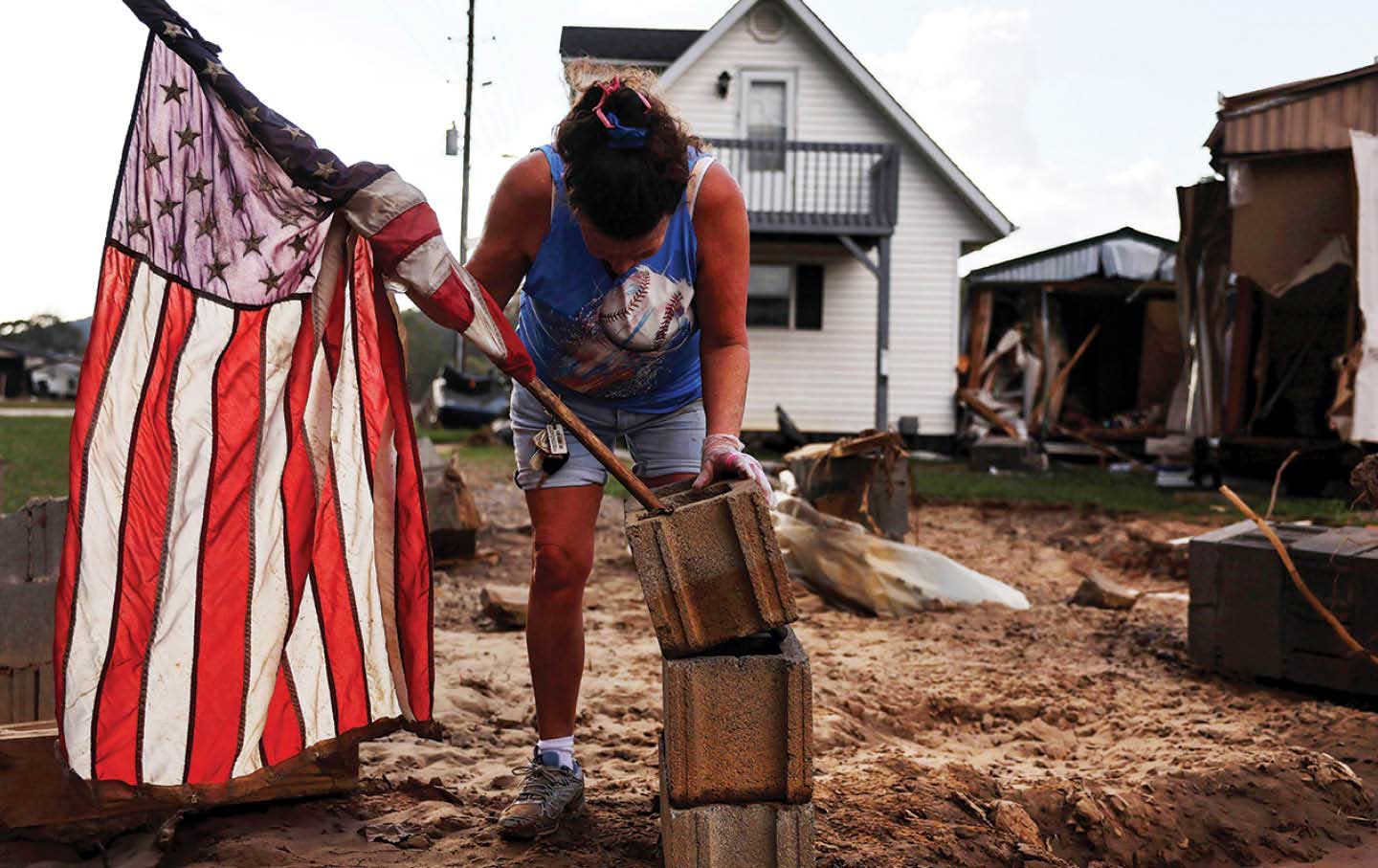
Two Years After Helene, North Carolina’s Unsettled Recovery Two Years After Helene, North Carolina’s Unsettled Recovery
The state has become a testing ground under an eviscerated FEMA and a missing-in-action “recovery czar,” Michael Whatley, with big political ambitions.
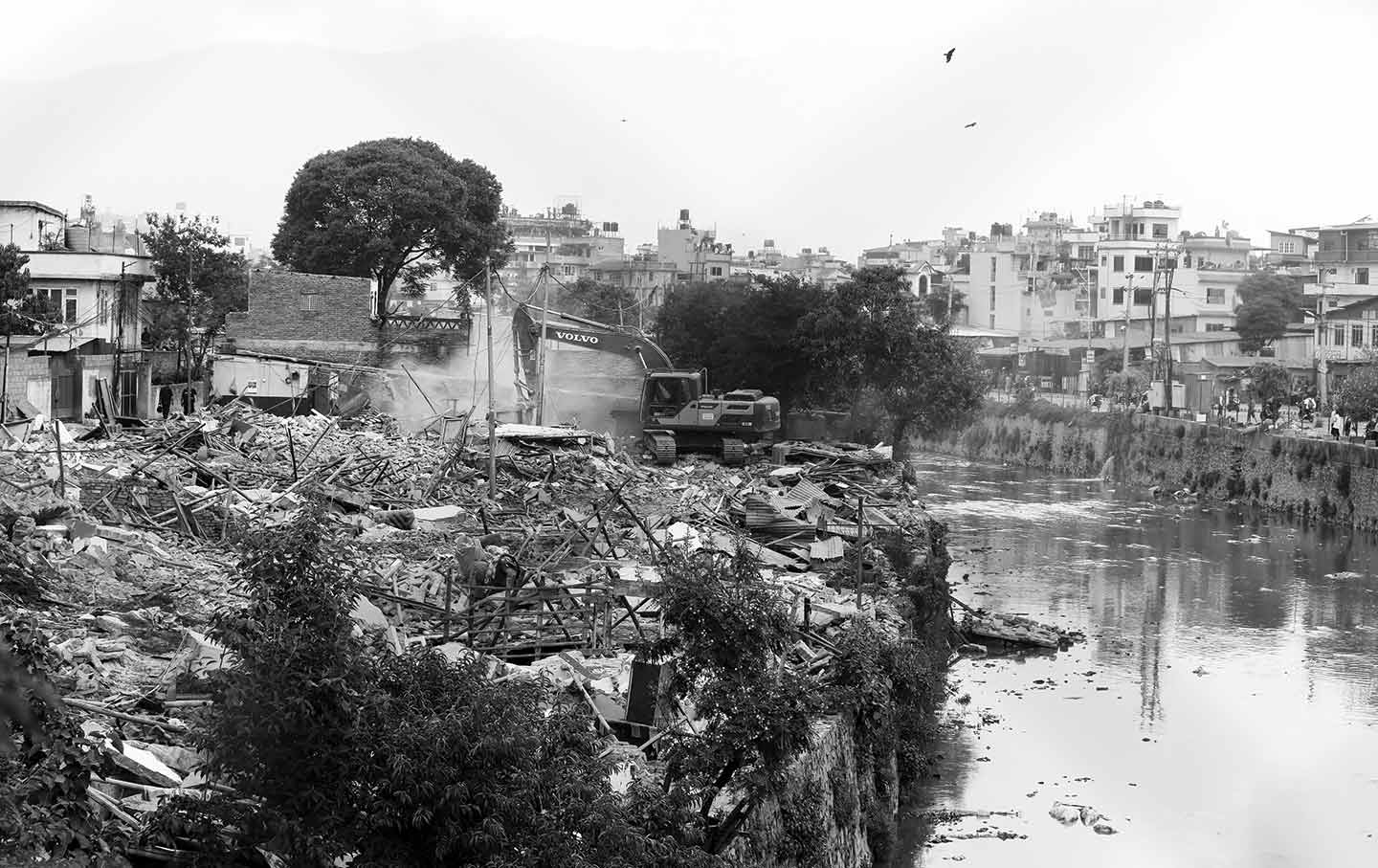
A Reckoning Comes for Nepal A Reckoning Comes for Nepal
A year after its Gen Z uprising, Nepal faces a struggle not only for democracy and human rights but for climate survival.
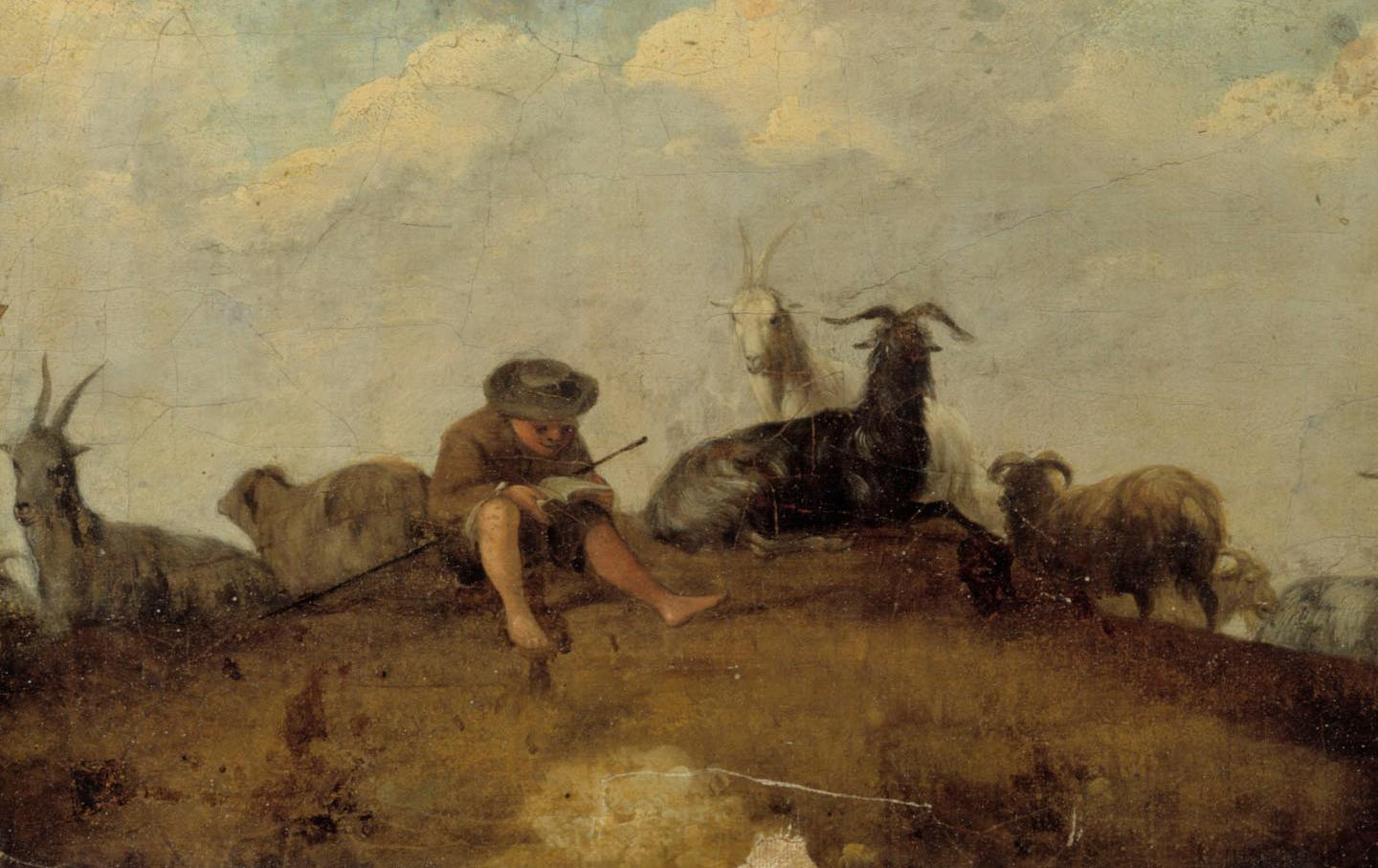
How a Creative Mind Lives in Nature How a Creative Mind Lives in Nature
Working in the wilderness could not satiate my intellectual impulses. But for the protagonist of Hothouse Bloom, the binary between mental and physical labor is what calls her.
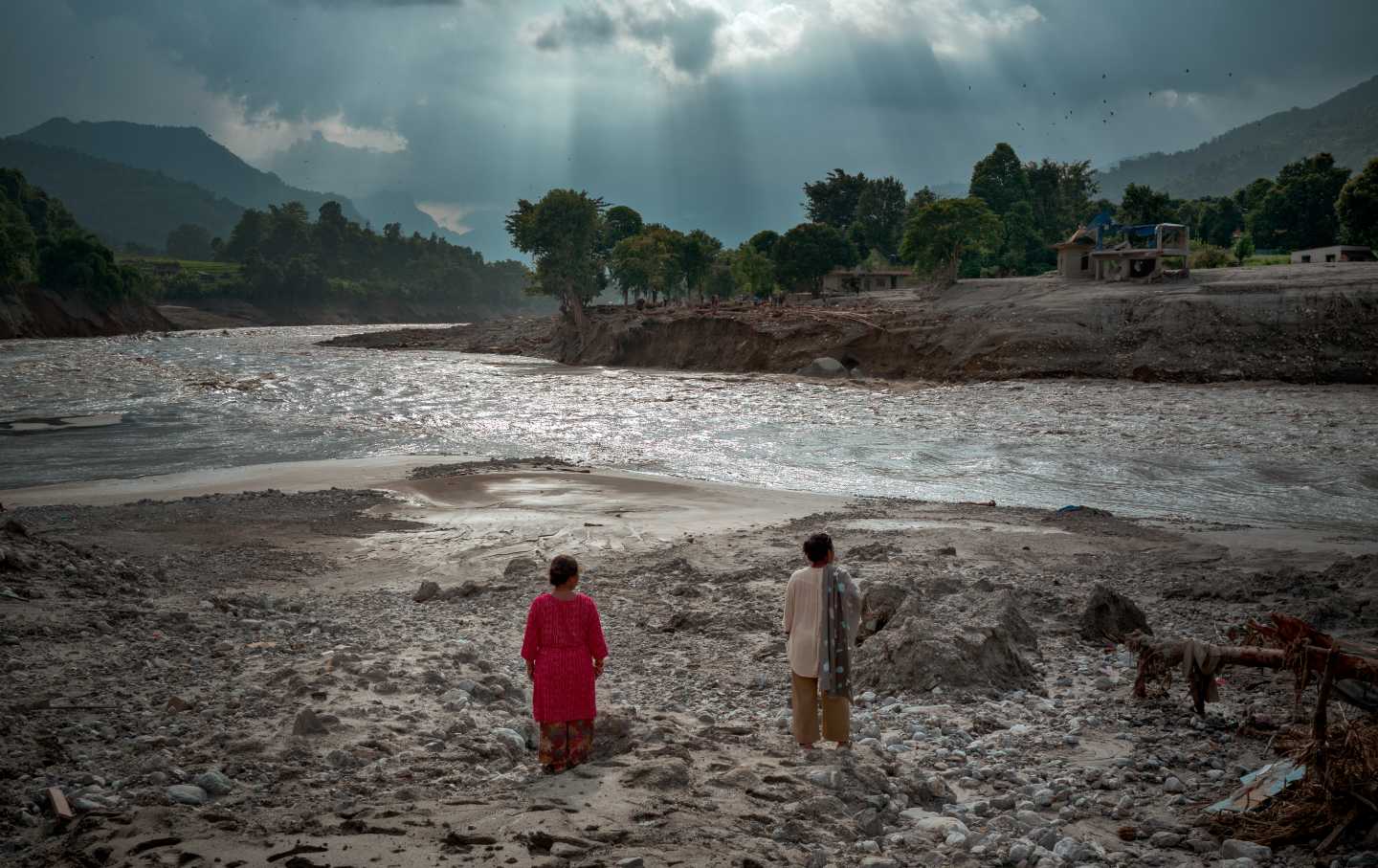
Is Nepal a Turning Point in Climate Coverage? Is Nepal a Turning Point in Climate Coverage?
Even CBS News and Bari Weiss, who fired the outlet’s entire climate unit, have used Nepal as a watchword for environmental disaster.
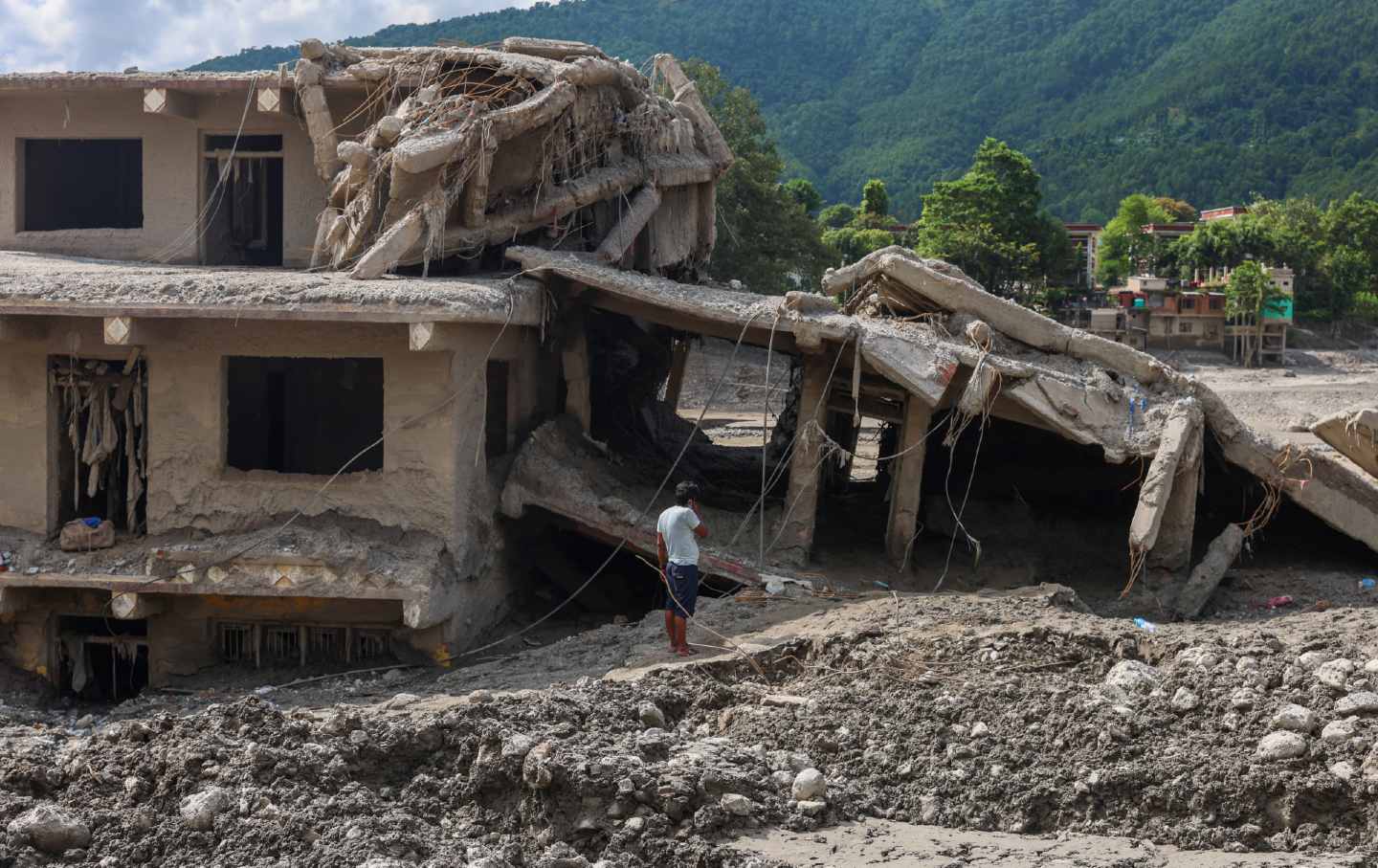
How Will Nepal Pay for the Latest Climate Disaster? How Will Nepal Pay for the Latest Climate Disaster?
An interview with Nepali UN climate expert Manjeet Dhakal on what the massive Himalayan flood will cost Nepal.

