Never Mind the Stock Market, the Economy Is Blinking a Big Warning
Tariff-induced higher prices and supply chain problems are just the start of the pain Trumponomics will inflict.
Iknow the Democrats were told during the election that they couldn’t say anything good about the economy because it would just get people angry, but I don’t work for the Democrats. We had a very good economy in 2024, with strong job growth, low unemployment, slowing inflation, and rising real wages. It looks like that is quickly coming to an end under Trump.
To be clear, I am not talking about the fear in the financial markets. That is genuine but largely a sideshow. The big story is what is going on in the real economy—the one that produces goods and services.
The most immediate threat is Trump’s tariffs. Tariffs can be used effectively to support the development of key industries, as the United States and many other countries have done for hundreds of years. Biden was actually using them this way, along with subsidies and tax credits, to promote the semiconductor, electric vehicle, and clean energy industries, helping stoke an explosion in factory construction.
But this is not Trump’s approach. He floated a set of huge tariffs, then backtracked from most of them, while doubling down with China. While he called his tariffs “reciprocal,” they had nothing to do with the actual tariffs that other countries had imposed on our exports but were based on his misguided belief that trade imbalances are evidence of wrongdoing by our trading partners. Unclear demands by Trump have made any serious negotiations difficult.
More important, if the point of tariffs is to promote the development of industry here, there has to be some expectation they will remain in place. Tariffs that change by the day cannot provide the basis for long-term planning. What they do provide is a great basis for kickbacks and corruption, which is what we are seeing now.
The other part of the story is that tariffs will be passed on, mostly to consumers, in the form of higher prices. This will likely mark the end of the healthy real-wage growth we saw in the last two years of the Biden administration.
Even worse, the 145 percent tariff Trump has imposed on most imports from China is leading to a collapse of trade. With that sort of tax, much of our trade in items like toys, clothes, furniture, and industrial components simply is not profitable anymore. Shipping has collapsed between the two countries. We are likely to start seeing shortages of a wide range of products by the end of May if Trump doesn’t change course.
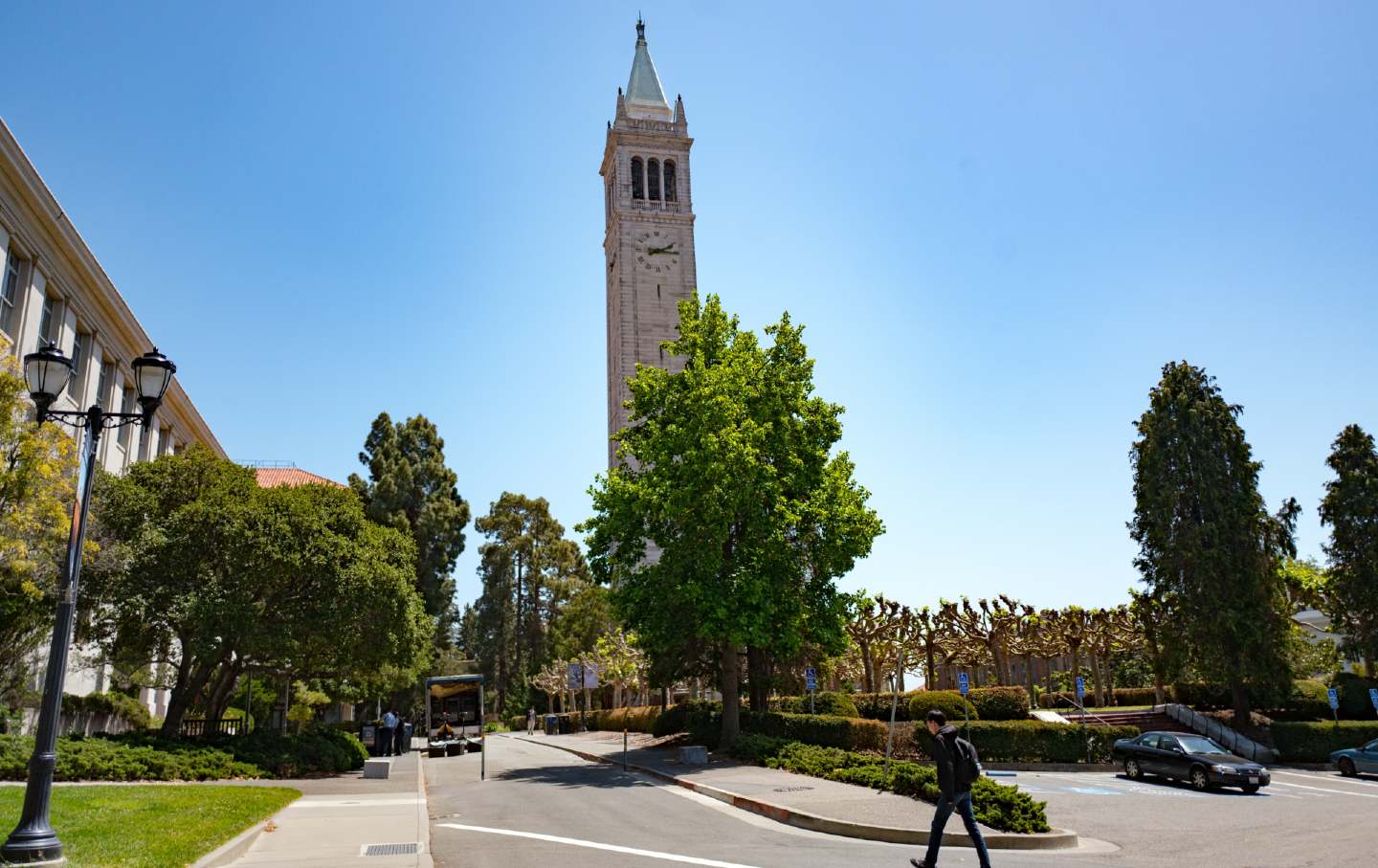
Still, tariff-induced higher prices and supply chain problems are just the start of the story. Trump’s attacks on universities, the National Institutes of Health, and research more generally are likely to have even greater and more lasting effects. The United States was at the cutting edge in medical research and many other areas in large part because of public funding.
This will quickly change. Top researchers will be eagerly sought out by businesses and universities in Canada, Europe, and elsewhere. There are plenty of grounds for criticizing the way we support research, and in particular the way we have allowed the pharmaceutical industry to capture much of the benefits, but taking a chain saw to it is not the right way to go.
It’s also worth mentioning that our universities and foreign tourism more generally were major sources of export earnings for the United States. Last year, we earned $215 billion from these services, 30 percent more than we got from exporting food. Hacking off these big earnings sectors is not going to help Trump’s obsession with the trade deficit.
In the past couple of months, many of us have noted that “soft” indicators like consumer confidence and business expectations have turned sharply negative, in some cases falling below the low points of the pandemic and the Great Recession. We were waiting for the bad news to show up in the hard data. With the drop in the first-quarter GDP, it has. There is little doubt that much more bad news is on the way. But the biggest downsides to Trumponomics will not be the near-term pain of higher prices and unemployment. They will be the evisceration of the country’s research capacity and making investing in the United States as safe as investing in Putin’s Russia.