
Trump’s New Muslim Ban Is Worse Than His First
This version is quieter, sneakier, and more dangerous than the one we all remember.
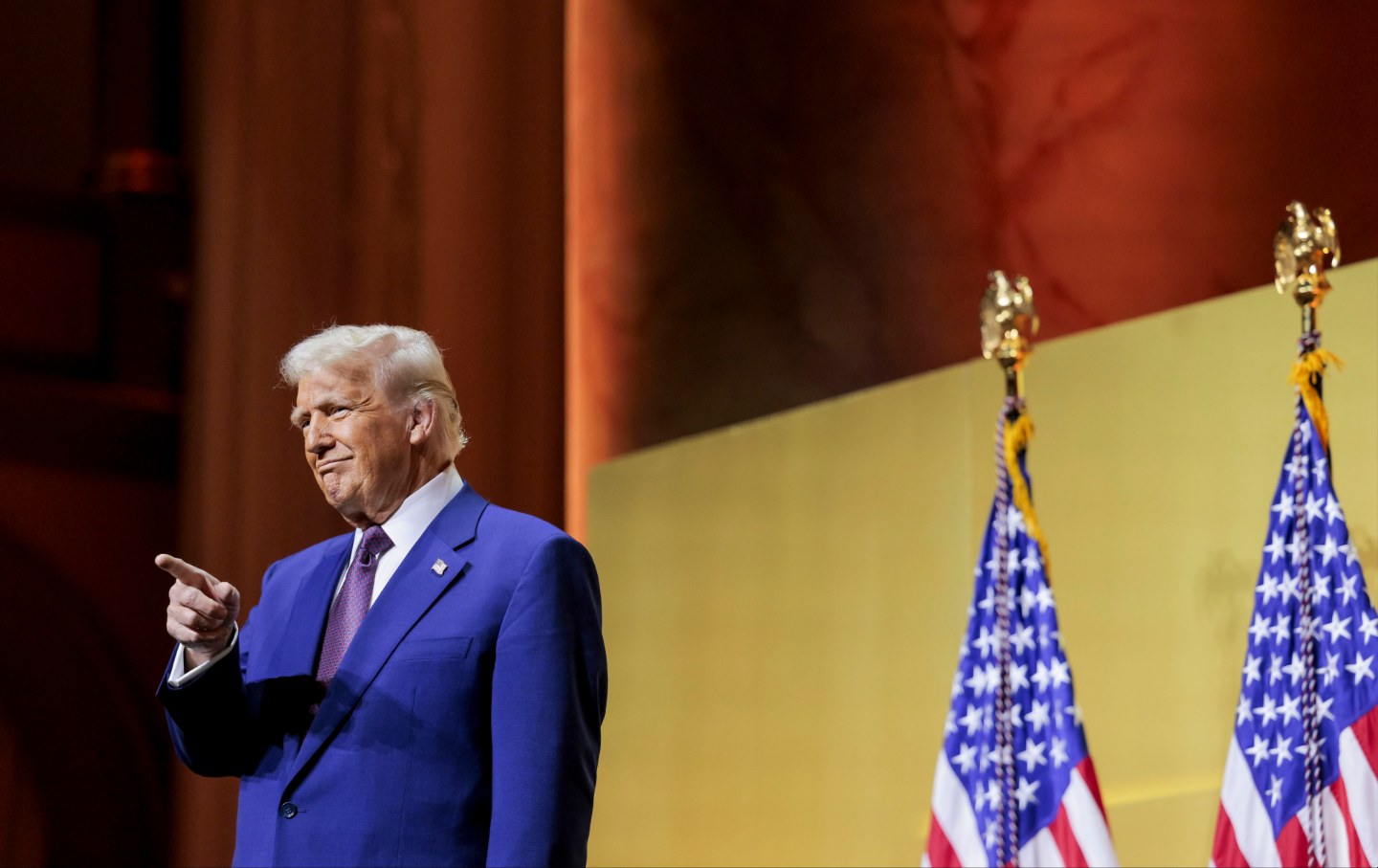
Donald Trump arrives at the Republican Governors Association meeting at the National Building Museum in Washington, DC, on Thursday, February 20, 2025.
(Shawn Thew / EPA / Bloomberg via Getty Images)The spontaneous mass resistance to Donald Trump’s first Muslim ban was perhaps the defining image of the uprising that greeted Trump when he came to power in 2017.
Huge crowds swarmed airports across the country. Activists, lawyers, and desperate families confronted CBP officers until their loved ones were allowed into the United States. The revolt was capped by a stern legal rebuke of Trump’s racist overreach by the Hawaii circuit court.
What’s often left out of that story, though, is what happened next. A modified version of the ban slunk back into effect a few months later; this time, the Supreme Court signed off on the policy. Unless you were one of the people torn away from your family or who saw your green-card lottery dream of a new life in America canceled, it was easy to forget that it was even there. By the time Joe Biden repealed the ban in 2021, it was stripped down, efficient, and running on autopilot.
It’s that form of the ban—quieter, sneakier—that is making a comeback in Trump’s second term. In fact, it’s not strictly accurate to call the ban a “Muslim” ban at all. A bland executive order buried in the January 20 flurry of White House proclamations doesn’t name any country or even dictate specific policy. There is no lurid prose. Instead, it directs four cabinet secretaries to begin a rolling 60-day collaborative multi-agency review process. The process is intended to end on March 21 with the publication of a list of countries that are supposedly not in compliance with information-sharing standards about immigrants and will thus be subject to restrictions on the ability of their citizens to enter the United States.
If this all sounds bewildering, that’s because it’s meant to be. The obtuse bureaucratic structures that were only created to legally justify the first ban now form the core structure of a new one that promises to be amorphous and adaptable to shifting policy needs. The intent, however, remains the same as it’s always been: to deeply extend the power of the executive branch over the immigration system and to fulfill the wildest dreams of Trump’s white-nationalist lackeys, particularly Stephen Miller, whose power has only grown in the seven years since Trump first took office.
Biden’s repeal of the ban was retroactive. He un-banned everyone who had been denied under Trump and gave them opportunities to re-interview for their unjustly denied visas. Trump’s reinstatement is similarly retroactive. Once the list of banned countries is determined, everyone from those countries who had been admitted to the US since the last ban was repealed will need to undergo an undefined form of “reassessment” with an eye toward finding possible reasons for deportation. (This provision includes people with green cards.) Checking over criminal records for an already-admitted person is already done in some limited cases, but taken in context the retroactive review of people who got cleared last time is a chilling new policy.
There are two additional provisions contained within the executive order (which does not explicitly define which agency will be enforcing what provisions) that are jarring in the sweeping and transformative power they lay out.
The United States must ensure that admitted aliens and aliens otherwise already present in the United States do not bear hostile attitudes toward its citizens, culture, government, institutions, or founding principles, and do not advocate for, aid, or support designated foreign terrorists and other threats to our national security.
The legalese should be dispensed with at this point: This is a policy to deport or bar forever from the United States anyone who has publicly spoken in support of Palestine. Every group that participated in armed resistance against the Israeli genocide in Gaza was a US-designated terrorist organization. But even if your personal statements don’t touch on the subject of armed resistance, US policy is to treat the Gaza municipality and local government as extensions of Hamas. Even a statement of praise for, say, firefighters or rescue workers from Gaza could, in theory, be a deportable offense for a foreigner legally in the US. A green card holder, married to an American citizen, could be deported and permanently banned from reuniting with their spouse for posting “from the river to the sea” on Instagram.
Less personally terrifying but structurally troubling are provisions for review of “visa programs” that allow the executive branch to, through the revived Muslim ban, bar applicants from visa programs they dislike, but cannot at this point legally erase:
(c) Evaluate all visa programs to ensure that they are not used by foreign nation-states or other hostile actors to harm the security, economic, political, cultural, or other national interests of the United States
The review of “visa programs” will explicitly involve screening for adherence to American “culture” and “values.”
It should be considered that the State Department is involved in accrediting a huge number of academic exchange visitors and postdoctoral study programs that fall under the J1 category. What will become of the Fulbright program if subjects of study by foreign students are ruled in contravention of MAGA values? What about a postdoctoral program in women’s studies? Or Black history? The new ban could also de facto close certain topics of academic research to foreign students. Foreign employees might find themselves banned as national security threats even if the conditions of their employment are completely legal and above board.
When the last Muslim ban hit, there was deep institutional pushback. From the highest ranks in DC all the way down to visa officers conducting interviews at the window, there was a quiet internal consensus that the ban should be slow-rolled and internally opposed as much as possible and that every bureaucratic trick with visa processing that existed should be used to minimize the harm of the policy. (I was one of these internal opponents.) That is much less likely to happen this time. America’s foreign policy agencies are afraid for their jobs. Internal purges over support for institutional diversity, equity, and inclusion efforts are already happening. Mass layoffs or worse are in the cards. Immigration officials are not going to be as concerned with fighting back as they will be trying to keep their heads down. Or they’ll try to resist and get fired anyway.
More bleakly, the ban doesn’t seem that scary anymore. Recent internal dissent within the State Department has been laser-focused (to little effect) on pushing back against America’s complicity in the Gaza genocide. The Muslim ban doesn’t look that bad by comparison and it has little shock value. Every junior visa officer making decisions about ban cases will have joined the State Department in the last few years, in a world where the ban had already happened. They will have made their own internal bargain about how they felt about that part of the job. Nobody implementing this policy will be able to say that they didn’t sign up for this. They knowingly did.
Popular
“swipe left below to view more authors”Swipe →The Muslim ban’s normalization will also fuel its expansion. It can be applied to any geopolitical entity or group that finds itself in the crosshairs of an increasingly erratic security state. This is a ban whose provisions, as written, could just as easily be deployed against Chinese immigrants and Chinese Americans who hold nuanced opinions about their country of origin or to facilitate Sinophobia generally. Watch which countries wind up on the initial ban list; South and Central American countries that are actively complying with Trump deportation policies will have a much better chance of avoiding having their nationals banned. First they came for Muslims, but now every diaspora is a potential bargaining chip in geopolitical rivalry. They want everybody to be a little bit scared—and to be able to bring maximum surveillance against any foreigner at any time. The domestic review provisions of this order mean immigrant life in America can be treated as one never-ending visa interview.
The situation is bleaker than last time but building tougher, more enduring, and more ambitious civil resistance to this Muslim ban is both possible and necessary. We have a heads-up and time to get ready. We have broader coalitions. The ban is morphing from something that happens at isolated diplomatic posts to something that reaches deep into America’s campuses, workplaces, and homes. This is a legal terrain where broader challenges can be mounted, and if the Muslim ban becomes the Everyone ban, then everyone has an even greater stake in fighting it.
We know what this was like before and we know it can be subverted and, at worst, outlasted. The executive overreach of Trump’s second term is also so multifaceted and egregious that an anti-Muslim ban campaign can be linked with a broader push to curb executive authority itself when it comes to immigration.
A small cadre of activist administrators have made their goals clear. What they want now isn’t a gimmick or a one-off or a campaign slogan; they want this to be normalized. They want the Muslim ban to be forever. We have to give them our answer to that in an organized, determined, enduring way.
Become a Sustaining Donor This September
Between the reemergence of right-wing red-baiting and Donald Trump’s use of the chilling National Security Presidential Memorandum–7 to criminalize left political organizing, we’re seeing McCarthyism reborn before our eyes.
This assault on democracy cannot be ignored or wished away. Resisting it requires bravery in the face of threats and repression, a steadfast commitment to the truth, and the unwavering belief that we can—and will—overcome this darkness.
We must have an independent media that sets the record straight, unearths corruption and abuses of power, and advances a politics of justice and dignity for all if we’re to win this fight.
That’s why I’m writing to you today. This September, The Nation needs to add 100 monthly donors to sustain our progressive journalism. Your contribution makes the next investigative report, the next truth-speaking column, and the next pathbreaking essay all possible.
I hope you’ll support our work with a recurring donation today. If you donate $10 or more a month, we’ll send you a brand new “Hands Off the Free Press!” sticker to recognise your commitment to our cause. Please, donate today.
Onward,
Katrina vanden Heuvel
Editor and Publisher, The Nation
More from The Nation
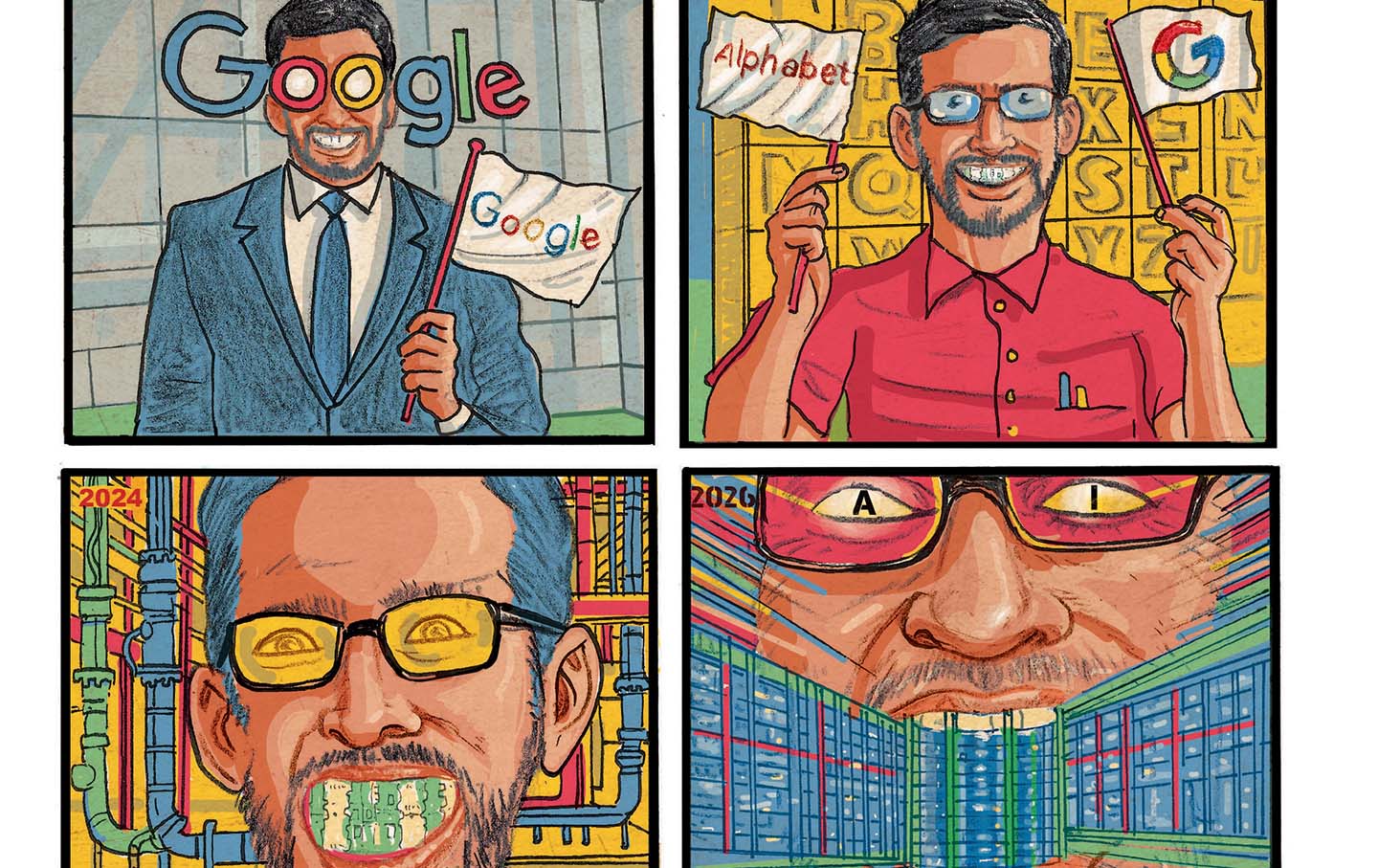
CEOs Are Losing Control of AI CEOs Are Losing Control of AI
With no slowdown from Trump’s administration.
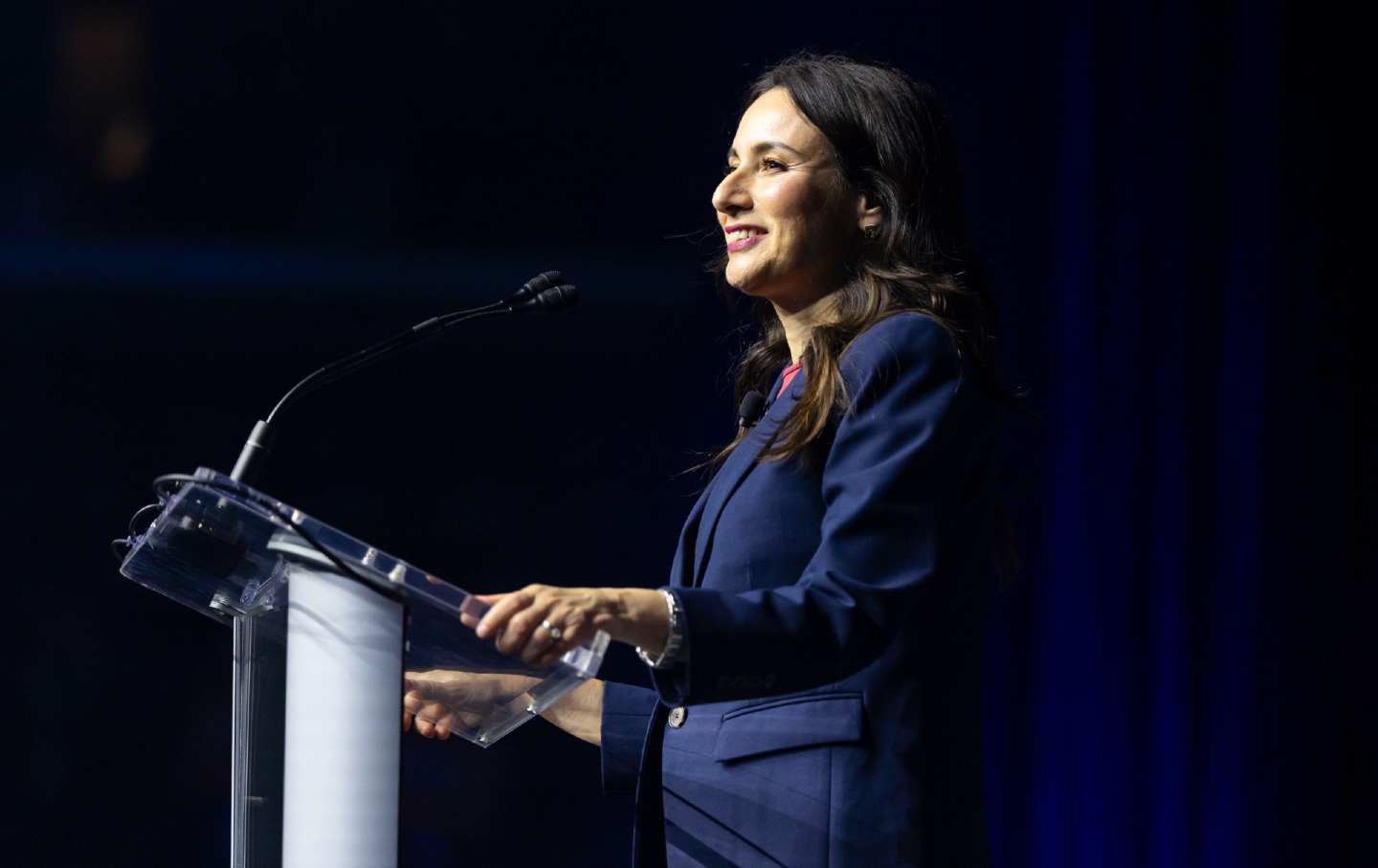
Gina Hinojosa: “We Flip Texas, and It’s Over” Gina Hinojosa: “We Flip Texas, and It’s Over”
Talking to Texas gubernatorial candidate Gina Hinojosa about what redistricting could mean and how a new generation of Democrats is speaking more directly to voters.
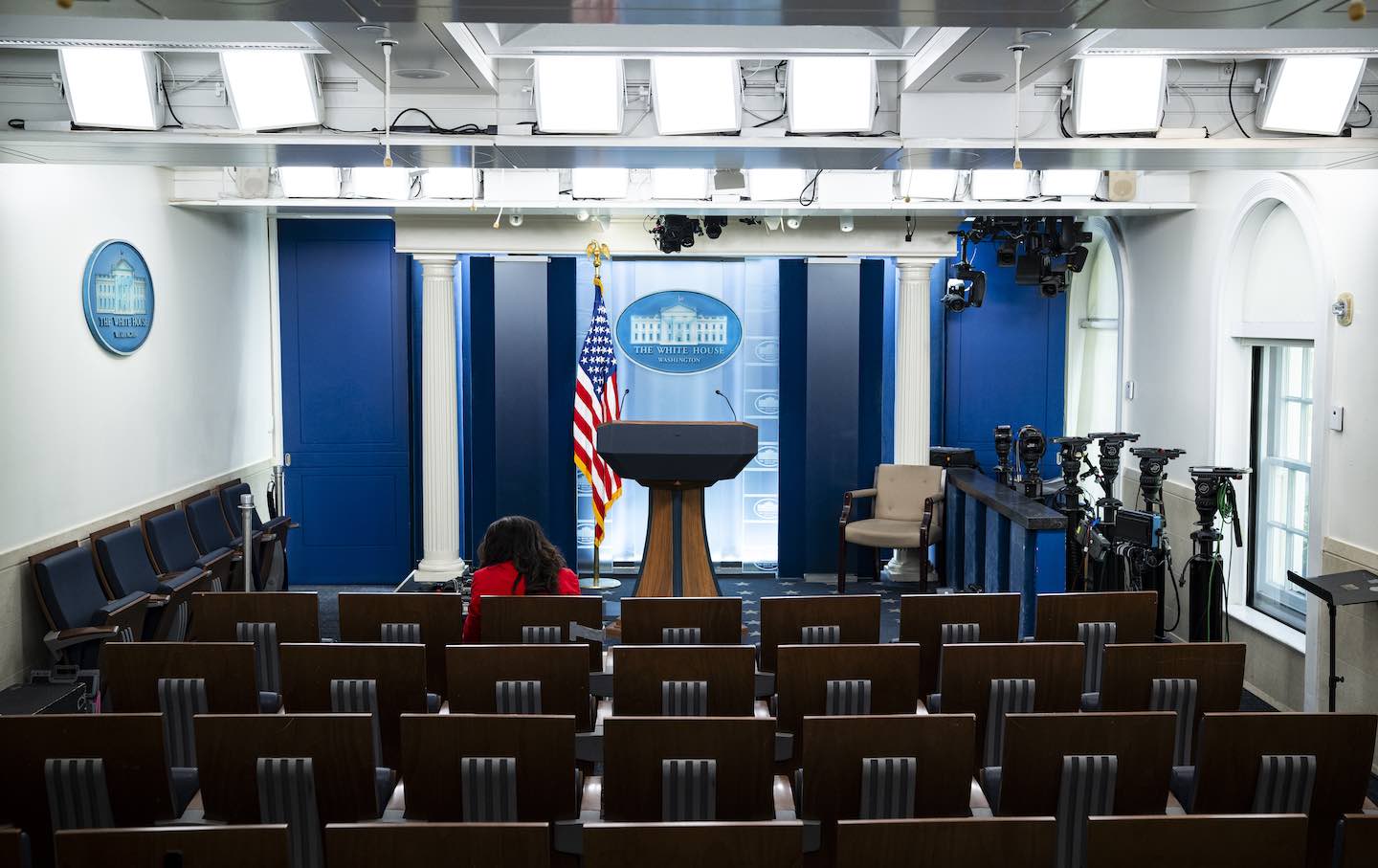
Trump Wants to Keep Journalists Out of the White House. He Should Get His Wish. Trump Wants to Keep Journalists Out of the White House. He Should Get His Wish.
The president has banned MS NOW, CNN, and Politico from attending press briefings. The rest of the media should respond with a boycott.
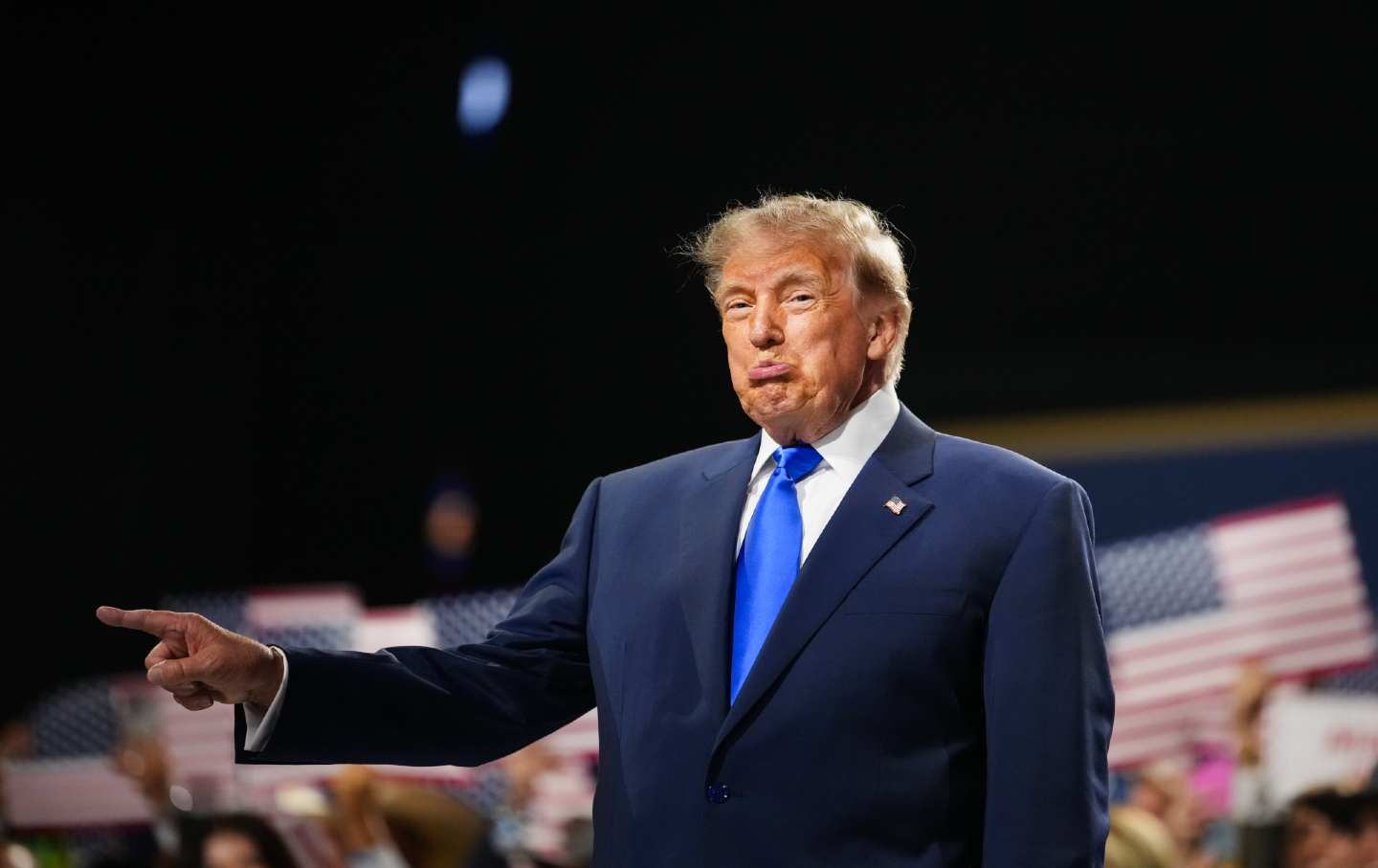
The GOP’s Incredible Shrinking Senate Map The GOP’s Incredible Shrinking Senate Map
Trump has so badly damaged the Republican Party’s brand that strategists are contemplating bitter fights—and losses—in races they’d been banking on as sure things.
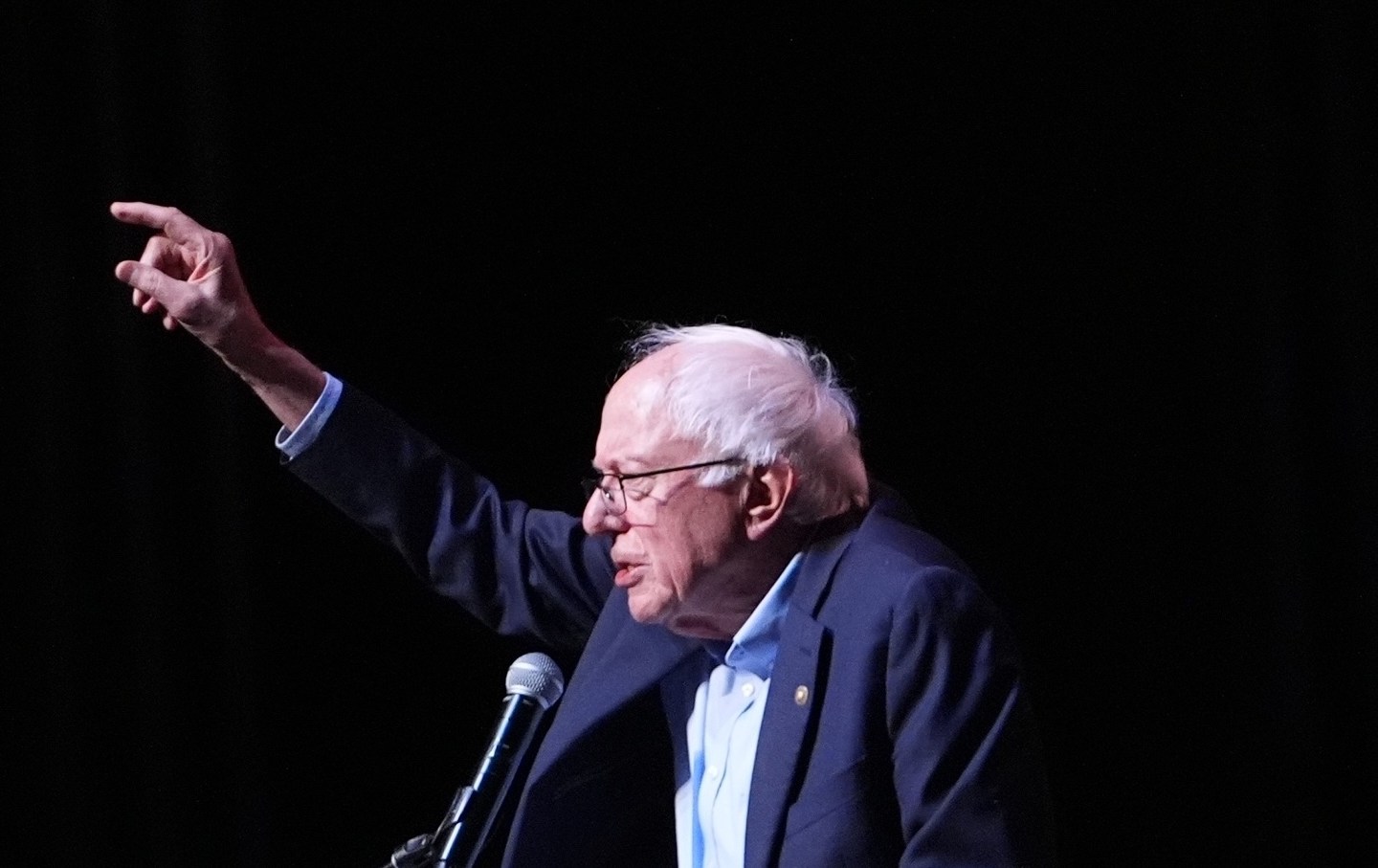
Bernie Sanders: “People Are Sick and Tired of the Status Quo. People Want Change” Bernie Sanders: “People Are Sick and Tired of the Status Quo. People Want Change”
Exclusive: Read the text of a major foreign-policy address delivered by the independent senator at Riverside Church.

Even Republicans Are Figuring Out That Pete Hegseth Is a Disaster Even Republicans Are Figuring Out That Pete Hegseth Is a Disaster
Hegseth was always a horrible choice for defense secretary. At long last, some in the GOP are admitting it.

