When Iowa Is Up for Grabs on Election Day, Anything Can Happen
The “October surprise” came in November, with a poll that hints there could be one more battleground state than anyone expected.
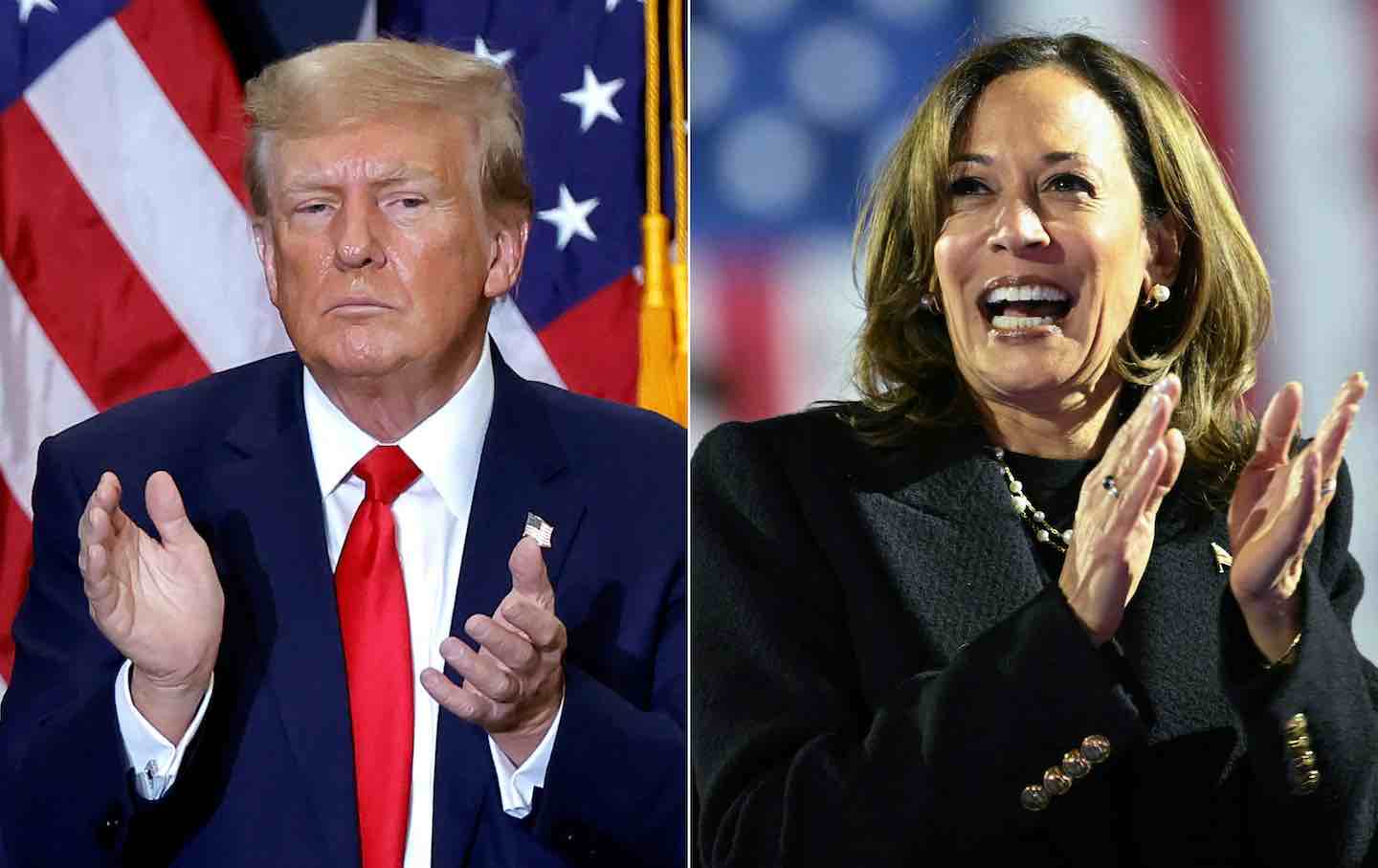
Republican presidential candidate Donald Trump and Democratic presidential candidate Kamala Harris.
(Kamil Krzaczynski and Andrew Caballero-Reynolds / AFP / XGTY)
The “October surprise” came in November this year, on the Saturday night before Election Day. That’s when The Des Moines Register’s highly regarded Iowa Poll divulged that Democrat Kamala Harris had opened up a narrow lead over Republican Donald Trump in the Hawkeye State. Political analysts were shocked, not just in Iowa but nationwide.
Iowa wasn’t supposed to be “in play,” as the pundits put it.
But maybe it is.
If that’s the case, then maybe everything is up for grabs.
Or maybe not.
The 2024 election has revealed itself in more complex ways than any contest in modern American history. But it ends more with hints than certainties. That makes it something of an outlier.
Most presidential elections reach their conclusion with a clear leader and a sense of how things will sort out. The same goes for races for control of the US House of Representatives and Senate. Partisans, especially those on the losing end of the calculations, may not like it that one side is positioned to claim a lead. But that’s usually what happens.
No one was really surprised when Lyndon Johnson beat Barry Goldwater in 1964, when Richard Nixon beat George McGovern in 1972, when Ronald Reagan beat Walter Mondale in 1984, when Bill Clinton beat Bob Dole in 1996, or when Barack Obama beat John McCain in 2008.
But this year is different. A lot of people are going to be surprised—on both sides of the aisle.
That’s because, everything is down to the wire.
Of the last 10 national polls of the presidential race, released between Halloween and the eve of the election, four were tied. Three put Harris ahead. Three put Trump ahead.
Polls put all the battleground states within the margin of error—even as Wisconsin and Michigan trended somewhat toward Harris, and Arizona erred a bit toward Trump. It looked like the narrowly Democratic Senate could tip to the Republicans, while the narrowly Republican House could tip to the Democrats.
Don’t like polls? That’s cool. Look at the massive rallies for Harris and for Trump, even if his crowds seemed to diminish as the long-winded former president rambled on about how he’s not really a Nazi, or danced listlessly to the Village People’s “YMCA.” In the battleground states, and in the states where Senate seats were at stake, negative TV ads clogged the airwaves, partisan mailers filled mailboxes, and astute political observers were reduced to discussing whether they had seen yard signs in unexpected precincts.
Anxiety reigned as evidence of real movement in one direction was in short supply.
Then came the Iowa Poll, the surprise that arrived after October was done.
There have been plenty of unexpected developments in this election cycle. But arguably nothing could reframe the 2024 presidential race quite like the prospect of a new battleground state. The Iowa Poll suggested that one had been discovered along the banks of the Mississippi River and in the farm fields extending to its west.
Ahistorically competitive state that had swung hard to the Republicans in recent years, Iowa gave Trump an almost 10-point victory over Hillary Clinton in 2016 and a comfortable eight-point win over Joe Biden in 2020. When Biden was still in this year’s race, the incumbent president trailed Trump by a staggering 18 points in an early June poll. And while Harris’s replacement of Biden had certainly energized Democrats, neither campaign made the state a priority.
But here was J. Ann Selzer, a widely respected pollster whose Iowa surveys had called the last three presidential elections, as well multiple races for governor and US senator, with uncanny accuracy. Selzer’s polling suggests that Harris might reclaim the state that backed Barack Obama in 2008 and 2012, for the Democrats. In fact, Selzer had been tracking progress for Harris in the state since at least September, when a Register poll showed a rapidly narrowing race. What changed was that, suddenly, it looked like the vice president might have the momentum to carry a state where she hadn’t even been seen as a contender.
Could it happen? We’ll see tonight.
It may be, as some have suggested, that there is a hidden Harris vote that will show up not just in Iowa but in lots of other states too. If that’s the case, the vice president could sweep to an unexpectedly comfortable victory—as a surging Ronald Reagan did in 1980. Perhaps, as Selzer and some other pollsters have argued, there is significant late movement on the part of older women and independents in a Democratic direction.
It may be that Harris’s addition of Minnesota Governor Tim Walz to the ticket has had an impact on neighboring states, such as Iowa and the ultimate battleground, Wisconsin. It certainly appears that Walz, who was born and raised in Nebraska, has helped Democrats in that state, where it looks like the party will win an electoral vote and a congressional seat in the Omaha area. That might not translate to a bigger than expected national win for the Democrats, but it could put them in a good position in a region where they have to run well to secure the presidency, hold the Senate, and pick up the House.
Popular
“swipe left below to view more authors”Swipe →It may be that Iowans, who have not seen all the vicious attack ads from the Trump camp, were able to form a clear impression of Harris, based on her successful debate with Trump, her media appearances on nontraditional platforms, and a campaign that promises America can “turn the page on the politics of division.” And it may be that Trump helped Harris make her point about the need for a course correction—with his increasingly fevered talk of enemy lists and violent “retribution.”
Or it may be that even pollsters as capable as Selzer no longer have the capacity to survey a country so deeply divided and politically volatile as the United States.
Either way, the Iowa numbers clearly shook Trump, who was concerned enough about losing six electoral votes that he reduced Iowa to a farm-state stereotype and took to Truth Social to announce, “No President has done more for FARMERS, and the Great State of Iowa, than Donald J. Trump. In fact, it’s not even close! All polls, except for one heavily skewed toward the Democrats by a Trump hater, who called it totally wrong the last time, have me up, BY A LOT. I LOVE THE FARMERS, AND THEY LOVE ME.”
Trump was still on the attack at a campaign rally on Sunday, announcing. “We got all this crap going on, with the press and with the fake stuff and fake polls.”
“The polls are just as corrupt as some of the writers back there,” said the former president, as he gestured to the media stand. Trump even argued that polls that show him losing where he expects to win should be “illegal” because they are a form of “suppression” that discourages his supporters from turning out.
That’s bad analysis by Trump on every level. Selzer’s conducted plenty of polls over the years that put Republicans ahead. Selzer called it right for Trump in 2016 and 2020. And far from suppressing turnout, narrow races usually boost it.
But the outburst confirmed just how freaked out Trump is at the close of a race that he was once convinced —when he was running against Biden—that he would win.
While Trump’s 2024 bid has been characterized by chaos and menace, Harris has opted for competence and at least a measure of joy, closing with super rallies that have featured everyone from Beyoncé and Cardi B to the Clintons and the Obamas, and a superb SNL appearance.
That’s kept her competitive from the start. The battleground states—Wisconsin, Michigan, Pennsylvania, North Carolina, Georgia, Nevada, and Arizona—have remained competitive right up to Election Day. The only difference is that, tonight, we’ve got to keep an eye on Iowa.
More from The Nation
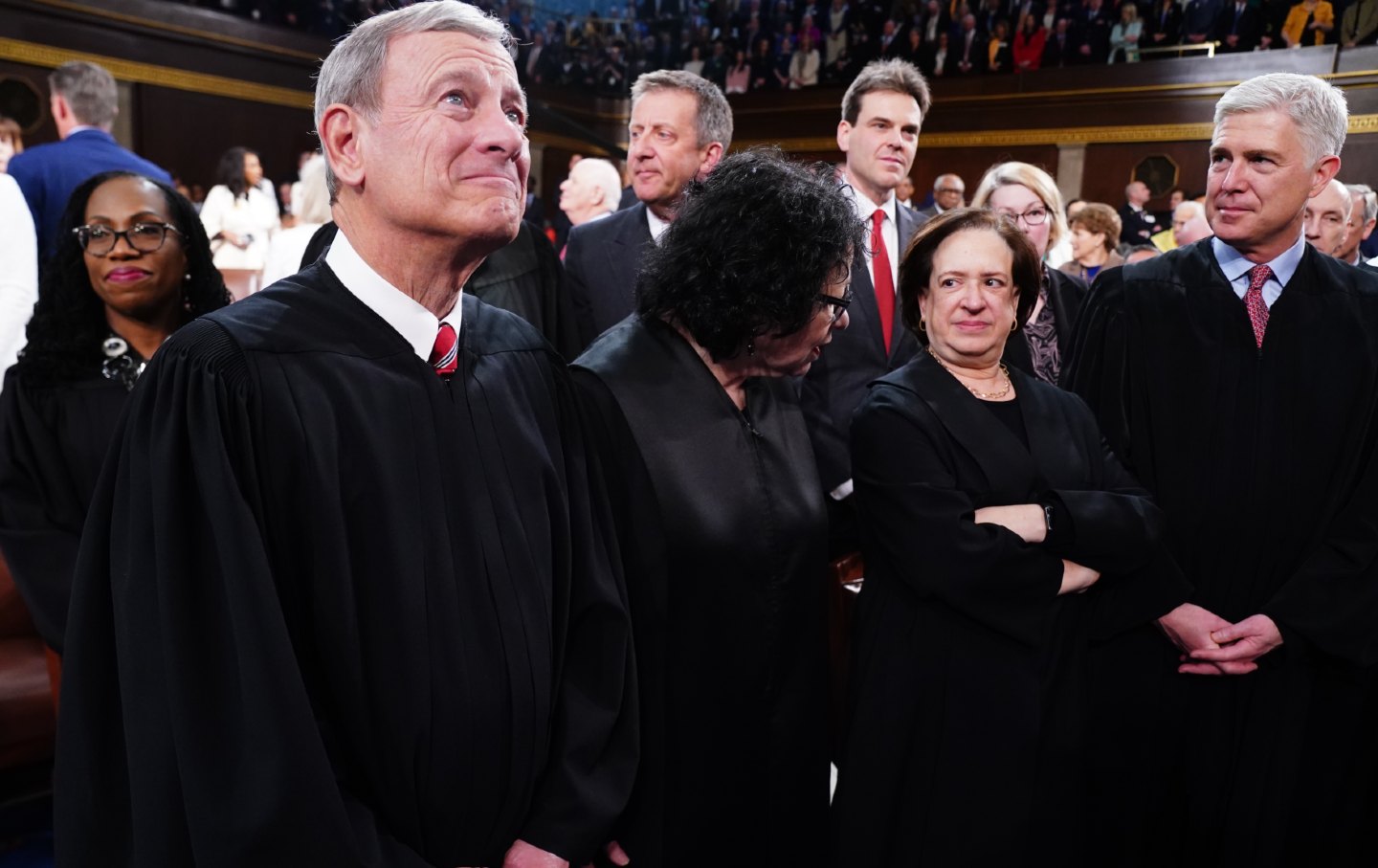
A New Theory of John Roberts’s Jurisprudence A New Theory of John Roberts’s Jurisprudence
In this week’s Elie v. U.S., our justice correspondent explains why he thinks Roberts rules the way he does. Plus: Elie mourns the end of summer—and the world.

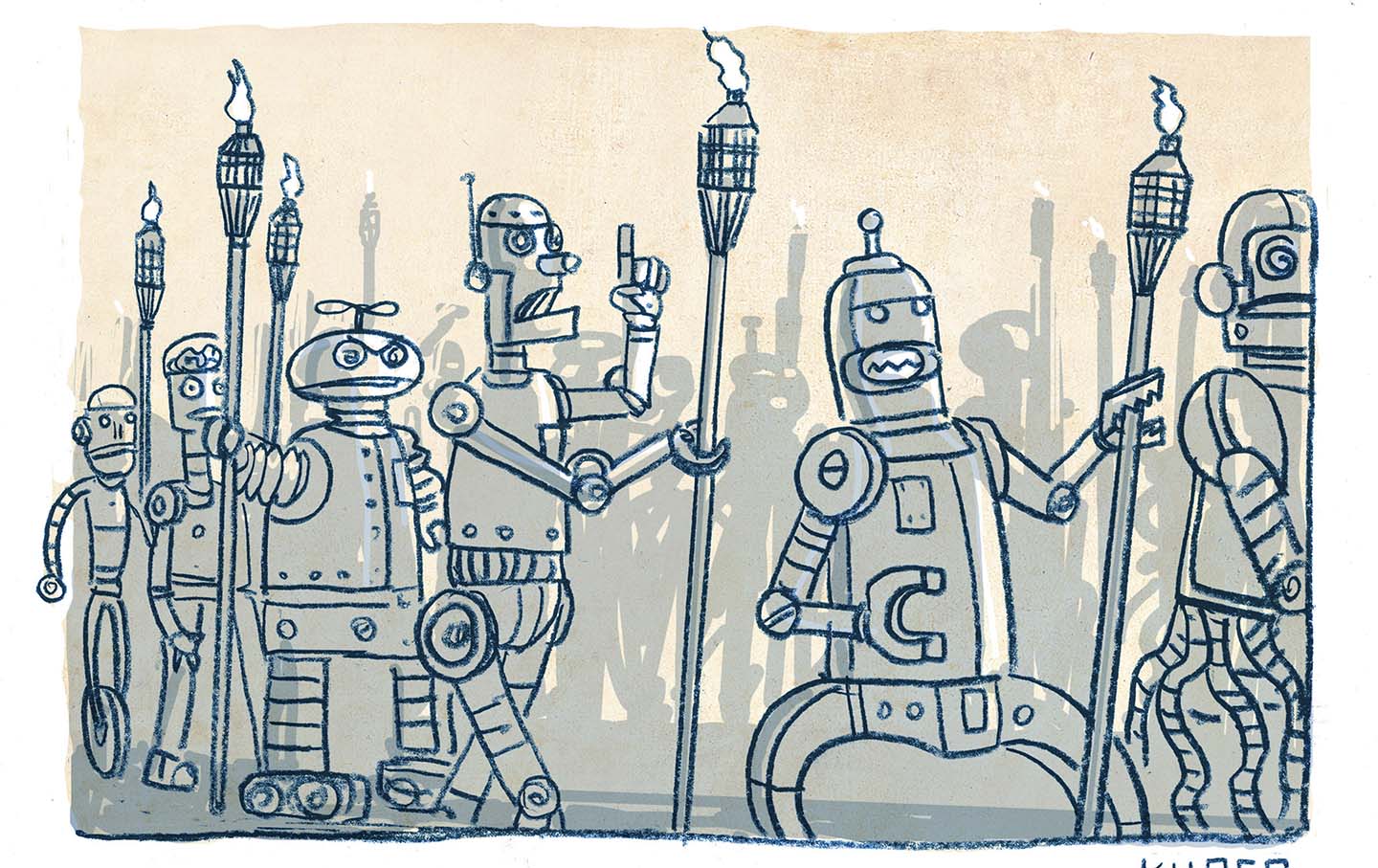
The Humans Will Not Replace Us? The Humans Will Not Replace Us?
AI’s existential threat to our future.
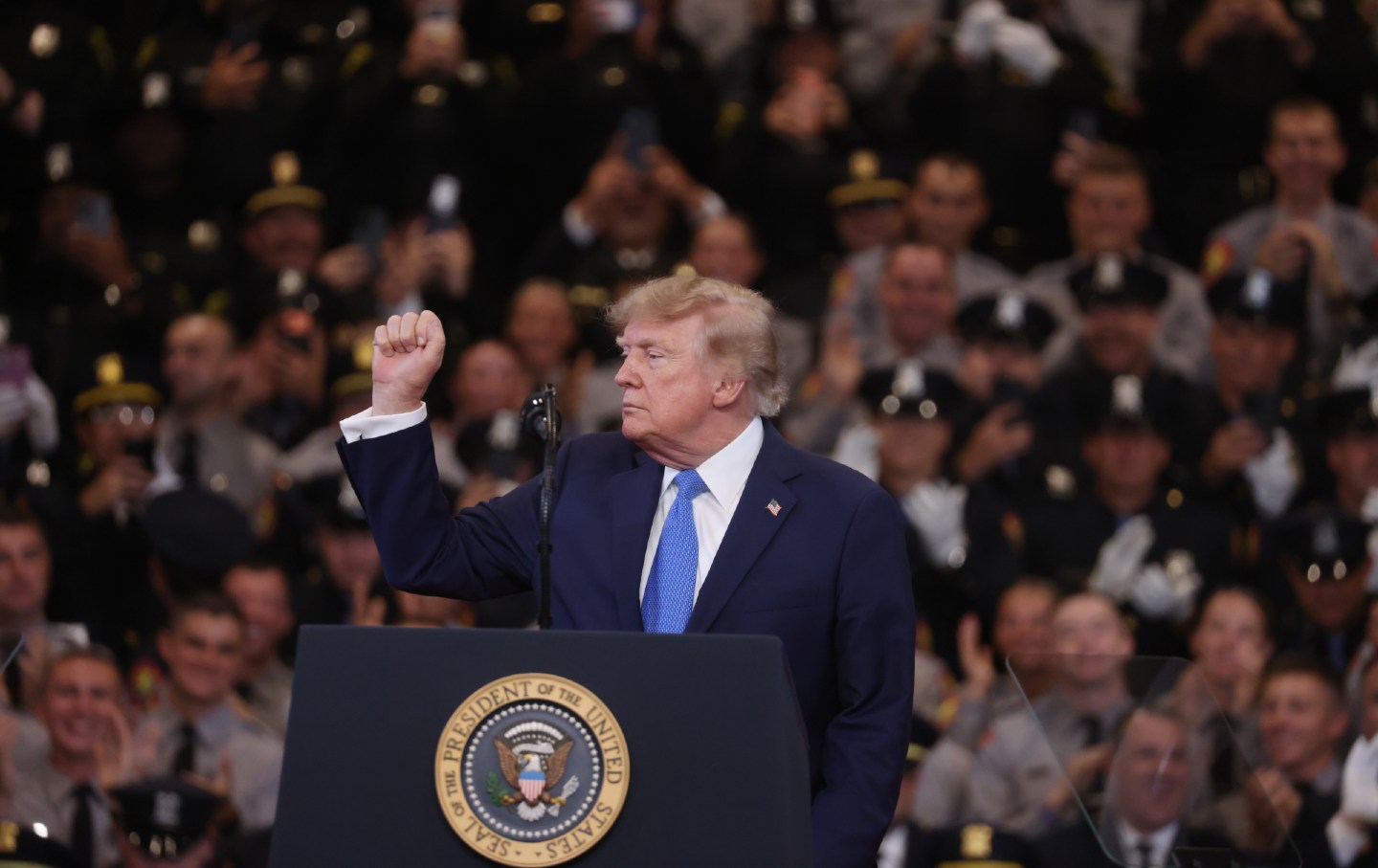
The Shadowy Powers that Trump Could Use to End American Democracy The Shadowy Powers that Trump Could Use to End American Democracy
Two Washington insiders are sounding the alarm about what could happen if Trump activates the top-secret Presidential Emergency Action Documents.
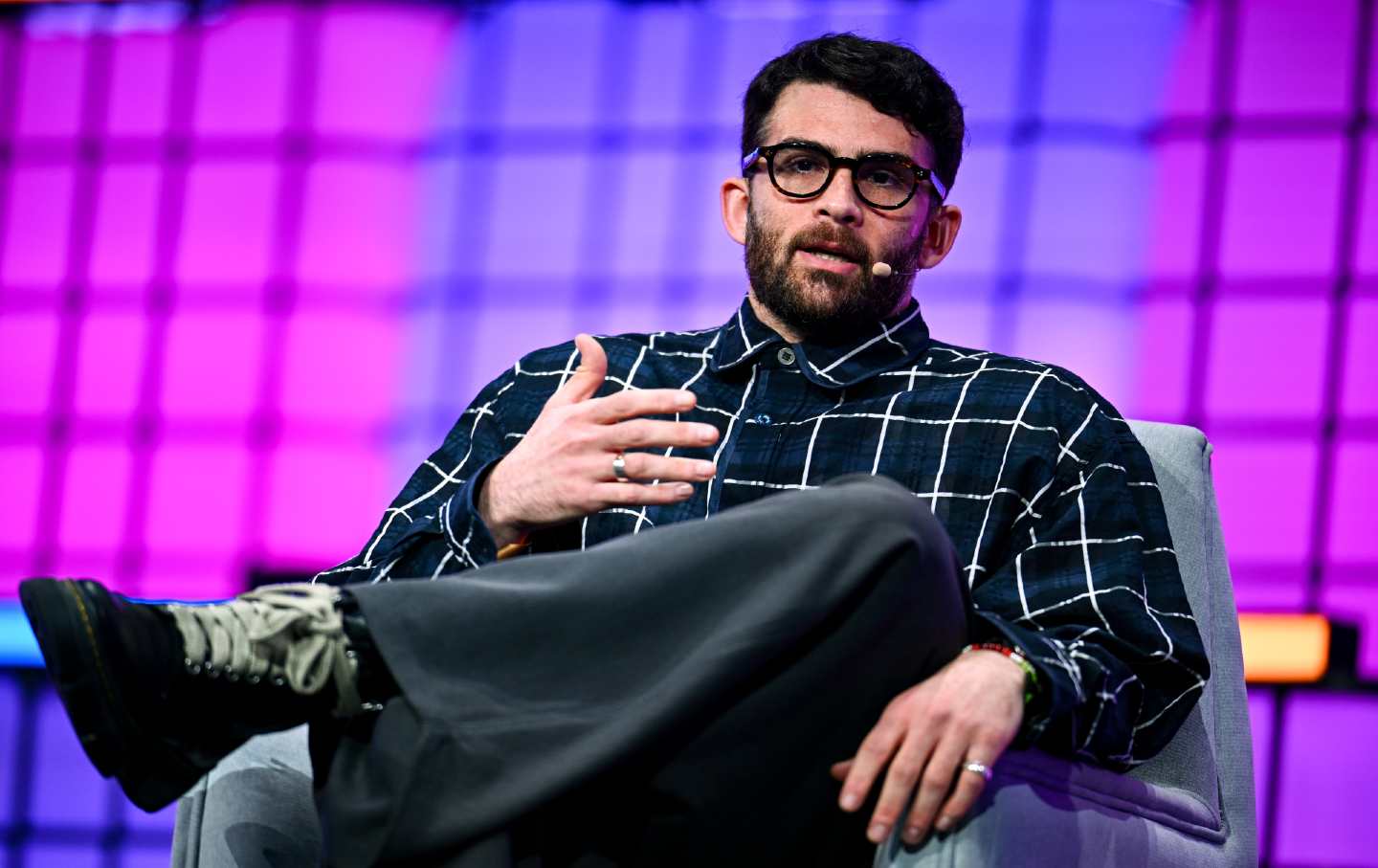
Hasan Piker and the Democrats’ Edgelord Dilemma Hasan Piker and the Democrats’ Edgelord Dilemma
The gaming streamer has become a big headache for Michigan US Senate candidate Abdul El-Sayed—but that’s the risk of targeting a campaign at younger, terminally online voters.
Hope Springs Eternal Hope Springs Eternal
But there’s much to do. Let’s get to work!

