(Larry Towell / Magnum Photos)
Society / Photo Essay / November 8, 2024

Holding On to Indigenous Heritage in Georgia

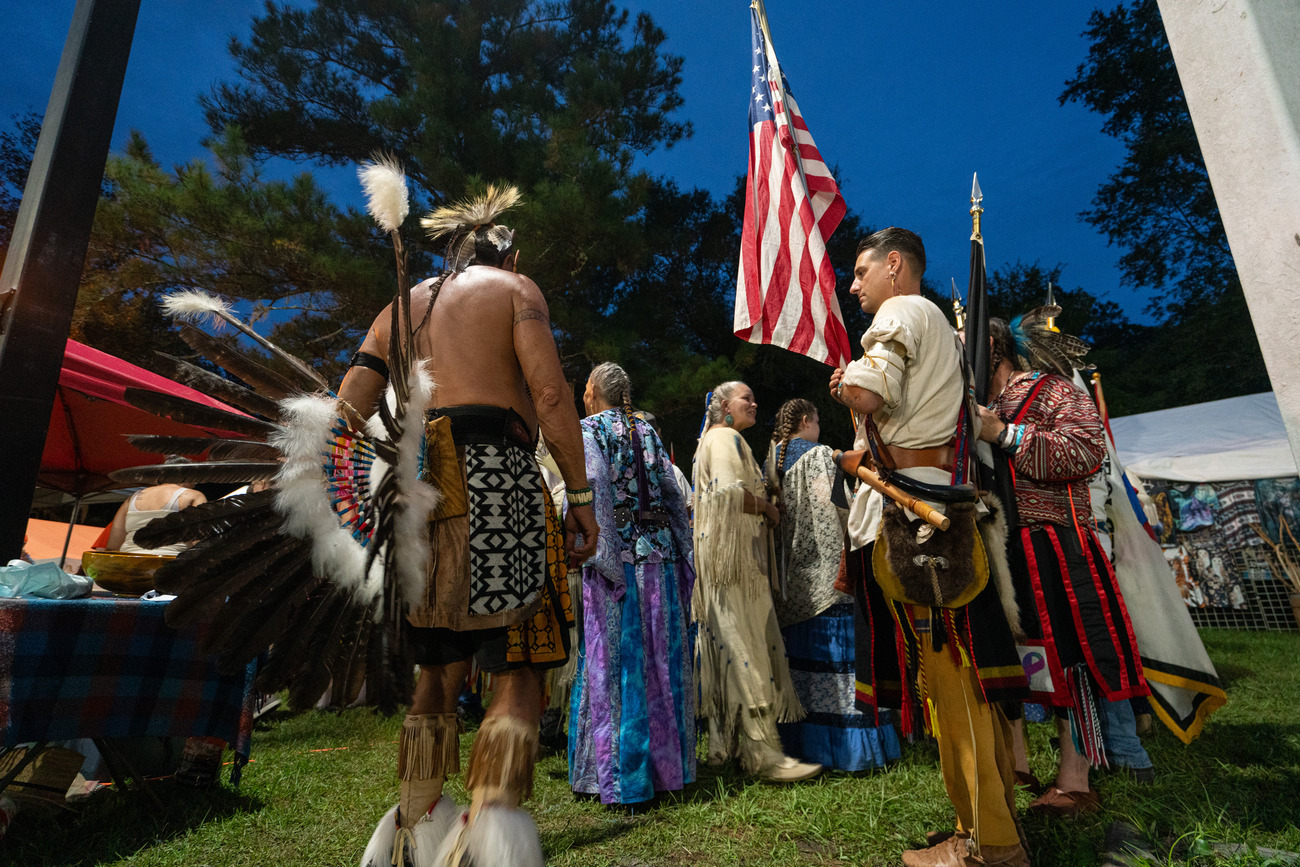
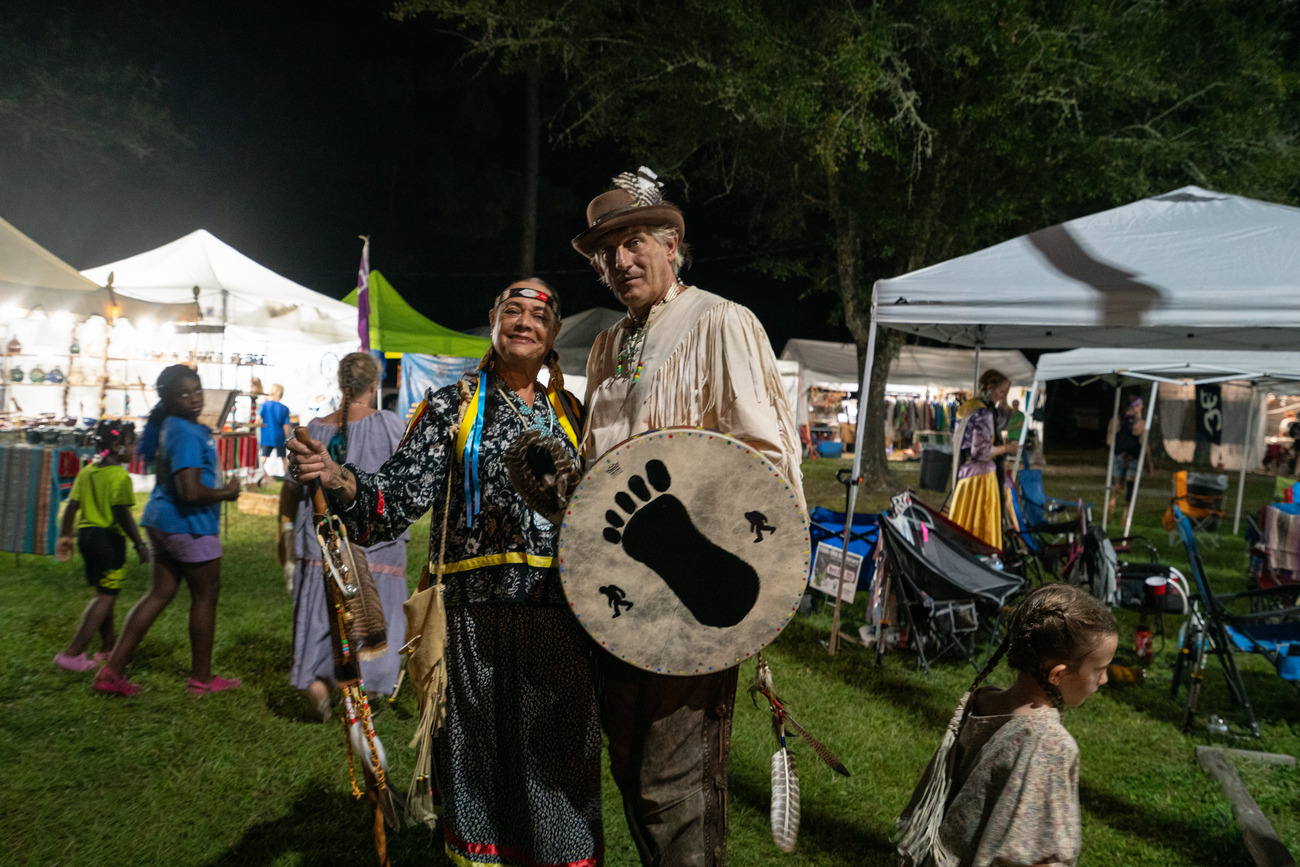
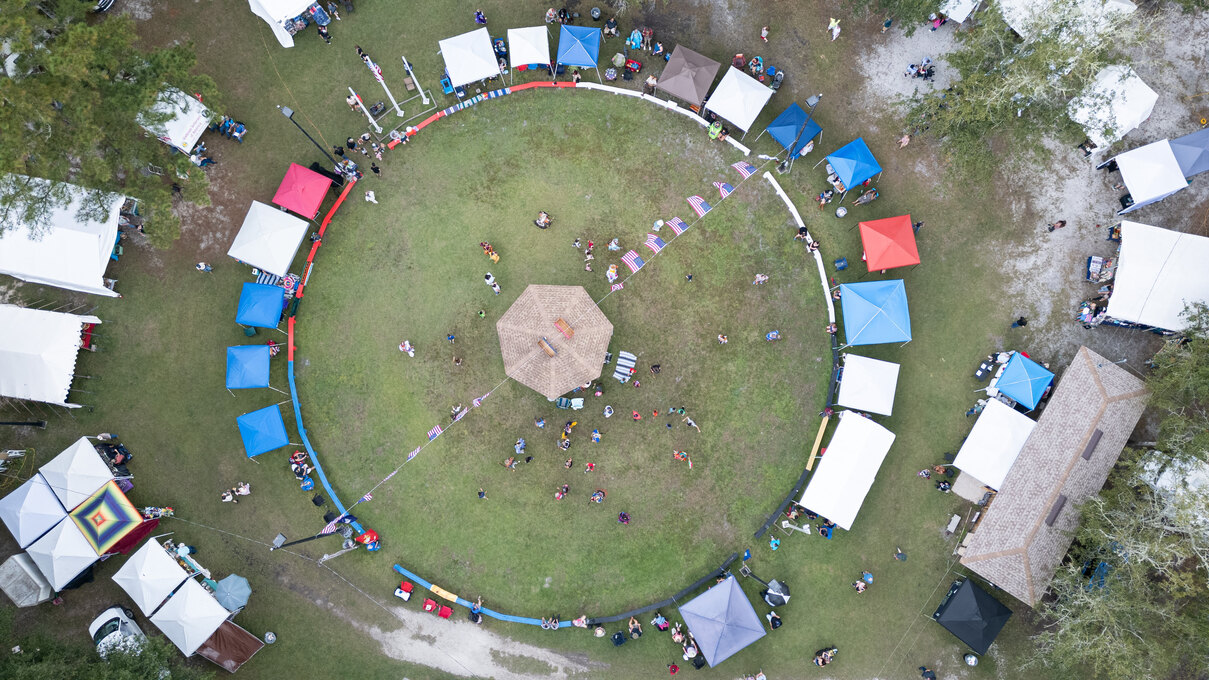
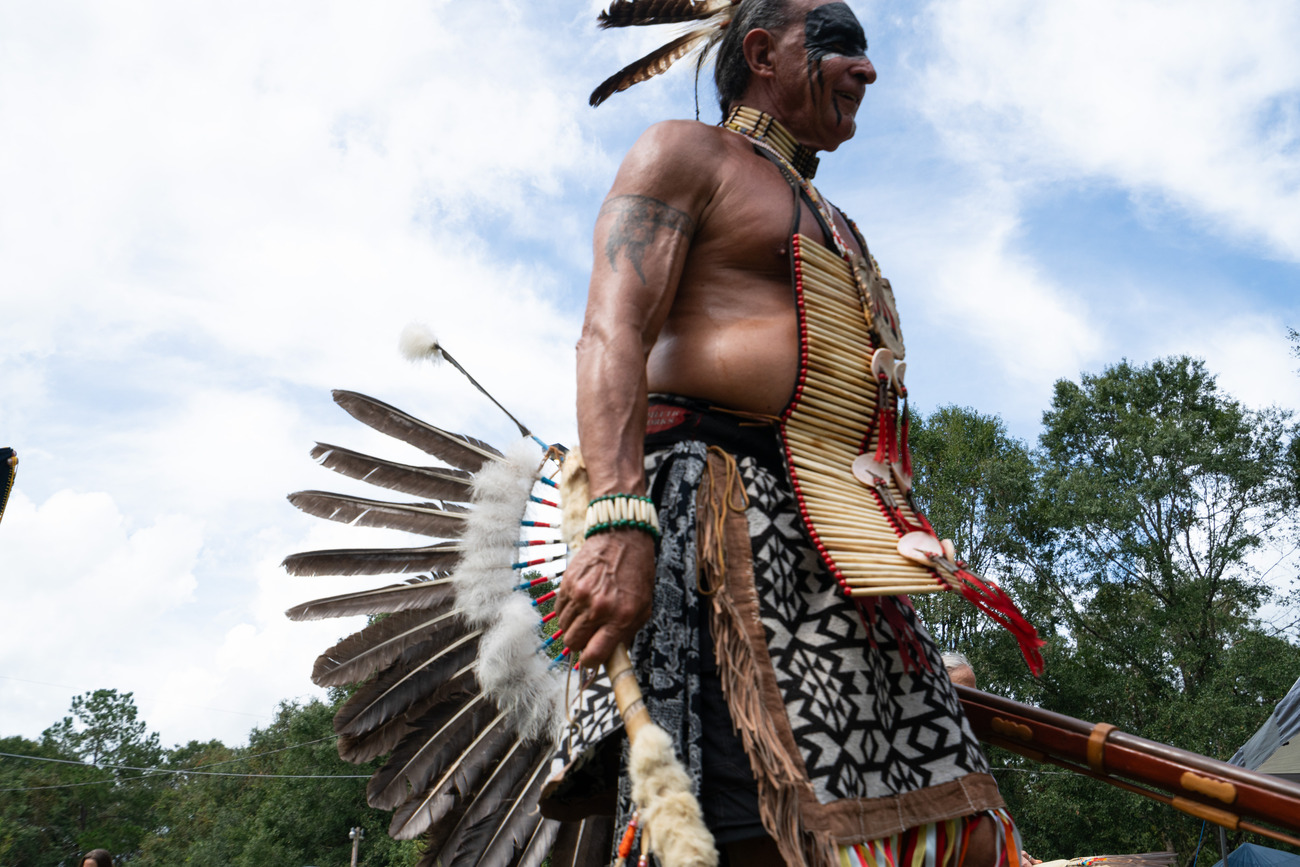
Although Georgia is often left out of the Native American narrative, a small but mighty community in the state is keeping a strong grip on its culture and history.

Story by Sheena Roetman-Wynn and Photographs by Larry Towell

In many Indigenous cultures, time is cyclical, not linear like in Western traditions. And so to begin the story of Georgia’s Indigenous people, we will start at the end. Which is to say, we’ll start from today and work backward.

While there are currently no federally recognized tribes in Georgia, 2020 Census data tells us more than 214,000 self-identified Indigenous people reside here. Although the past few years have brought long-overdue visibility to Indigenous peoples around the world, Georgia very much remains an oft-forgotten part of our story.
(Larry Towell / Magnum Photos)

The momentum of recent global racial justice movements combined with the local efforts to stop “Cop City” in Atlanta has led to more attention being paid to Indigenous issues in the region by teachers, nonprofits, city and state representatives, and others. This, in turn, opened up avenues for further conversation and growth, particularly surrounding the continued use of a racially based mascot by Atlanta’s Major League Baseball team, the Braves.

Georgia’s Native American population is as diverse as you might expect, and as Atlanta’s metro area continues to grow and attract people from all over, tribal diversity in the area grows and expands as well.

The state does recognize three tribes: the Cherokee of Georgia Tribal Council, the Georgia Tribe of Eastern Cherokee, and the Lower Muscogee Creek Tribe. While many Native Americans are enrolled citizens of their tribes (regardless of federal recognition status), others are not, due to individual tribal restrictions on membership. Most tribal citizens can vote in their tribal elections even if they don’t live on their reservation.
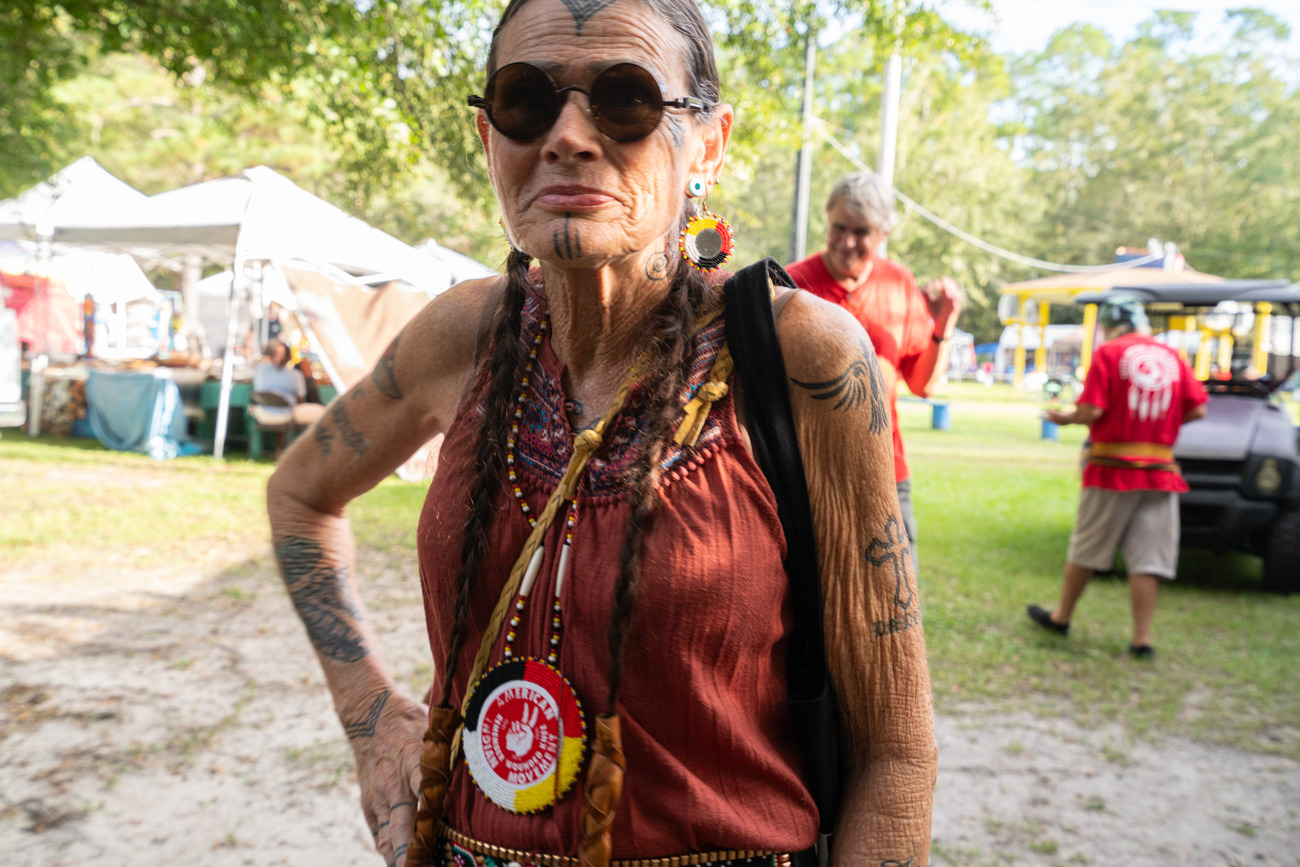
(Larry Towell / Magnum Photos)

Native Americans didn’t become United States citizens until 1924, when President Calvin Coolidge signed the Indian Citizenship Act. His inspiration is often attributed to the high number of Native Americans who enlisted in the armed forces during World War I, and it would still be some time before Natives gained full civil rights via the Indian Civil Rights Act of 1968.

Almost 100 years earlier, in 1834, four years after President Andrew Jackson successfully passed the Indian Removal Act, the forced removal of Creek citizens began in Georgia, with the removal of the Cherokee beginning in 1838. In the end, more than 60,000 people would be forced from their homes in the Southeastern United States.
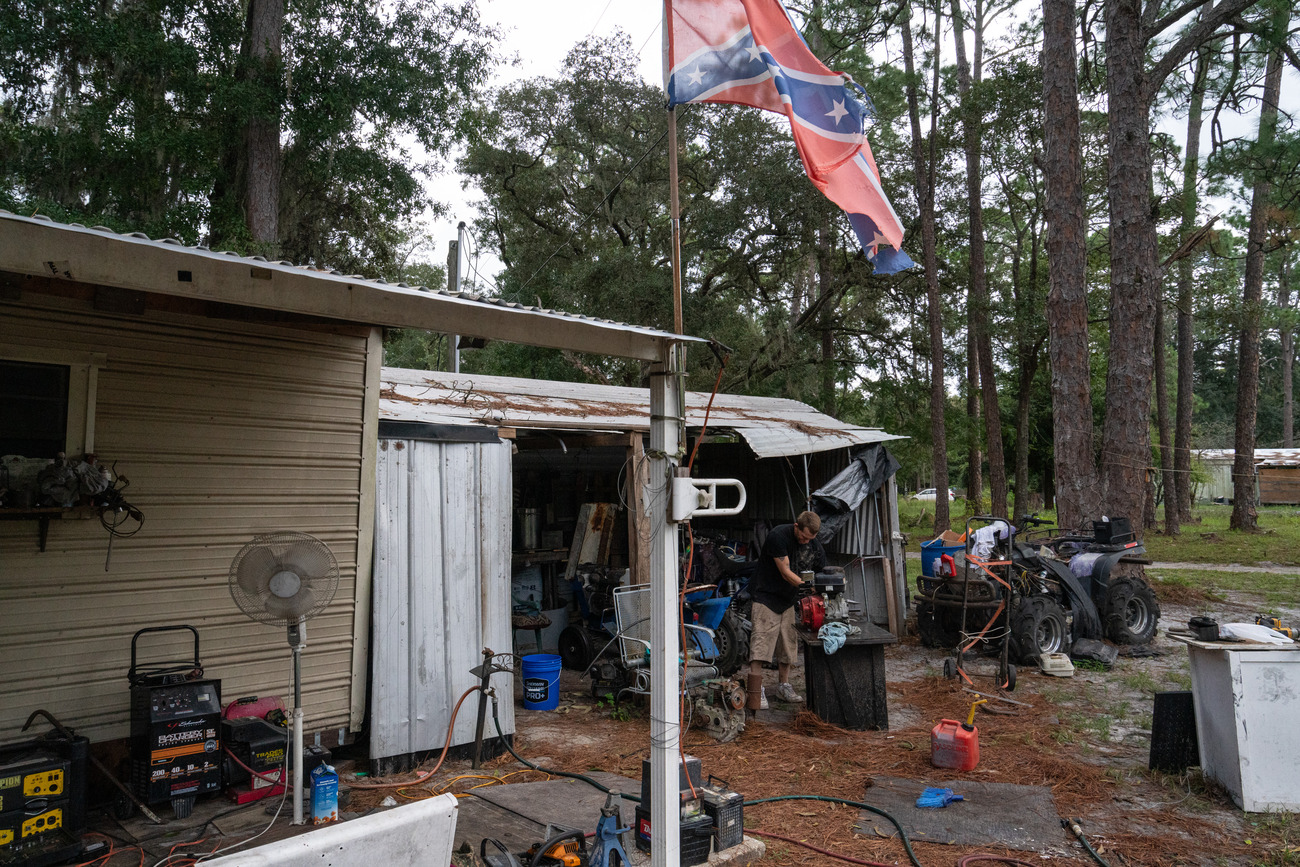
(Larry Towell / Magnum Photos)

Just before President Jackson’s congressional success, in 1828, the General Council of the Cherokee Nation established a printing press in New Echota, Georgia. The Cherokee Phoenix, published in both Cherokee and English, was the first Native American newspaper in the country.

The land that now makes up the state of Georgia is itself a reflection of the rich history and cultural legacy of the area’s Original Peoples. From mound complexes such as Ocmulgee and Etowah to other sites scattered across the state, these locations provide insight into the lives, beliefs, and traditions of the Indigenous peoples who have lived here for thousands of years.
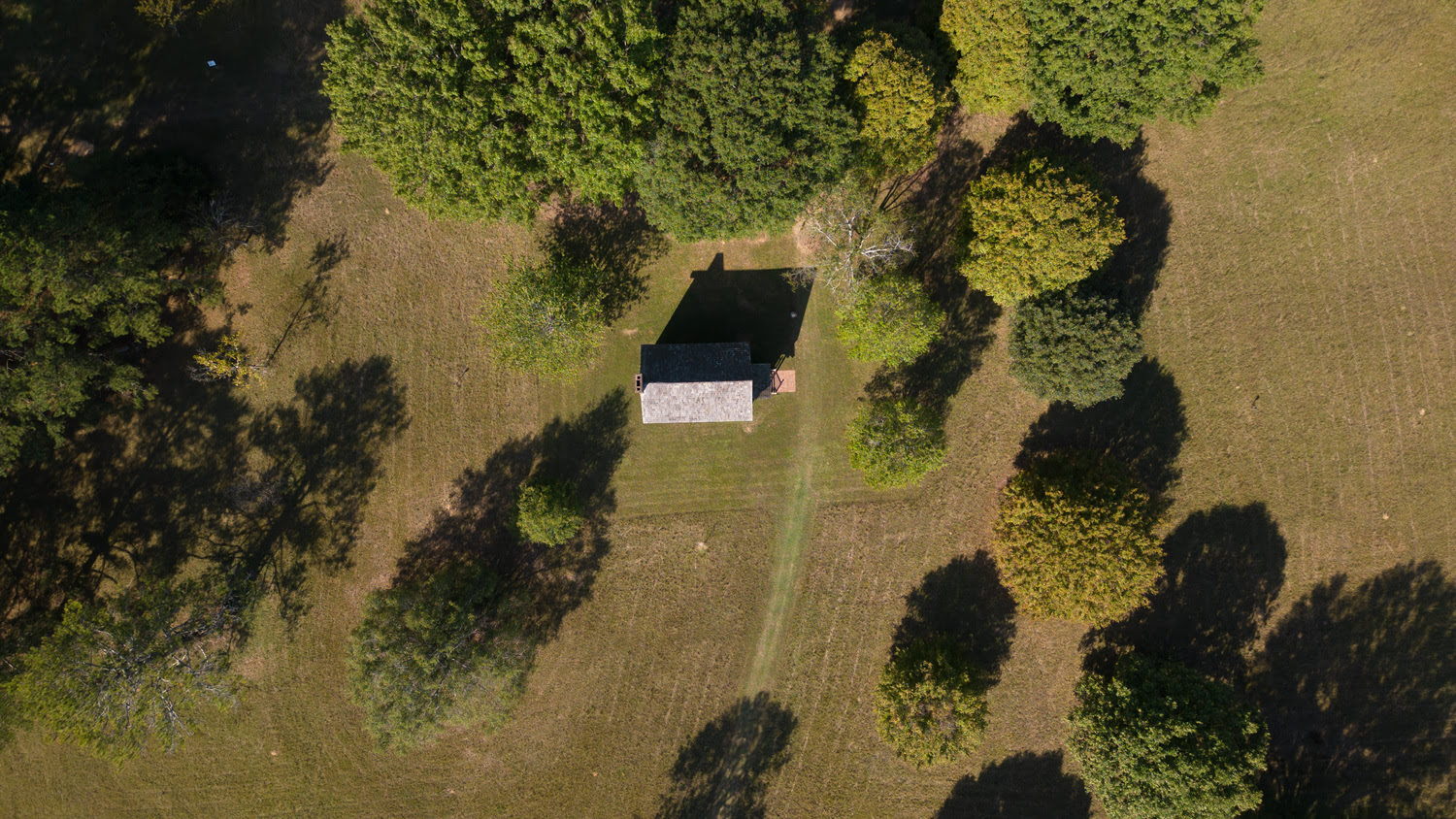
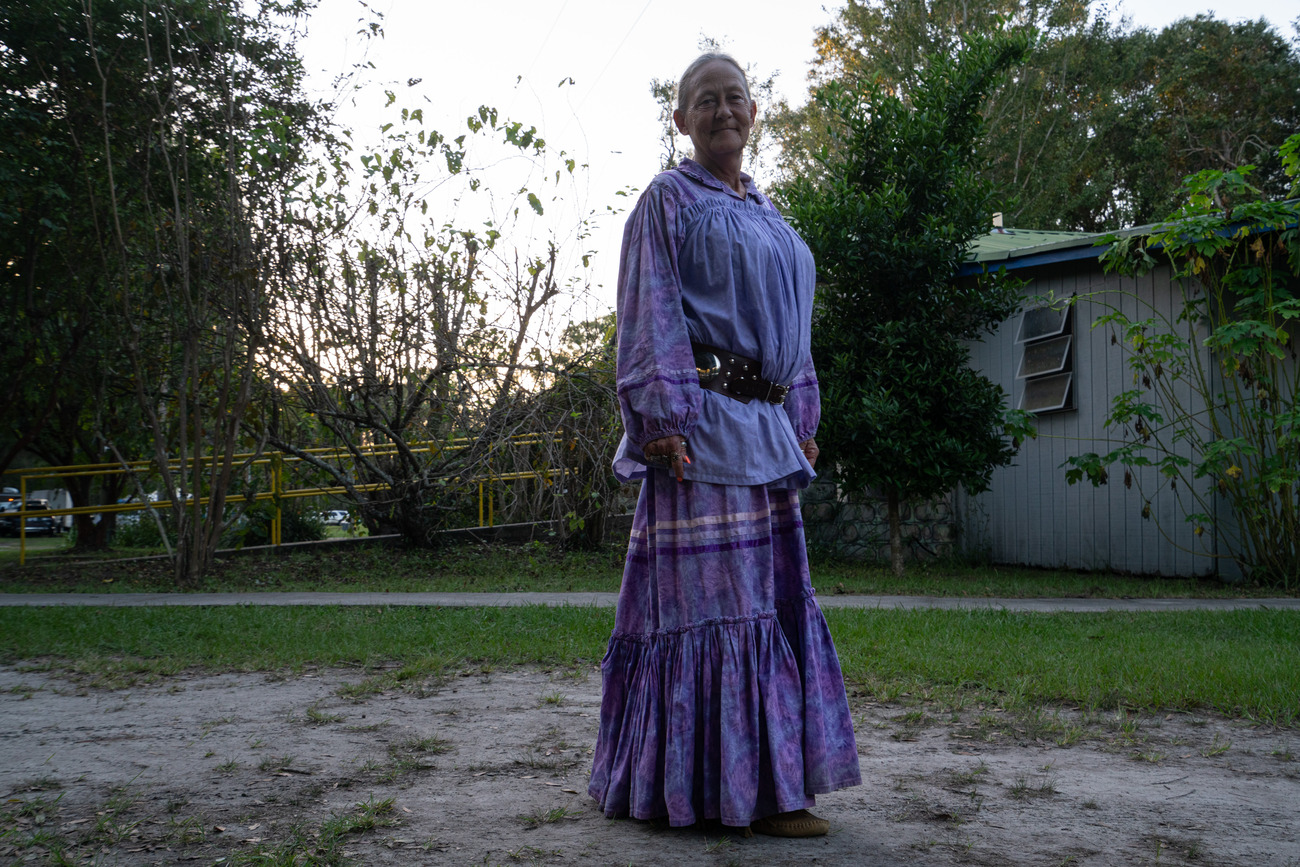
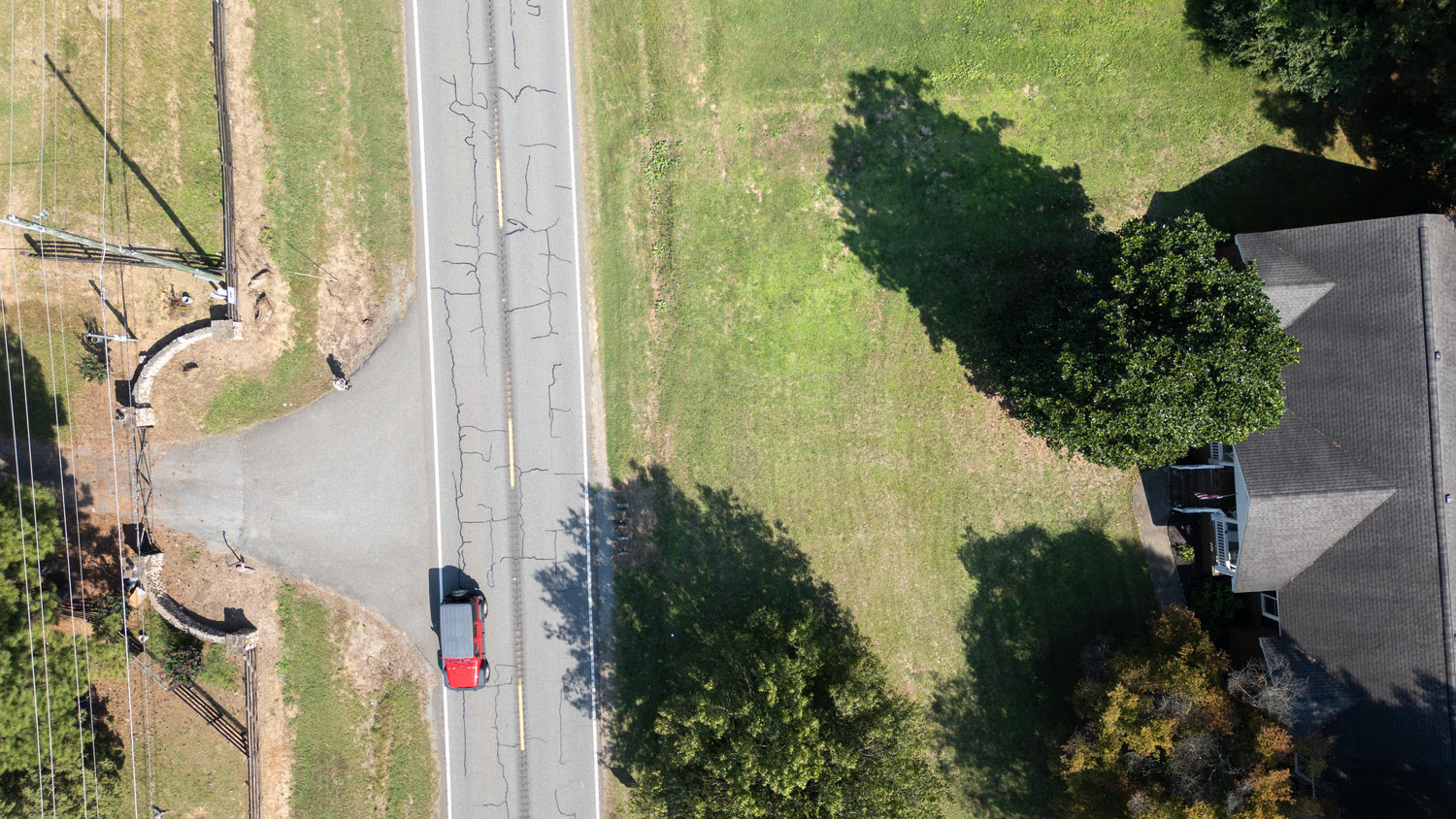
New Echota, “the Town That Disappeared.” Originally established in 1825 as the seat of government for the Cherokee nation it was also the site of the first Indian-language newspaper and the first Native American courthouse and one of the earliest experiments in national self-government by an Indian tribe. The treaty of New Echota was signed here in 1835, relinquishing Cherokee claims to land east of the Mississippi and beginning the forced removal of the Cherokee. The village became a ghost town and its land was given away to white settlers in a lottery. Calhoun, Georgia. October 2024.(Larry Towell / Magnum Photos)
(Larry Towell / Magnum Photos)
Cherokee Trail of Tears location on current Highway 411 indicating a section of the road once part of the trail. The Cherokee Nation, along with some slaves and Creek travelled by horseback, wagon, and on foot. Approximately 4,000 perished of hunger, cold and disease. Rome, Georgia. October 2024.(Larry Towell / Magnum Photos)
(Larry Towell / Magnum Photos)
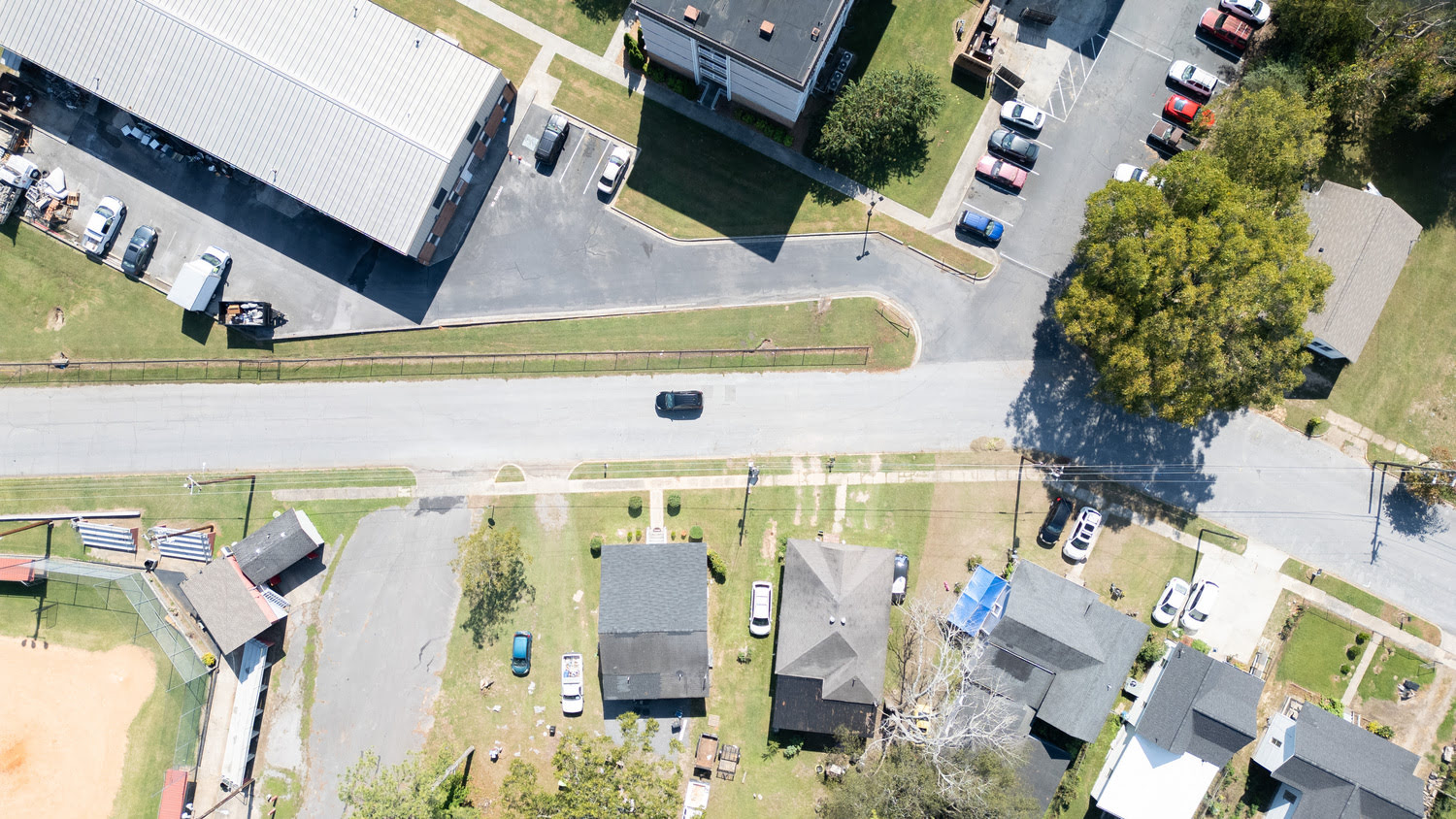
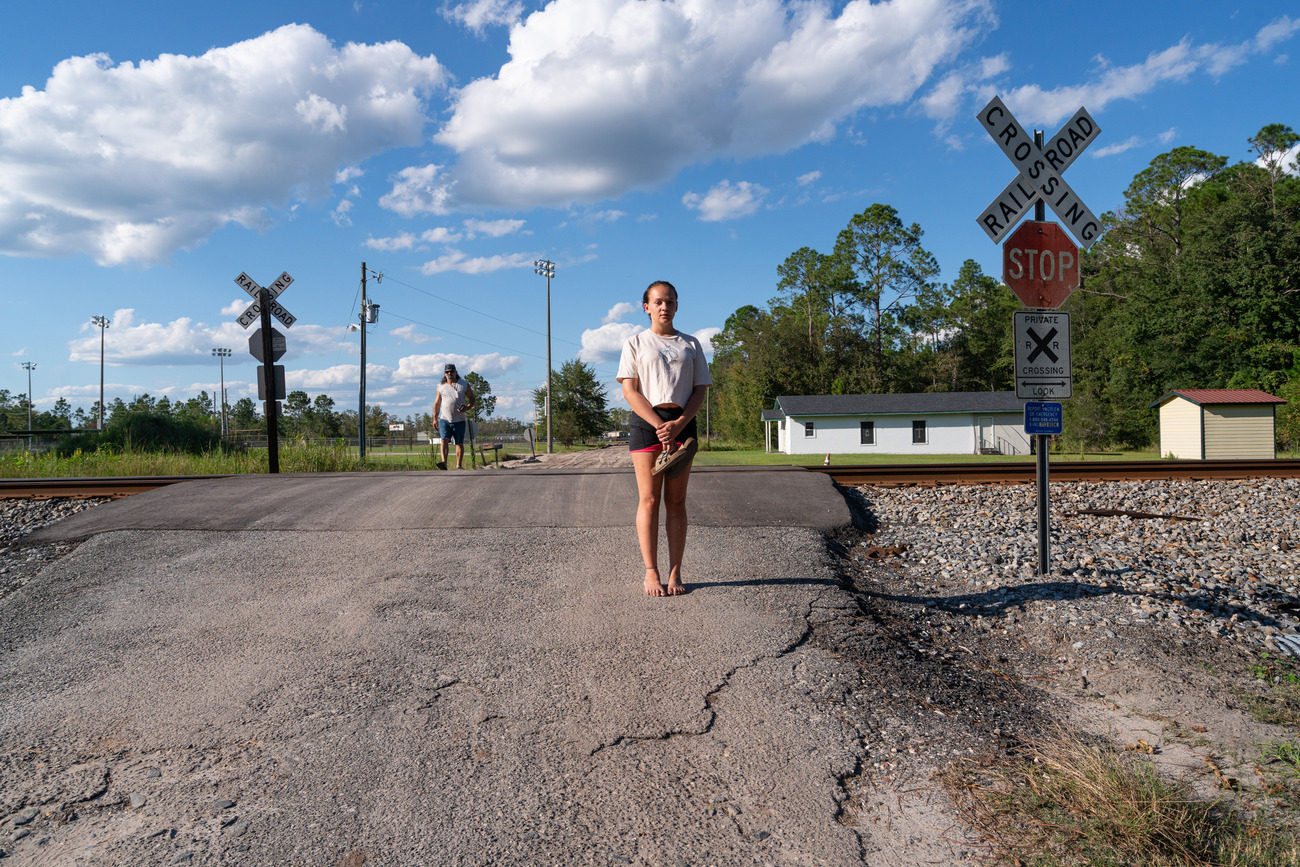
The current location of what was once Cedar Town Camp. It was the first military post and detention center built to imprison the Cherokee before they were moved to other locations for removal on the Trail of Tears. Seven thousand federal and state troops had been ordered into the Cherokee Nation for forced eviction. On May 26, 1838, the roundup began. They were taken at gunpoint from their homes and fields, disallowed from taking any possessions and imprisoned in stockades until their removal to the west. Their houses were burned behind them. Cedar Town, Georgia. October 2024.(Larry Towell / Magnum Photos)
(Larry Towell / Magnum Photos)
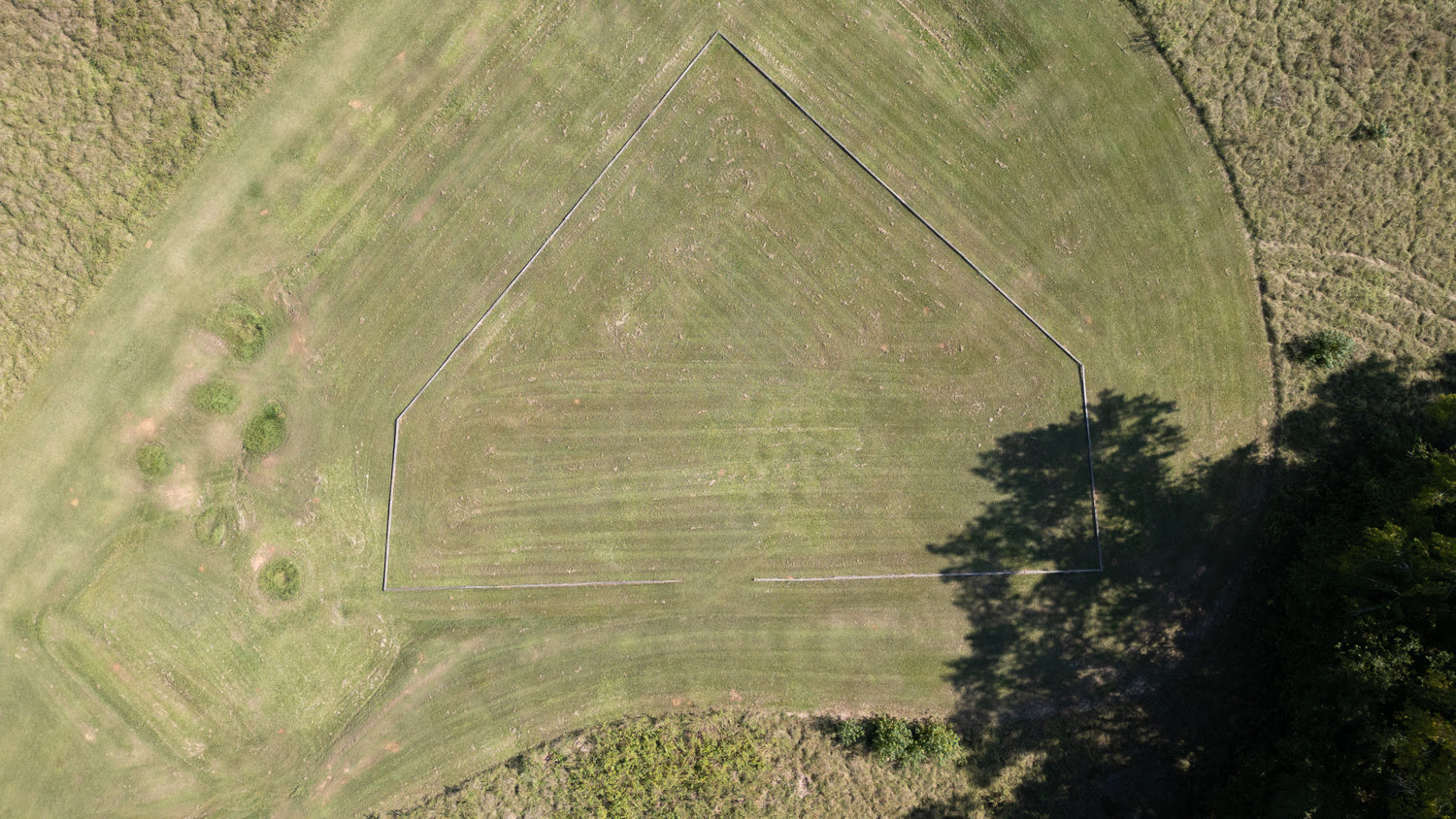
Ocmulgee site. Delineation of original plaza area, which later became a trading post. The site had been visited by Spanish conquistador Hernando de Soto in the 16th century, who unintentionally left behind European disease killing of 80–90 percent of the population. The Ocmulgee site preserves the 17,000-year record of human habitation in the American southwest. Last inhabited by the Muscogee Creek who refused to give up their land, known as the Ocmulgee Oil Fields, were sent to ‘Indian Territory” (present-day Oklahoma) on the the Trail Of Tears. Macon, Georgia. October 2024.(Larry Towell / Magnum Photos)
(Larry Towell / Magnum Photos)
Sheena Roetman-Wynn

Sheena Roetman-Wynn is a freelance writer and editor, and the education manager at the Indigenous Journalists Association.

Larry Towell

Larry Towell is known for his coverage of historical events, human rights and conflict, complemented by personal projects that have resulted in 16 books and several music projects and films.

More from The Nation

Tech overlord Peter Thiel, in a more cosmically sanguine moment, addresses a cryptocurrency conference in 2022.

What’s Really Behind Peter Thiel’s Panicked Move to Argentina What’s Really Behind Peter Thiel’s Panicked Move to Argentina

Some tech observers think that the Palantir overlord sees the end times coming, but his real motivation is likely much more mundane and self-interested.

David Futrelle

Bruce Springsteen and the E Street Band in concert at Nationals Park on May 27, 2026, in Washington, DC.

Bruce Springsteen Gave Us Exactly What We Need Right Now Bruce Springsteen Gave Us Exactly What We Need Right Now

His just-finished tour was a cleansing, healing experience—and a morale-boosting call to arms for everyone fighting for our democracy.

Joan Walsh

Fascists Try to Write Trans People Out of the “Natural Order.” The Earth Disagrees.

Fascists Try to Write Trans People Out of the “Natural Order.” The Earth Disagrees. Fascists Try to Write Trans People Out of the “Natural Order.” The Earth Disagrees.

The vast majority of life on earth exists outside of sex and gender binaries—despite what the right likes to claim.

Willow Schenwar

Annie Leonard and André Carothers

“Amazon Is the New Slavery”: Chris Smalls on the Labor Fight of a Lifetime “Amazon Is the New Slavery”: Chris Smalls on the Labor Fight of a Lifetime

A conversation with the labor organizer about his new book, When The Revolution Comes: A Fight for the Future of the Working Class.

Q&A / Sara Franklin

Pamela Colloff, author of the book “Catch the Devil,” on a panel

How America’s Courts Fell for a Con Man How America’s Courts Fell for a Con Man

In her new book, Catch the Devil, reporter Pamela Colloff traces the life and crimes of a mendacious jailhouse informant and exposes the systems that allowed him to walk free.

StudentNation / Henry Fernandez

Brad Lander, former New York City comptroller and current NY-10 congressional candidate, speaks to hundreds of picketing public defenders and advocates on May 18 outside the Kings County Criminal Court, where Samantha Randazzo had been forced to give birth days before. Lander called for improved treatment of pregnant people in custody, describing Randazzo's experience as “extraordinarily egregious” and “something that should shock the conscience of all New Yorkers.”

Why the Brooklyn Courtroom Birth Was the Last Straw for Public Defenders Why the Brooklyn Courtroom Birth Was the Last Straw for Public Defenders

“What occurred in that courtroom was not simply a failure of protocol or preparedness. It was....a devastating reflection of the cruelty embedded in our carceral system.”

Sophie Mann-Shafir