
The High Cost of Biden’s Policy of Unconditional Support for Israel
Beyond hobbling Kamala Harris’s campaign, Biden is leaving behind a disaster that will last decades.
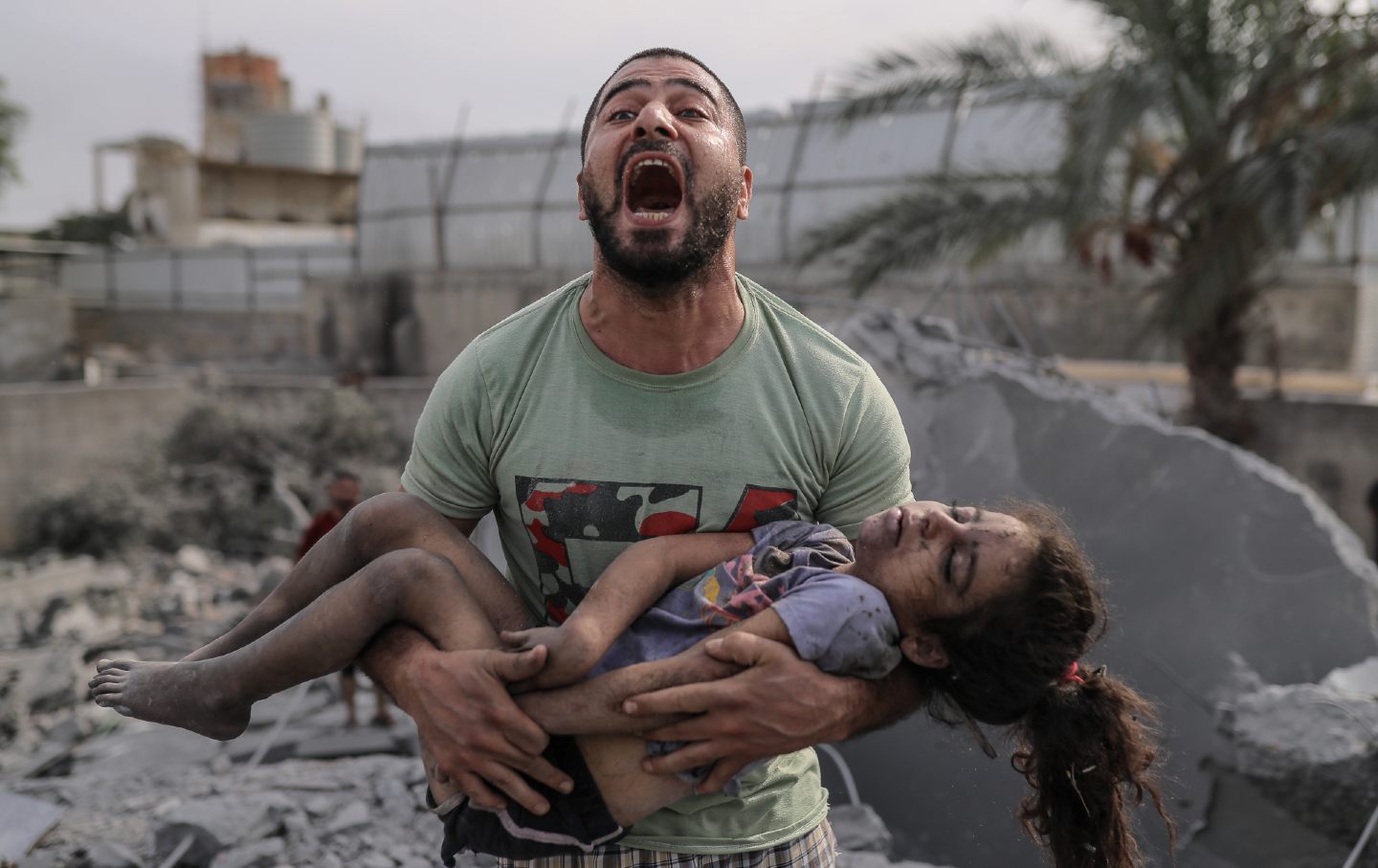
For Joe Biden, words and actions never need to match up when it comes to handling America’s relationship with Israel. In fact, Biden has a peculiar tic: He’ll grouse in private about Israeli Prime Minister Benjamin Netanyahu, and even make public speeches advising Israeli restraint. But these words will never result in any action showing that he’s serious.
Bob Wordward’s new book, War, is full of fulminations from the American president about the Israeli leader. As CNN reports, “Woodward describes the roller-coaster relationship between Biden and Netanyahu. While Biden supported Israel publicly, he fought with Netanyahu behind the scenes over how Israel was conducting the war in Gaza.” Earlier this year, Biden told his aides, “That son of a bitch, Bibi Netanyahu, he’s a bad guy. He’s a bad fucking guy!” When Israel sent troops into Rafah even after Biden had said that going into that city was a red line it shouldn’t cross, Biden said, “He’s a fucking liar.” Biden told Netanyahu, “Bibi, you have no strategy.” Biden also said to the Israeli prime minister, “You know the perception of Israel around the world increasingly is that you’re a rogue state, a rogue actor.”
Woodward’s account lines up with a Politico report earlier this month that “Biden told confidants that he did not believe his Israeli counterpart wanted a cease-fire deal, arguing that Netanyahu was trying to perpetuate the conflict to save his political future and assist Trump in November’s election.”
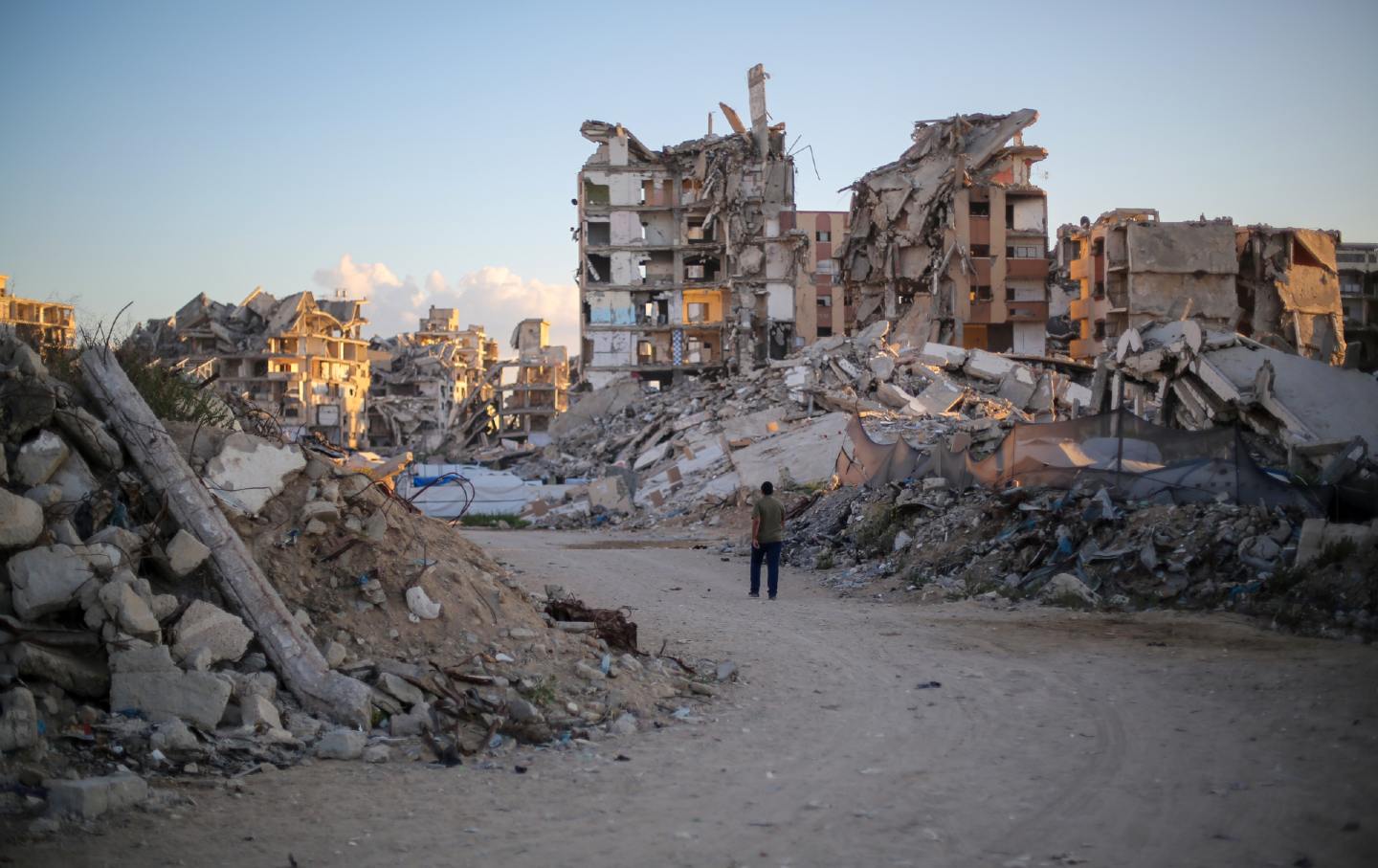
Despite Biden’s acrimonious views of Netanyahu, the American president has spent the last year acceding to every escalation of the conflict by Israel, which has seen an already horrific and disproportionate retribution on Gaza turn into a regional war, with an ongoing occupation of Lebanon and a rising cycle of tit-for-tat retaliation against Iran.
Biden was surely right to fear that Netanyahu is using the war for his own political ends—which includes helping Trump win the presidency. But in achieving those goals, Netanyahu couldn’t have hoped for a more compliant accomplice than Biden himself, who has showered Israel with a record $17.9 billion in military aid as well as protecting Israel from facing any diplomatic or legal consequences from international organizations and allowing Israel to cross every red line Biden claimed was inviolable.
In the process, Biden has made himself look weak and hurt the election chances of Vice President Kamala Harris. Polls show a close election, and Harris has been lagging with groups who are opposed to Biden’s Middle Eastern policy, not just Arab Americans (a crucial demographic in the swing state of Michigan) but also young people more broadly.
The electoral consequences, however important, actually understate the damage Biden has done. Biden’s unconditional support for Israel is the greatest American foreign policy disaster since the Iraq War (which Biden also supported). Like the Iraq War, it is a catastrophe whose impact will be felt for decades to come in the destabilization of the Middle East and the international order.
Writing in The New Republic, Matt Duss, executive vice president of the Center for International Policy, observed:
Biden wasn’t hoodwinked by Netanyahu any more than he was by George W. Bush when he chose to back the Iraq War. He chose this path, and stayed on it despite constant warnings of exactly where it was leading. Having done so, when he exits the White House, he and his team will leave this world a more dangerous and lawless place, America’s credibility more broken, the so-called “rules-based order” even more “so-called” than when he entered.
Duss cites a pertinent analysis from Lara Friedman of the Foundation for Middle East Peace finding that Biden has created a new set of rules for war. As Friedman rightly observes: “The costs of these new rules of war will be paid with the blood of civilians worldwide for generations to come, and the U.S. responsibility for enabling, defending, and normalizing these new rules, and their horrific, dehumanizing consequences will not be forgotten.”
Hala Rharrit, a career diplomat who resigned from the State Department in April in protest against Biden’s policies, grappled with the long-term consequences of Biden’s coddling of Israeli militarism. Writing in The National, Rharrit points out:
This failed and intransigent Biden-Harris policy has not achieved any of its stated objectives, most notably the release of all Israeli hostages or the destruction of Hamas. It is only ensuring a never-ending cycle of violence, revenge, extremism and hate. The generational trauma that the children of Gaza, the West Bank and now Lebanon are experiencing will have an enduring impact.
Despite the fact that Biden has utterly failed on his own terms, there is little hope of a course correction in the short term. Donald Trump is at least as committed to giving Israel a free hand against its neighbors as Biden has been, sharing the bipartisan dream of a Saudi-Israeli defense pact that secures permanent American hegemony in the Middle East. Kamala Harris is in the awkward position of having become the Democratic Party presidential nominee without a primary, so has been loath to distance herself from Biden in any way. While it is possible that once she is president Harris will strike out on a different path, the bipartisan pro-Israel consensus and the institutional continuity of the foreign policy elite will make it difficult for her to break from her predecessor.
The anti-war movement is much weaker now than it was in the years following the Iraq War, when the fact that it was Republicans who launched and supported the war allowed anti-war sentiment to find a home in the Democratic Party. While there have been robust protests against Biden’s policies—especially on college campuses— many Democrats who are anti-war are reluctant to rock the boat in an election year. There’s been a noticeable dampening down of protests since Biden announced that he was abandoning his presidential bid.
The question is whether anti-war sentiment can revive if Harris is elected and Trump ceases to be force in presidential politics. If so, it’ll have to be an anti-war movement that is willing to challenge both political parties.
Joe Biden, despite his often estimable domestic achievements, is destined to be remembered for leaving behind a foreign policy disaster of truly epic proportions. Whoever wins the presidency will have to govern under the shadow of this catastrophe.
Popular
“swipe left below to view more authors”Swipe →More from The Nation

Progressives Are Backing Puerto Rican Independence. It’s About Time. Progressives Are Backing Puerto Rican Independence. It’s About Time.
More and more leftists are concluding that statehood for the island is not enough.
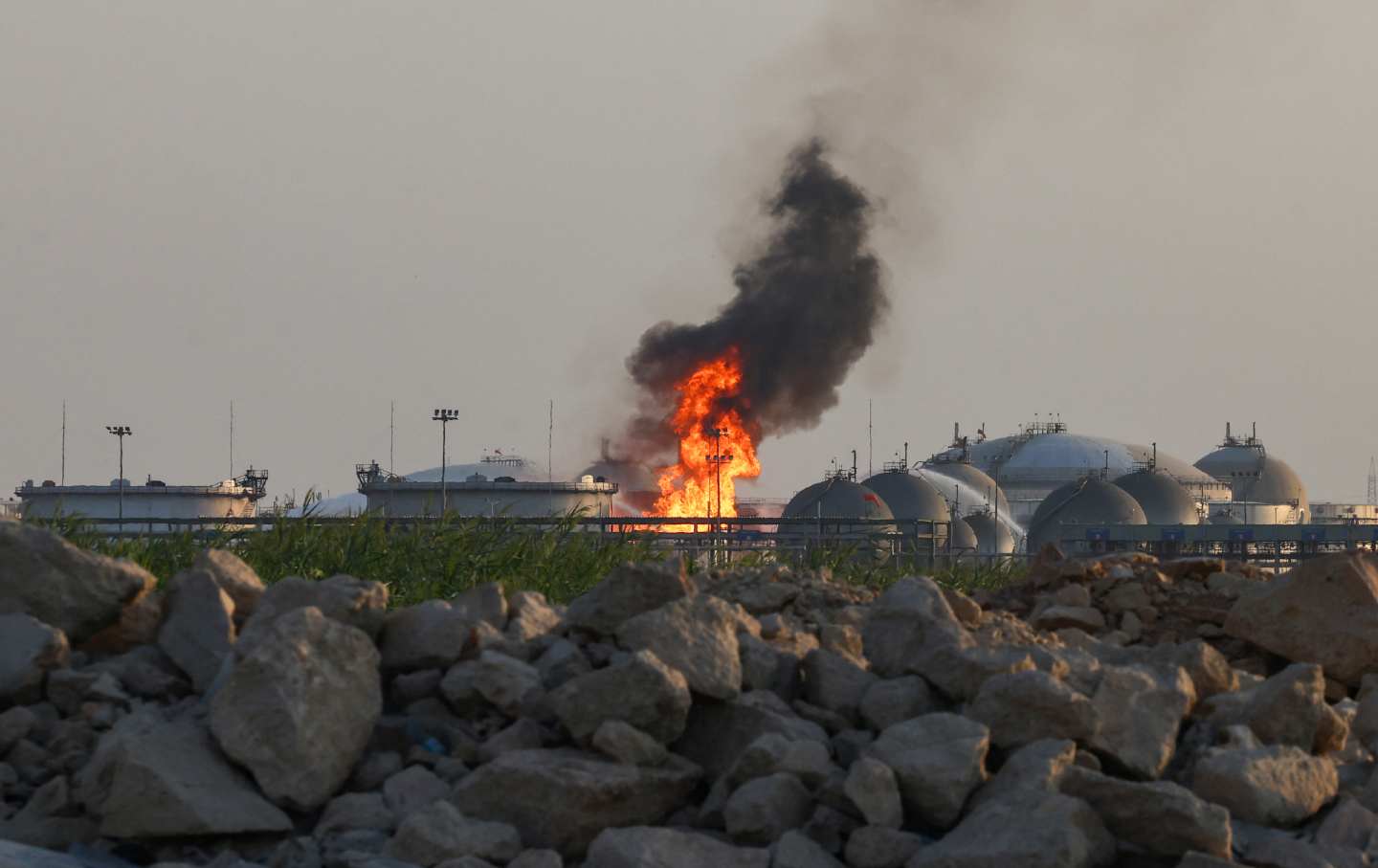
The Saudi Phase of the Iran War Signals More Chaos to Come The Saudi Phase of the Iran War Signals More Chaos to Come
The conflict that Donald Trump has repeatedly proclaimed an unequivocal American victory keeps spiraling out of control.
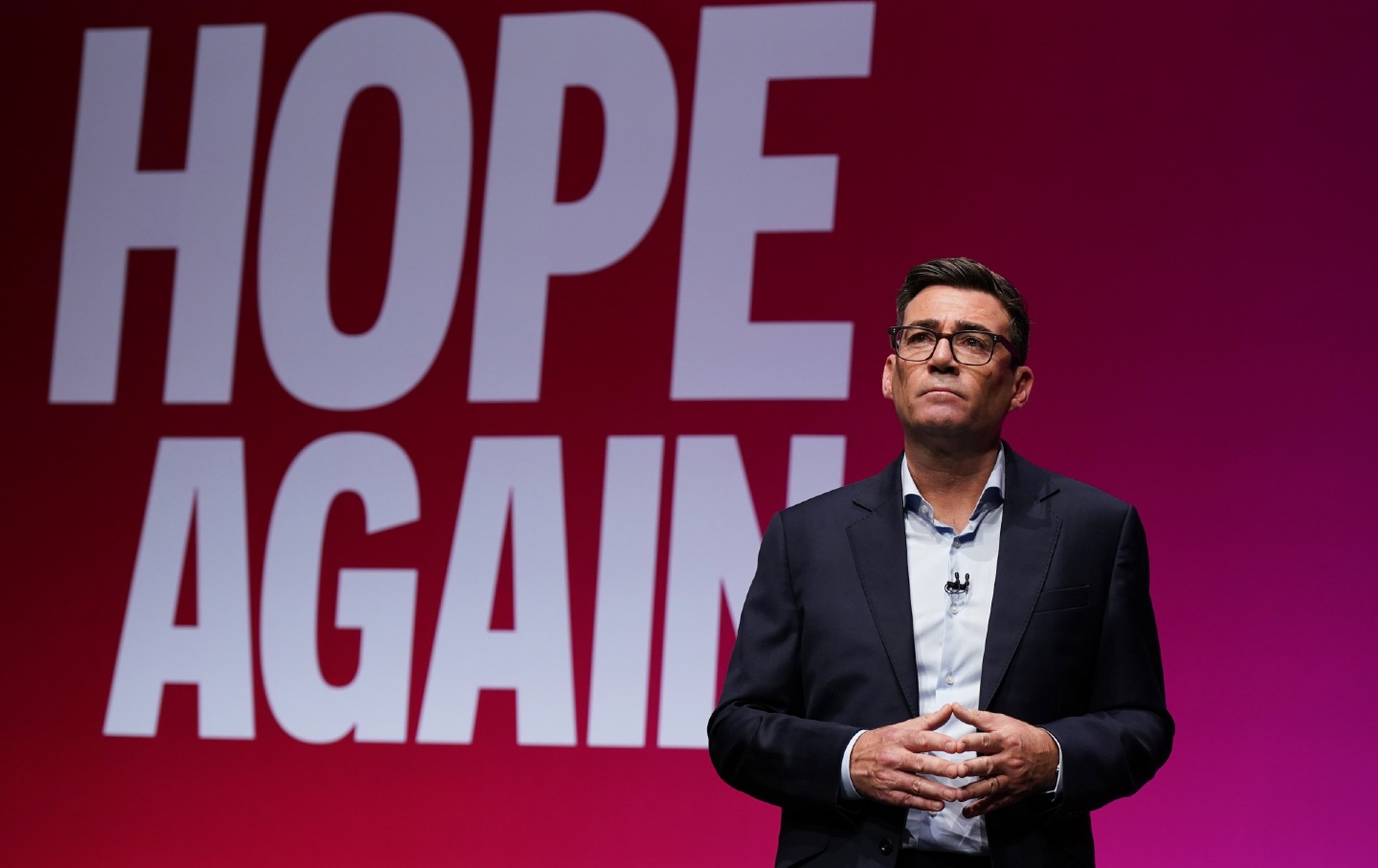
Andy Burnham’s Speech to the Labour Party Conference Could Be the Start of a Positive Social-Democratic Politics Andy Burnham’s Speech to the Labour Party Conference Could Be the Start of a Positive Social-Democratic Politics
But the autumn budget to be released at the end of October will offer needed details.
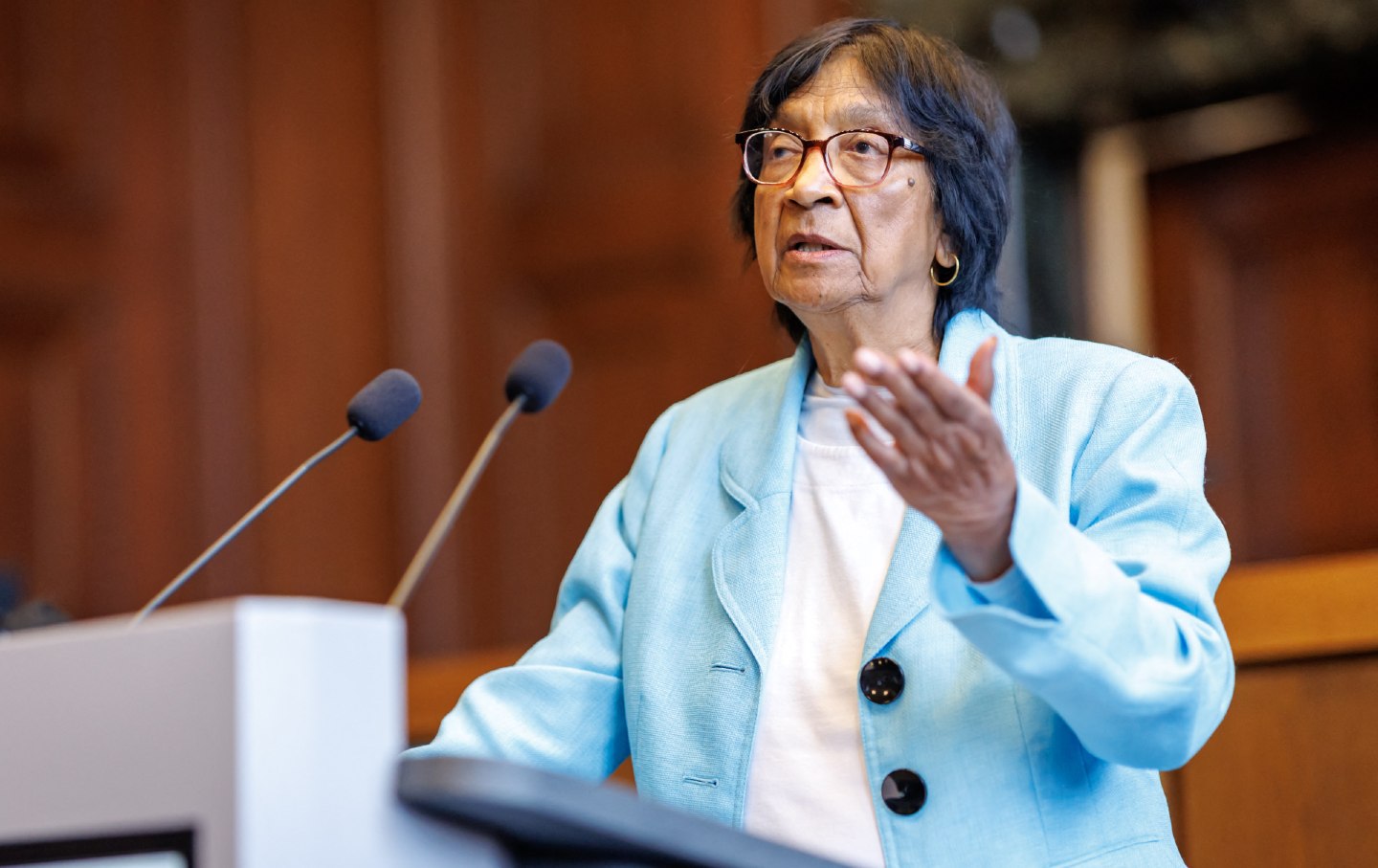
Why Navi Pillay’s Receiving the Nobel Peace Prize Is So Important Why Navi Pillay’s Receiving the Nobel Peace Prize Is So Important
She believes that human rights and international law are universal principles that must be enforced regardless of violator’s ideology, ethnicity, or geostrategic alignment.
Writing About War as Bombs Fall Writing About War as Bombs Fall
While the Israeli government launched a well-orchestrated offensive of disinformation and hyperbole that would make the illegal permissible in the war on Gaza.

