Congressional Support for a Cease-Fire Isn’t Too Much to Ask
Demanding that all 200 hostages be released as a condition for signing the cease-fire resolution is only an excuse to not sign it at all.
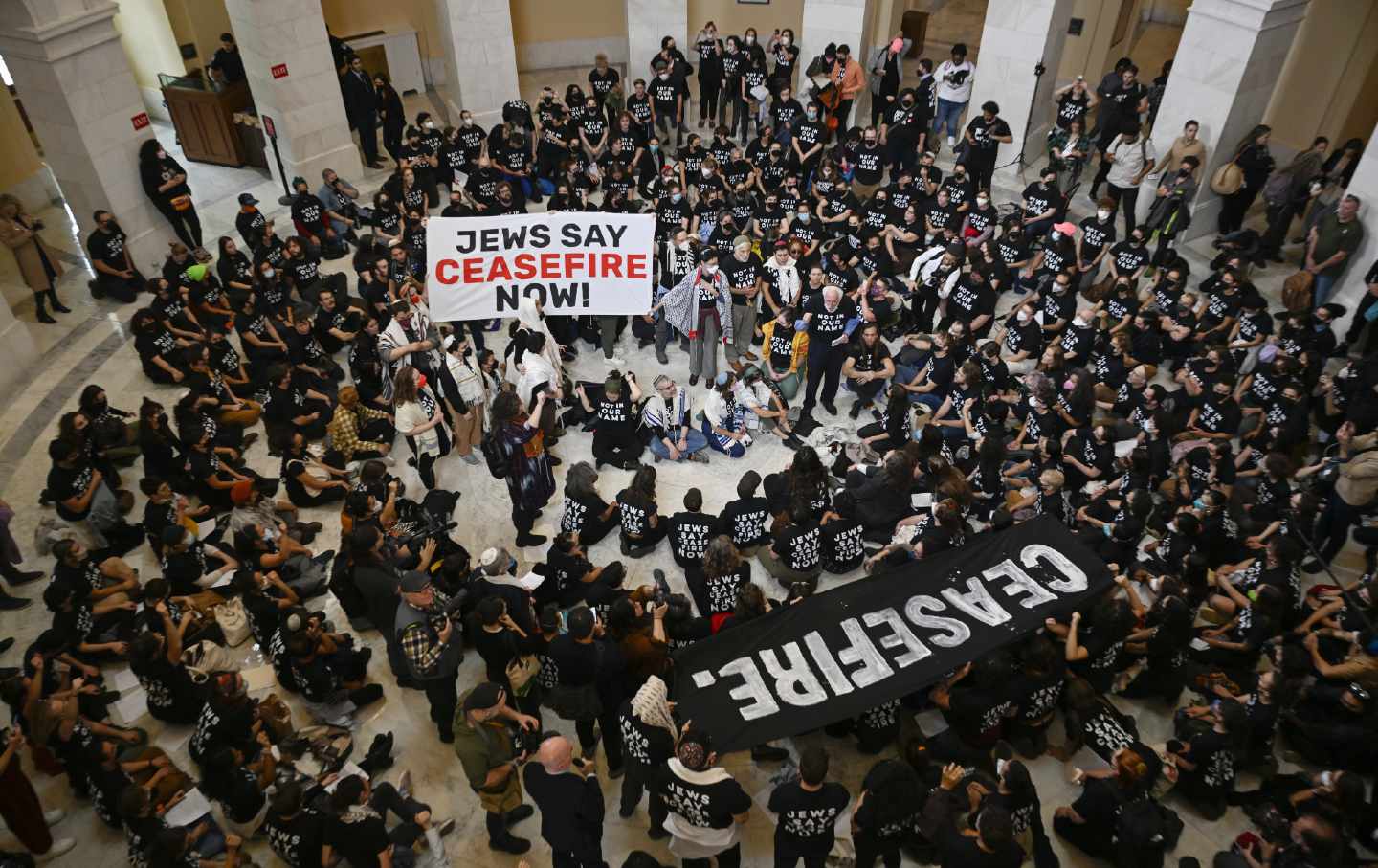
Police officers take a protester into custody as Jewish activists stage pro-Palestinian demonstration at United States Capitol building in Washington D.C., on October 18, 2023.
(Celal Gunes / Anadolu via Getty Images)On October 20, at a bookstore in Takoma Park, Md., I watched Representative Jamie Raskin speak to the people of his district. During the Q&A that followed, I asked why he had not signed the cease-fire resolution that was being passed around Congress calling for an immediate stoppage of Israel’s bombardment of Gaza. He answered that, while he was focused on getting humanitarian aid to Gaza, he would not sign any cease-fire resolution unless it included a demand for Hamas to free all 200 Israeli hostages. Immediately after he finished his passionate response, there was a smattering of applause. An exception was two people that started chanting, “cease-fire now.”
After the event, Raskin stayed behind for 40 minutes to speak with eight people outside—myself included—holding candles and signs, ready to argue with him about why he should support the resolution. Raskin reasserted that he supported aid to Gaza but was against a cease-fire without the hostages first being set free. He also took the discussion in other directions, from the formation of Hamas to the wide range of views on Israel/Palestine among his constituents. But through it all, when we redirected the discussion back to the resolution, Raskin insisted that he would endorse no cease-fire agreement that did not call for the releasing of hostages as a precondition for stopping Israeli hostilities.
It was an intense conversation. Since then, I’ve seen multiple other officials repeat his insistence on these same conditions: no cease-fire without the release of hostages. After several days of thinking this through, I believe that this argument is not only incorrect but also acts as a cover to not sign a cease-fire resolution at all.
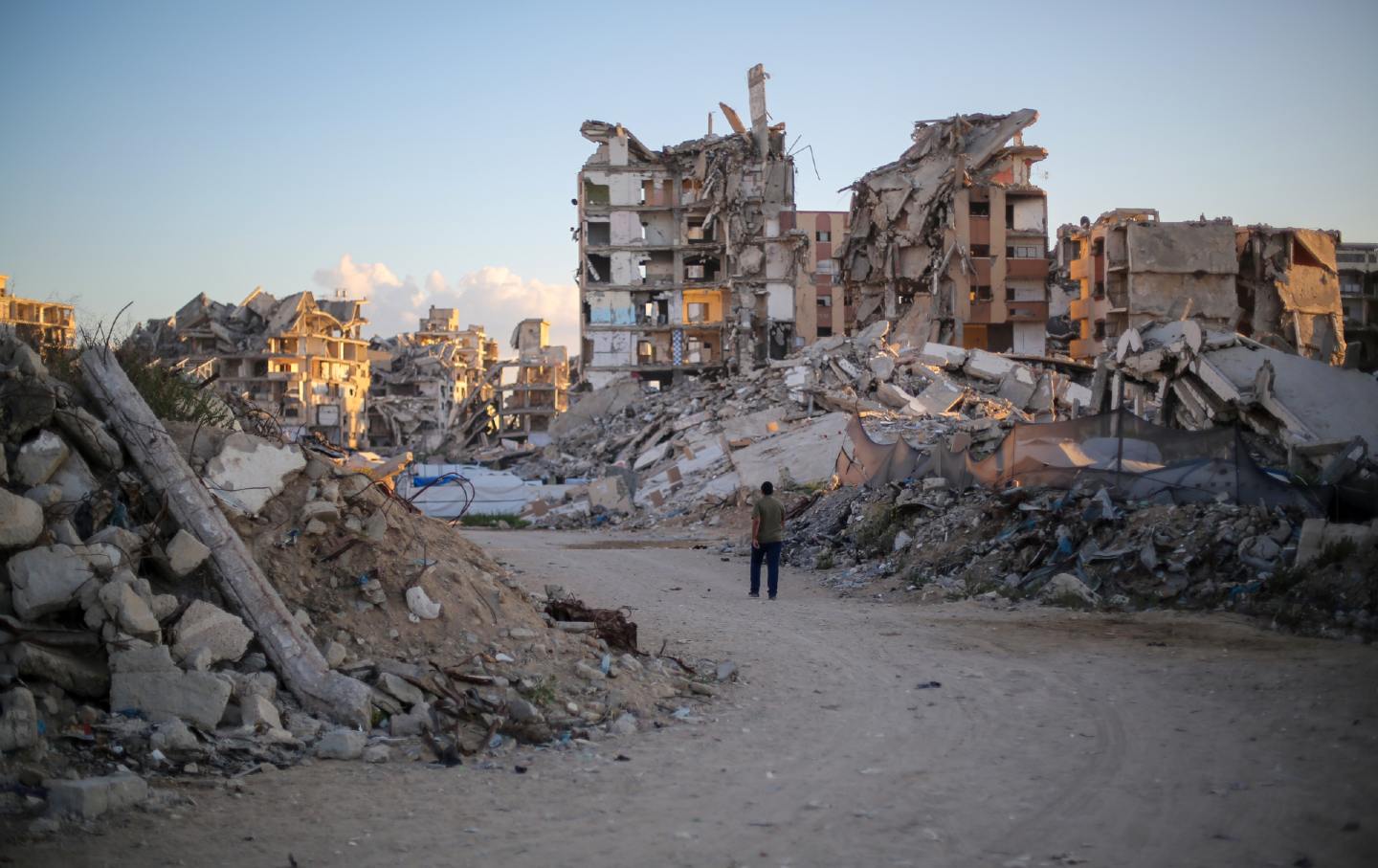
First and foremost, to wait for 200 hostages to be released as a precondition to stop the bombings only condemns more Gazan civilians to unimaginable human suffering. While we stand by for the hostages, the assaults, the attacks on hospitals, and the bombing of any possible safe crossing out of the south of Gaza will continue. Humanitarian aid entering the country, which Raskin says is his priority, also becomes far more difficult. We cannot hold off a moment more.
Second, a cease-fire will actually make the situation safer for the hostages. Israel has shown that they will bomb areas of Gaza regardless of “civilian-rich” targets. There were claims last week that 13 hostages died in one IDF attack. For Netanyahu, their safety seems secondary to destroying Hamas by pummeling Gaza. We need a cease-fire for their own protection.
Third, hostages are already being freed. Yes, it is happening more slowly than anyone would like, but high-level negotiations would be ongoing whether it were part of the cease-fire agreement or not. Let the hostage negotiators do their damn jobs—and under conditions of a cease-fire. It would be for everyone’s welfare
The last reason Raskin is incorrect is because he is letting Israel off the hook for its hypocrisy. Yes, 200 Israelis are currently hostages. But 4,000 Palestinian laborers from Gaza working in Israel have also been taken into military custody since October 7. Separately, the IDF has also arrested more than 1,000 others in overnight army raids in the occupied West Bank and East Jerusalem. That means in just over two weeks the IDF has almost doubled the more than 5,000 Palestinians currently buried in their prison system without rights or due process. “Arrests are taking place 24 hours a day,” Sahar Francis, head of the Ramallah-based Addameer Prisoners Support and Human Rights Association, told Al Jazeera. The conditions are unspeakably brutal, with allegations of starvation and torture. How many are innocent? How many will receive any semblance of due process? We should say, “Free all the hostages. But don’t wait until a cease-fire.”
Raskin has become a national figure through his work on the January 6 Committee. He has also shown his principles on a host of issues near and dear to progressive struggles. But his compass is off on this one. Waiting for hostages to be released before a cease-fire is signed only consigns more Palestinians to misery and death. We need a cease-fire now.
I was one of hundreds of Jews arrested at the Capitol for making that demand because of the urgency of the moment weighing on us. Using the hostages to prevent the resolution from getting traction is simply wrong—and out of step with Raskin’s constituents, who want to see an end to the violence, and don’t want our leaders to be party to a prospective genocide. It would be a major step toward peace for someone of Raskin’s stature to sign the resolution. He would be joining the ranks of the thousands of Jews currently saying “not in our name,” and who hope that he reconsiders—because time is growing very short.