
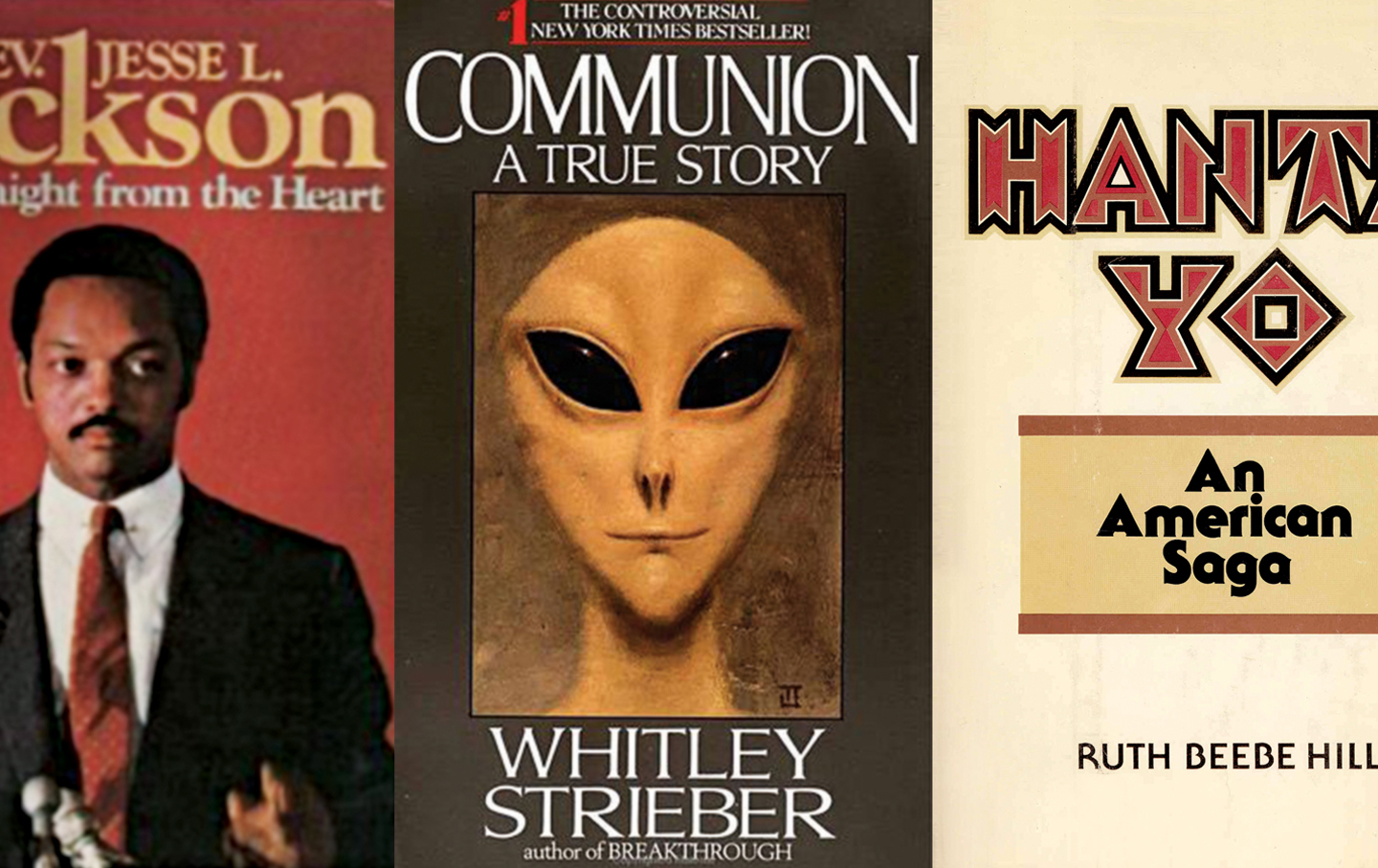
How to Lose Friends and Influence People How to Lose Friends and Influence People
…and other tales from the “back of the book.”
Mar 23, 2015 / Books & the Arts / Elizabeth Pochoda
Clickbait Has Plagued Journalism for 125 Years Clickbait Has Plagued Journalism for 125 Years
The dragging down of the mighty has been not unpleasing sport in all ages.
Mar 23, 2015 / Books & the Arts / E.L. Godkin and Rochelle Gurstein

The Unconvincing Semi-Socialism of ‘It’s a Wonderful Life’ The Unconvincing Semi-Socialism of ‘It’s a Wonderful Life’
Many small towns are “backward” in a likable way, but I have never seen one so Norman-Rockwellish.
Mar 23, 2015 / Feature / James Agee

Christopher Hitchens Was Against the Buzzword ‘Terrorism’ Before He Was For It Christopher Hitchens Was Against the Buzzword ‘Terrorism’ Before He Was For It
The rulers of our world subject us to lectures about the need to oppose terrorism while they prepare, daily and hourly, for the annihilation of us all.
Mar 23, 2015 / Books & the Arts / Christopher Hitchens
Hound Voice Hound Voice
December 10, 1938 Because we love bare hills and stunted trees And were the last to choose the settled ground, Its boredom of the desk or of the spade, because So many years companioned by a hound, Our voices carry; and though slumber bound, Some few half wake and half renew their choice, Give tongue, proclaim their hidden name—“hound voice.” The women that I picked spoke sweet and low And yet gave tongue. “Hound Voices” were they all. We picked each other from afar and knew What hour of terror comes to test the soul, And in that terror’s name obeyed the call, And understood, what none have understood, Those images that waken in the blood. Some day we shall get up before the dawn And find our ancient hounds before the door, And wide awake know that the hunt is on; Stumbling upon the blood-dark track once more, That stumbling to the kill beside the shore; Then cleaning out and bandaging of wounds, And chants of victory amid the encircling hounds. This article is part of The Nation’s 150th Anniversary Special Issue. Download a free PDF of the issue, with articles by James Baldwin, Barbara Ehrenreich, Toni Morrison, Howard Zinn and many more, here. William Butler Yeats (1865–1939) published his first poem in The Nation in 1933; his last appeared three months after his death.
Mar 23, 2015 / Books & the Arts / William Butler Yeats

Spreading Feminism Far and Wide Spreading Feminism Far and Wide
Straight talk about essentialism, sexism, leaning in and speaking out.
Mar 23, 2015 / Feature / Betsy Reed and Katha Pollitt
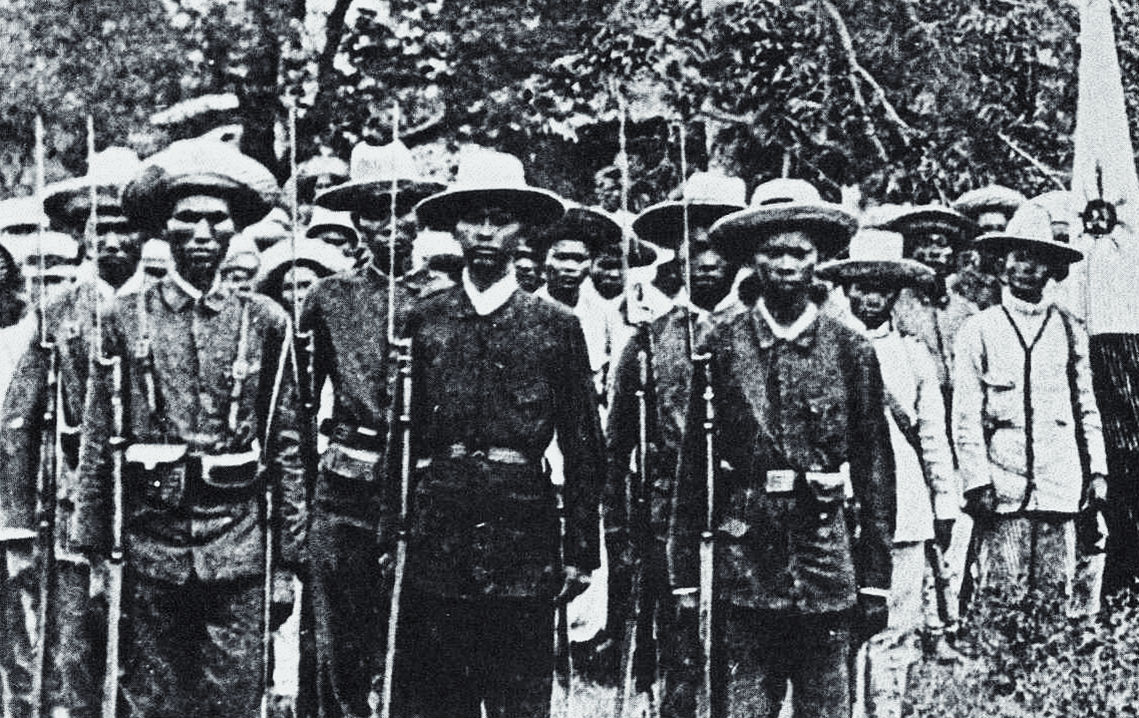
1895–1905: When the American Empire Was Born 1895–1905: When the American Empire Was Born
Whenever a small force of Americans undertakes an expedition, the woods and hills become alive with enemies.
Mar 23, 2015 / Feature / The Nation
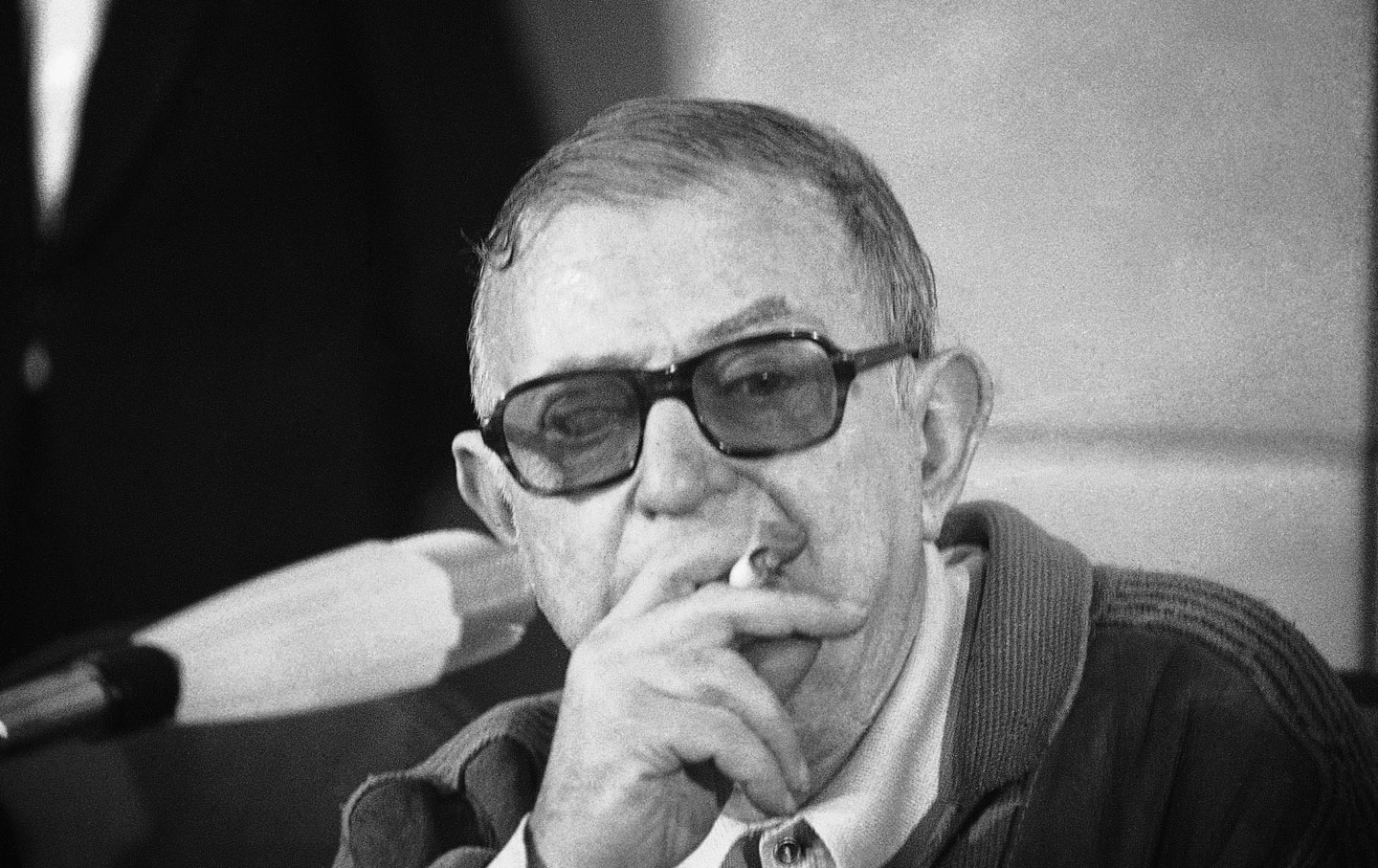
Americans and Their Myths Americans and Their Myths
The country suffers from an ambivalent anguish, everyone asking, “Am I American enough?” and at the same time, “How can I escape from Americanism?”
Mar 23, 2015 / Feature / Jean-Paul Sartre

Where Reaganism and Astrology Meet Where Reaganism and Astrology Meet
It is scarcely news that the President is in the mainstream of popular American credulity. He has been nurtured in the same rich loam of folk ignorance, historical figment and para...
Mar 23, 2015 / Books & the Arts / Alexander Cockburn
Dream Song Dream Song
January 25, 1965 The surly cop lookt out at me in sleep insect-like. Guess, who was the insect. I’d asked him in my robe & hospital gown in the elevator politely why someone saw so many police around, and without speaking he looked. A meathead, and of course he was armed, to creep across my nervous system some time ago wrecked. I saw the point of Loeb at last, to give oneself over to crime wholly, baffle, torment, roar laughter, or without sound attend while he is cooked until with trembling hands hoist I my true & legal ax, to get at the brains. I never liked brains— it’s the texture & the thought— but I will like them now, spooning at you, my guardian, slowly, until at length the rains lose heart and the sun flames out. This article is part of The Nation’s 150th Anniversary Special Issue. Download a free PDF of the issue, with articles by James Baldwin, Barbara Ehrenreich, Toni Morrison, Howard Zinn and many more, here. John Berryman (1914–1972) wrote five essays and eight poems for The Nation between 1935 and 1970. One month after the last poem was published, he sent a letter to the editor noting the “unremitting hostility” of an unfriendly review by “this bastard,” Hayden Carruth.
Mar 23, 2015 / Books & the Arts / John Berryman