
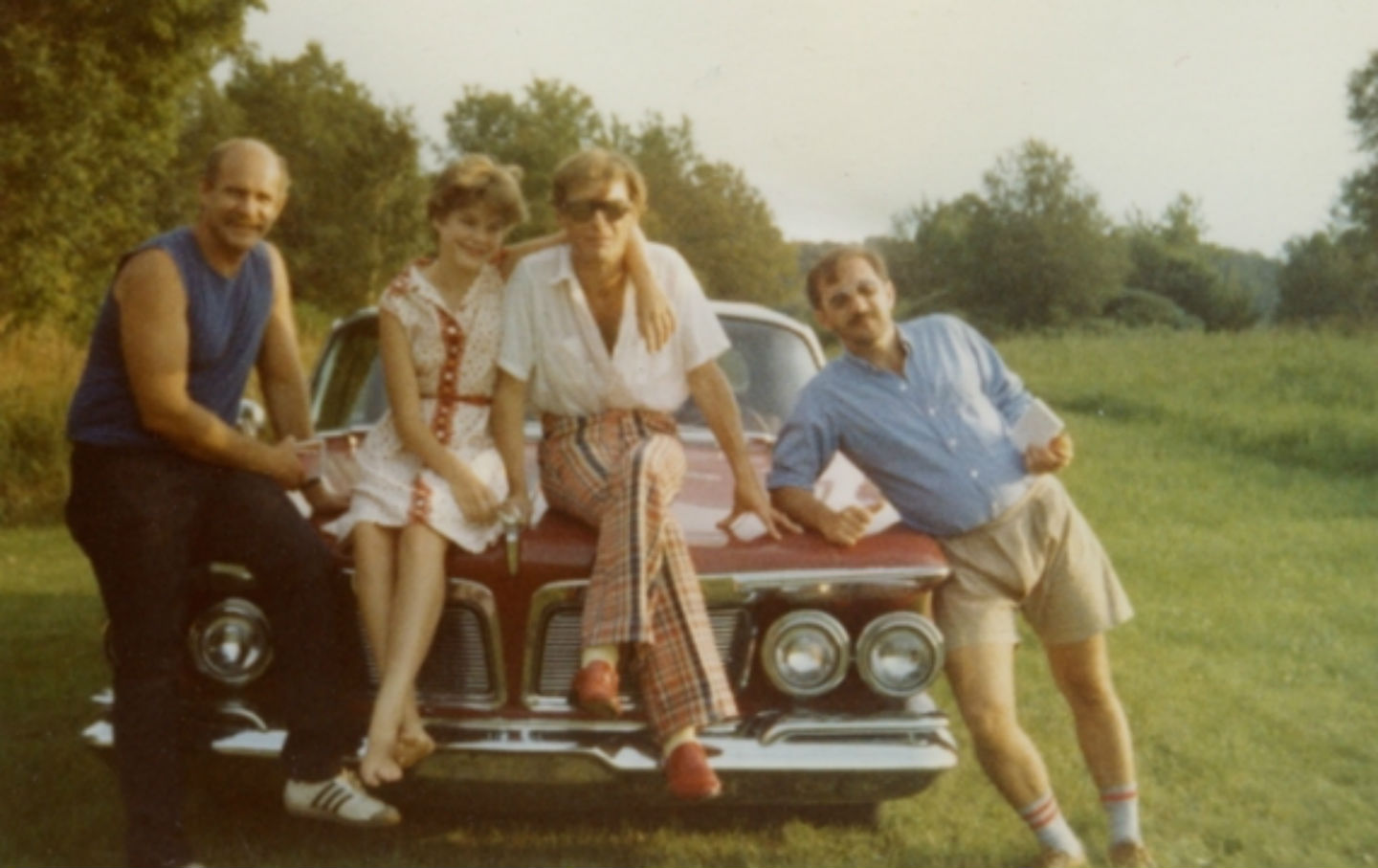
What We Can Learn From Andy Kopkind’s Energy, Edge and Radical Hope What We Can Learn From Andy Kopkind’s Energy, Edge and Radical Hope
How to be committed without drinking the Kool-Aid—and other things Andy taught me.
Mar 23, 2015 / Feature / Maria Margaronis
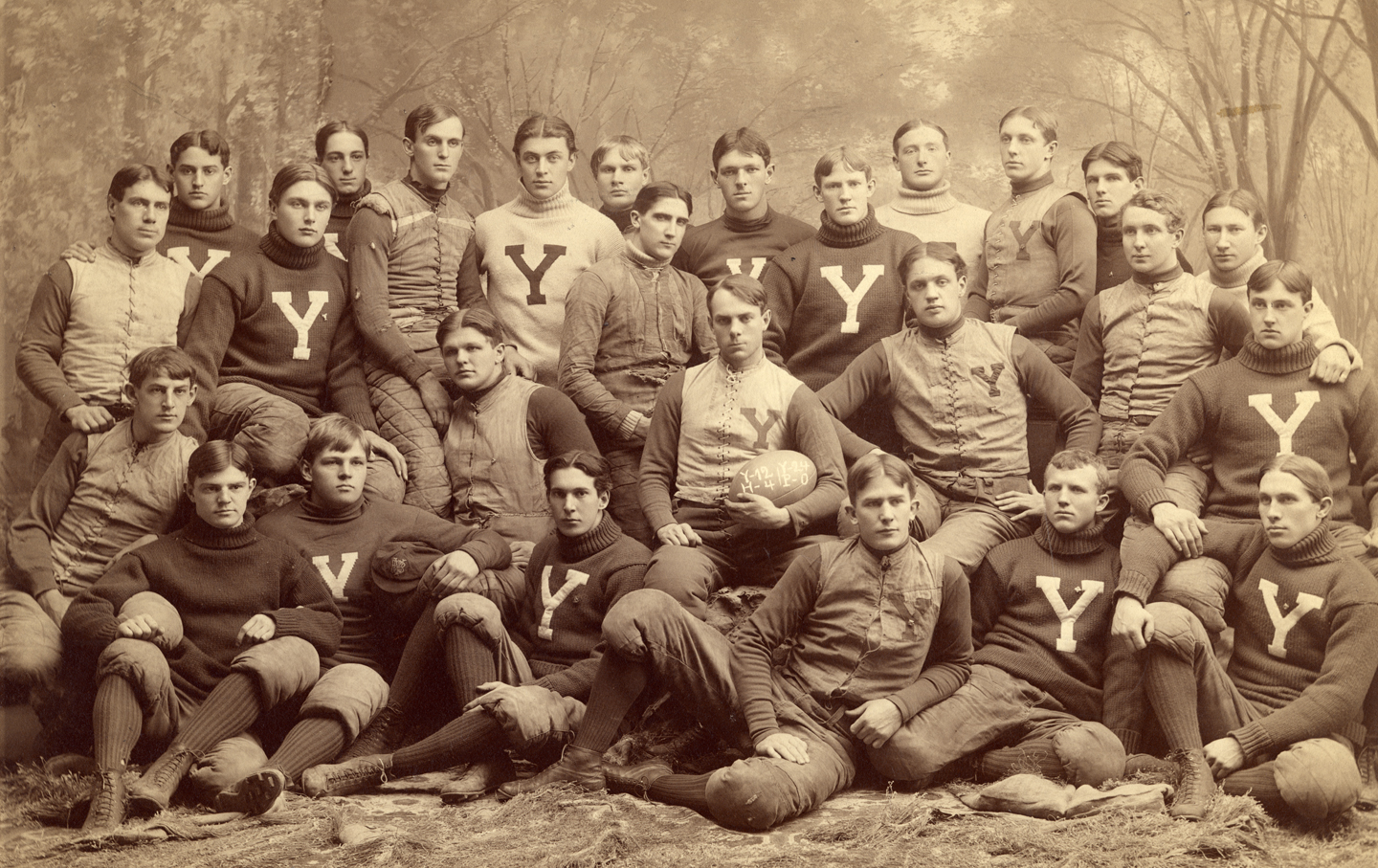
We Have Been Talking About Football’s Brutality for 120 Years We Have Been Talking About Football’s Brutality for 120 Years
American parents should keep their sons out of the game.
Mar 23, 2015 / Books & the Arts / The Editors

What Can the White Man Say to the Black Woman? What Can the White Man Say to the Black Woman?
Only one thing that the black woman might hear.
Mar 23, 2015 / Books & the Arts / Alice Walker

Toward a Third Reconstruction Toward a Third Reconstruction
A conversation on The Nation, race and history at the Schomburg Center for Research in Black Culture with Eric Foner, Darryl Pinckney, Mychal Denzel Smith, Isabel Wilkerson and Pat...
Mar 23, 2015 / Books & the Arts / The Nation
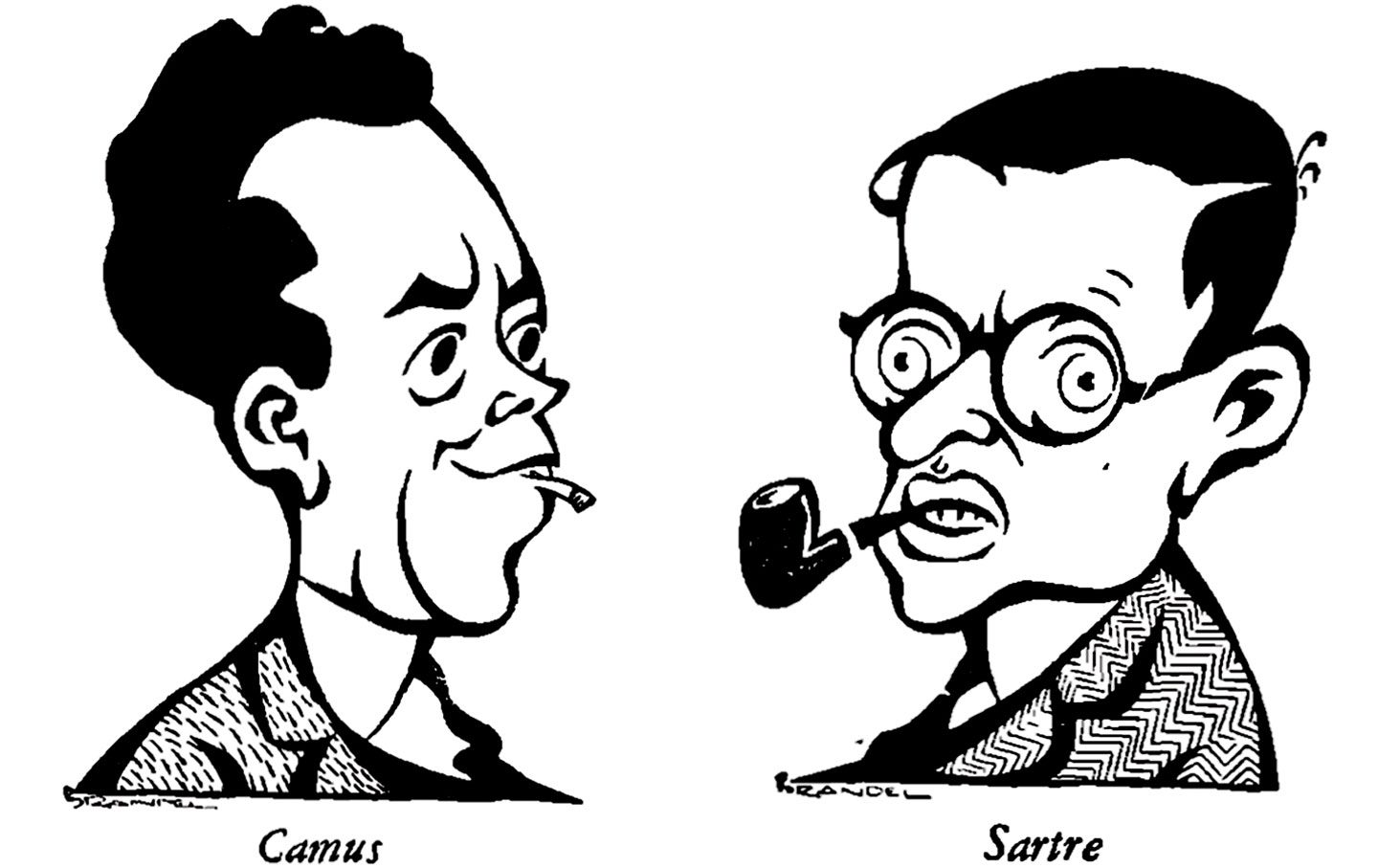
What Is This New Philosophy They Call ‘Existentialism’? What Is This New Philosophy They Call ‘Existentialism’?
It would be a cheap error to mistake this new trend in philosophy and literature for just another fashion of the day.
Mar 23, 2015 / Feature / Hannah Arendt
The Injury The Injury
June 22, 1946 From this hospital bed I can hear an engine breathing—somewhere in the night: —Soft coal, soft coal, soft coal! And I know it is men breathing shoveling, resting— —Go about it the slow way, if you can find any way— Christ! who’s a bastard? —quit and quit shoveling. A man beathing and it quiets and the puff of steady work begins slowly: Chug. Chug. Chug. Chug . . . fading off. Enough coal at least for this small job Soft! Soft! —enough for one small engine, enough for that. A man shoveling, working and not lying here in this hospital bed—powerless —with the white-throat calling in the poplars before dawn, his faint flute-call, triple tongued, piercing the shingled curtain of the new leaves; drowned out by car wheels singing now on the rails, taking the curve, slowly, a long wail, high pitched: rounding the curve— —the slow way because (if you can find any way) that is the only way left now for you. This article is part of The Nation’s 150th Anniversary Special Issue. Download a free PDF of the issue, with articles by James Baldwin, Barbara Ehrenreich, Toni Morrison, Howard Zinn and many more, here. William Carlos Williams (1883–1963) published several essays and poems in The Nation between 1937 and 1961; his work has been reviewed in these pages by Philip Rahv, Robert Lowell, Delmore Schwartz, Isaac Rosenfeld, Robert Creeley, Denise Levertov and James Longenbach.
Mar 23, 2015 / Books & the Arts / William Carlos Williams

If We Repossessed Empty Homes, Homelessness Would Be Over If We Repossessed Empty Homes, Homelessness Would Be Over
It will need a robust Mayor and city government to take the law into their own hands; but the people would support them.
Mar 23, 2015 / Feature / William MacDonald and Bill de Blasio

The Dream Life of Desire The Dream Life of Desire
Drawing a line between poetry and the political has never been simple.
Mar 23, 2015 / Books & the Arts / Ange Mlinko

Clickbait Has Plagued Journalism for 125 Years Clickbait Has Plagued Journalism for 125 Years
The dragging down of the mighty has been not unpleasing sport in all ages.
Mar 23, 2015 / Books & the Arts / E.L. Godkin and Rochelle Gurstein

Is the UK Labor Party Too Moderate to Be in Power? Is the UK Labor Party Too Moderate to Be in Power?
Its leaders speak the language of social concern, yet their strategy is marked by extreme caution, an avoidance of any appearance of radicalism.
Mar 23, 2015 / Books & the Arts / Edward Miliband