
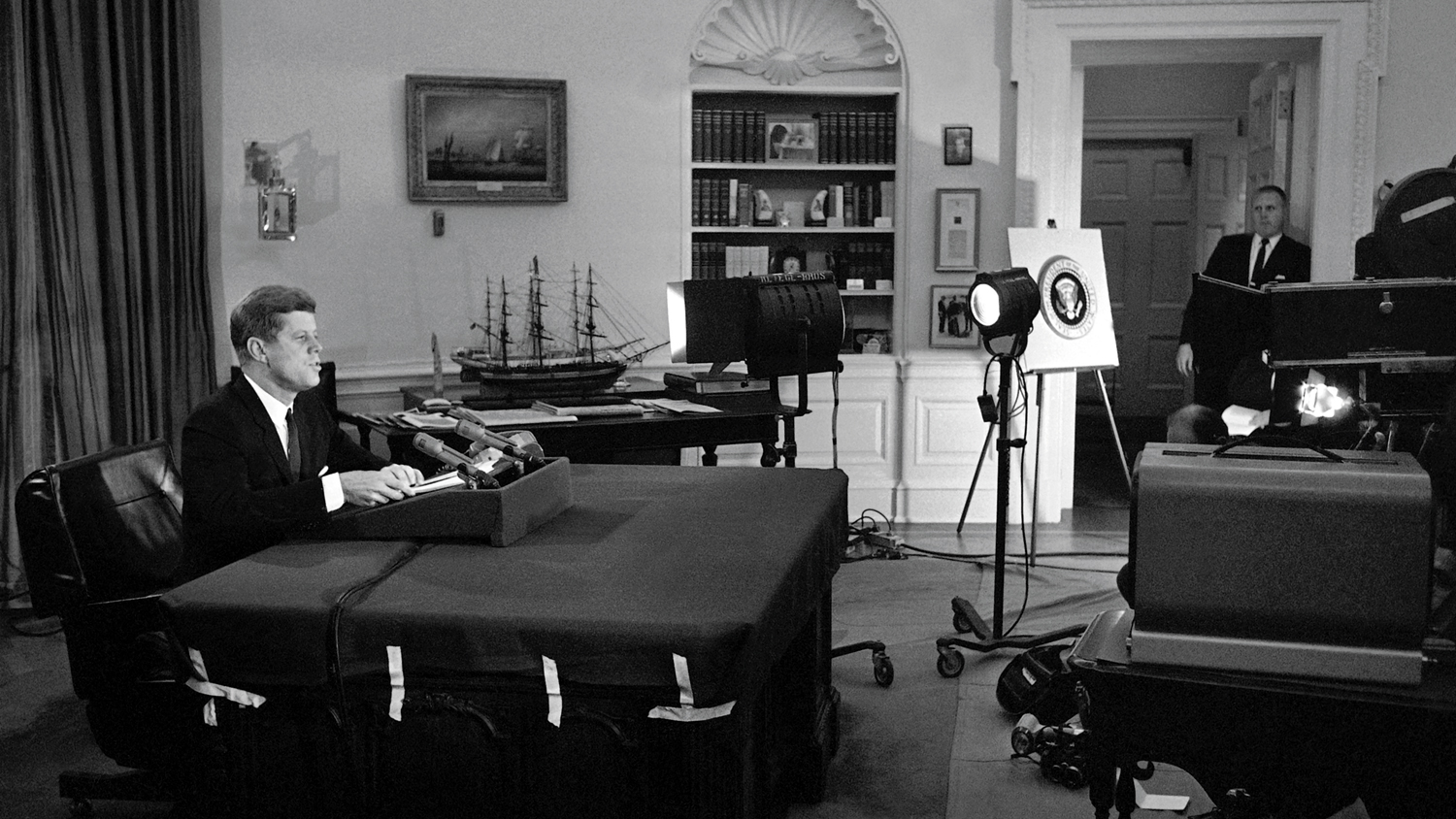
Mistakes Get Made Mistakes Get Made
Democracy floats on currents of change. Is it ever capable of managing them?
Jan 21, 2015 / Books & the Arts / Jackson Lears
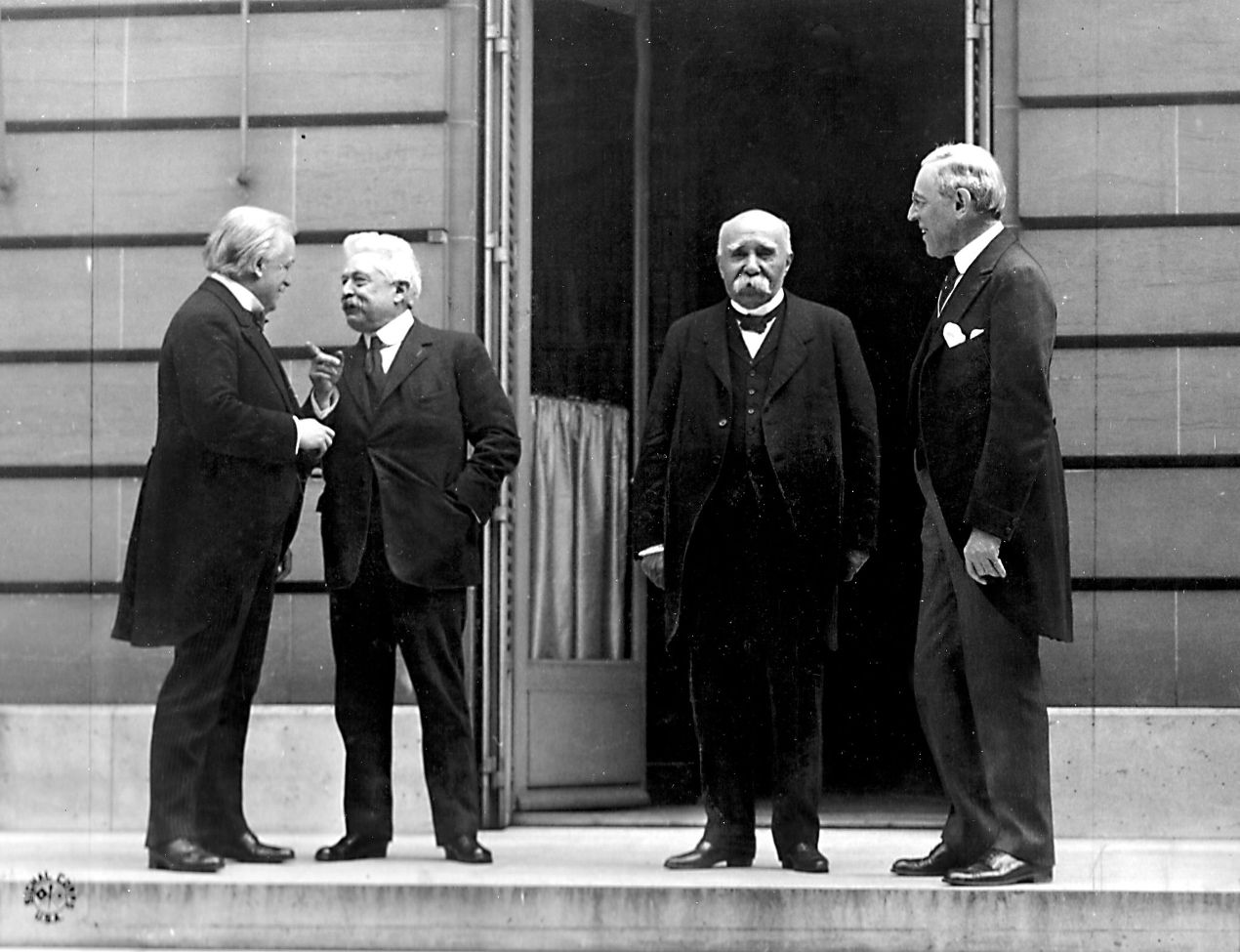
January 18, 1919: The Peace Conference Convenes at Paris January 18, 1919: The Peace Conference Convenes at Paris
The Nation’s editor reports from the conference, where he laments the absence of women, workers and communists.
Jan 18, 2015 / Richard Kreitner and The Almanac
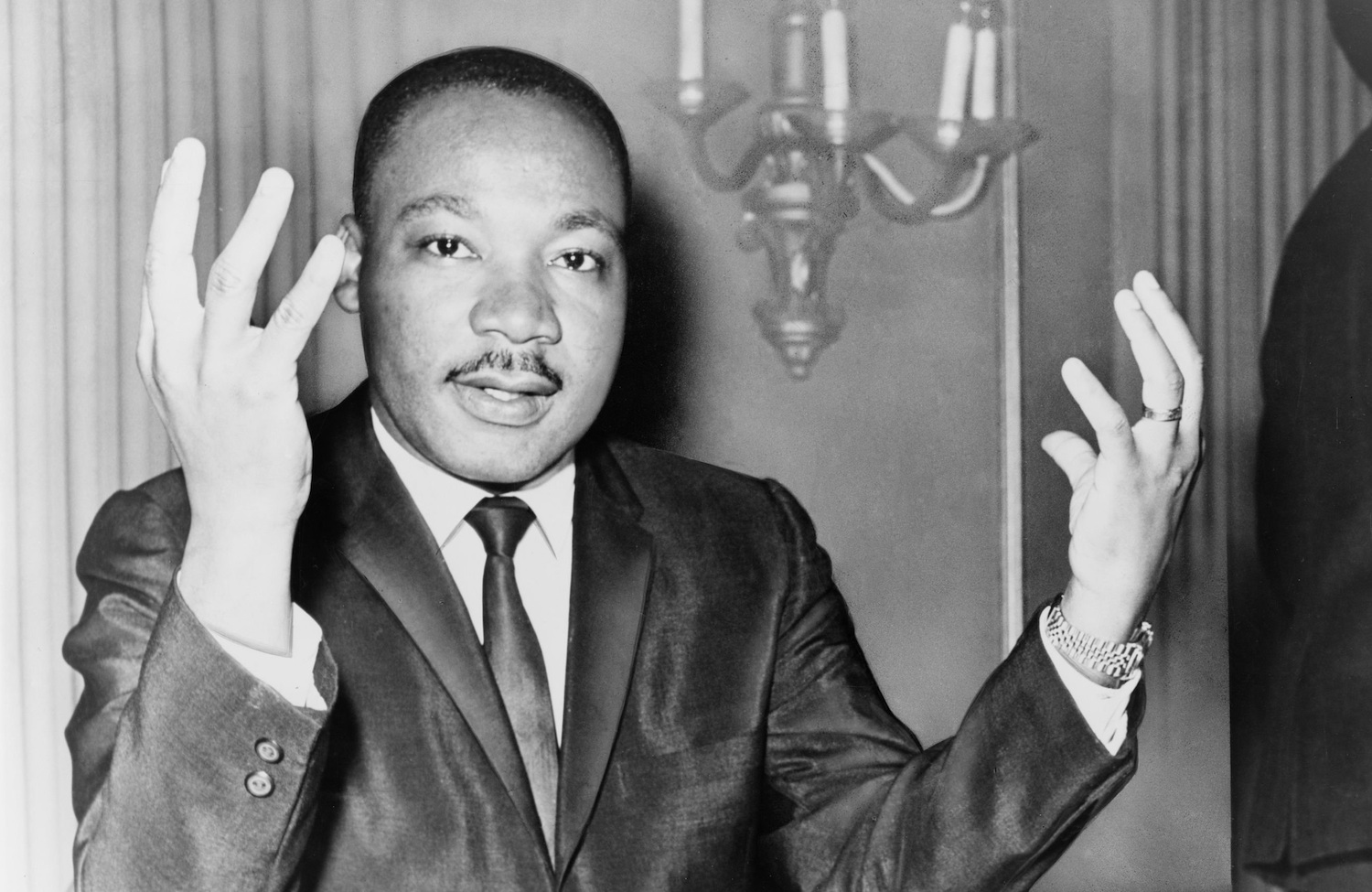
January 15, 1929: Martin Luther King Jr. Is Born January 15, 1929: Martin Luther King Jr. Is Born
From 1961 until 1966, King published in The Nation an annual report on the progress of the civil-rights movement during the previous year. In this installment, "Hammer of Civil Rig...
Jan 15, 2015 / Richard Kreitner and The Almanac
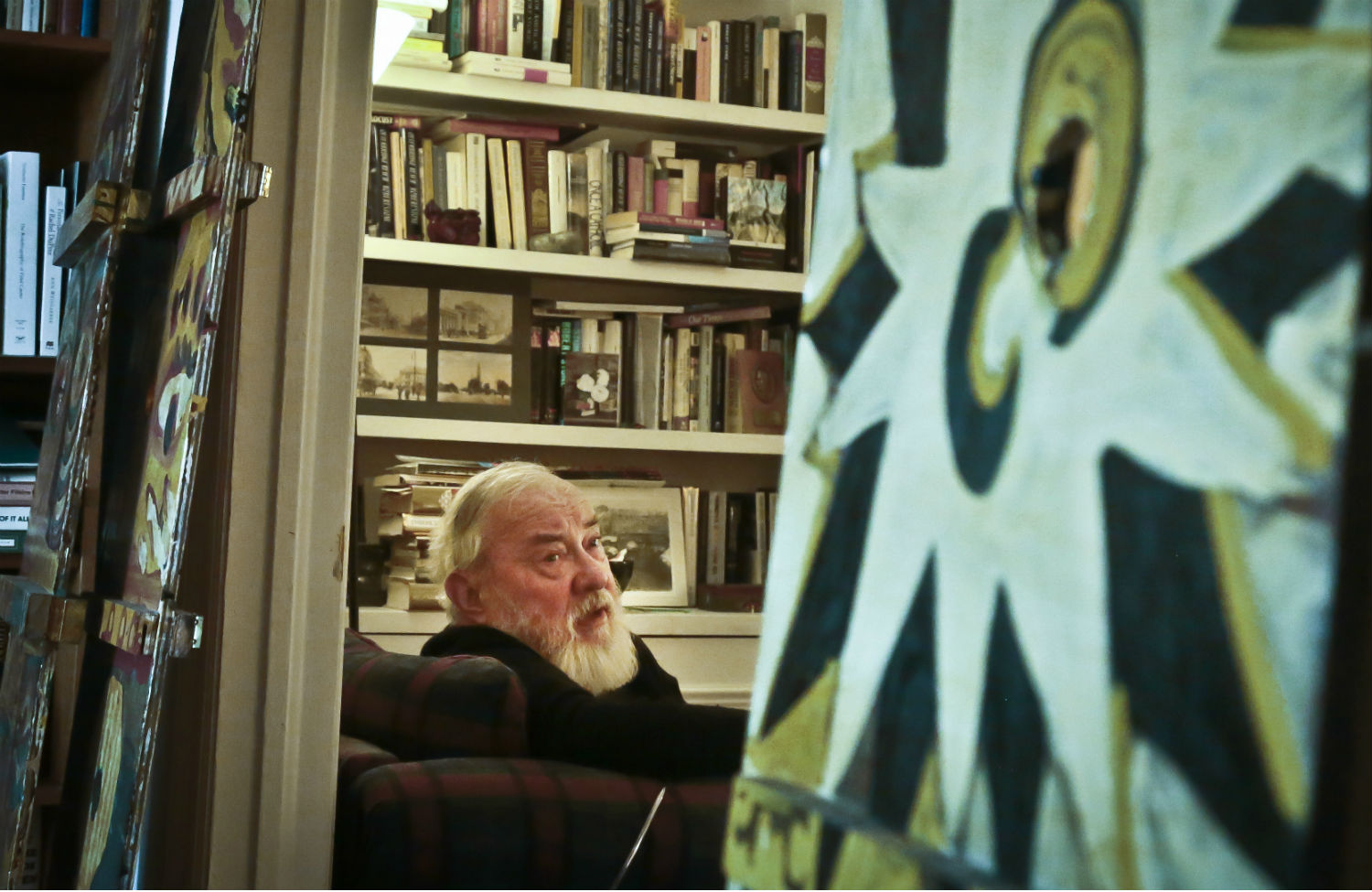
‘America Is Sinking Fast’: John Leonard and Todd Gitlin on Robert Stone ‘America Is Sinking Fast’: John Leonard and Todd Gitlin on Robert Stone
“Stone may leave the country,” the late essayist wrote of the late novelist, &ldquot;but it’s America confounded that he finds wherever he goes.”
Jan 14, 2015 / Books & the Arts / Richard Kreitner and Back Issues
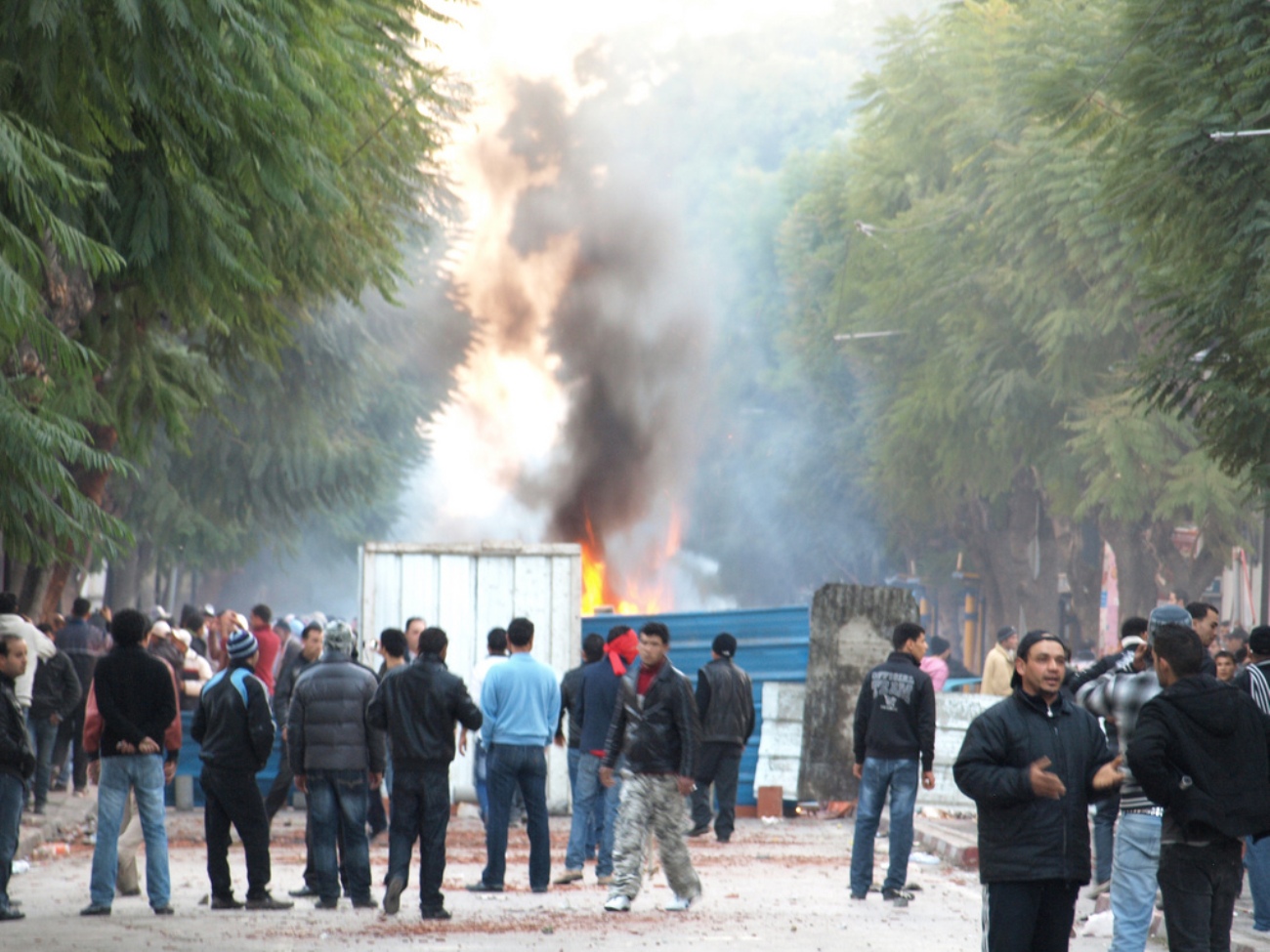
January 14, 2011: President Zine el-Abidine Ben Ali Flees Tunisia, Marking the First Victory of the Arab Spring January 14, 2011: President Zine el-Abidine Ben Ali Flees Tunisia, Marking the First Victory of the Arab Spring
In the winter of 2011, a revolution begins across the Arab world when Tunisian President Zine el-Abidine Ben Ali resigns following protests against government abuse and corruption....
Jan 14, 2015 / Richard Kreitner and The Almanac

Less Is More Less Is More
The dense details in Berlin’s memorial museums overwhelm the stories they try to tell.
Jan 14, 2015 / Books & the Arts / Julia M. Klein
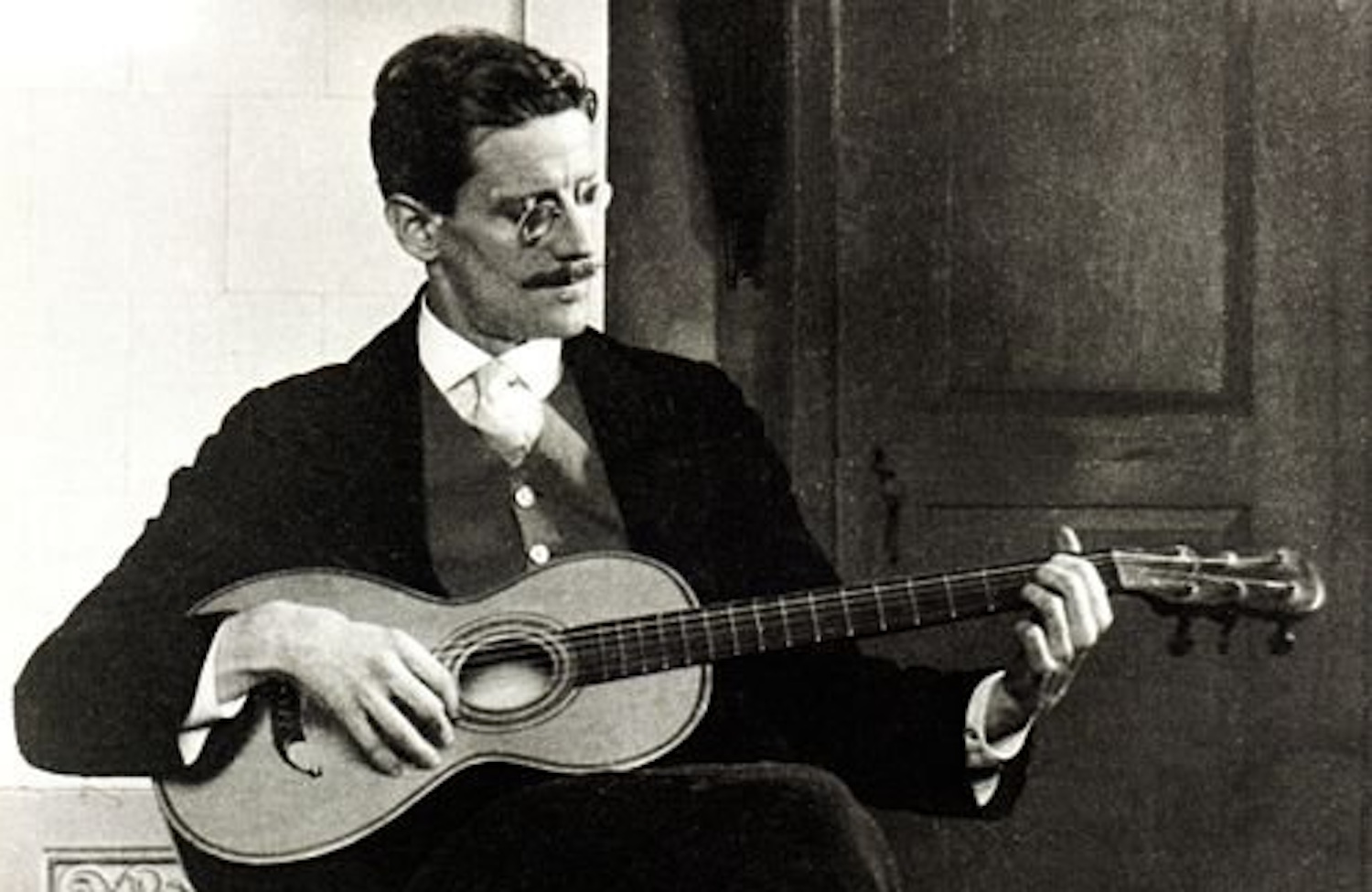
January 13, 1941: James Joyce Dies January 13, 1941: James Joyce Dies
A 1917 Nation reviewer takes issue with Joyce’s “brilliant and nasty variety of pseudo-realism.”
Jan 13, 2015 / Books & the Arts / Richard Kreitner and The Almanac

5 Books: Reading Race and Economics 5 Books: Reading Race and Economics
Joelle Gamble is director of the Roosevelt Institute Campus Network. “I became an economics nerd campaigning against tuition increases at the University of California,” she says. “I became engrossed in the intricacies of state tax policy—everything spiraled from there.” Here, she recommends five books elucidating race’s intersection with economics, accompanying “An Economic Program for #BlackLivesMatter.” WHERE WE STAND Class Matters by bell hooks Buy this book This essay collection draws on hook’s personal experiences instead of relying on purely theoretical arguments about poverty. She is especially critical of economically secure liberals and radicals who, she argues, choose to downplay the importance of class privilege in comparison with race and gender—a criticism that she illustrates with examples from her own years studying and teaching at elite institutions. Rather than putting class at the top of a hierarchy of oppression, however, hooks demonstrates the interlocking nature of race, gender and class in straightforward prose. ECONOMICS The User’s Guide by Ha-Joon Chang Buy this book Chang’s accessible guide to contemporary economic thought, complete with hand charts, transforms economics into a flexible tool for understanding the world around us. He acknowledges that the version often taught in school—narrow neoclassicism—is not the only way of thinking about economics. Once economic thought gets out into the real world, Chang demonstrates, the intersections with race become clearer. There is also a good deal of humor throughout the book, refreshing in a subject known for being dismal. THE NEW JIM CROW Mass Incarceration in the Age of Colorblindness by Michelle Alexander Buy this book This excellent book lays out the brutal efficiency with which the American legal system has constructed and upheld a cycle of incarceration and social isolation targeting people of color. The New Jim Crow does a particularly excellent job of describing the economic barriers that convicted felons face for years, and the stigmas attached to a criminalized population. Through detailed explanations of pivotal court cases and policy battles, this book argues that the criminal-justice system renders many Americans second-class citizens. THE DIVIDE American Injustice in the Age of the Wealth Gap by Matt Taibbi Buy this book Taibbi’s sharp reporting reveals which Americans are labeled “criminal” and subjected to the social and economic exclusion that comes with the term—disproportionately poor people of color, in contrast to wealthy, white-collar wrongdoers. He assesses how our under-resourced processing systems, prosecutors’ use of petty (often erroneous) charges, and perverse incentives for law enforcement ensure the perpetual harassment of impoverished communities by the police. Taibbi paints a compelling picture of how the economy and the criminal-justice system are linked and, at times, codependent. THE PRICE OF INEQUALITY How Today’s Divided Society Endangers Our Future by Joseph E. Stiglitz Buy this book Today’s inequality is the result of moneyed interests using public policy as a tool to guard their wealth, argues the economist Joseph Stiglitz. He demonstrates that income inequality results from political activity rather than an “invisible hand,” thereby pointing toward aggressive policy solutions for lifting up those at the bottom. Because people at the top of the economic ladder are disproportionately white, Stiglitz’s arguments about economic justice illuminate the nexus of race and economics and must play a part in any conversation about achieving racial justice.
Jan 7, 2015 / Joelle Gamble
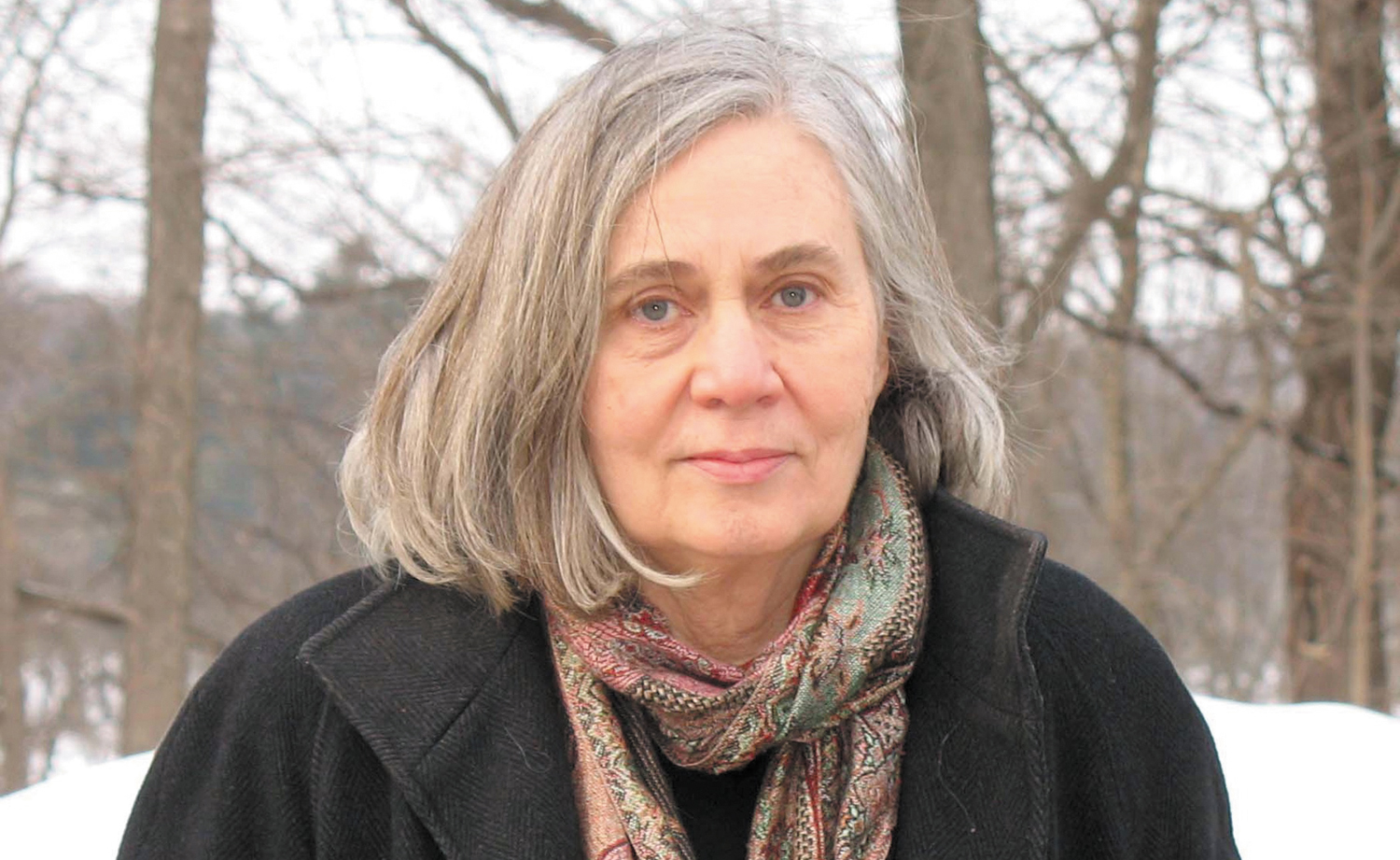
Faith and Suspicion: On Marilynne Robinson’s ‘Lila’ Faith and Suspicion: On Marilynne Robinson’s ‘Lila’
The novelist offers an elegant answer to the question, “What is it to be human?”
Jan 7, 2015 / Books & the Arts / Roxana Robinson
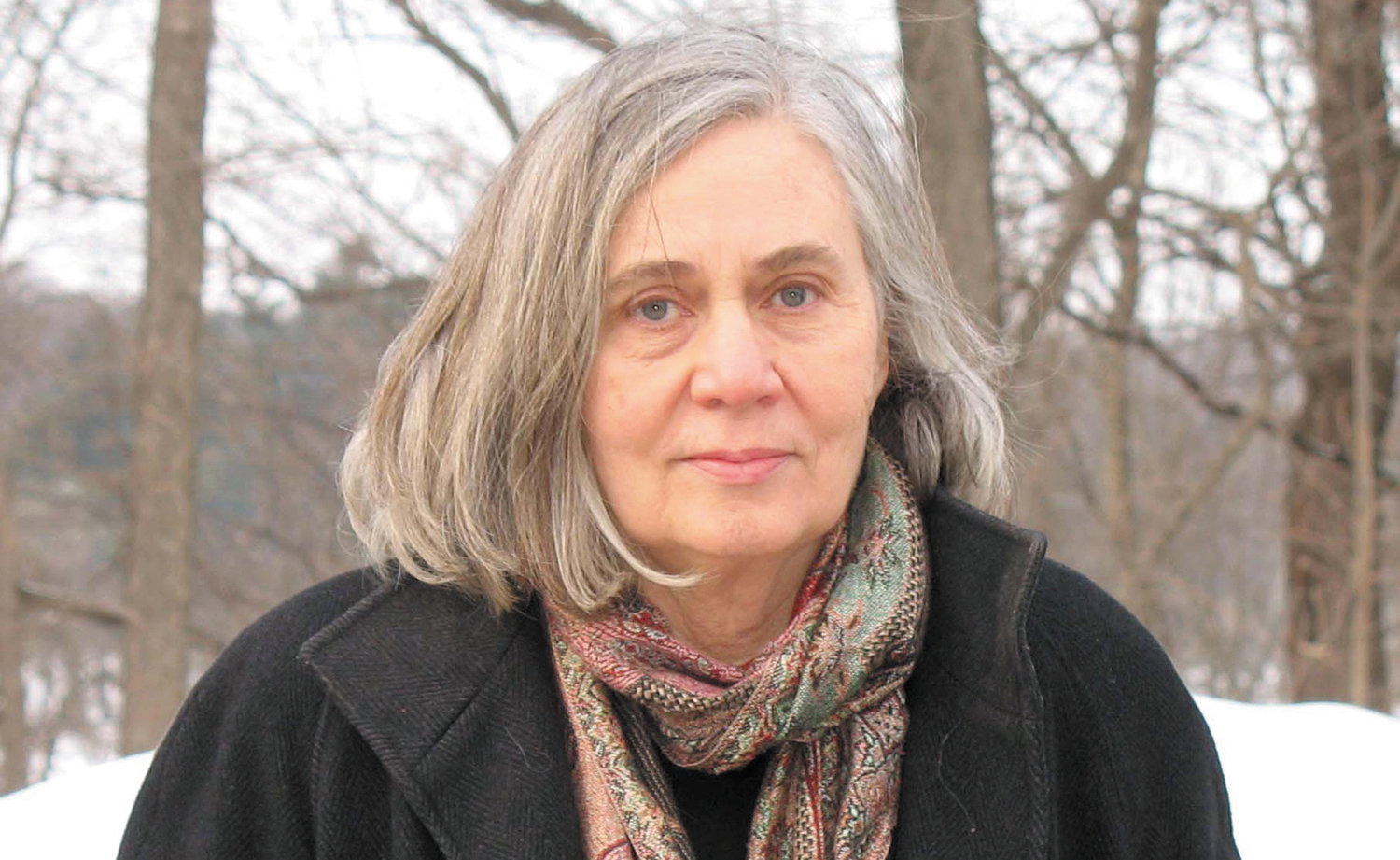
A Conversation With Marilynne Robinson A Conversation With Marilynne Robinson
The novelist talks about liberalism, the language of fiction, and the humanism of John Calvin.
Jan 7, 2015 / Books & the Arts / The Nation