
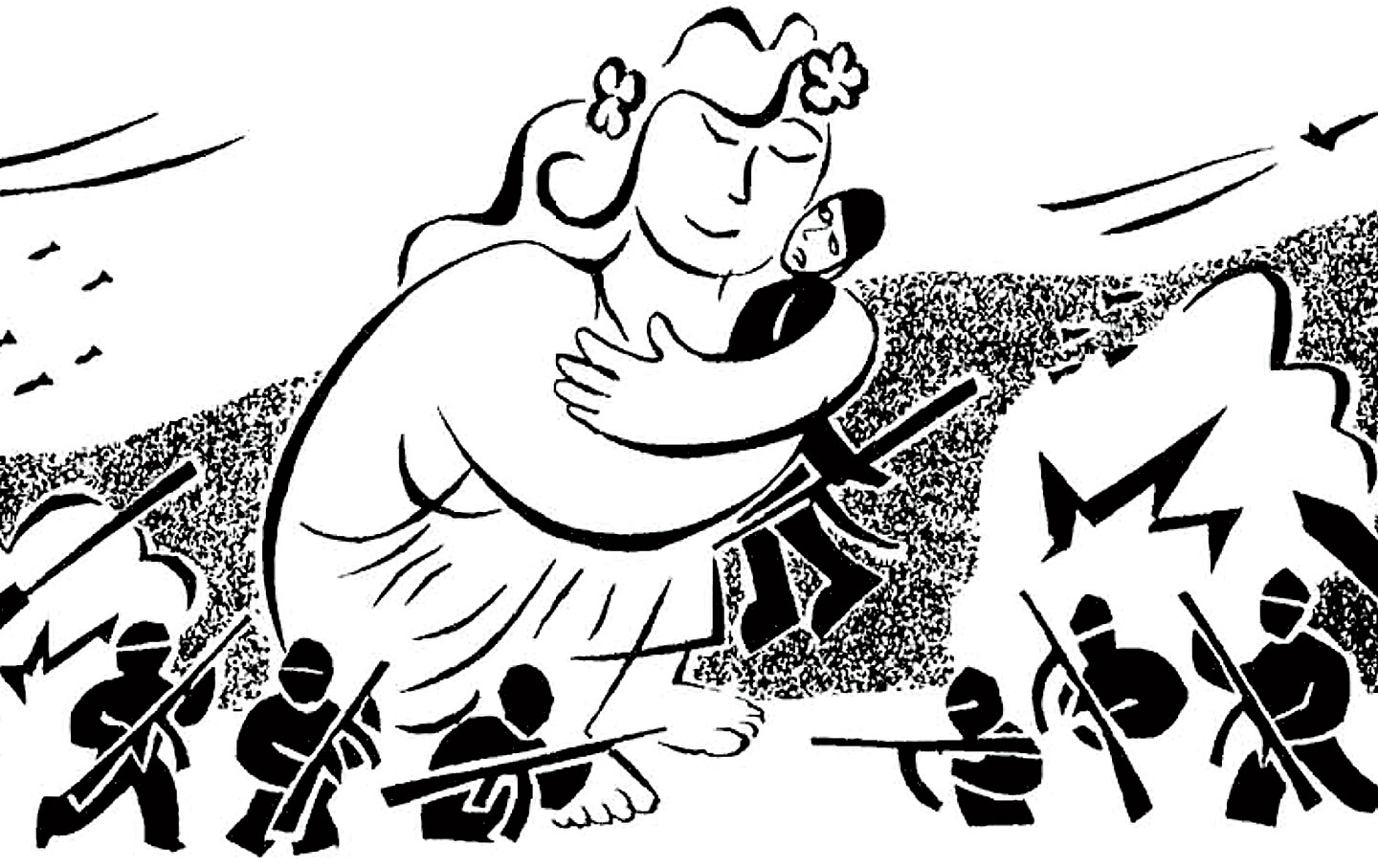
Are Women Morally Superior to Men? Are Women Morally Superior to Men?
Woman as sharer and carer, woman as earth mother, woman as guardian of small rituals—these images are as old as time.
Mar 23, 2015 / Books & the Arts / Katha Pollitt
Now and Forever Now and Forever
April 25, 1994 I’ll settle for Immortality— Not thru the body Not thru the eyes Star spangled high mountains waning moon over Aspen peaks; But thru words, thru the breath of long sentences loves I have, heart beating still, inspiration continuous, exhalation of cadenced affection These immortal survive America, survive the fall of States Departure of my body, mouth dumb dust This verse broadcasts desire, accomplishment of Desire Now and forever boys can read girls ream, old men cry Old women sigh youth still come. 7/19/92, Aspen This article is part of The Nation’s 150th Anniversary Special Issue. Download a free PDF of the issue, with articles by James Baldwin, Barbara Ehrenreich, Toni Morrison, Howard Zinn and many more, here. Allen Ginsberg (1926–1997) published three poems in The Nation in the 1990s. A 1959 letter to the editor he co-wrote is reprinted in this issue.
Mar 23, 2015 / Books & the Arts / Allen Ginsberg
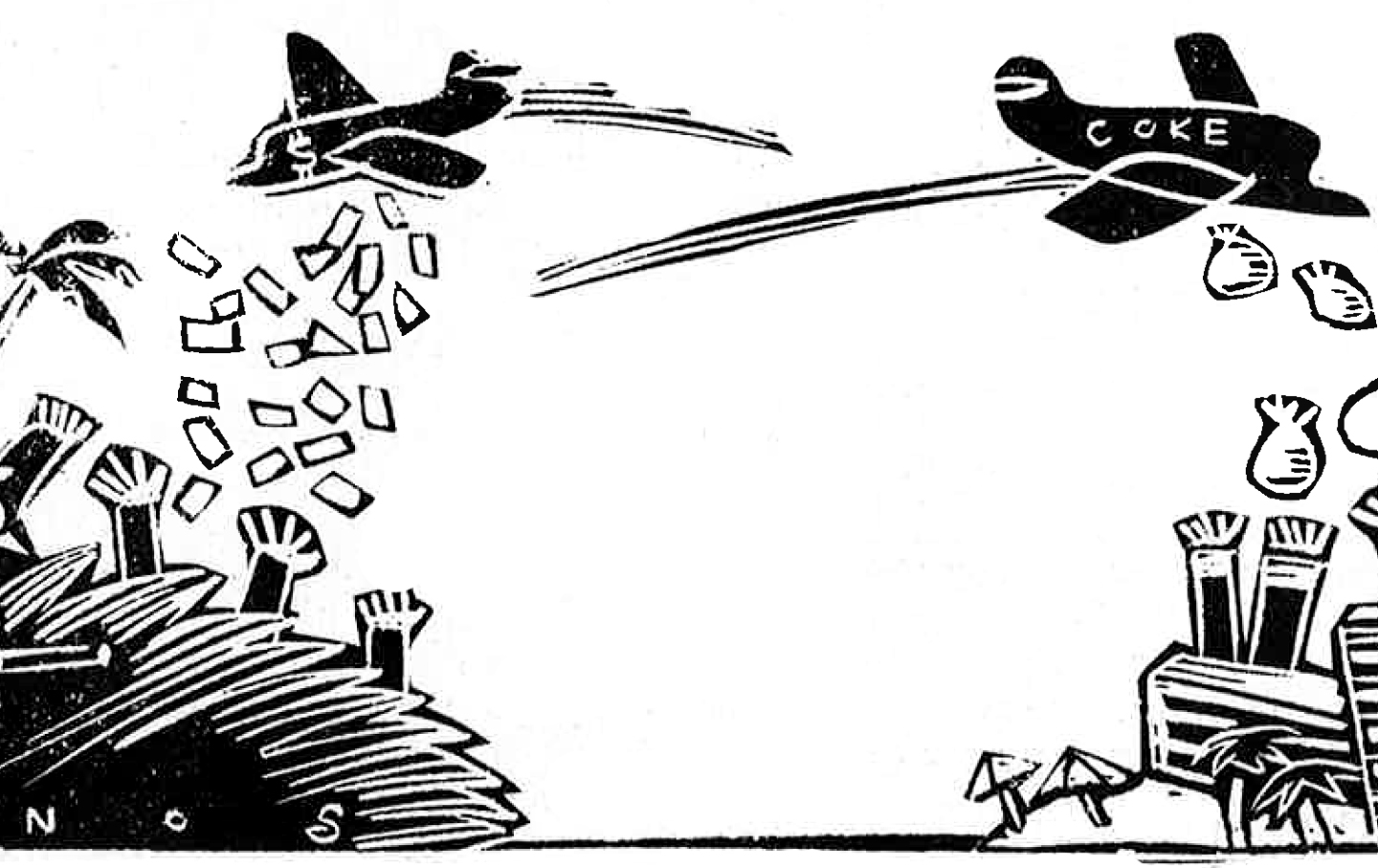
How I Got That Story How I Got That Story
“Stay to the end…and read everything”: Reporting the Iran/Contra scandal taught me everything I needed to know about covering Washington.
Mar 23, 2015 / Feature / David Corn

A Biography of ‘The Nation’: The First Fifty Years A Biography of ‘The Nation’: The First Fifty Years
Founded by abolitionists in 1865, The Nation became a moribund defender of the status quo. But its firm anti-imperialism brought it back to life.
Mar 23, 2015 / Books & the Arts / D.D. Guttenplan

Want to Rebuild the Left? Take Socialism Seriously Want to Rebuild the Left? Take Socialism Seriously
After three decades of neoliberal economic policies and the staggering inequality they have produced, we are witnessing a rebirth of socialist ideals.
Mar 23, 2015 / Feature / Kshama Sawant

How To Fix American Journalism How To Fix American Journalism
American journalism has lost its crusader instinct. Here’s how to get it back.
Mar 23, 2015 / Feature / Michael Massing

1915–1925: Radicals in a Time of Hysteria 1915–1925: Radicals in a Time of Hysteria
Looking forward to a social order without any external restraints upon the individual.
Mar 23, 2015 / Feature / The Nation
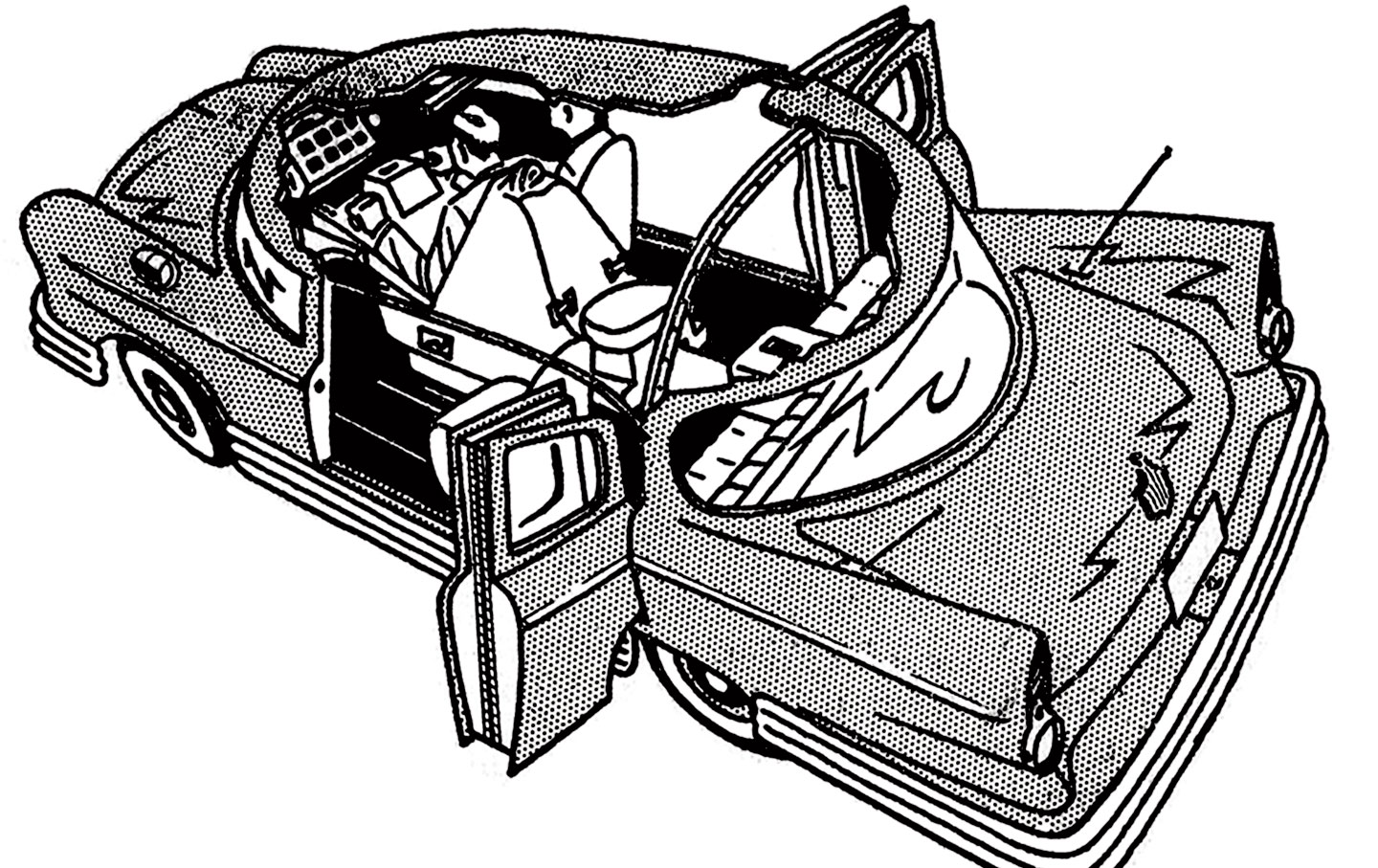
The Article That Launched the Consumer-Rights Movement The Article That Launched the Consumer-Rights Movement
Innumerable precedents show that the consumer must be protected from his own indiscretion and vanity.
Mar 23, 2015 / Books & the Arts / Ralph Nader

Adolph Reed Destroys ‘The Bell Curve’ Adolph Reed Destroys ‘The Bell Curve’
Despite their concern to insulate themselves from the appearance of racism, Herrnstein and Murray display a perspective worthy of an Alabama filling station.
Mar 23, 2015 / Books & the Arts / Adolph Reed Jr.
Home Song Home Song
March 24, 1926 Oh breezes blowing on the red hill-top By tall fox-tails, Where through dry twigs and leaves and grasses hop The dull-brown quails! Is there no magic floating in the air To bring to me A breath of you, when I am homesick here Across the sea? Oh black boys holding on the cricket ground A penny race! What other black boy frisking round and round, Plays in my place? When picnic days come with their yearly thrills In warm December, The boy in me romps with you in the hills— Remember! Paris, 1925 This article is part of The Nation’s 150th Anniversary Special Issue. Download a free PDF of the issue, with articles by James Baldwin, Barbara Ehrenreich, Toni Morrison, Howard Zinn and many more, here. Claude McKay (1889–1948), author of the novels Home to Harlem (1928) and Banjo (1929), only published this one poem in The Nation, but he also wrote three essays in the mid-1930s on race relations in New York City—including a firsthand report on the 1935 Harlem riot—and one travel dispatch from North Africa.
Mar 23, 2015 / Books & the Arts / Claude McKay