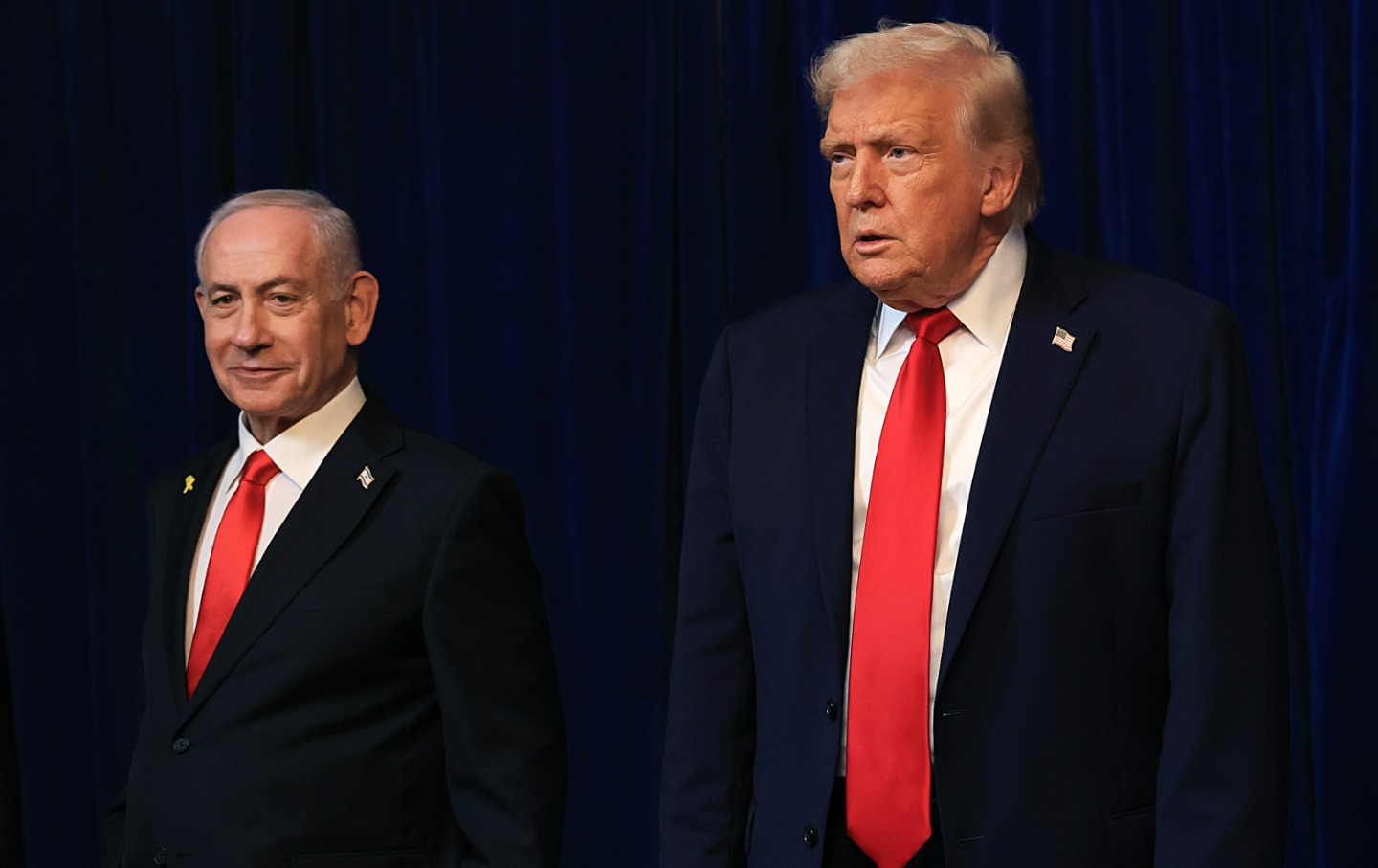
Trump Is No “President of Peace”
He’s spoiling for war.
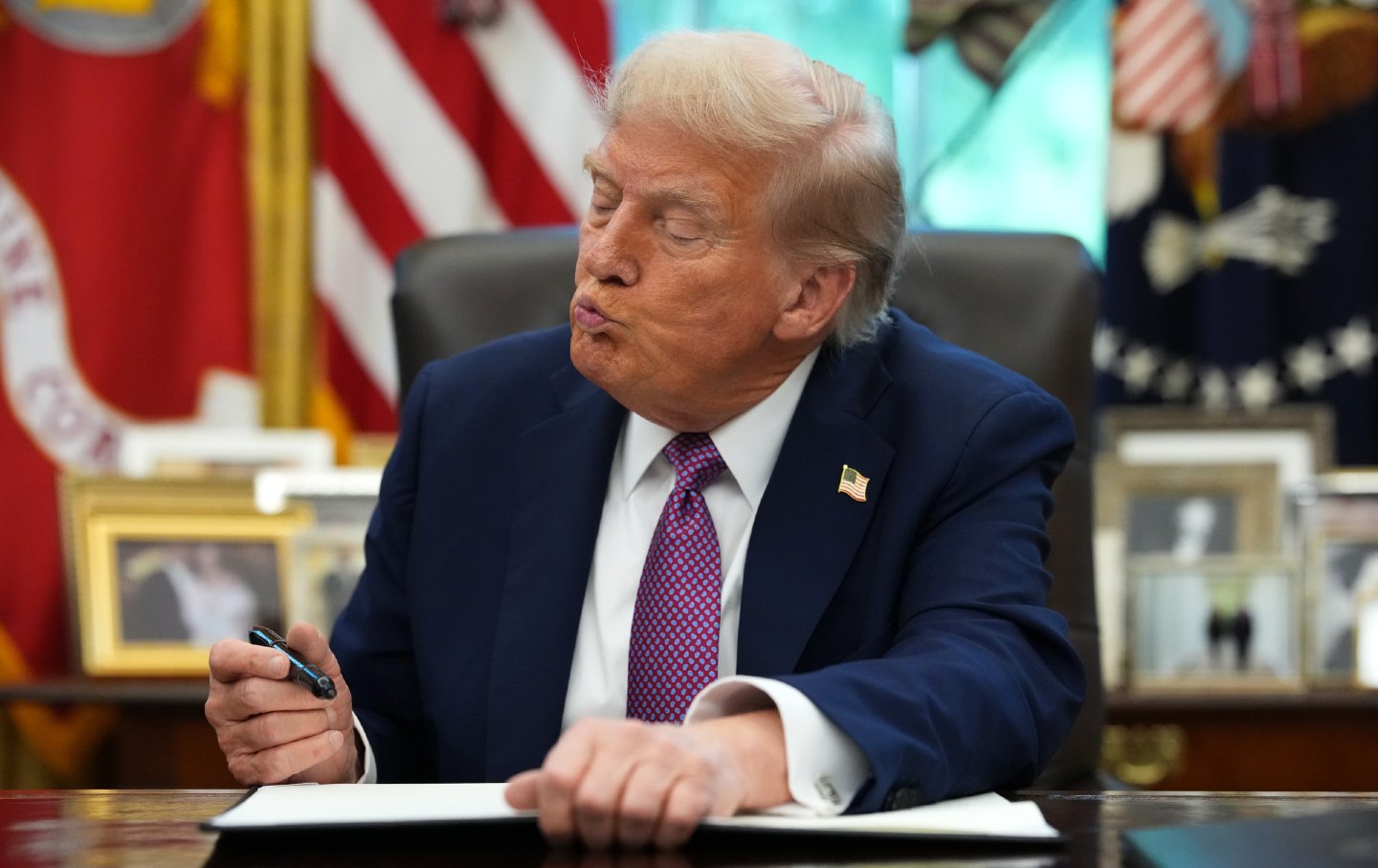
President Trump’s recent decision to rename the Pentagon the War Department was applauded by at least some analysts across the political system. Experts and spokespersons on the left praised the change as truth in advertising. Probably so, but it is cold comfort when the author of that decision seems to want to wage war on us—and in fact is already doing so.
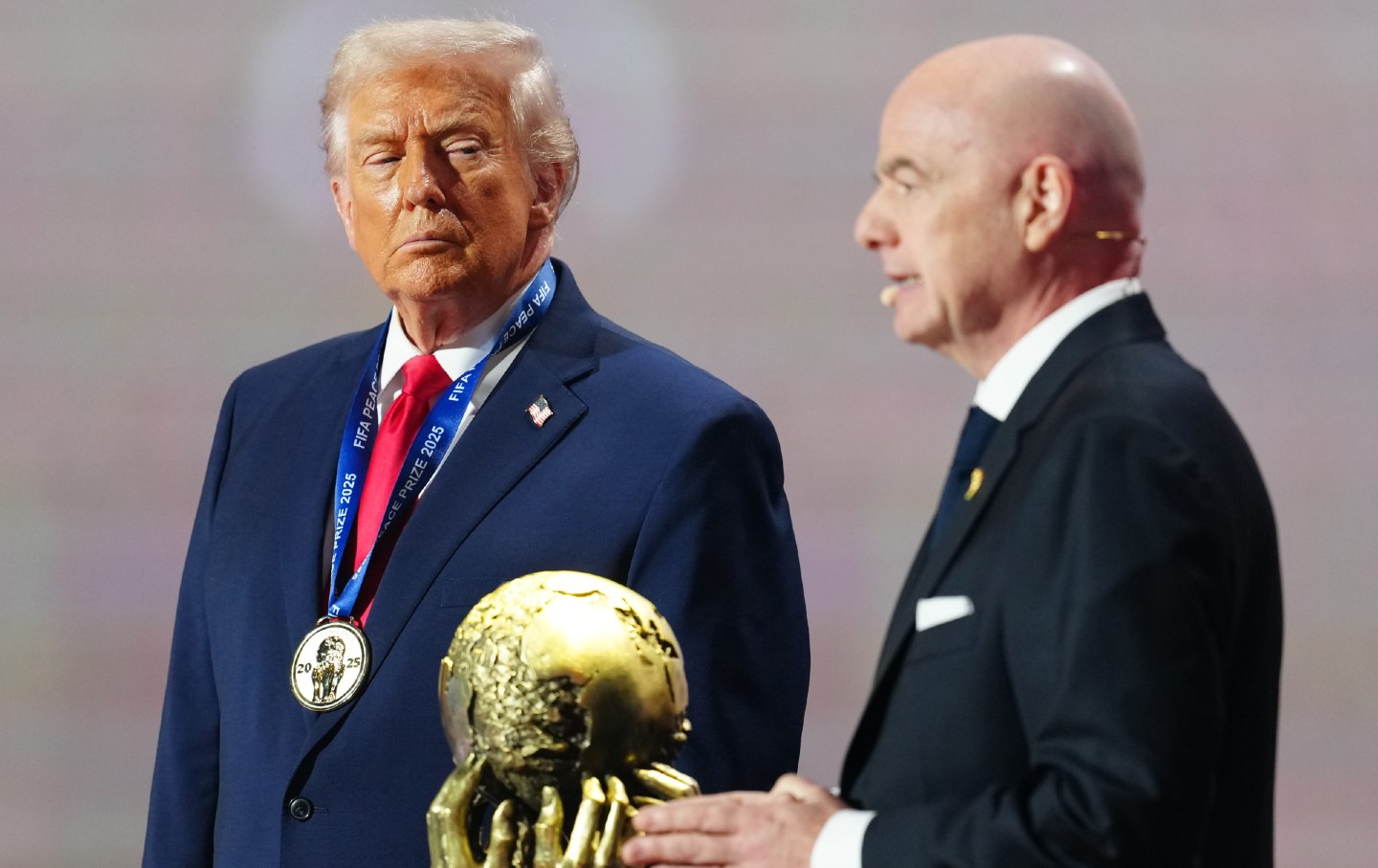
Despite Trump’s actual record, every once in a while, some pundit or think-tank analyst suggests that if Donald Trump’s true instincts were to kick in, he could become our unlikeliest “President of Peace.” Some suggest that it is the case because, after all, he desperately wants to get the Nobel Peace Prize.
Others say Trump will change course and get on the path to peace because he has no fixed ideology, unlike the neocon faction among the Never Trumpers—the men and women who brought you the war in Iraq, which Trump trashed relentlessly in his 2016 presidential campaign.
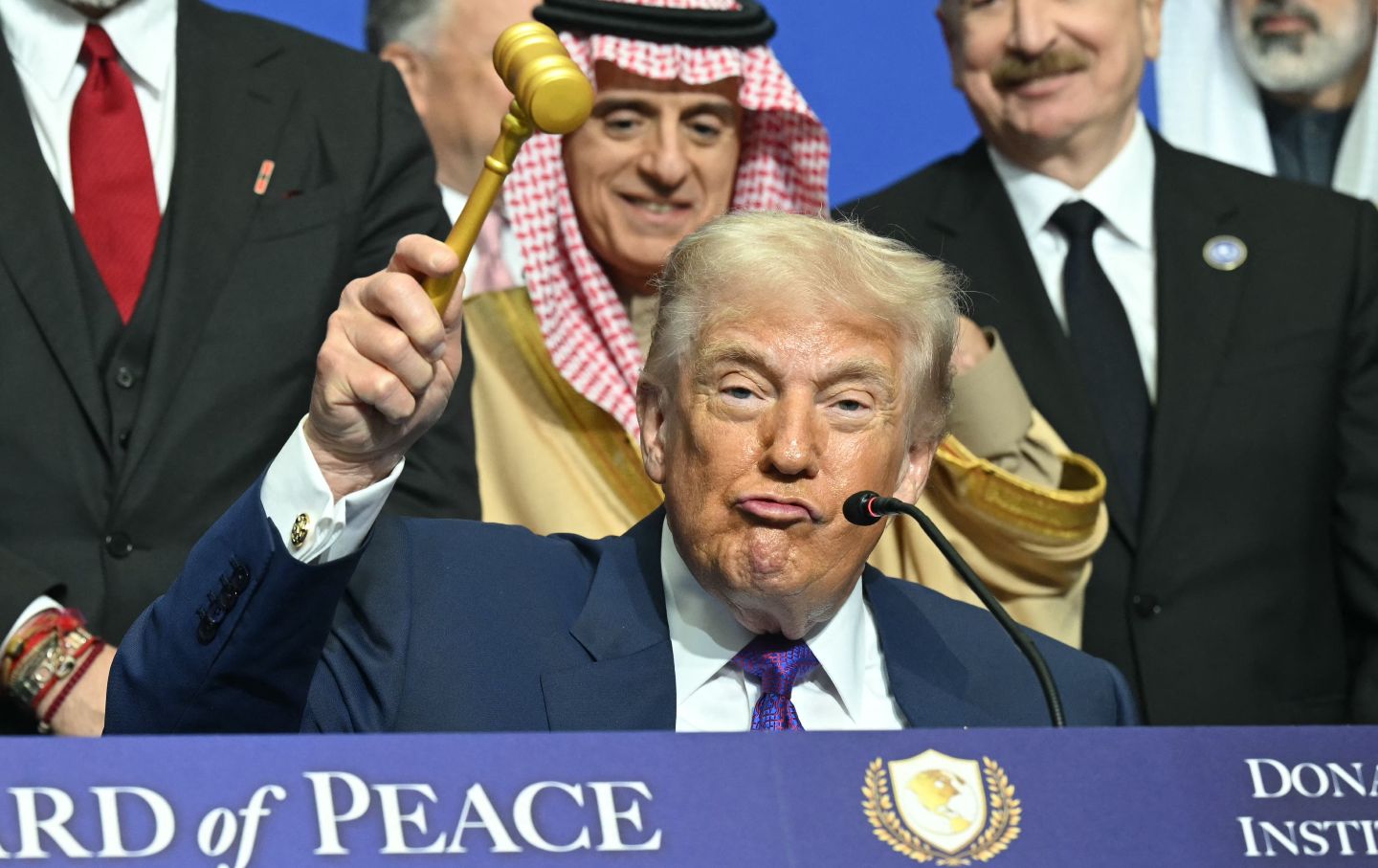
Furthermore, Trump is transactional. He likes to make deals, and he is willing to talk to the only people who can deliver a deal in many cases—US adversaries like Vladimir Putin and Kim Jong Un. Recent Democratic presidents have refused to do this, and as a result they were flying blind in any efforts to resolve a conflict, simply because they didn’t know enough about the other side’s concerns or red lines.
But Trump the potential conciliator and master dealmaker has done many things that suggest that he has no real interest in pursuing peace. His interest in helping end the war in Ukraine has more to do with freeing up resources for arms racing with China and further militarizing the US-Mexico border. And his administration’s new National Defense Strategy talks as much about combating the enemy within as it does about the risks posed by China’s economic and military rise.
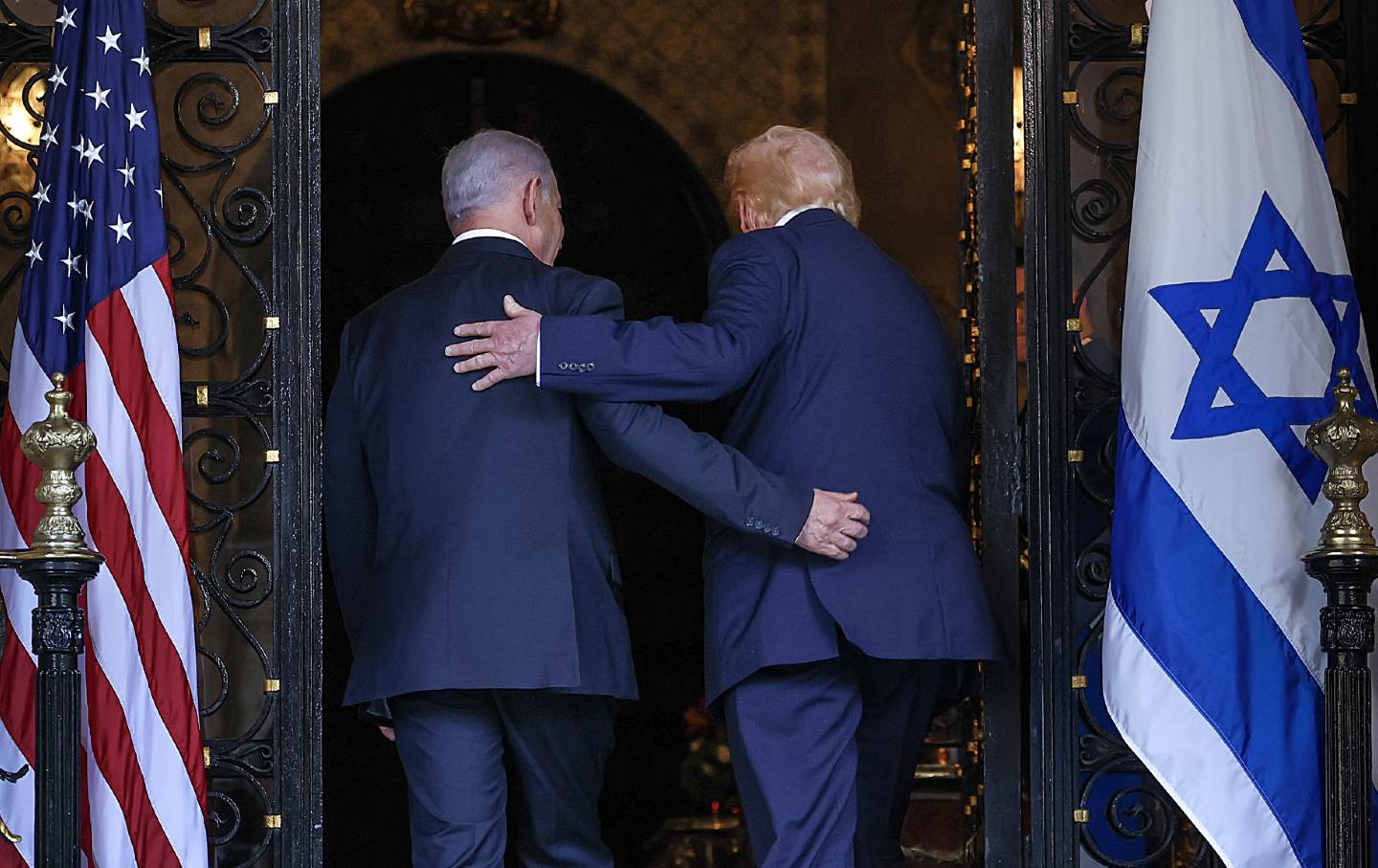
Add to that the bombing of Iran, the killing of alleged Venezuelan drug dealers without due process or congressional approval, the continuation of the Biden policy of funding and enabling Israel’s brutal attacks on Gaza, which many experts consider to be genocide. And don’t forget the routine practice of masked ICE agents grabbing people off the streets, or even in their homes, and sending them to detention centers in the US or horrific prisons in El Salvador.
Alongside all the above, President Trump’s claims that his administration is somehow pursuing “deep cuts” in Pentagon spending in the name of “efficiency.” Yet the proposed budget for next year—bolstered by additions contained in the misnamed Big Beautiful Bill, will exceed $1 trillion for the first time. It is well above levels reached at the height of the Cold War or the peak of the Vietnam conflict once they are adjusted for inflation.
The pushback against the militarization of our society and the massive transfer of funds to the war machine has not been strong enough to make a difference—yet. But if the victims of the flurry of executive orders emanating from the White House get together and fight back—joined by people whose lives and livelihoods are threatened by the big ugly bill—an effective resistance movement can be built.
So we have a lot of work to do—on ourselves, among our organizations, and by some of the institutions that have so far bent the knee to the Trump administration. But we have no choice but to fight back, and whatever the odds, I think we can turn back the tide of hatred and division.
Support independent journalism that does not fall in line
Even before February 28, the reasons for Donald Trump’s imploding approval rating were abundantly clear: untrammeled corruption and personal enrichment to the tune of billions of dollars during an affordability crisis, a foreign policy guided only by his own derelict sense of morality, and the deployment of a murderous campaign of occupation, detention, and deportation on American streets.
Now an undeclared, unauthorized, unpopular, and unconstitutional war of aggression against Iran has spread like wildfire through the region and into Europe. A new “forever war”—with an ever-increasing likelihood of American troops on the ground—may very well be upon us.
As we’ve seen over and over, this administration uses lies, misdirection, and attempts to flood the zone to justify its abuses of power at home and abroad. Just as Trump, Marco Rubio, and Pete Hegseth offer erratic and contradictory rationales for the attacks on Iran, the administration is also spreading the lie that the upcoming midterm elections are under threat from noncitizens on voter rolls. When these lies go unchecked, they become the basis for further authoritarian encroachment and war.
In these dark times, independent journalism is uniquely able to uncover the falsehoods that threaten our republic—and civilians around the world—and shine a bright light on the truth.
The Nation’s experienced team of writers, editors, and fact-checkers understands the scale of what we’re up against and the urgency with which we have to act. That’s why we’re publishing critical reporting and analysis of the war on Iran, ICE violence at home, new forms of voter suppression emerging in the courts, and much more.
But this journalism is possible only with your support.
This March, The Nation needs to raise $50,000 to ensure that we have the resources for reporting and analysis that sets the record straight and empowers people of conscience to organize. Will you donate today?