Israel’s Protests Reveal a Clash of Myths
The “democracy” both sides claim they are fighting to protect is a charade.
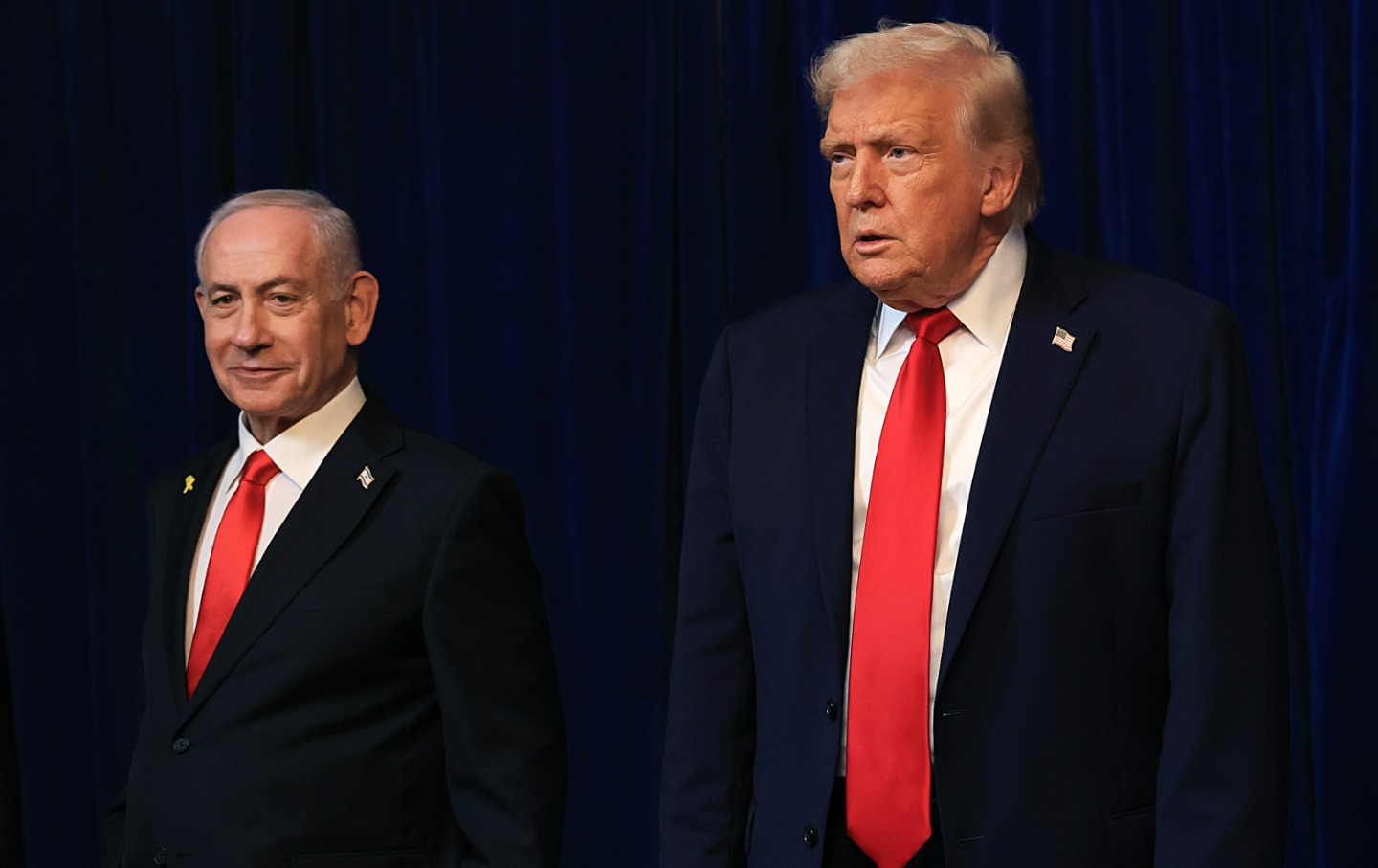
On July 24, Israel’s Knesset enacted the first major piece of the far-right government’s proposed “judicial reform,” aimed at undercutting the Supreme Court’s role as a watchdog over the executive and legislative branches. Passed by a margin of 64 to 0—opposition parties boycotted the final vote—the new law removes judges’ ability to override decisions made by elected officials that are deemed “unreasonable,” essentially granting politicians the power to act with little legal accountability.
The cancellation of the “reasonableness clause” would, among other things, enable Prime Minister Benjamin Netanyahu (currently on trial for corruption) to fire the attorney general (who is leading the prosecution against him) without fearing the court’s intervention.
Netanyahu’s personal interest, however, aligns with a more dangerous ideological agenda pursued by his coalition partners. Hours before the Knesset vote, Justice Minister Yariv Levin, one of the architects of the judicial overhaul, cited five rulings that he believed demonstrated the Supreme Court’s undue interference—all of them concerning Palestinians and critics of the occupation. No matter that such rulings are extremely rare; for the far right, the slightest chance that the court could obstruct state policy on the occupation must be eliminated.
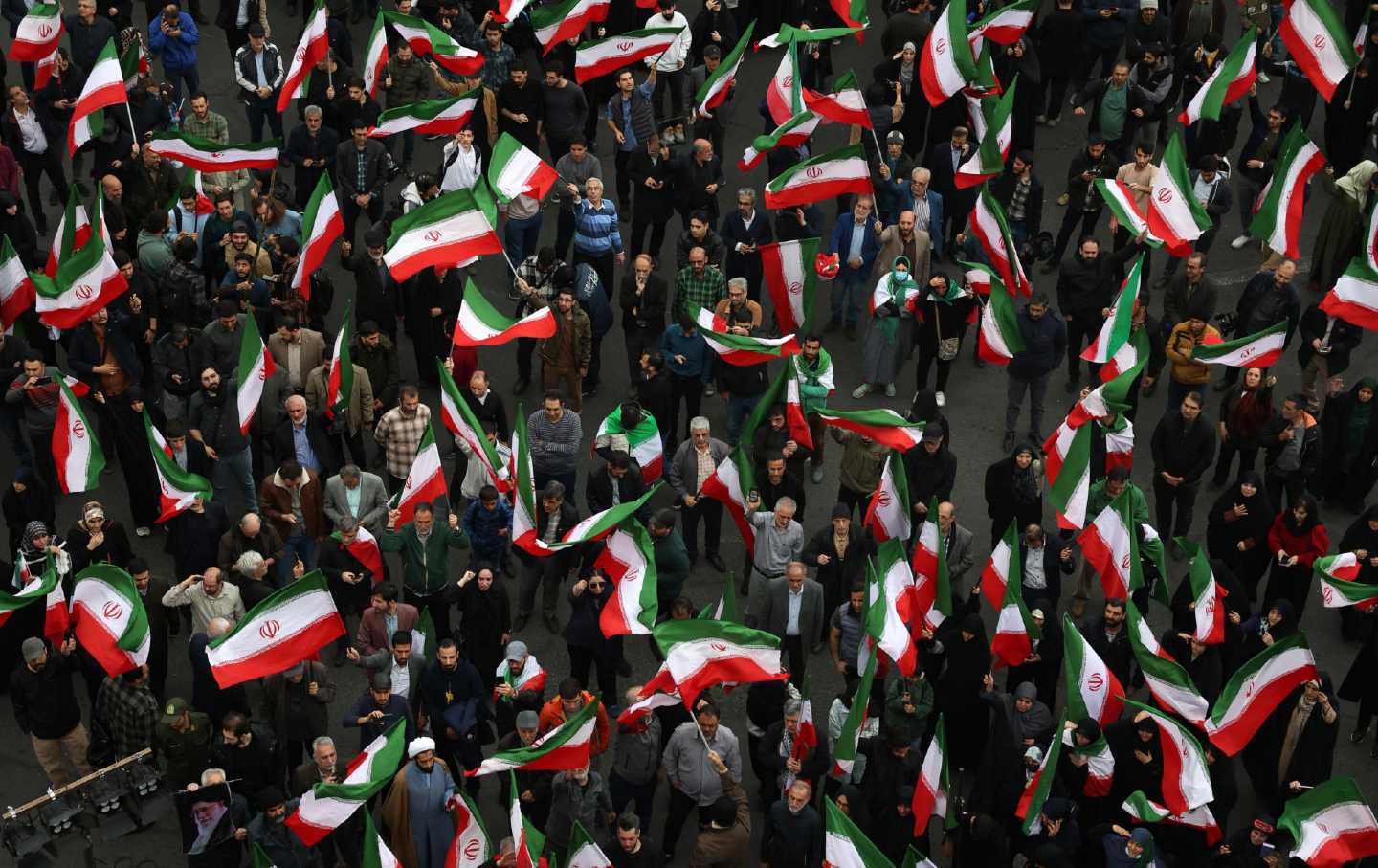
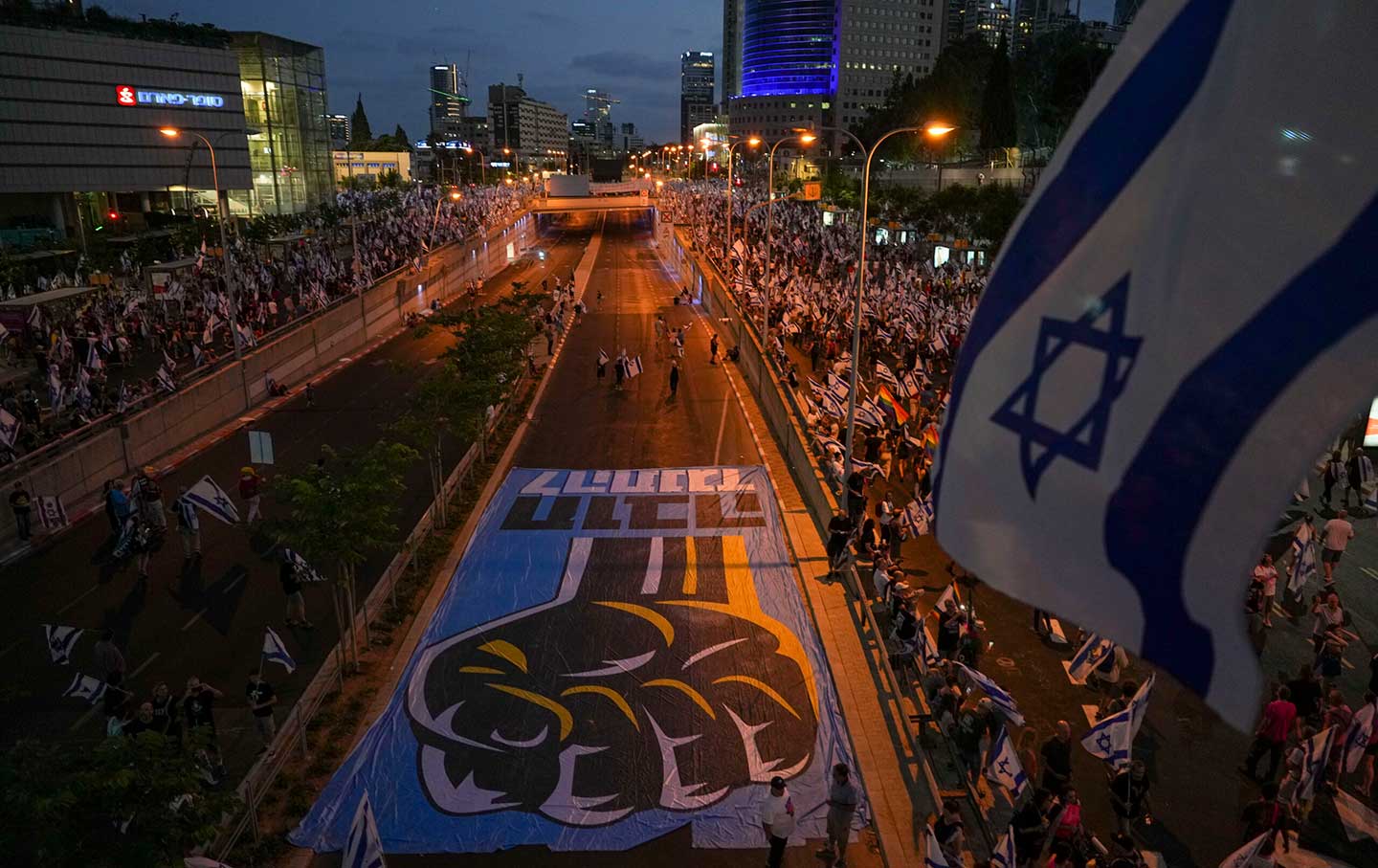
The government is inching ahead with its plans despite a wave of mass protests that have consumed the country since January. Hundreds of thousands are still demonstrating in the streets every week. Thousands of reserve soldiers have declared that they will refuse military duty. Labor unions have organized strikes, and tech and venture capital firms are redirecting their investments abroad. Even former IDF, Mossad, and Shin Bet officials have encouraged defiance of the government. It is the largest campaign of civil disobedience Israel has ever seen—and it appears set to escalate.
Israeli protesters are right to fear what an ultranationalist/religious coalition might do with no checks on its ambitions. Yet despite the real stakes, Israel’s political crisis remains predicated on a clash of two myths. The far right claims that the judiciary, and the Supreme Court in particular, constantly intrudes on the Knesset’s electoral mandate and inhibits Zionism’s full potential. The opposition insists that the courts are bastions protecting the rights of all inhabitants of Israel, keeping authoritarian impulses at bay.
Both narratives have little relation to reality. According to a study of thousands of cases brought to the Supreme Court from 1995 to 2016, nearly 90 percent of petitions against the government were rejected by judges. These included challenges to the state’s land seizures, brutal military practices, and racist legislation (since 1995, less than 1 percent of laws reviewed each year by the court were struck down). Many of these policies were contested by Palestinians—on both sides of the Green Line—and almost all received the judges’ stamp of approval.
For instance, on July 25, Knesset members on both sides of the aisle voted to expand the scope of the “admissions committees” law, allowing hundreds of localities to filter applicants for housing based on their “suitability” to the existing “social and cultural fabric.” The original 2011 law—aimed at Palestinian citizens of Israel and other groups who challenge discriminatory housing policies—was approved by the Supreme Court in 2014. The bluntly racist Jewish nation-state law, which proclaims that Jewish settlement is a “national value,” was also upheld by the court two years ago.
Most Israeli protesters don’t want to hear such criticism—it would mean reckoning with the reality that the “democracy” they are fighting to protect is in fact a charade. Even if this far-right government is brought down, over half of the 14 million people under Israel’s rule will remain either completely disenfranchised or forced into second-class citizenship in the name of preserving the country’s “Jewish character”—one of many reasons Israel is rightly being called an apartheid state.
Americans, too, must abandon their illusions about what Israeli democracy actually is. The Biden administration, American Jewish organizations, and media commentators have correctly spoken up against the far right’s agenda in unprecedented ways. But will they use their leverage to demand real equality and justice for all? Or just enough to restore Israel’s facade for the next government?