
Israel’s Genocide Has Resumed—and So Have the Media’s Failures
Israel has returned to full-scale slaughter in Gaza. Western outlets have returned to the same disastrous coverage of the past 18 months.
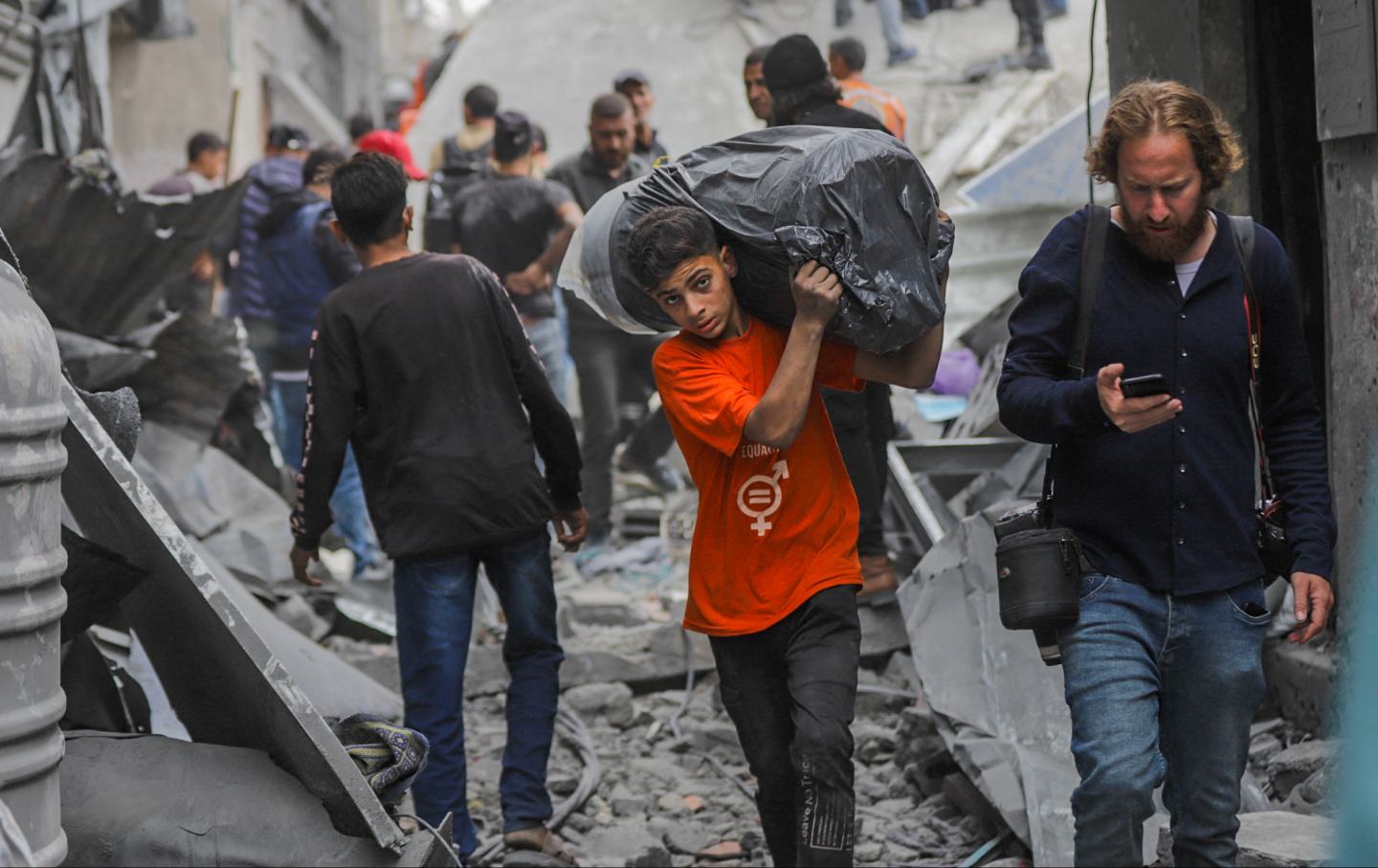
People walk among the rubble of the residential buildings targeted in Israel’s attack on Gaza on April 9, 2025.
(Saeed Jaras / Middle East Images/ AFP via Getty Images)On March 18, Israel shattered the two-month-old so-called ceasefire in Gaza by launching the deadliest attack since November of 2023 and killing over 400 Palestinians, nearly half of whom were children. Since then, the violence has been unrelenting. The United Nations has estimated that at least 100 children have been killed or injured in Gaza every single day.
Israel’s decision to resume full-scale slaughter didn’t just plunge Gaza back into the depths of carnage. It also provided a new test for Western media outlets. After so many months of death, and with Israel having unambiguously spurned peace, would they finally give the genocide of Palestinians the volume, and tenor, of coverage that it deserved?
It shouldn’t surprise anybody too much that the answer to that question has been a resounding no. As the genocide enters its 19th month, and the atrocities continue, so does the media’s failure.
While human rights groups like Amnesty International were quick to condemn the March 18 attacks and call out “Israel’s genocide and its unlawful air strikes,” Western media headlines initially scrambled to rationalize Israel’s crimes and frame the attacks as “against Hamas.”
By focusing their headlines on Hamas rather than the mass civilian casualties, the media repeated Israeli talking points while ignoring the very public footage that clearly showed Israel was indiscriminately bombing Gaza, again.
What makes this practice by the Western media more outrageous is that it so often treats the claims of Israel—a state committing genocide—as fact, while casting doubt on Palestinian authorities with the now commonly used preface of “Hamas-run.” Worse yet, by using the language of “accusation” rather than fact, the media downplays the evidence-based research and reports from prominent institutions like the United Nations, Amnesty International, and Human Rights Watch.
As our timelines on March 18 became filled with the carnage from Israel’s air strikes and the horrific images of the bodies of Palestinian children piling up, mainstream media was forced to provide coverage, even if it lacked the urgency or outrage the moment warranted. But outlets were still referring to a “fragile ceasefire” or saying that Israel’s decision to unilaterally tear up its agreement with Hamas had put the ceasefire in “doubt,” rather than destroying it altogether.
This absurd claim and the refusal of Western outlets to call Israel’s actions a violation of the ceasefire—especially in the aftermath of an Israeli massacre—exemplifies how the media has framed the entire notion of a “ceasefire” for Palestinians from the start of the supposed truce that began on January 19.
In fact, Israel was killing an average of three Palestinians per day during this period. Yet Western headlines continued to refer to a ceasefire. Would the media use the same language if an average of three Israelis were being killed every single day? It seems highly unlikely that such a circumstance would not receive wall-to-wall media coverage with headlines about the repeated violations of the ceasefire deal. Just days before the March 18 massacre, a single Israeli attack killed nine Palestinians, an incident that the media still did not characterize as a violation of the deal.
This also illustrates the deceptiveness of the false Israeli talking point that “there was a ceasefire on October 6.” For Palestinians living under military occupation, blockade, apartheid, and with the constant threat of losing their homes, their land, and their lives, there was no peace before October 7. Thus, the Western narrative that is publicized by the media reinforces the idea that it is a ceasefire as long as Israelis are safe, whereas Palestinian lives are expendable.
Perhaps the most egregious distortion by the media has been framing Israel’s resumption of uninhibited bloodshed as a return to “war” or “fighting.” Though reports from the United Nations, Amnesty International, Human Rights Watch, and other experts have concluded Israel is committing genocide in Gaza, Western media refuses to employ that language. As such, the media is effectively engaging in genocide denial.
When another recent report by the UN concluded that Israel has “carried out genocidal acts through the systematic destruction of sexual and reproductive healthcare facilities,” Western outlets utilized the familiar rhetoric of “accusation.” Rather than presenting these findings as yet more evidence of the growing global consensus that Israel is committing genocide, Western media used scare quotes to call the findings into question.
Even when Israel leaves no room at all for ambiguity, media outlets race to provide some. For instance, Israel openly declared on March 2 that it would be halting all aid to Gaza, another violation of the ceasefire deal and international law. A week later, Israeli officials added that they would be cutting off electricity in addition to food and fuel, a move Amnesty International called “further evidence of Israel’s genocide against Palestinians in the occupied Gaza Strip.”
How did the media cover these obvious transgressions? Western outlets presented Israel’s decision to deliberately block aid to a civilian population—an act of collective punishment—as a legitimate tactic of war to “pressure Hamas” and extract concessions, then repeated the same pattern a week later when Israel announced that it would cut off electricity to Gaza.
Popular
“swipe left below to view more authors”Swipe →Just days after Israel officially ended the “ceasefire,” video emerged on March 21 of Israeli forces purposely demolishing Gaza’s only cancer hospital. A video of Israel blowing up a hospital, a brazen war crime for all to see, elicited almost no reaction from the mainstream media. When Israel attacked another hospital within days, killing five people, including a 16-year-old boy, Western media outlets attempted to justify striking hospitals under the guise of “targeting Hamas.”
In the weeks since March 18, a genocide that was never actually paused has continued unabated. From targeting hospitals and UN compounds to attacking Red Cross Headquarters and murdering journalists like Hossam Shabat, Israeli forces appear to be completely unrestrained in the ruthless violence they continue to execute against Palestinian civilians, aid workers, and all protected persons.
Each of these horror stories should have prompted wall-to-wall media coverage and outrage. In reality, most were underreported and failed to hold Israel accountable for its crimes or even call their actions criminal. The recent case of Israel killing 15 Palestinian medics and rescue workers, then burying them in a mass grave with their crushed emergency vehicles, provides a glaring example of how the mainstream media avoids reporting Israel’s atrocities.
Palestinians were reporting that Israel had targeted rescue workers for over a week before Western outlets ran the story. Israel even admitted to firing on their vehicles days before, without getting much traction. It was not until the UN Office for the Coordination of Humanitarian Affairs and officials such as Jonathan Whittall posted videos confirming the reports that mainstream media was finally forced to cover this abhorrent crime by Israel.
Still, like their other reporting, many of the articles used the language of “accusation”—despite the video evidence—and repeated Israeli rationale for the killings. It is this pattern of underreporting and whitewashing of Israel’s war crimes that raises the question of the media’s complicity. After all, what is more newsworthy than Israel resuming its genocide in full force?
Become a Sustaining Donor This September
Between the reemergence of right-wing red-baiting and Donald Trump’s use of the chilling National Security Presidential Memorandum–7 to criminalize left political organizing, we’re seeing McCarthyism reborn before our eyes.
This assault on democracy cannot be ignored or wished away. Resisting it requires bravery in the face of threats and repression, a steadfast commitment to the truth, and the unwavering belief that we can—and will—overcome this darkness.
We must have an independent media that sets the record straight, unearths corruption and abuses of power, and advances a politics of justice and dignity for all if we’re to win this fight.
That’s why I’m writing to you today. This September, The Nation needs to add 100 monthly donors to sustain our progressive journalism. Your contribution makes the next investigative report, the next truth-speaking column, and the next pathbreaking essay all possible.
I hope you’ll support our work with a recurring donation today. If you donate $10 or more a month, we’ll send you a brand new “Hands Off the Free Press!” sticker to recognise your commitment to our cause. Please, donate today.
Onward,
Katrina vanden Heuvel
Editor and Publisher, The Nation
More from The Nation

Pinochet: The Verdict of History in the Letelier-Moffitt Case Pinochet: The Verdict of History in the Letelier-Moffitt Case
An act of international terrorism on the streets of Washington, DC, still reverberates 50 years later.
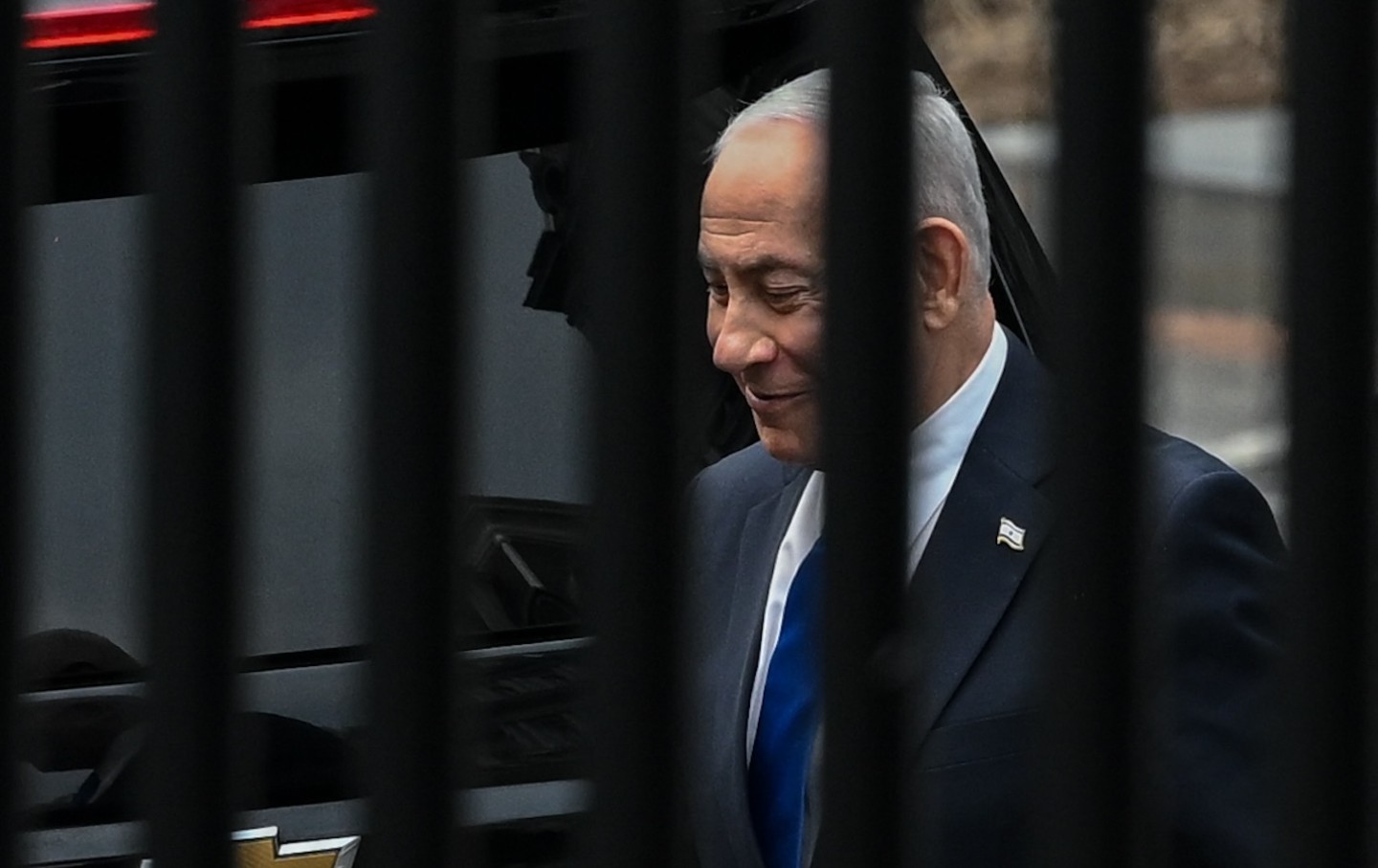
How to Arrest Benjamin Netanyahu How to Arrest Benjamin Netanyahu
Make no mistake: The United States can seize Netanyahu for crimes under US law and prosecute him in US courts when he is in New York City this week.
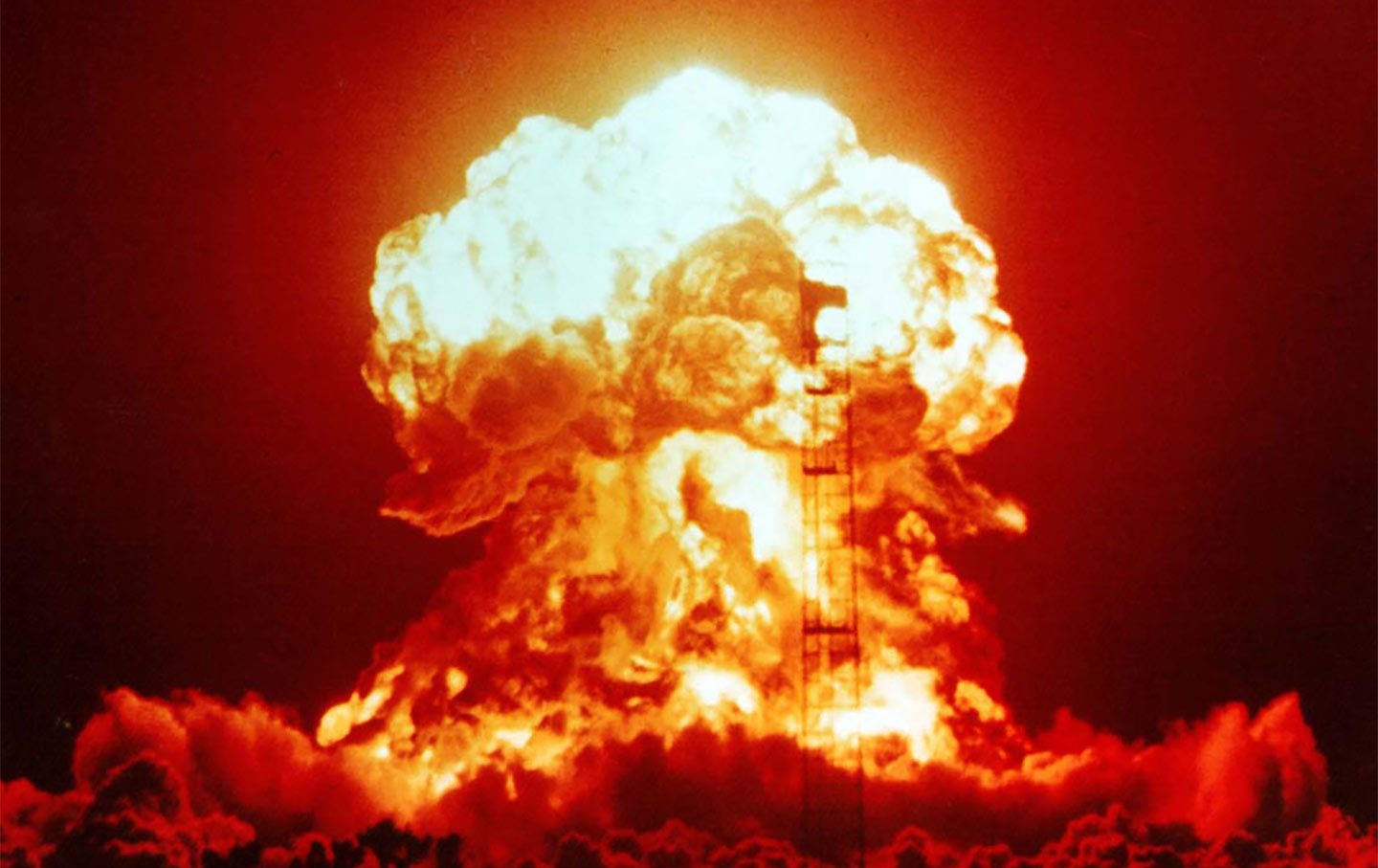
In the Age of AI, Nuclear Weapons Abolition Is a Renewed Imperative In the Age of AI, Nuclear Weapons Abolition Is a Renewed Imperative
As long as we have nuclear weapons, the job of ending humanity will continue to be as easy as the push of a button—or an AI agent hacking into a nuclear command-and-control system...
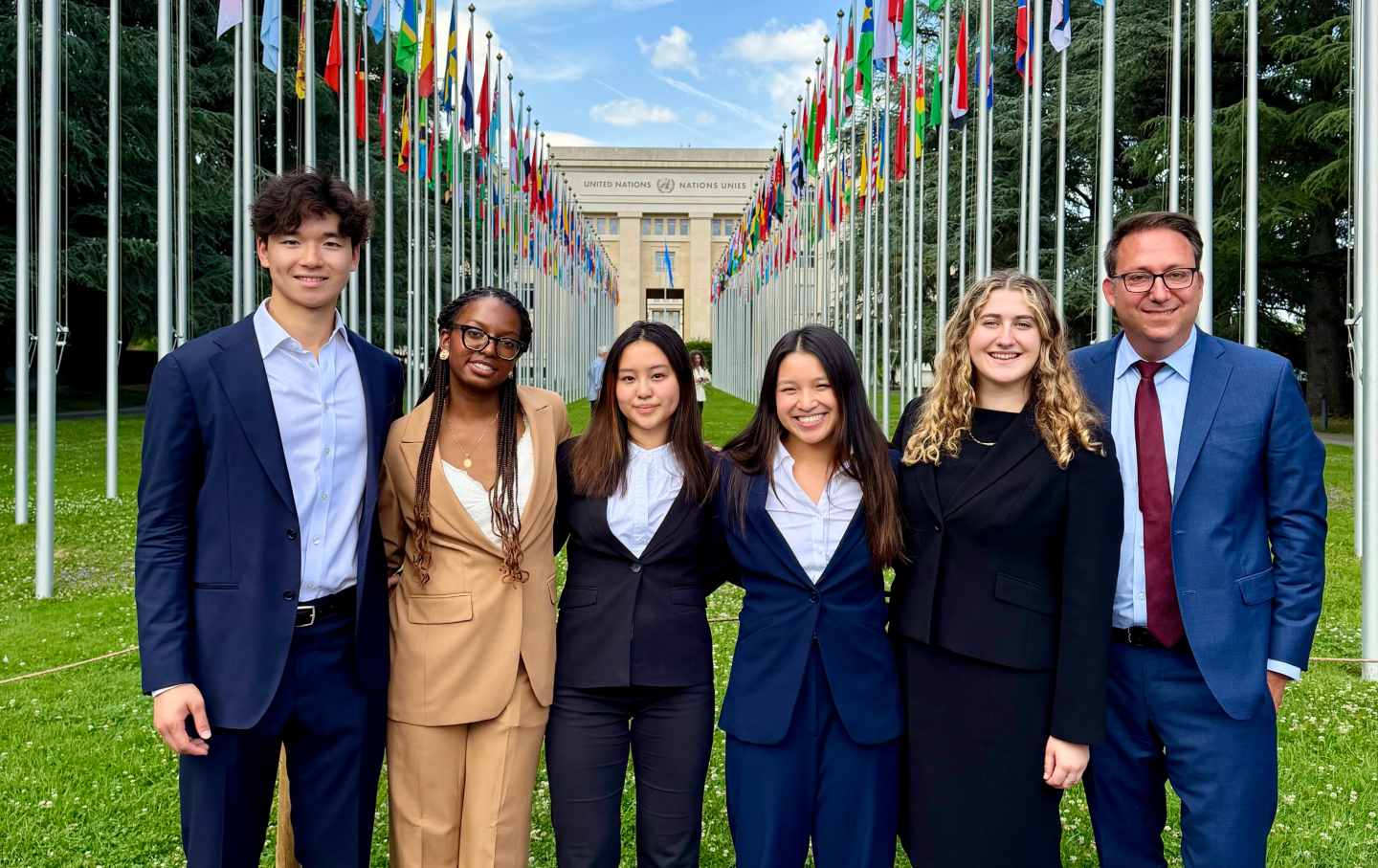
These Students Are Shaping UN Human Rights Policy These Students Are Shaping UN Human Rights Policy
Princeton undergraduates are helping the organization develop standards for post-mortem digital privacy and death in custody.
The Peril of Trump’s Final Act: Would He Use a Tactical Nuclear Weapon in Iran? The Peril of Trump’s Final Act: Would He Use a Tactical Nuclear Weapon in Iran?
Trump is trapped in a war that has already been lost, a reality that he will never allow himself to admit.
A Spreading War Rattles Global Energy Markets A Spreading War Rattles Global Energy Markets
Analysts say the consequences for energy prices and the world economy may be more serious in this later phase of a war that many had expected to be largely over by now.

