
We Can Defeat Trump’s Lawlessness. We’ve Done It Before.
Donald Trump’s intimidation tactics are not new. At the height of the civil rights movement, segregationists harassed our civil rights lawyers.
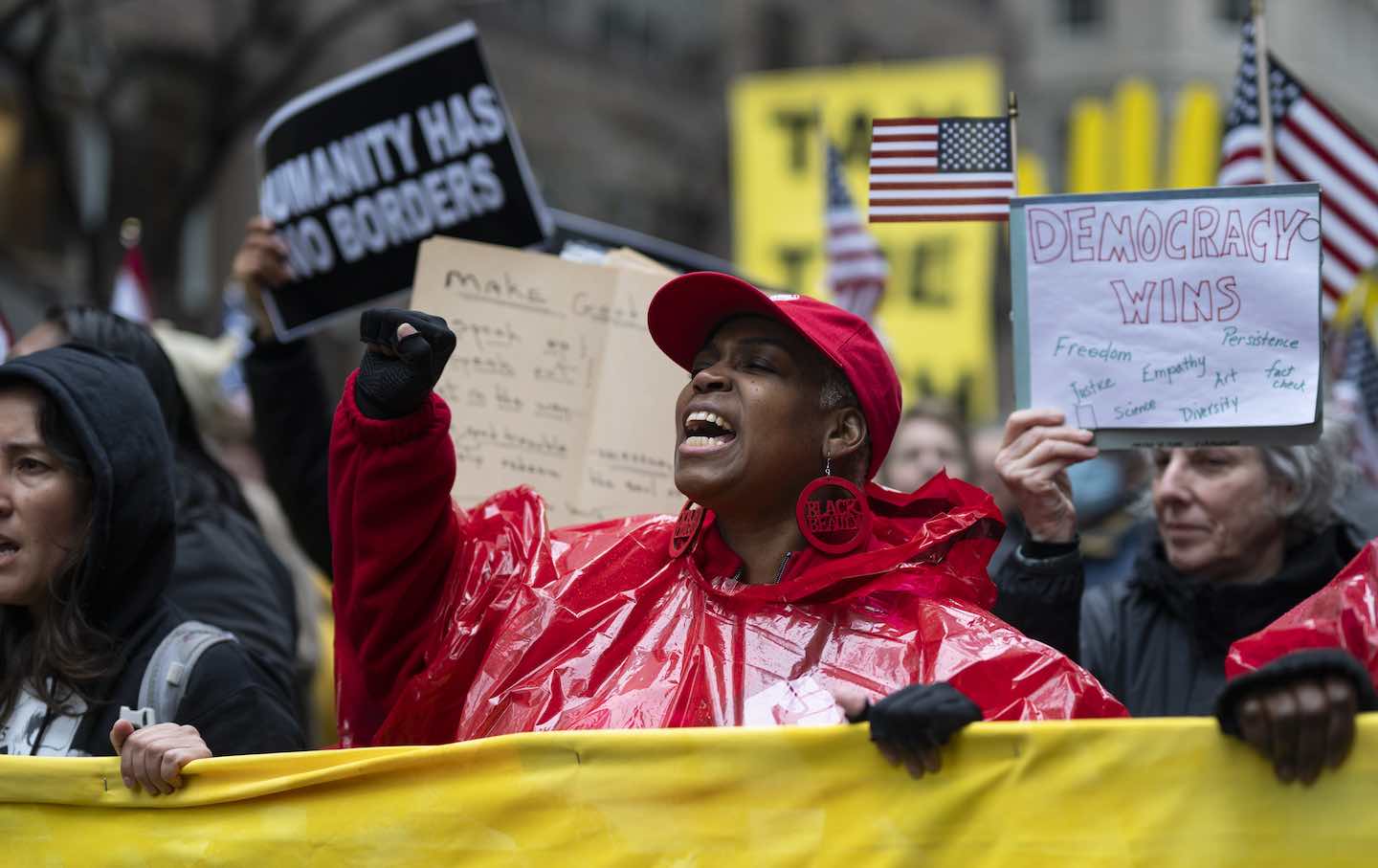
People take part in a massive anti-Trump “Hands Off” protest and march in New York City, New York, April 5, 2025.
(Mostafa Bassim / Anadolu via Getty Images)In our collective imagination, there’s a common nightmare about how democracies fall. Tanks rolling in. War breaking out. Blood spilled.
But history tells a different story—less dramatic, but no less devastating. Most democracies don’t die by gunfire. They die gradually. Quietly. Passively. A right revoked. A freedom restricted. A norm shattered. A collective silence. Before long, you look around and realize that the scaffolding of democracy has been dismantled in plain sight.
It’s why the rule of law must be protected at all costs. Encroachments on it are not mere policy disputes. They are the canaries in the coal mine. And today, those canaries are gasping for air.
Since returning to the White House less than three months ago, Donald Trump has trampled constitutional norms, civil rights, and the rule of law. He’s ordered the arrest of peaceful protesters, gutted LGBTQ+ protections, undermined voting rights, deported lawful residents, fomented the unbridled hate that fuels antisemitism, and resurrected a level of anti-Black racism not seen in the modern era. The proverbial tanks are here—but instead of carrying rifles and soldiers, they’re armed with executive orders, presidential fiats, and white nationalist codespeak.
One of the most alarming instances of Trump’s disregard for the rule of law came last month in a series of executive actions naming and punishing various law firms and attorneys that have represented clients whom the president perceives to be political enemies. On March 6, Trump targeted Perkins Coie for representing his political rivals during the 2016 election and allegedly unlawful diversity, equity, and inclusion practices. On March 25, he targeted Jenner & Block for its past employment of a prosecutor who was involved in special counsel Robert Mueller’s investigation into Trump for election interference. Two days later, on March 27, he targeted Wilmer Cutler Pickering Hale and Dorr for its past employment of Mueller himself. And on March 23, Trump issued a broader memorandum directing the Justice Department—in theory an impartial arbiter of the law, but under this administration a tool for implementing the president’s vendettas —to seek sanctions against attorneys or firms that challenge him in court with purported “frivolous” claims despite his steady record of court losses.
These are not policy disagreements or differences of opinion; they are direct assaults on the independence of the legal profession. And, to paraphrase US District Judge Beryl Howell in describing the executive order punishing Perkins Coie, the scope and scale of the attacks on the legal profession should send chills down every American’s spine.
At the Legal Defense Fund, we know this tactic better than any other legal organization in the country, sadly—we’ve lived it before. At the height of the civil rights movement, segregationists across the South weaponized state power to harass and intimidate our civil rights lawyers in an effort to prevent us from engaging in advocacy. Alabama demanded that the NAACP, of which we were a part until 1957, disclose its membership lists. Texas falsely accused and sued the NAACP and LDF over a “medley of charges,” including allegedly generating profit while claiming nonprofit status. Georgia tax authorities jailed the NAACP’s Atlanta chapter president. And Arkansas dissolved the state NAACP by executive order.
Then, as now, the goal was simple: Destroy the lawyers and you weaken the prospect of opposition. Thankfully, that is not how the story ended then, and it is not how it is destined to end now. We, the American people, have the wherewithal to chart a different course.
The president’s actions aren’t just authoritarian; they’re also deeply un-American. They threaten the constitutional principle that every individual and institution deserves legal representation, and that lawyers must be free to do their jobs without fear of reprisal. That principle is foundational—not just to our profession, but to American democracy.
That’s why LDF filed an amicus brief last week in Perkins Coie LLP v. U.S. Department of Justice, as well as on behalf of law firms Wilmer Hale and Jenner & Block, urging the court to reject this blatant abuse of executive power. If lawyers are forced to choose their clients based on fear of retaliation, the rule of law and the constitutional order it undergirds will crumble. And without an independent bar and judiciary, there will be no check on Trump’s lawlessness.
Indeed, we are seeing only the beginning of Trump’s radical agenda, including these intimidation tactics and the normalization of ideas once considered unthinkable. In recent weeks, after sending hundreds of migrants the administration has deemed violent gang members to El Salvador’s Terrorism Confinement Center, without providing evidence of such membership (beyond wrongly identified tattoos), President Trump casually and repeatedly floated the idea of exiling American inmates to the notorious maximum security prison. This notion—what would be a massive violation of the civil and human rights and civil liberties of American citizens—is among the most atrocious threats Trump has issued. He won’t stop there.
So where do we go from here?
Defend. Disrupt. Dream. That is LDF’s prescription.
We must defend the rule of law. Defending against autocracy—whether foreign or domestic—is central to the history of this country. Defense is itself both a demonstration of strength and norms and a testament to the enduring power of the rule of law and fairness, even under relentless attacks.
Second, we must disrupt the machinery of authoritarianism. That means challenging illegal executive actions, using every procedural, technical, and structural lever within the bounds of the law. It’s why LDF is standing with and supporting law firms who are challenging Trump’s executive orders and why we are challenging this administration’s overreach in other cases. This is not a moment for moderation.
Popular
“swipe left below to view more authors”Swipe →And finally, we must dream. To dream in this moment is itself an act of resistance. Our ancestors dreamed of freedom even though their hands were shackled; they conceived of justice while enduring systemic cruelty; they believed in a multiracial democracy even though it defied the only reality they had ever known. Their dreams changed this country. Ours must too.
This is not a battle for lawyers alone. It is a fight that demands the full attention and participation of every American—liberal and conservative, skeptic and idealogue. If democracy is to endure, it will do so only if we all rise to meet this moment with unwavering fidelity to the law and undying conviction to deliver justice.
Become a Sustaining Donor This September
Between the reemergence of right-wing red-baiting and Donald Trump’s use of the chilling National Security Presidential Memorandum–7 to criminalize left political organizing, we’re seeing McCarthyism reborn before our eyes.
This assault on democracy cannot be ignored or wished away. Resisting it requires bravery in the face of threats and repression, a steadfast commitment to the truth, and the unwavering belief that we can—and will—overcome this darkness.
We must have an independent media that sets the record straight, unearths corruption and abuses of power, and advances a politics of justice and dignity for all if we’re to win this fight.
That’s why I’m writing to you today. This September, The Nation needs to add 100 monthly donors to sustain our progressive journalism. Your contribution makes the next investigative report, the next truth-speaking column, and the next pathbreaking essay all possible.
I hope you’ll support our work with a recurring donation today. If you donate $10 or more a month, we’ll send you a brand new “Hands Off the Free Press!” sticker to recognise your commitment to our cause. Please, donate today.
Onward,
Katrina vanden Heuvel
Editor and Publisher, The Nation
More from The Nation

How Trump’s Crackdown on Speech Has Damaged the Student Press How Trump’s Crackdown on Speech Has Damaged the Student Press
I serve as editor in chief and president of The Stanford Daily. Our newsroom has keenly felt the effects of Trump’s campus crackdown, which is why we sued the federal government.

Treat Spotify Like a Public Utility Treat Spotify Like a Public Utility
Music streaming platforms have way too much control over musicians and music lovers. It’s time to rein them in.
What’s the Matter With Effective Altruism? What’s the Matter With Effective Altruism?
President Trump has decried the techbro creed for indulging in AI doomerism, but its excesses are far worse than that.
As Morale Sags, More Military Service Members Are Having a Crisis of Conscience As Morale Sags, More Military Service Members Are Having a Crisis of Conscience
According to multiple GI rights organizations, service members are inquiring in unprecedented numbers about seeking conscientious objector status.
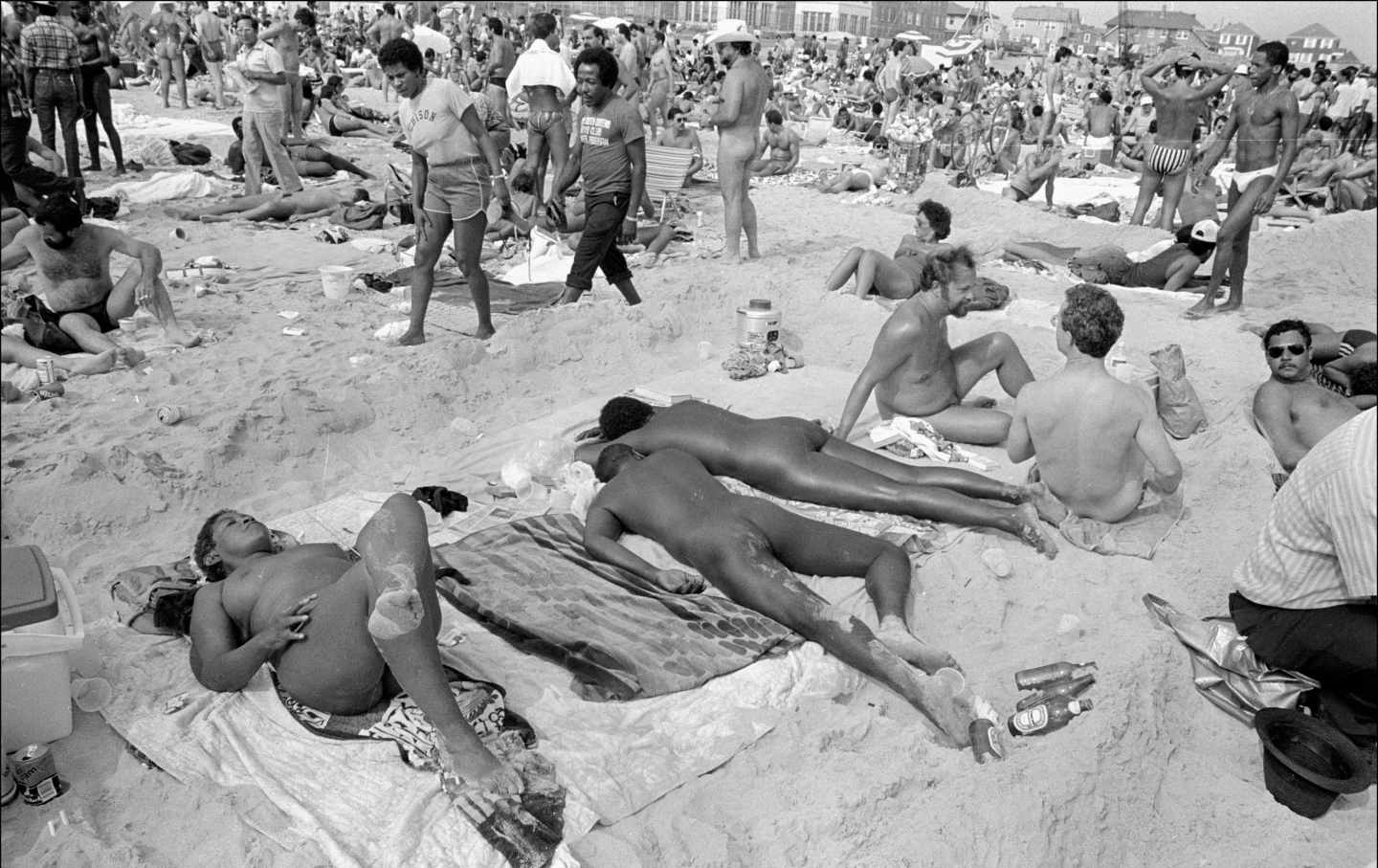
What Remains of Riis? What Remains of Riis?
A new members’ club has revived Riis Park’s long-vacant bathhouse, reopening old questions about whom the People’s Beach is really for.

When Texas Sex Ed Falls Short, Gen Z Women Turn to Social Media When Texas Sex Ed Falls Short, Gen Z Women Turn to Social Media
A 2025 study found that 70 percent of adolescents sought reproductive health information through social media platforms.

