Prison Innovations
Writer James Kilgore and information artist Vic Liu demonstrate the improvisations and ingenuities that allow incarcerated people to experience some small human comforts.
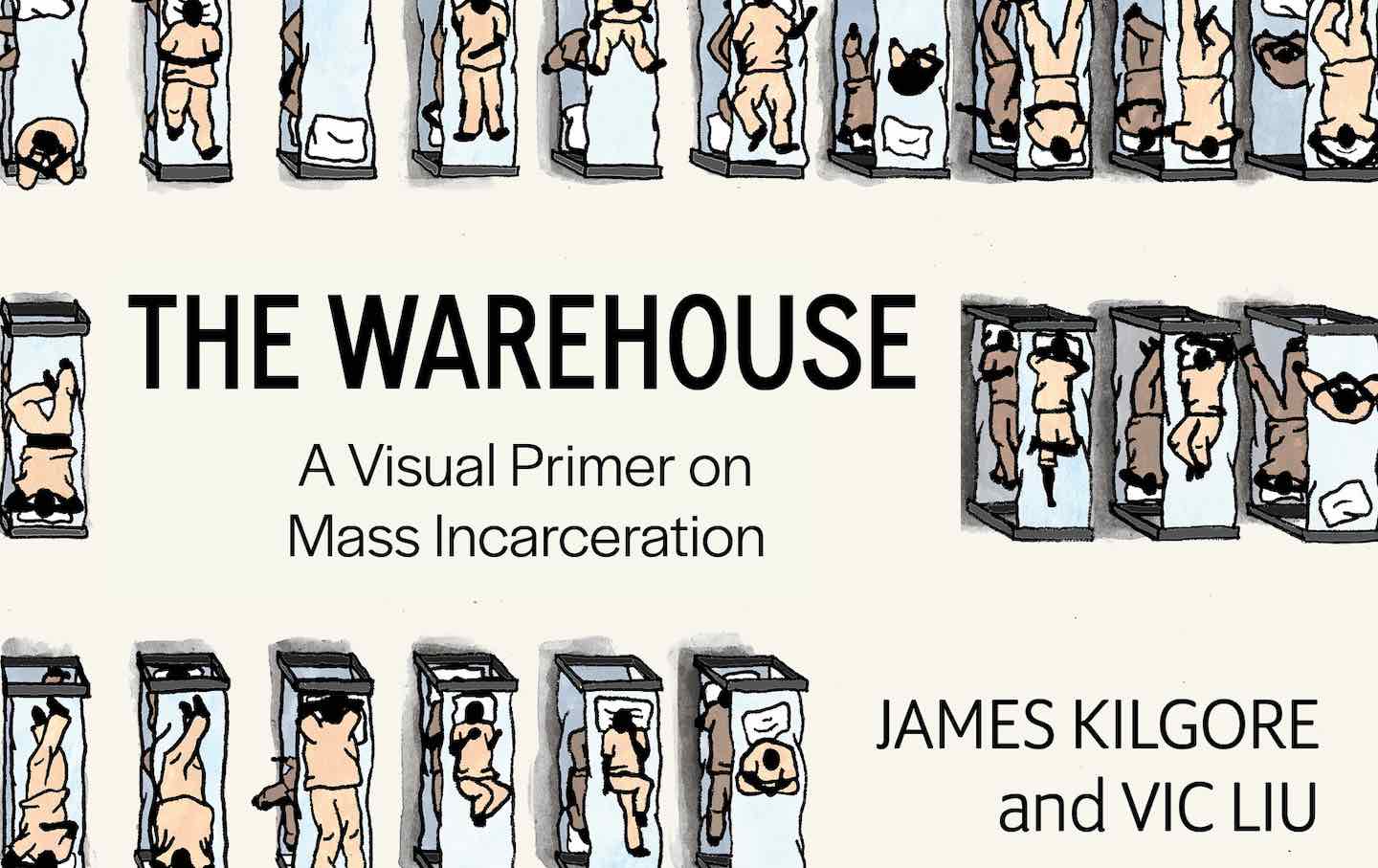
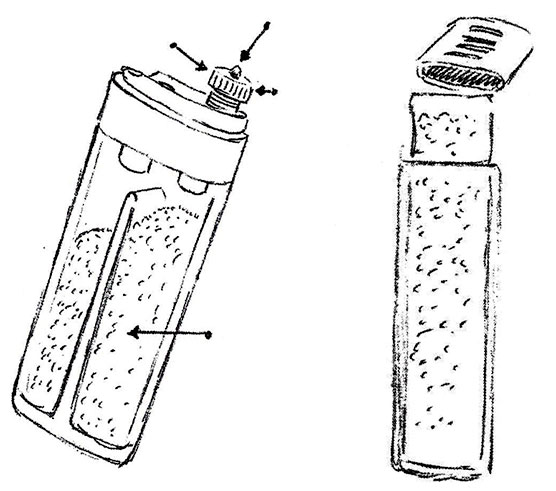
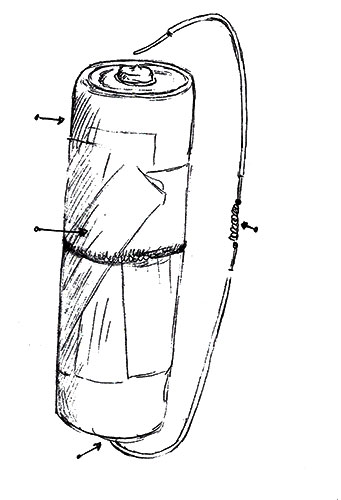
The unforgiving, uniform structure of prison life makes it difficult for a person to hold on to their identity as an individual. Prisoner innovation is a way to reclaim control over one’s humanity. Angelo, an incarcerated artist who drew the pencil sketches shown here, writes, “If some of what’s presented here seems unimpressive, keep in mind that deprivation is a way of life in prison…. But inmates are resilient if nothing else—what’s taken today will be remade by tomorrow, and the cycle goes on and on.”
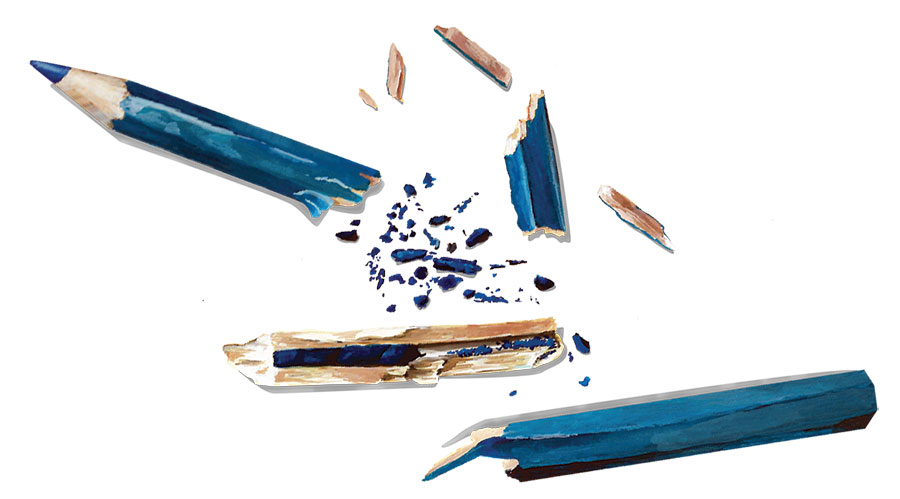
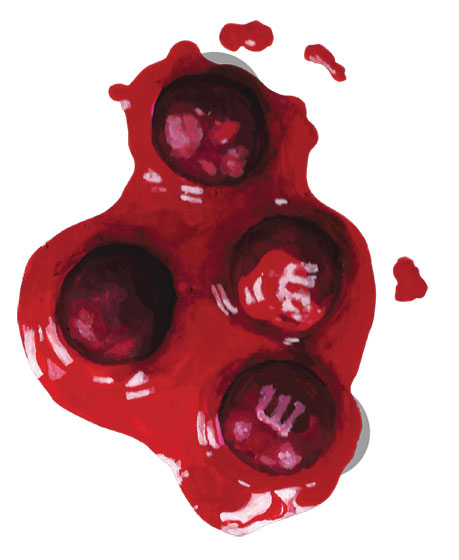
Fakeup: Restrictions on makeup differ from prison to prison and state to state. And the makeup selection at prison commissaries, if it is available, is extremely limited, forcing people to improvise alternatives to put their self-image together. Michelle, a woman incarcerated in California, says that she received “colored pencils for my eyeliner, and calamine lotion mixed with coffee grounds for foundation. When your makeup’s good and your hair’s on point, you feel and act differently; you come to the table stronger because you have your groove on, you’re feeling it. It builds up your confidence.”
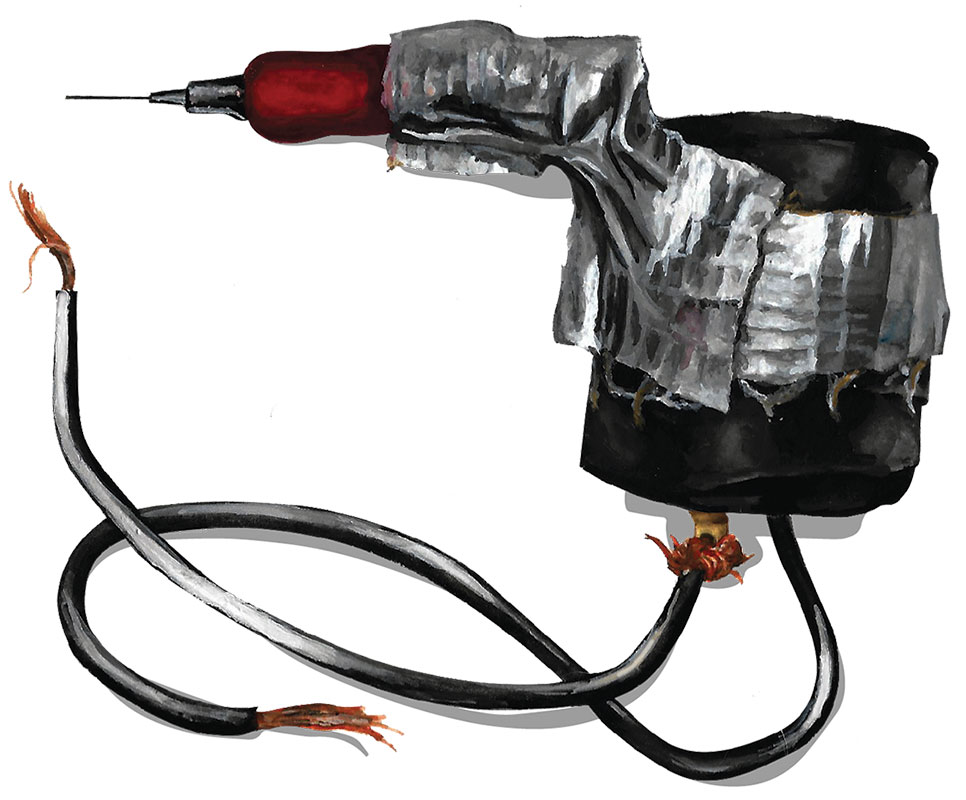
Tattoos: People get tattoos in prison for many reasons. Tattoos can signal what group you belong to and your status in the group. But often people in prison get tattoos for the same reasons people outside of prison get them. “Some people want to look the part, some people actually do get them to illustrate their life story, and some probably get them just because it’s against the rules to get them done,” says Dan Grote, a formerly incarcerated prison teacher. “Not too different from in the world.”
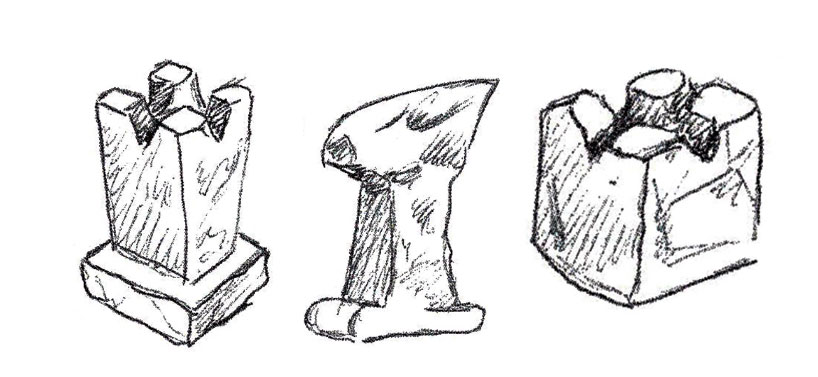
Chess: Angelo’s former celly (cellmate) Ron made papier-mâché chess pieces. He “turned out exquisite sets just as fast as the cops could confiscate them,” Angelo says. “Each set became more elaborate and beautiful—his reasoning being: ‘It’s the cops’ job to keep us down, and ours to show them that they can’t.’” During the pandemic, social-distancing measures not only forced incarcerated people to often spend 23 hours a day in their cells but also resulted in the banning of board games, allegedly to reduce contagion. Harlin Pierce and his friend Wally, incarcerated in Texas, were forced to innovate how they played chess in order to maintain their sanity. They began to play mentally, without a board or pieces, by shouting the moves of each piece to the grid location, playing the game across their cells and entirely in their minds. In order to make sure they were heard correctly over the din of prison life, they created a code for the alphabet, shouting, “Dinosaur 4!” and “Knight captures on Elephant 7!” As Harlin explained, “While we have been forced to relinquish our physical freedom, we don’t have to give up control over our minds.”
Support independent journalism that does not fall in line
Even before February 28, the reasons for Donald Trump’s imploding approval rating were abundantly clear: untrammeled corruption and personal enrichment to the tune of billions of dollars during an affordability crisis, a foreign policy guided only by his own derelict sense of morality, and the deployment of a murderous campaign of occupation, detention, and deportation on American streets.
Now an undeclared, unauthorized, unpopular, and unconstitutional war of aggression against Iran has spread like wildfire through the region and into Europe. A new “forever war”—with an ever-increasing likelihood of American troops on the ground—may very well be upon us.
As we’ve seen over and over, this administration uses lies, misdirection, and attempts to flood the zone to justify its abuses of power at home and abroad. Just as Trump, Marco Rubio, and Pete Hegseth offer erratic and contradictory rationales for the attacks on Iran, the administration is also spreading the lie that the upcoming midterm elections are under threat from noncitizens on voter rolls. When these lies go unchecked, they become the basis for further authoritarian encroachment and war.
In these dark times, independent journalism is uniquely able to uncover the falsehoods that threaten our republic—and civilians around the world—and shine a bright light on the truth.
The Nation’s experienced team of writers, editors, and fact-checkers understands the scale of what we’re up against and the urgency with which we have to act. That’s why we’re publishing critical reporting and analysis of the war on Iran, ICE violence at home, new forms of voter suppression emerging in the courts, and much more.
But this journalism is possible only with your support.
This March, The Nation needs to raise $50,000 to ensure that we have the resources for reporting and analysis that sets the record straight and empowers people of conscience to organize. Will you donate today?