
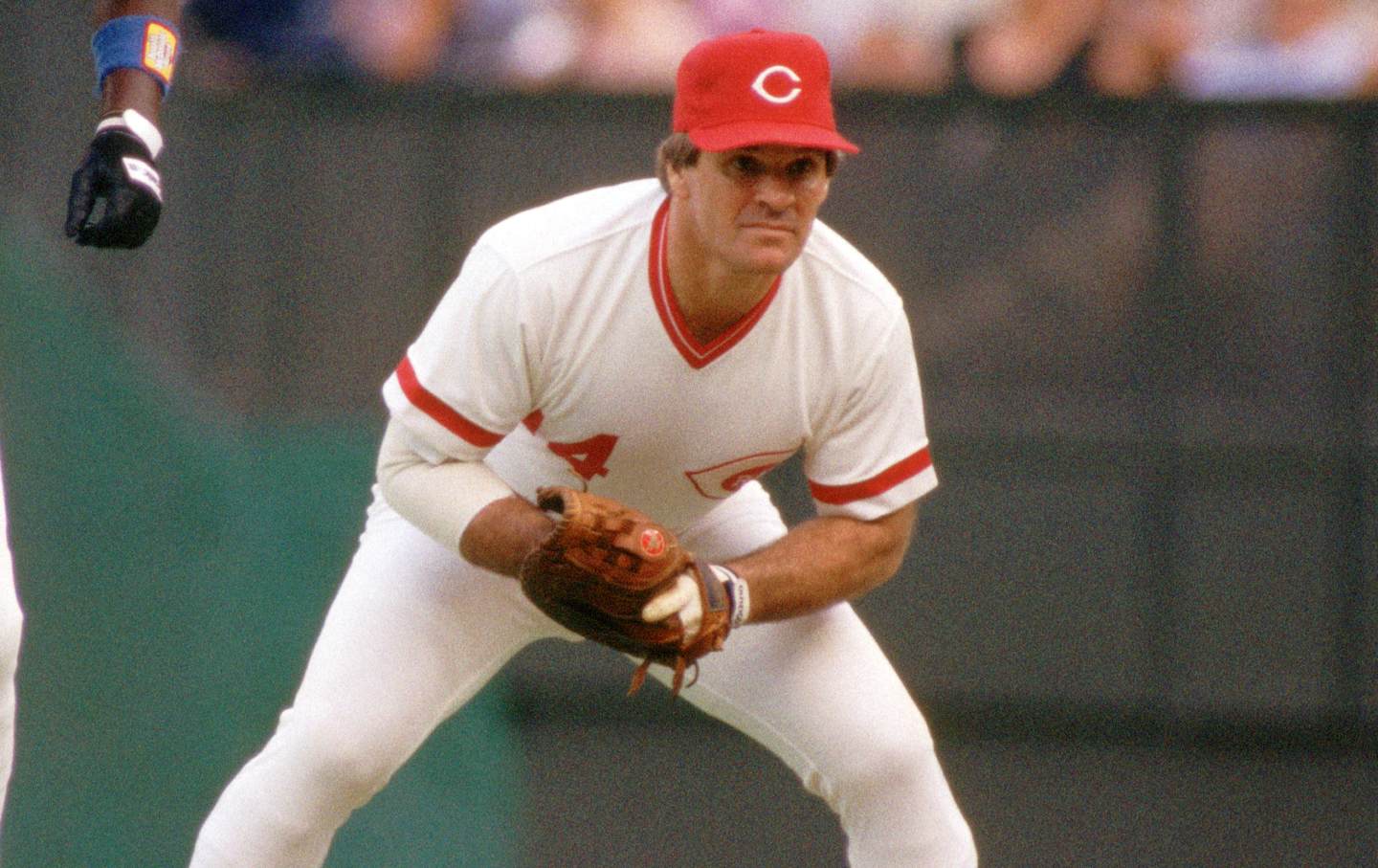
Pete Rose in action during a game from his career with the Cincinnati Reds at Riverfront Stadium in Cincinnati, Ohio.
(David Durochik / AP Photo)
“Banned for life for gambling.”
These are the words that are affixed to baseball legend Pete Rose, who died this week at the age of 83. Not “the Hit King”—for his Major League Baseball record 4,256 base hits—or his nickname “Charlie Hustle.” Not as a 17-time All-Star. Not as the player who made the All-Star team at five different positions. Not as the fierce soul of the iconic 1970s Cincinnati team known as the Big Red Machine. Not as the legend going airborne in headfirst belly-flop slides. He’s not even being remembered for the horrid parts of his life: the accusations of statutory rape, which he denied (and later settled out of court), as well as his years of living hard and ugly.
He was a sports star of the 1970s and could indulge in every temptation. His addiction of choice was gambling. Betting on baseball as a Reds manager was his sin, and the late commissioner Angelo Bartlett Giamatti was determined to drive gambling from the sport, even if that meant banning Rose for life.
Coming to baseball after a stint as the youngest president in the history of Yale University, Giamatti saw his job as warding off those who would vandalize baseball’s place in the American fabric. He was a dramatic figure—the father of actor Paul Giamatti—and unafraid of the big gesture. When Giamatti died of a heart attack at age 51 in 1989, friends said that the stress of banning Rose played a role in his early death. Giamatti’s dear friend Fay Vincent succeeded him, and he saw sustaining Rose’s lifetime banishment as a duty to Giamatti’s legacy. Rose never helped his case by issuing denials for decades that he bet on baseball. He only admitted it 30 years later as a gambit to finally get into the Hall of Fame. This last effort to fulfill his dream of taking a place in Cooperstown failed, and the lifetime ban would remain.
Today, we’ve come to understand Rose’s compulsion to bet on anything and everything, including baseball, as a function of addiction. Rose, however unsavory the allegations about his personal life, was a gambling addict. He needed Major League Baseball to direct him to treatment and eventually offer him an open, transparent path back into the game he loved. Instead, the league preferred him to be a living warning to players.
I interviewed Rose a decade ago for Sirius/XM radio, and he spoke to me from a Las Vegas convention-center hallway, outside a room where he was signing memorabilia. He said that later that day he would be hitting the tables. What was memorable was how caffeinated Rose was—hyper, funny, ingratiating, and clearly an experienced spinner of yarns. One could easily see him at corporate retreats, celebrity golf courses, and rubber-chicken dinners charming crowds for a paycheck. After his ban, Charlie Hustle was really about that hustle, agreeing to attend countless baseball autograph shows and grabbing for any payday. He discovered an outlaw infamy and sustained his damaged ego by basking in the adoration of his defenders.
The other part of the interview I’ll never forget occurred when I asked what he might be doing if he had never been banned, and he said words to the effect of, “I never would have left the sport. I don’t care if I was just an old guy sitting on the bench giving my two cents. But that’s where I would be.”
He then launched into a soliloquy about his favorite current players and the advice he’d give them. He didn’t speak with bitterness about his absence from those spaces. He sounded alive and thrilled to be talking baseball, breaking down complex ideas about player development in plainspoken language. Then, suddenly, he sounded crestfallen, and he finished the interview talking about yearning to get back in the game. Maybe it was a sympathy-seeking con from a guy always seeking an angle. But I imagined him glumly looking around the cavernous convention center, wearing an out-of-style sport coat in a city that serves up adrenaline and alienation in equal helpings: Willy Loman with poker chips.
I think he was, for a moment, imagining himself in his familiar polyester uniform, feeling the sweaty line on the brim of his baseball hat, and that he mourned a loss. For those who see in Rose a cautionary tale or loathe him for the sneering arrogance of his younger years, such an ending could be considered just deserts for someone who trespassed against the national pastime. But understanding gambling as an addiction matters, and that creates a different kind of cautionary tale. Rose risked what he cared about most in the world, and came out on the losing end. Gambling can develop into an addiction like smoking, where you itch without the (figurative or literal) dice in your hands.
This matters now because the same sports world that banned Rose, with the haughty air of a pope excommunicating an inveterate sinner, is now besotted with gambling. Our smartphones are now portable sportsbooks, and the leagues have reaped billions from the industry. Broadcasts are flooded with ads. Members of the sports media we are supposed to trust are giving out betting lines during highlight shows. And now, brazenly, even athletes like NBA stars LeBron James and Kevin Durant are featured in gambling advertisements. The NBA happily profits from this, even though the league banned a player, Jontay Porter, just last year for betting on the apps. It ruined his young career. Porter and Rose are two examples of the countless people, especially young fans, becoming addicts thanks to widespread legalized sports betting.
The sports leagues have also, while peddling addiction, been PR-conscious enough to offer phone numbers for those who cannot escape its grasp. And a new generation of addicts is now seeking help in shocking numbers.
As for Rose, in this orgy of gambling and addiction, MLB continued to use him as a symbol: warning players, coaches, and referees that, while the world may be betting on their games, they are to resist all temptations. You can advertise gambling, just not partake, or you’ll end up like Rose: a tragic figure with his nose pressed up against the class. This is wrong. Rose should be remembered as an example of not only of the perils of gambling addiction but also why the leagues’ embrace of this revenue stream makes them predatory hypocrites. If we had a different discussion about Rose’s addiction 35 years ago, perhaps this epidemic the sports world has unleashed could have been avoided.
Support independent journalism that does not fall in line
Even before February 28, the reasons for Donald Trump’s imploding approval rating were abundantly clear: untrammeled corruption and personal enrichment to the tune of billions of dollars during an affordability crisis, a foreign policy guided only by his own derelict sense of morality, and the deployment of a murderous campaign of occupation, detention, and deportation on American streets.
Now an undeclared, unauthorized, unpopular, and unconstitutional war of aggression against Iran has spread like wildfire through the region and into Europe. A new “forever war”—with an ever-increasing likelihood of American troops on the ground—may very well be upon us.
As we’ve seen over and over, this administration uses lies, misdirection, and attempts to flood the zone to justify its abuses of power at home and abroad. Just as Trump, Marco Rubio, and Pete Hegseth offer erratic and contradictory rationales for the attacks on Iran, the administration is also spreading the lie that the upcoming midterm elections are under threat from noncitizens on voter rolls. When these lies go unchecked, they become the basis for further authoritarian encroachment and war.
In these dark times, independent journalism is uniquely able to uncover the falsehoods that threaten our republic—and civilians around the world—and shine a bright light on the truth.
The Nation’s experienced team of writers, editors, and fact-checkers understands the scale of what we’re up against and the urgency with which we have to act. That’s why we’re publishing critical reporting and analysis of the war on Iran, ICE violence at home, new forms of voter suppression emerging in the courts, and much more.
But this journalism is possible only with your support.
This March, The Nation needs to raise $50,000 to ensure that we have the resources for reporting and analysis that sets the record straight and empowers people of conscience to organize. Will you donate today?
More from The Nation

The Real Reason Americans Love Guns The Real Reason Americans Love Guns
With a weak social safety net, a gun offers a false sense of personal power and security.

The Endless Hypocrisy of Bari Weiss The Endless Hypocrisy of Bari Weiss
She claims to be a free speech champion. But as her actions at CBS News keep showing, she seems to think free speech should run only in a rightward direction.
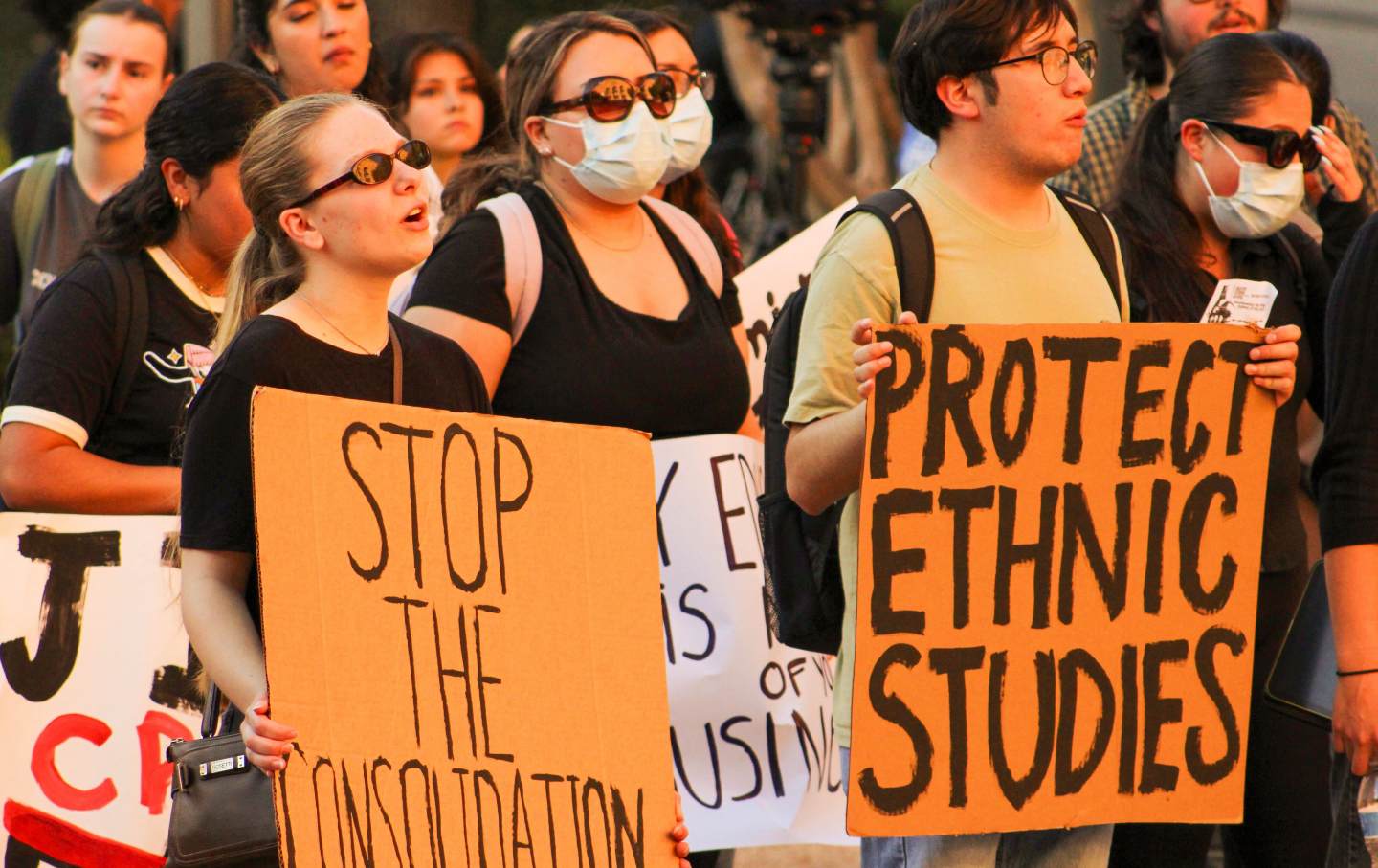
What Will Be Left After the University of Texas Destroys Itself? What Will Be Left After the University of Texas Destroys Itself?
UT-Austin has collapsed its race, ethnic, and gender studies into a single program while a new policy asks faculty to avoid “controversial” topics. But the attacks won’t end there...
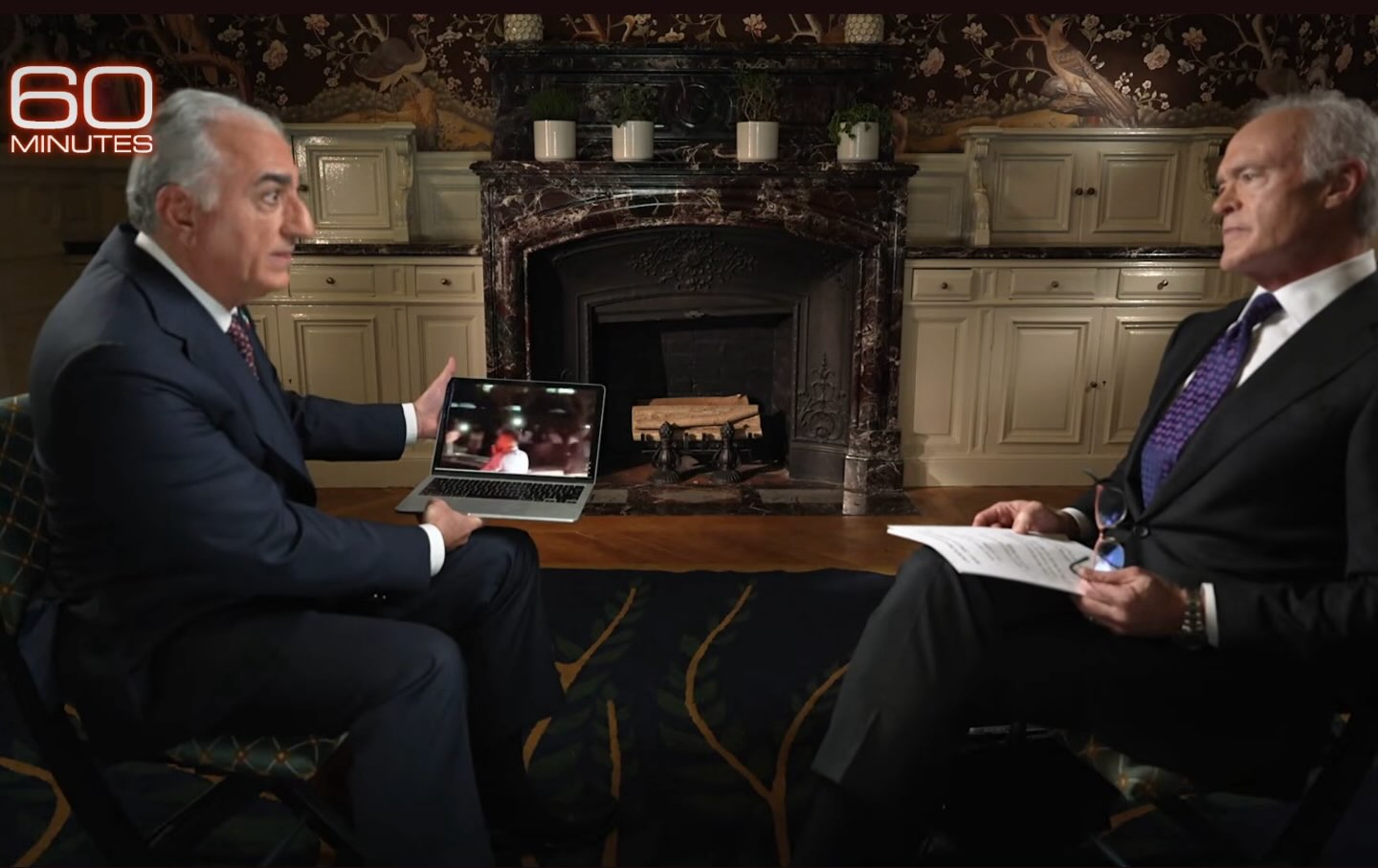
The Corporate Media Is Head Over Heels for the Iran War The Corporate Media Is Head Over Heels for the Iran War
Donald Trump’s attack may be surreal, unjustified, and illegal. But that’s not stopping the press from turning the propaganda dial way up.

The Disturbing History of ICE’s “Death Cards” The Disturbing History of ICE’s “Death Cards”
The Vietnam-era practice is yet another example of ICE agents thrilling to the brutality they have been encouraged to cultivate.
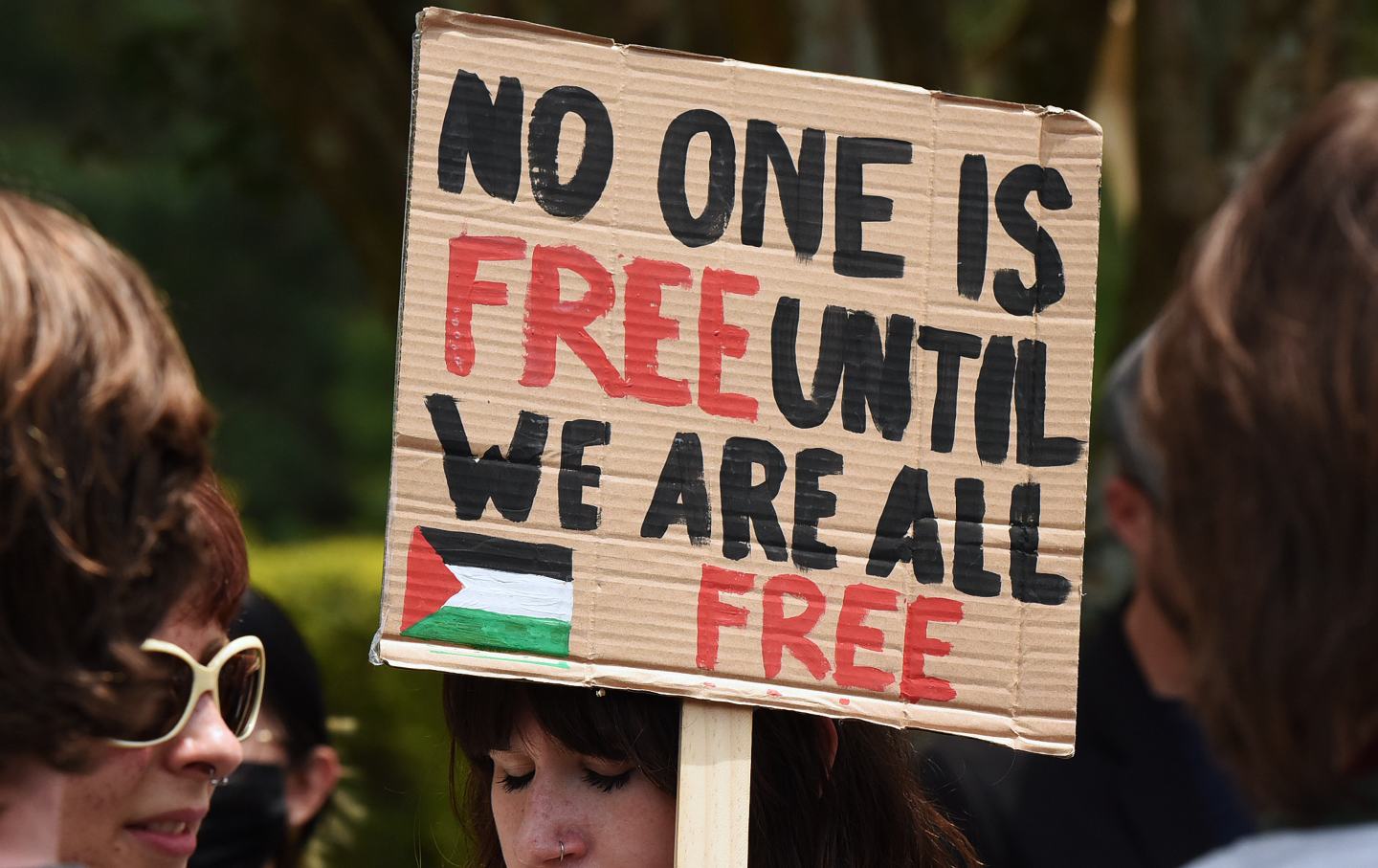
The American Universities Programming Israel’s Killer Drones The American Universities Programming Israel’s Killer Drones
Industry partnerships in higher education are pushing STEM graduates into the business of weapons manufacturing and genocide profiteering.

