
Michael Dunn Was Found Guilty—but That’s Not Enough to Ensure Justice in an Unjust World Michael Dunn Was Found Guilty—but That’s Not Enough to Ensure Justice in an Unjust World
A guilty verdict does not undo the racist world we live in.
Oct 2, 2014 / Mychal Denzel Smith
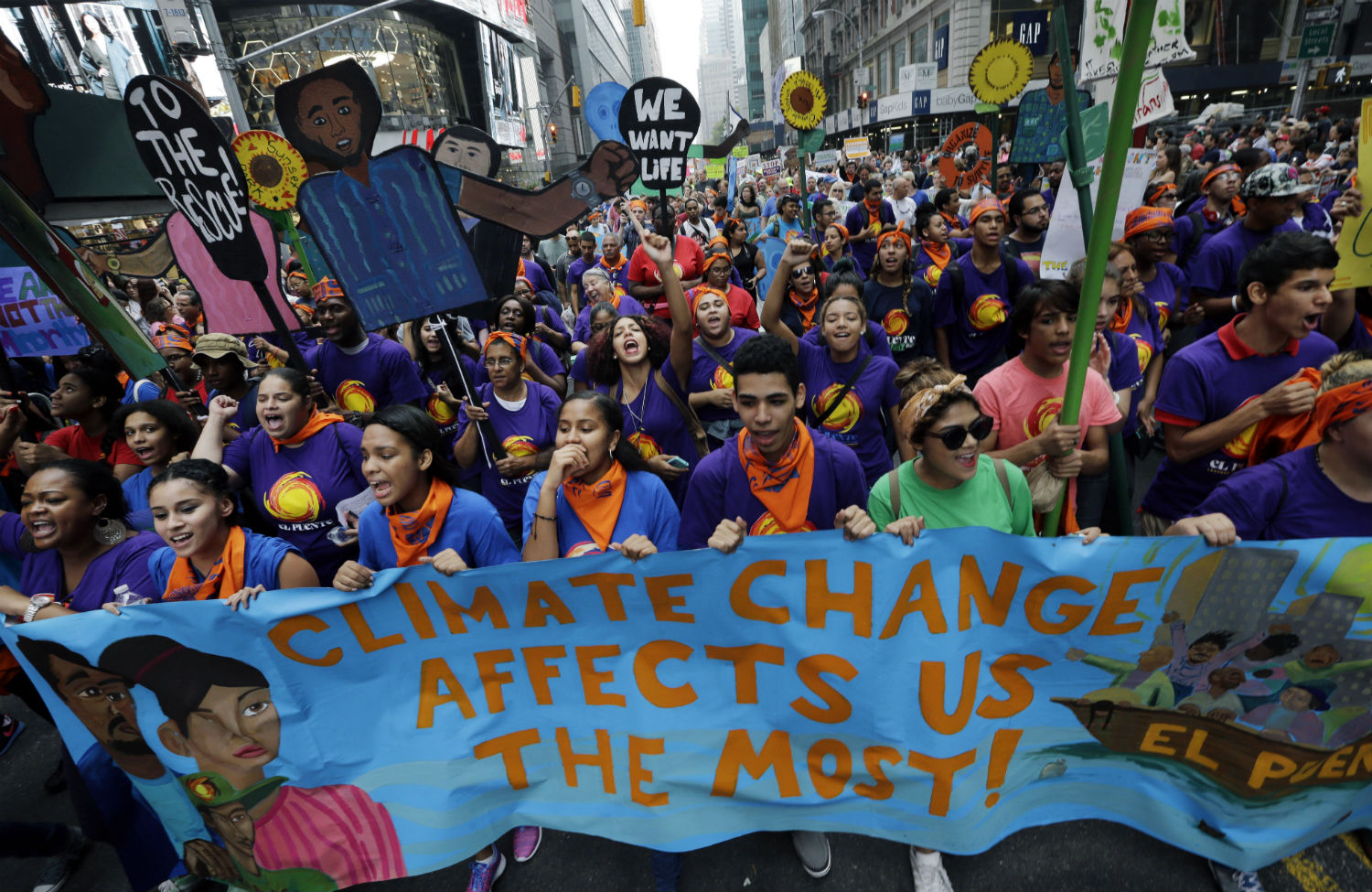
Which Cable Network Nearly Skipped Out on Climate Week? Which Cable Network Nearly Skipped Out on Climate Week?
CNN’s climate change coverage almost disappeared like Malaysian Flight 370.
Oct 2, 2014 / Leslie Savan
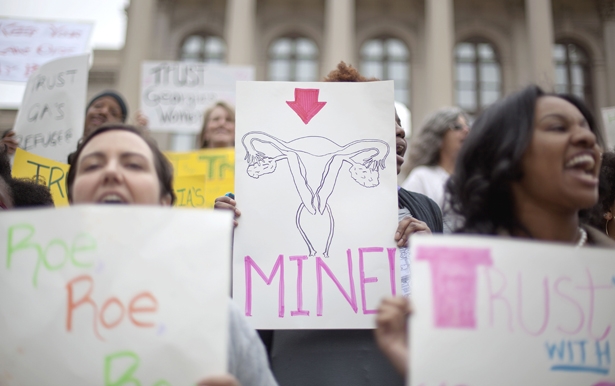
Don’t Fall for the GOP’s Over-the-Counter Contraception Racket Don’t Fall for the GOP’s Over-the-Counter Contraception Racket
Calls for the pill to be available without a prescription are just naked attempts to woo female voters and mask opposition to the Obamacare birth control mandate.
Oct 2, 2014 / Zoë Carpenter
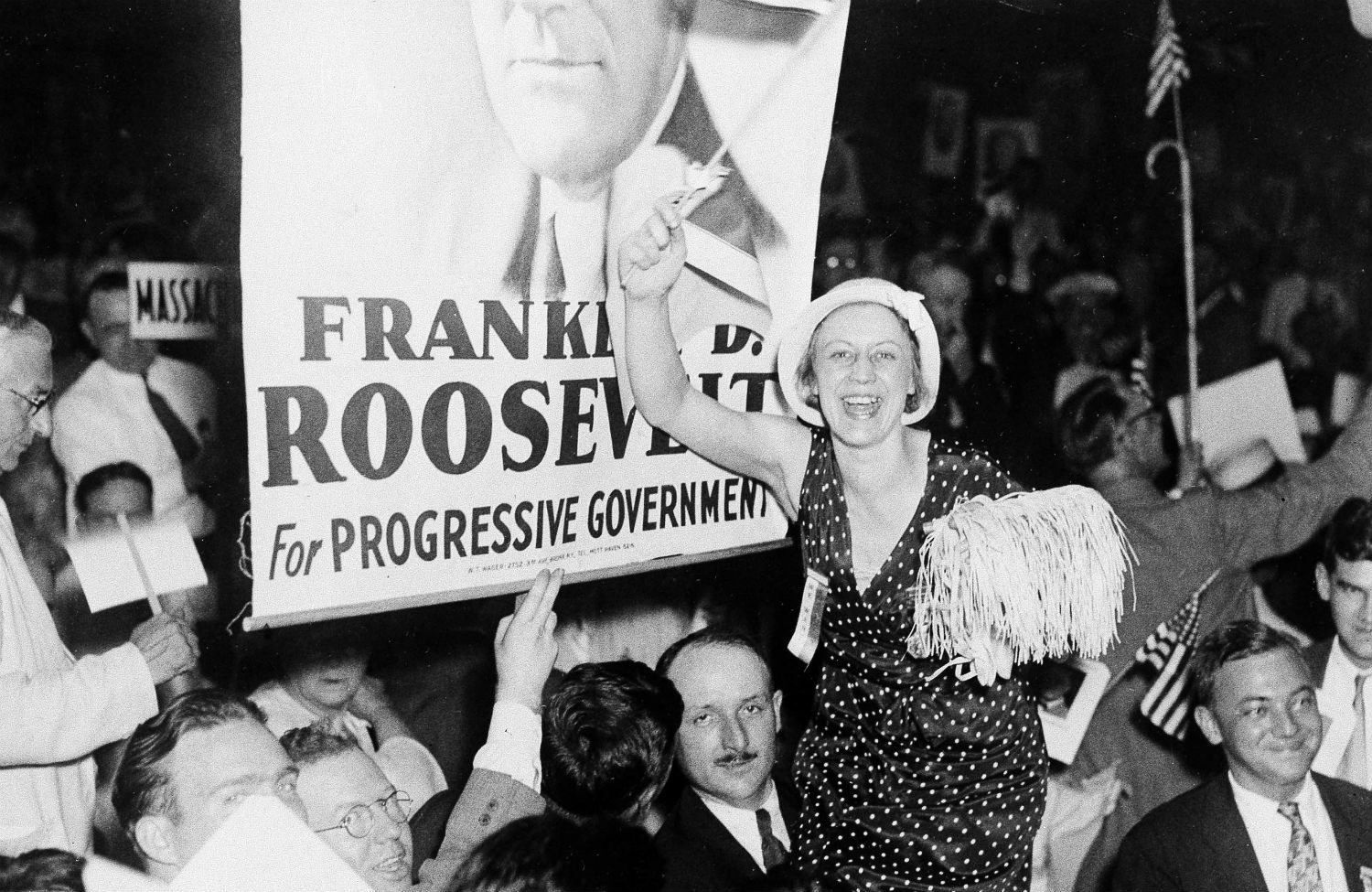
What Liberals Don’t Understand About Freedom What Liberals Don’t Understand About Freedom
Democrats would be more successful with this simple reframing.
Oct 1, 2014 / George Lakoff

Voting Rights Victory in North Carolina Voting Rights Victory in North Carolina
Civil rights groups bring power back to North Carolina voters by challenging a restrictive voting law.
Oct 1, 2014 / Ari Berman

Revenge Porn Is Malicious and Reprehensible. But Should It Be a Crime? Revenge Porn Is Malicious and Reprehensible. But Should It Be a Crime?
The line between respecting civil liberties and protecting victims is anything but clear.
Oct 1, 2014 / Michelle Goldberg
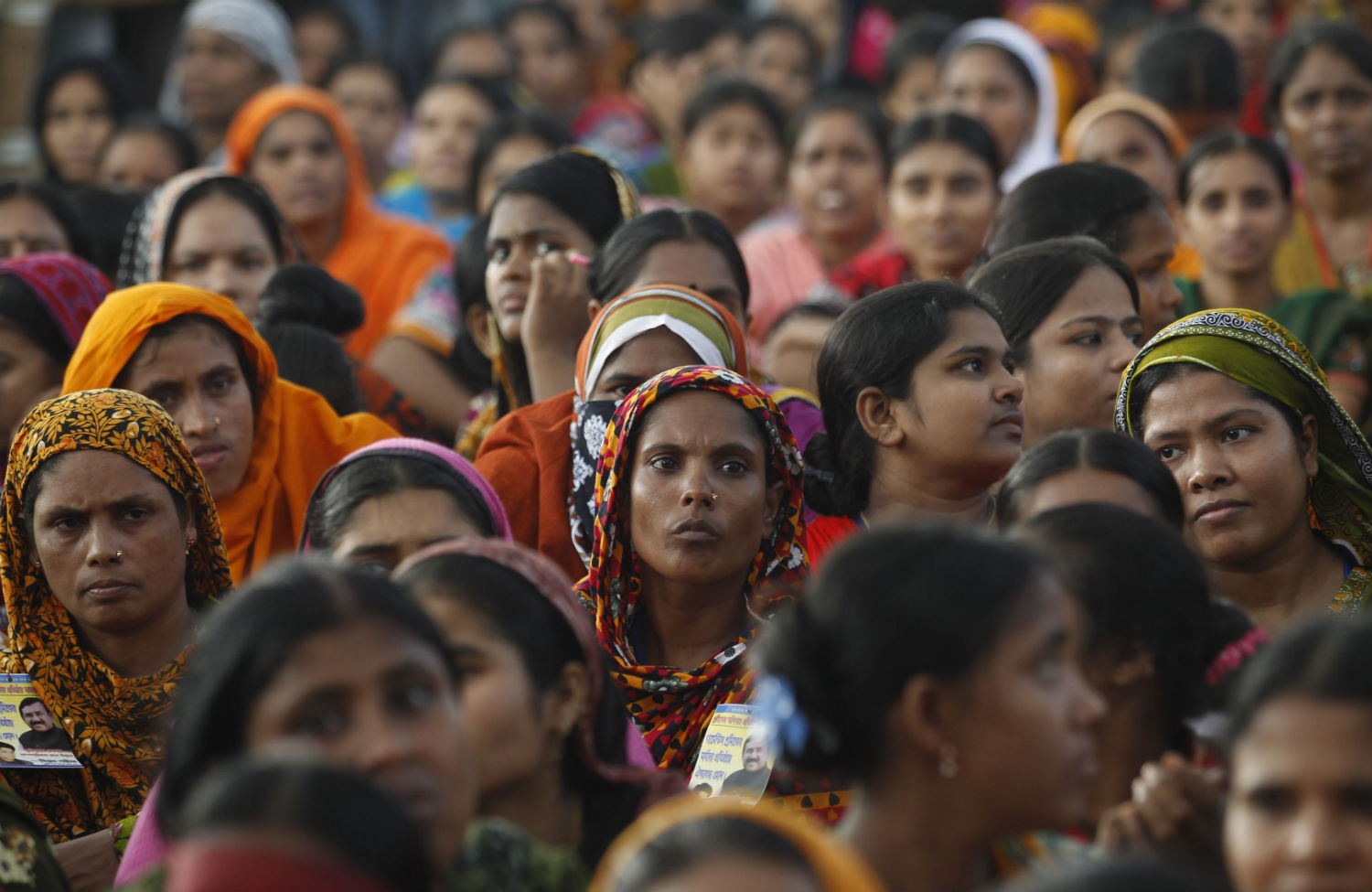
Bangladeshi Workers Organize to Protect Their Most Valuable Export: Themselves Bangladeshi Workers Organize to Protect Their Most Valuable Export: Themselves
Migrant domestic workers from Bangladesh enjoy little protection from their government, but they’re not alone.
Oct 1, 2014 / Tiffany Williams and Foreign Policy In Focus

The Death of the Blackout Rule, and Why the NFL Fights On The Death of the Blackout Rule, and Why the NFL Fights On
The FCC ruled 5-0 against the NFL, showing that their stranglehold over government and fans could be coming to an end.
Oct 1, 2014 / Dave Zirin

Minority Report Minority Report
Sometimes it feels like we’re living in an era in which information has finally become “free”—unlimited media access, twenty-four-hour wellness tracking, endless dating possibilities. But there’s nothing inherently progressive about Big Data. A new report shows that when Big Data creeps into our workplaces and our financial lives, it may simply create new ways of reinforcing old racial and economic injustices. The report, “Civil Rights, Big Data, and Our Algorithmic Future,” by the think tank Robinson + Yu, notes that technological advances, the declining cost of data storage, and the intensified surveillance climate of post-9/11 America have spurred massive data collection. This accumulation of private information by corporations and government has created troubling new issues in the areas of labor rights, privacy and ethics. Consider the influence of Big Data on hiring practices. Hiring algorithms are often seen as an “objective,” meritocratic assessment, free of irrational prejudice or biases. But the report warns that because “[d]igital indicators of race, religion, or sexual preference can easily be observed or inferred online,” the mining of social media and Google-search data can reinforce systemic discrimination. The result may be a perpetuation of an unjust status quo: disproportionately white, upper-class, elite-educated and culturally homogeneous. Sloppy résumé scans end up excluding people based on superficial criteria—where they live, for example, a metric bound to reflect already-existing housing discrimination. Big Data manipulation allows these subtle individual slights to be expanded to new orders of magnitude with monstrous efficiency. Since the algorithm reflects social patterns, researcher David Robinson tells The Nation, “any time someone is the victim of old-fashioned human discrimination, that discrimination is likely to be reflected in some of the data points that these new algorithms measure. Culturally speaking, there is a real tendency to defer to decisions that come from computers—which means if we’re not careful, it is reasonable to expect that computers will sanitize biased inputs into neutral-seeming outputs.” Read Next: David Auerbach on data profiling and microtargeting
Oct 1, 2014 / Michelle Chen

Federal Affirmative Action Guidelines for Construction Haven’t Been Updated in 30 Years Federal Affirmative Action Guidelines for Construction Haven’t Been Updated in 30 Years
Why are we setting diversity goals based on the 1980 census?
Oct 1, 2014 / Michelle Chen