On Gentrification, We Don’t Know What We’re Talking About
Rather than understand gentrification as a systemic issue, the term has simply become an insult people throw around.
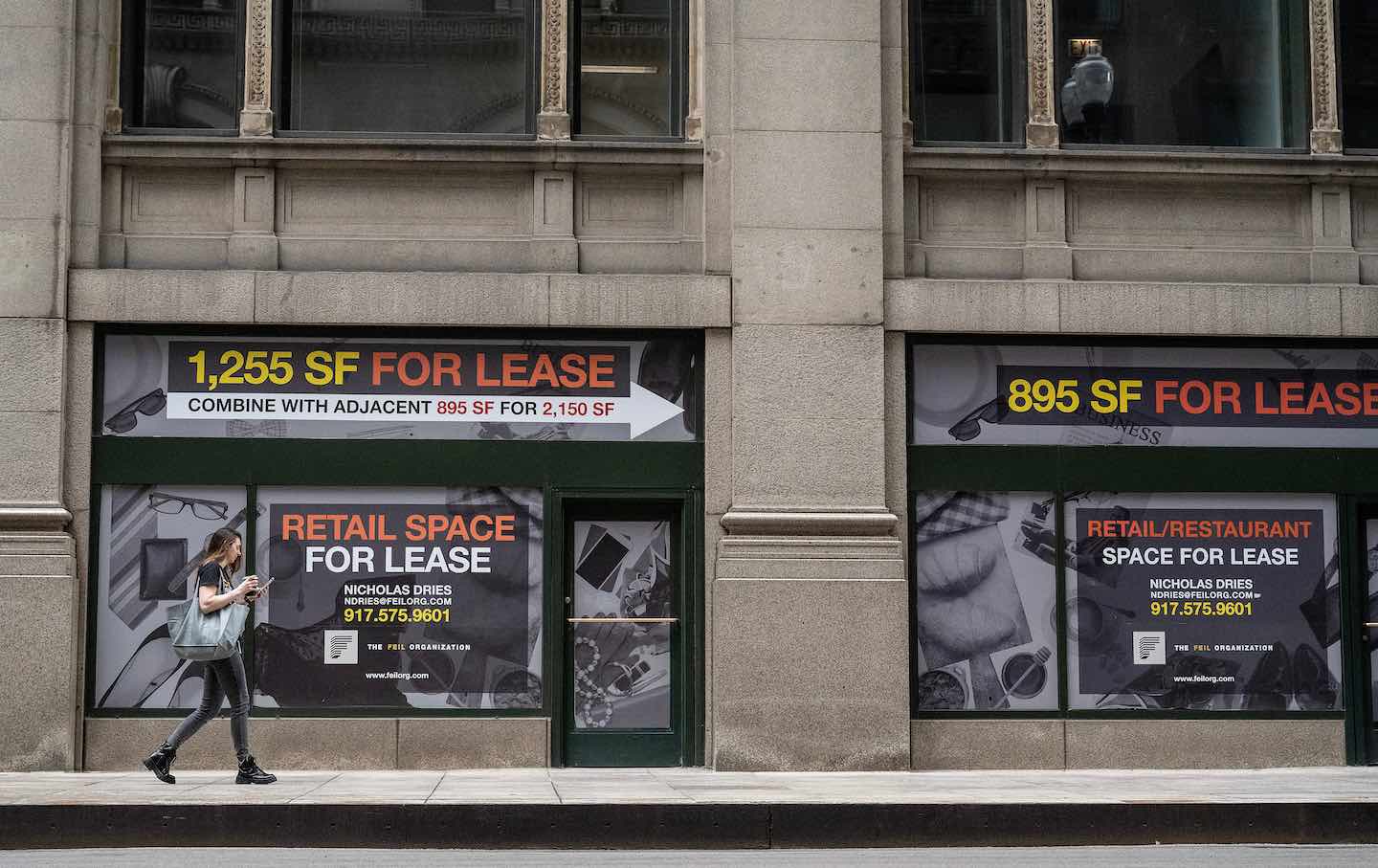
Gentrification, the process of local demographic change by which the lower-income residents of under-resourced neighborhoods are displaced by wealthier ones, is one of the most studied subjects in sociology, economics, and urbanism. Its bleak reality is irrefutable and cannot be accepted as merely neutral “economic development,” particularly as it contributes to a worsening housing crisis amid ongoing threats of a recession. But rather than understand gentrification as a systemic issue—a product of the real estate industry that hastens this project of displacement—the term has simply become an insult people throw around on Twitter or in community planning meetings at the often-white hipsters, students, or artists with more financial resources than those in the communities in which they are entering.
Allow me to be blunt: It is a waste of time to respond to this issue by transforming the socioeconomic phenomenon into a rhetorical weapon that progressively loses its sting the more it’s used. Gentrification is not an abstract moral failing—a kind of transplant’s original sin—or an imported aesthetic worked into the fabric of a neighborhood. It is a result of money and power—of the landlords, developers, real estate flippers, and investors who have it, and everyone else who does not. Most of the folks living in a neighborhood, transplants or not, are neighbors. Many are tenants whose ability to stay in one place is at the mercy of their landlords, regardless of whether they are on a fixed income, work at McDonald’s, or have a cushy work-from-home job. Many, like the working-class people on my street in Chicago, own their homes and can attribute their economic stability solely to that fact. Even if they are sitting on a house-shaped mountain of cash, that cash will disappear the moment they sell their home and try to buy another one as investment-minded strangers close in around them, squeeze out their neighbors, and toy with the value of their property. Or these homeowners lose their only asset and become renters, a sadly common fate that is the by-product of our terrible, broken housing industry. Meanwhile, especially in Chicago, speculative buyers—companies like Blackstone, and even developers—take the existing stock, often two-flat apartment buildings, and convert it into palatial urban McMansions. The people who move into those houses have more money than the majority of the people in the city can fathom, and often fight any attempt to distribute that wealth more evenly. They are not good neighbors.
We in American society have been discouraged from thinking in terms of class. We fight with our neighbors, whether because of paranoid NIMBYism or dogmas of supply and demand, ignoring the fact that there are powerful interests and industries who are fine with letting us bicker, or who even use our real struggles to further their cynical ends. We hear a lot, for example, about homeowners coming together to fight against the construction of new apartment buildings, because unlike other changes prioritizing the needs of special interests over community residents, there is still a semblance of democracy to the planning process. Yet when the slumlord who owns the converted house next door to me evicts the two families living there and turns it into an empty lot, or when the rich entrepreneur buys a church very cheaply and turns it into a luxury Airbnb, there is no democracy. Democracy—no matter how messy, no matter how divisive—is essential to achieving housing justice.
The root of the problem is that housing is treated as an instrument of profit, one in which the exchange value is prioritized over its use value. The sole solution is to decouple housing from profit and make it a human right. The profit motive keeps all but the flippers, private equity firms, and management companies, the developers and landlords and the obscenely wealthy—whose economic freedom is unimpeded—in constant, virulent antagonism.
The cost of housing forces those below a certain income level into peripheries where we become the gentrifier—with the power to gamble on the price of land and permanently alter a community’s social capital. Yes, this feels terrible. Yes, many of us, especially if we have the freedom of movement, are complicit in this process in our own ways. The choice is either to live with this sin-like guilt or to be a neighbor who knows their neighbors and their rights, who deftly avoids the selfish pitfalls of NIMBYism while keeping an eye on the real fight: a high-stakes political battle for increasingly scarce stability, for what was once in more idealistic times called “the right to the city.” It’s true, many of us neighbors are transplants. But no one wants to be a transplant forever.