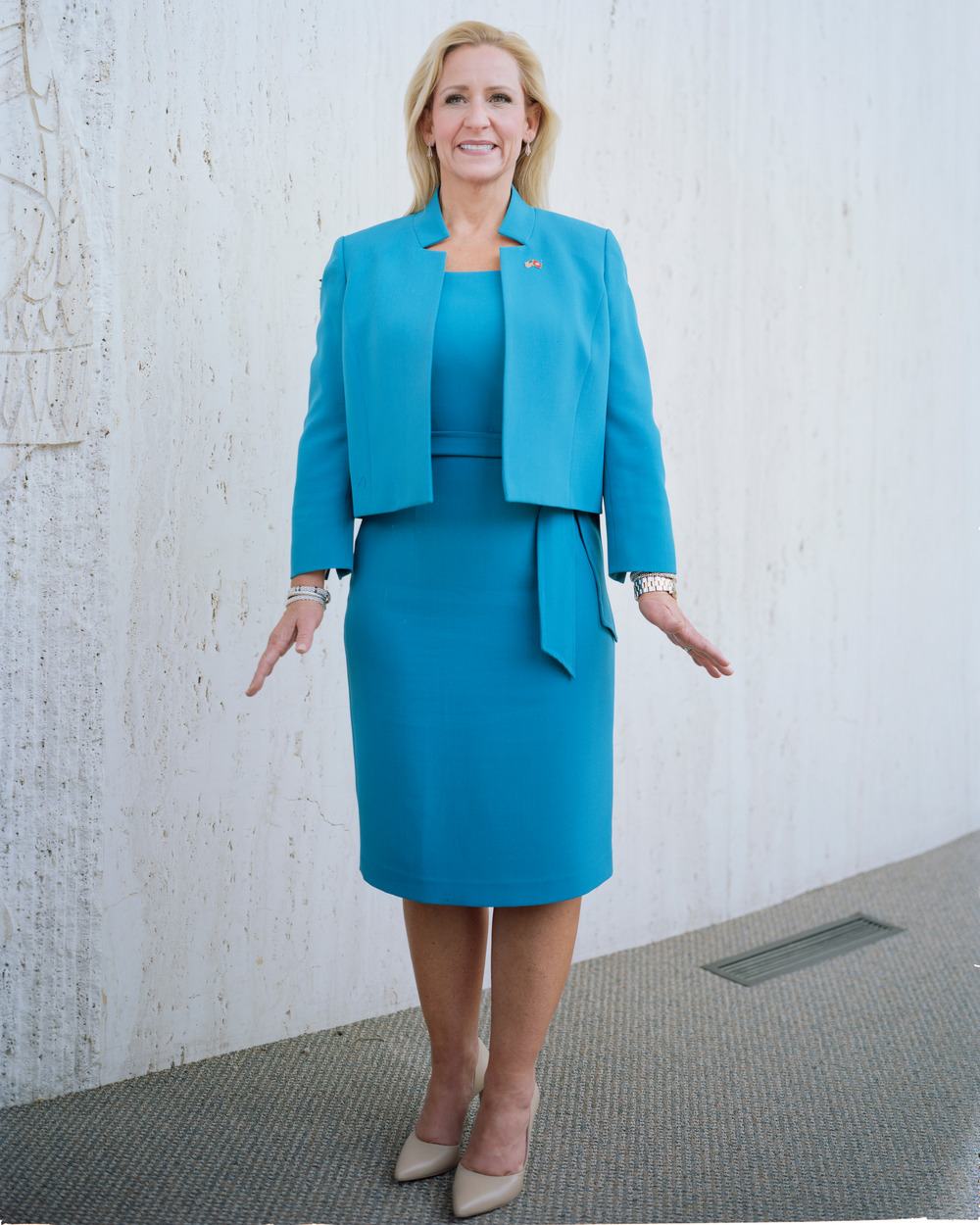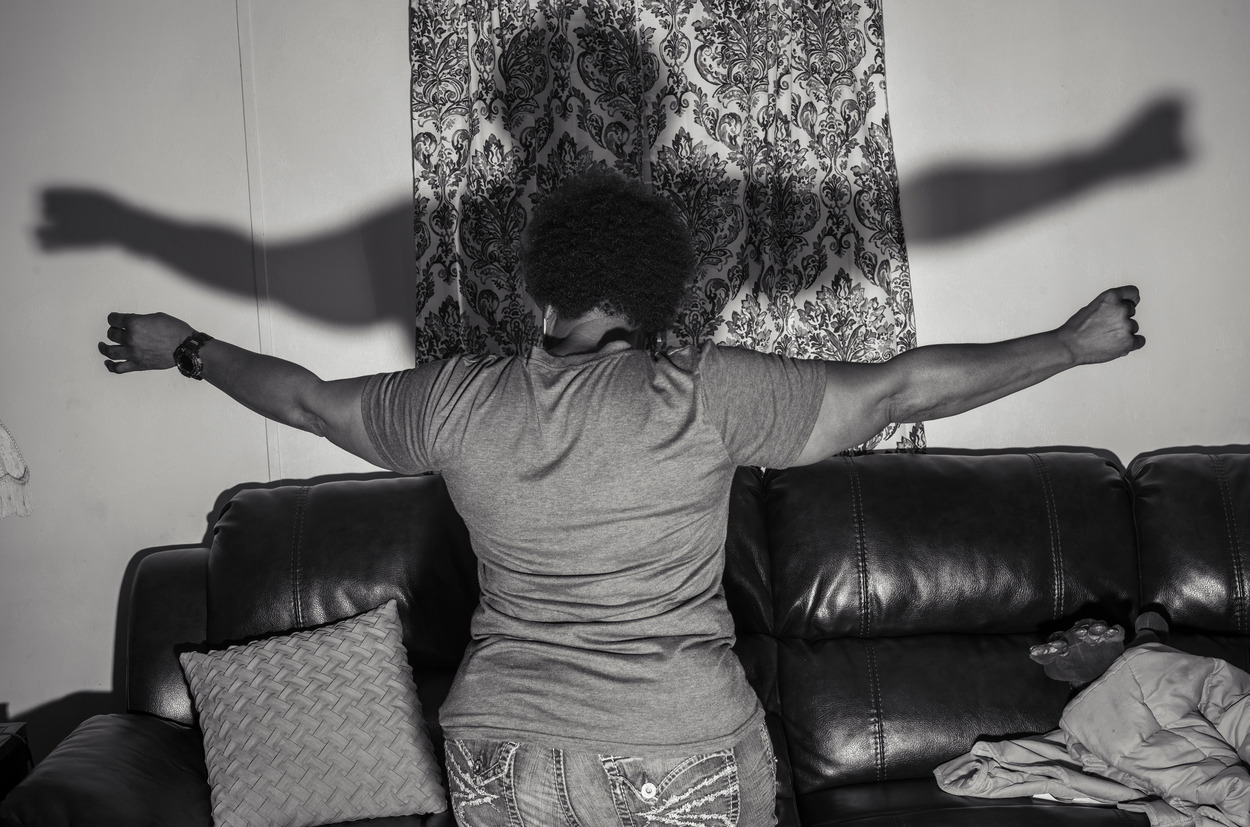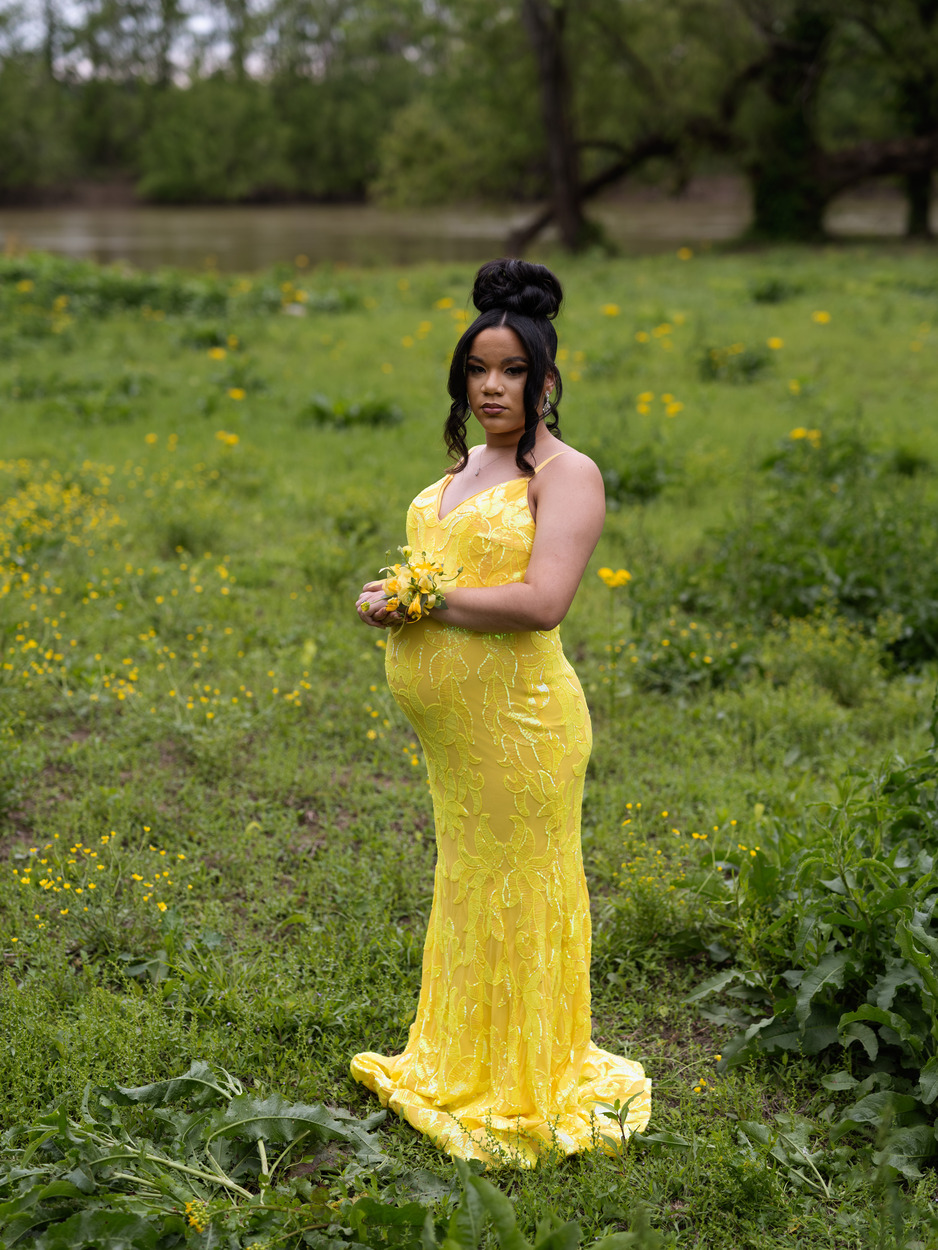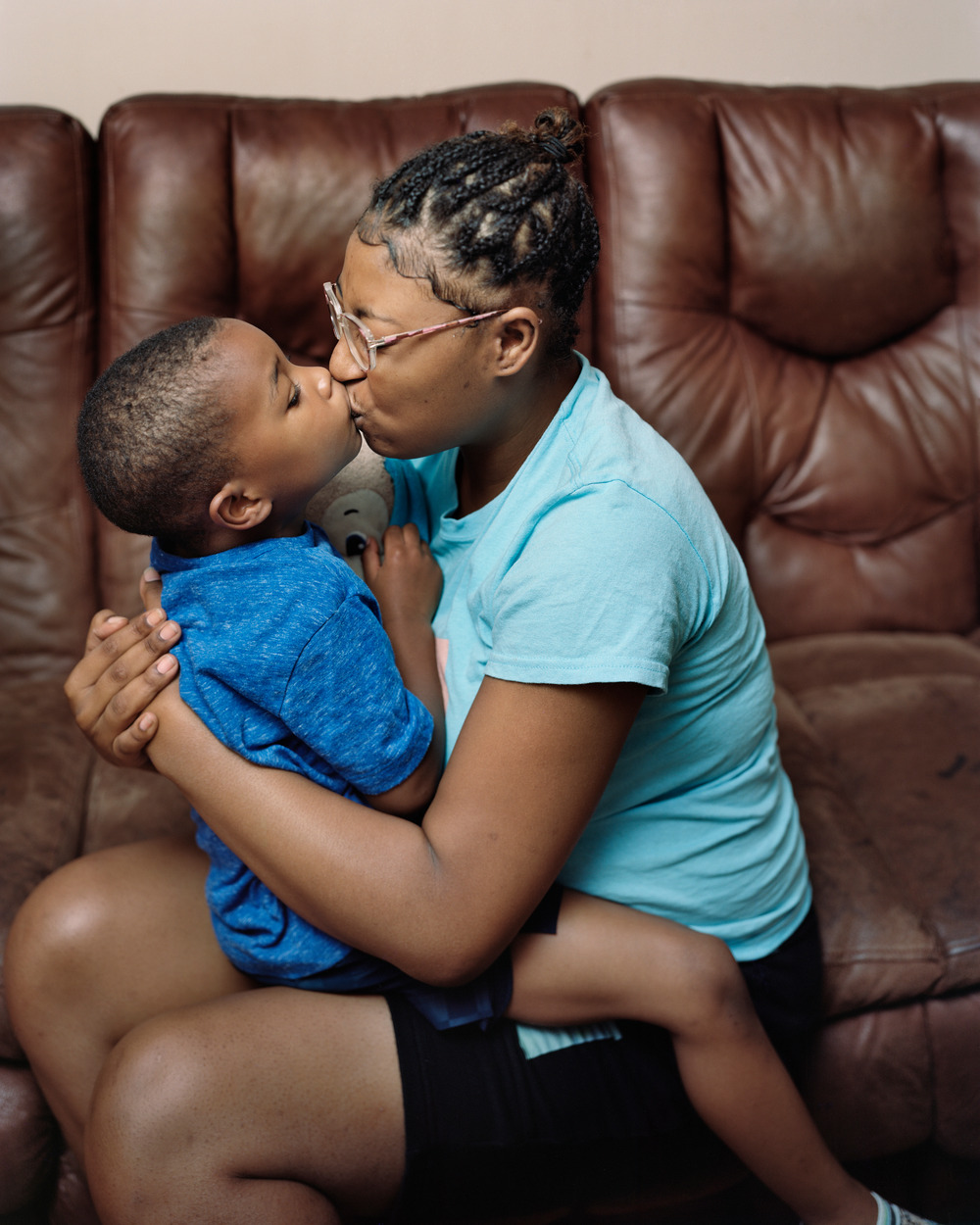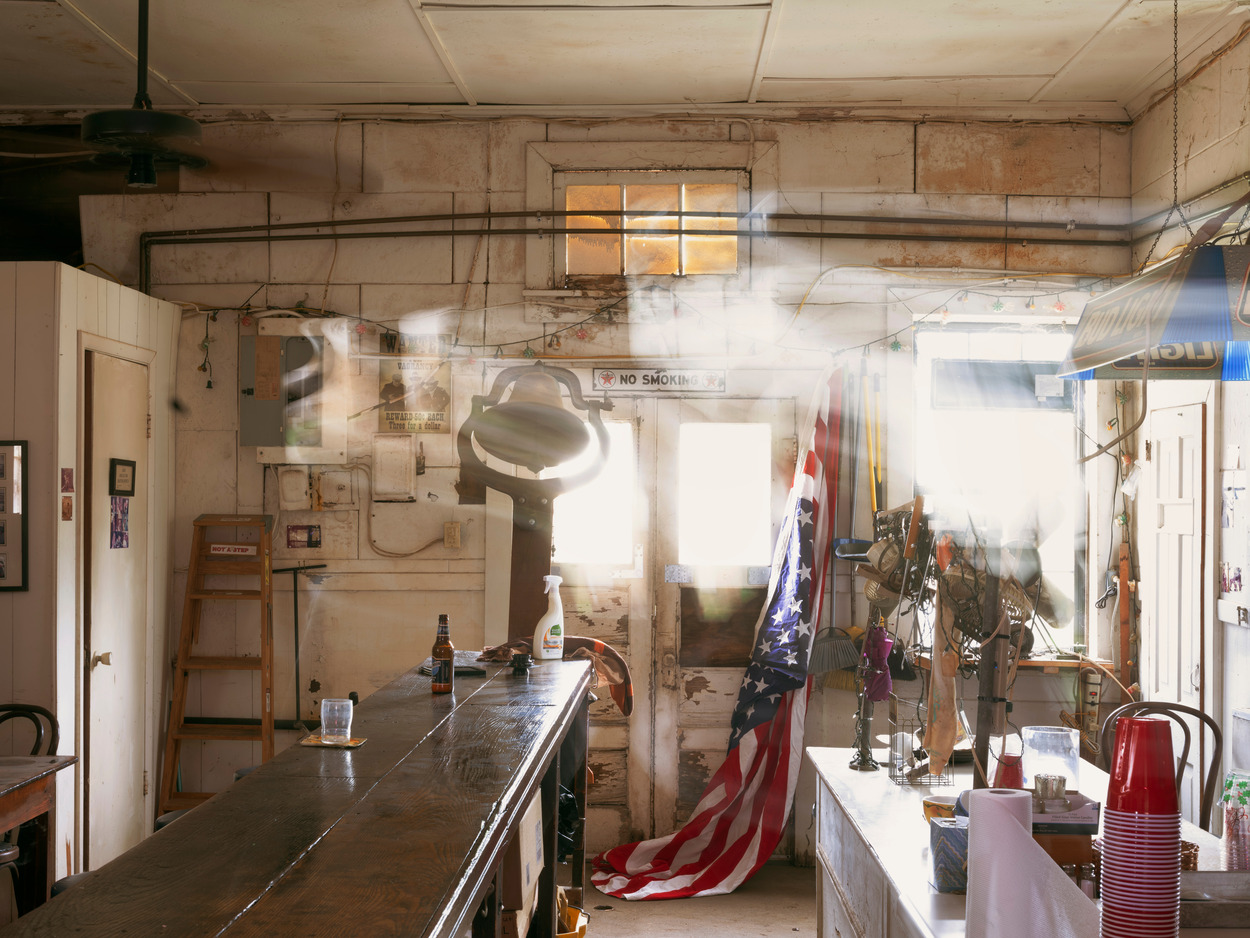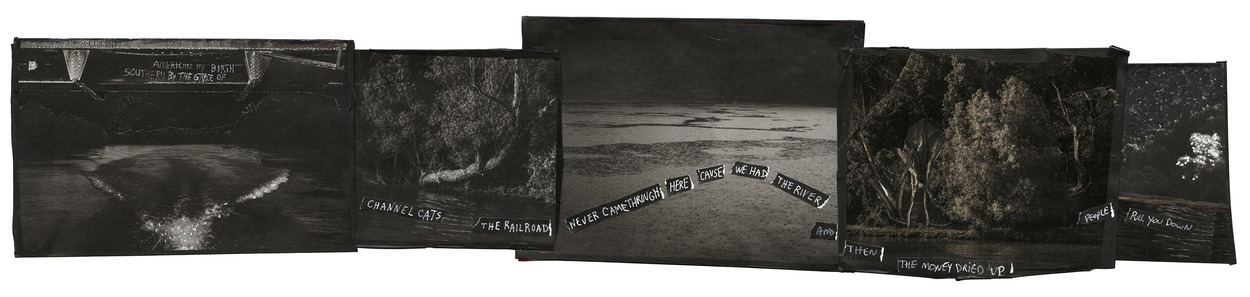
(Jim Goldberg / Magnum Photos)
Politics / Photo Essay / November 2, 2024

Portraits Along the Arkansas Delta

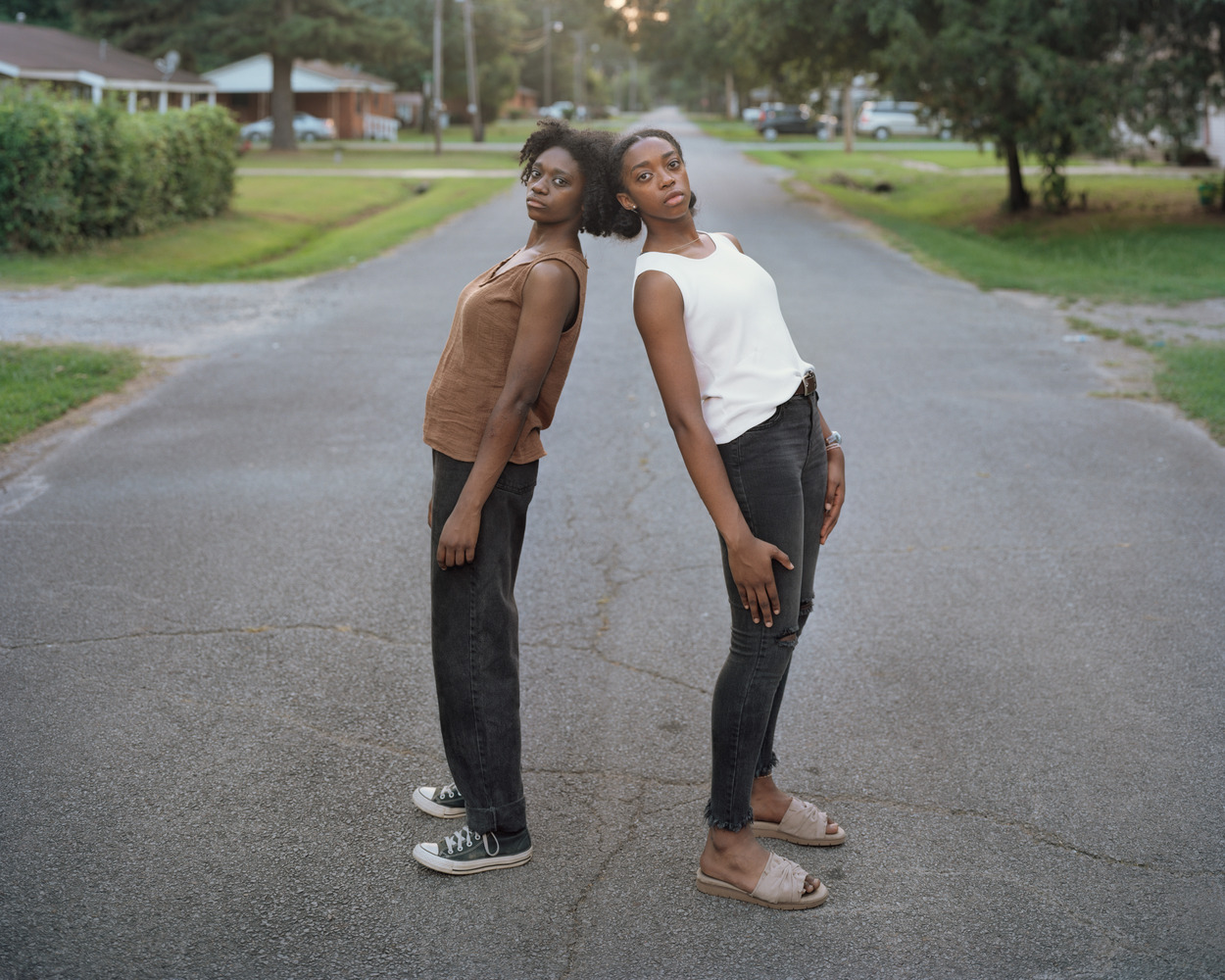
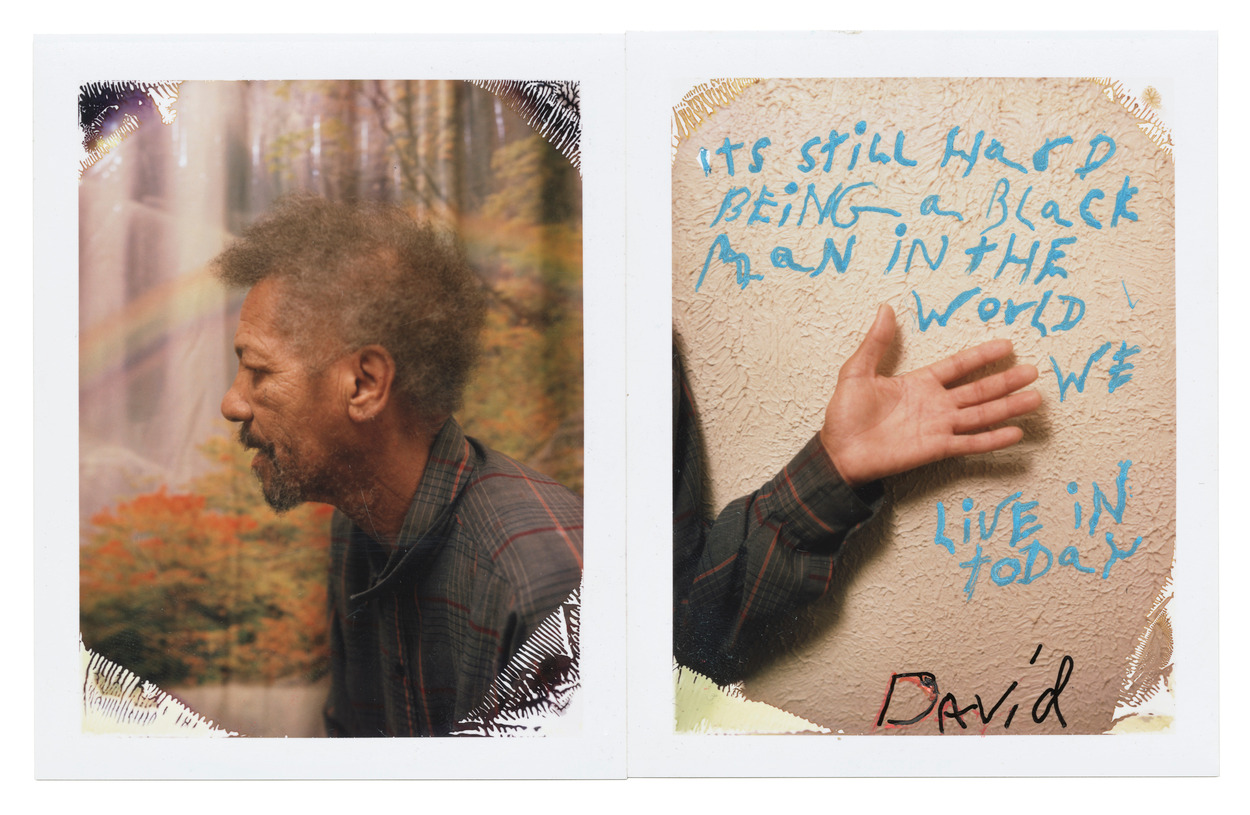
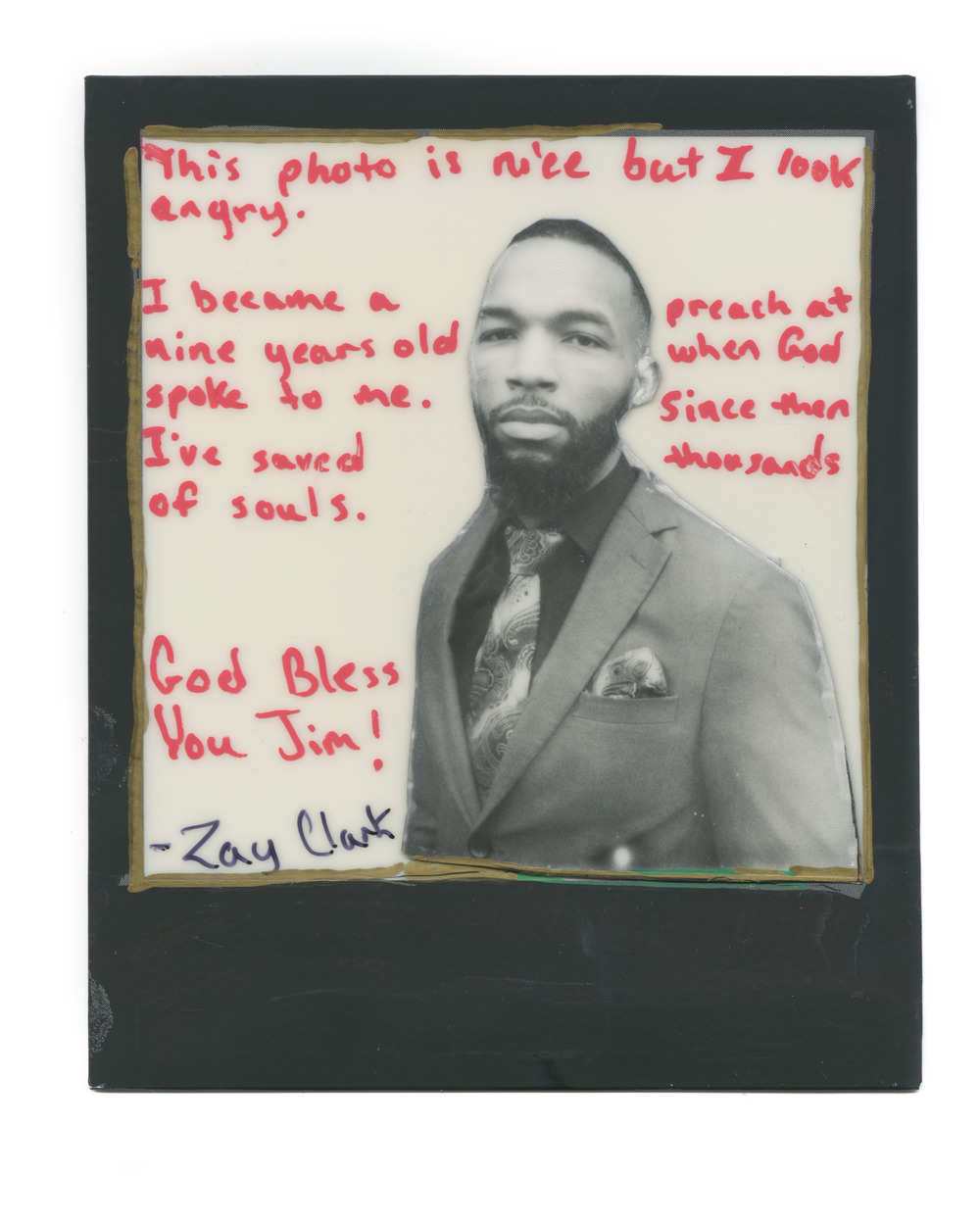
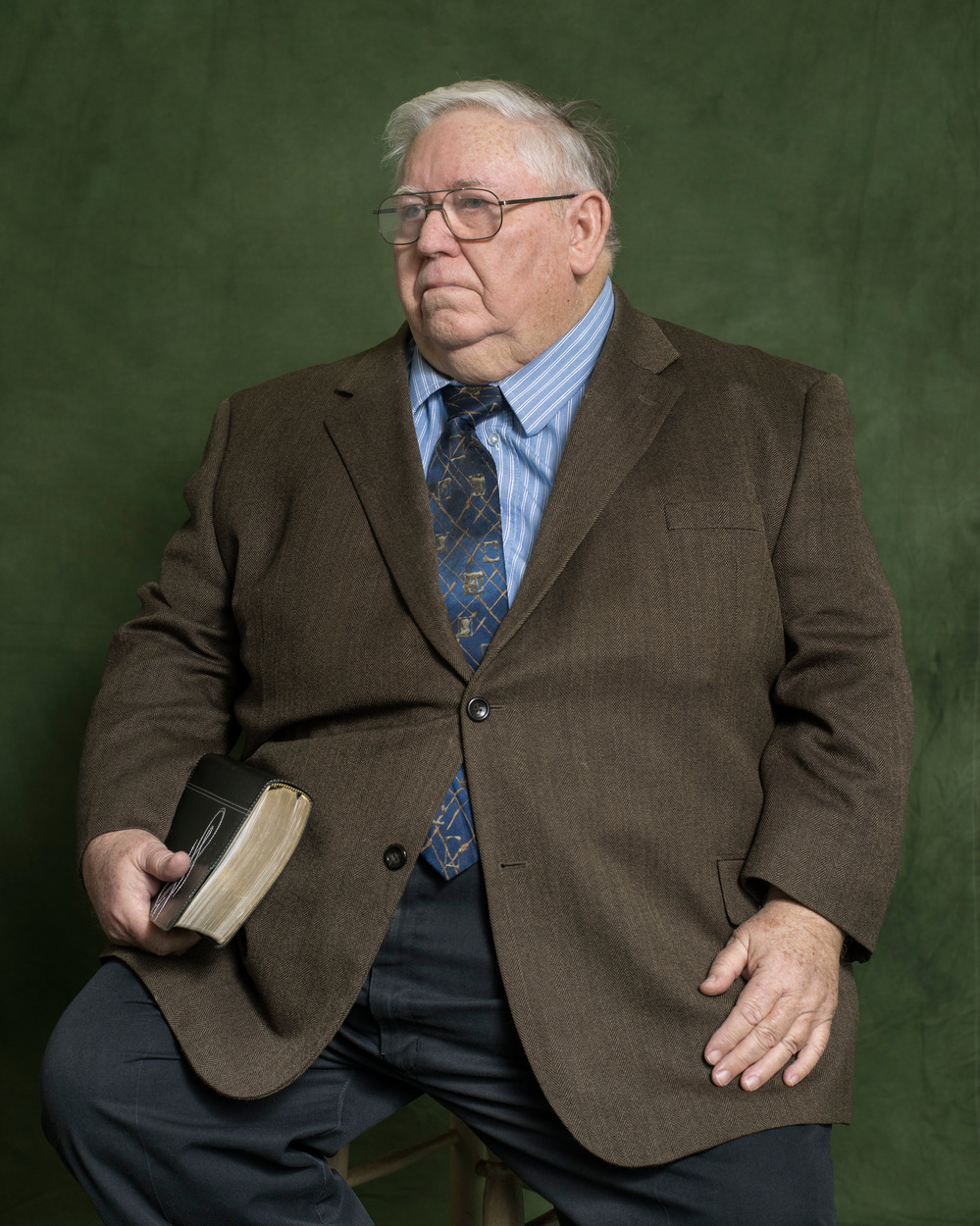
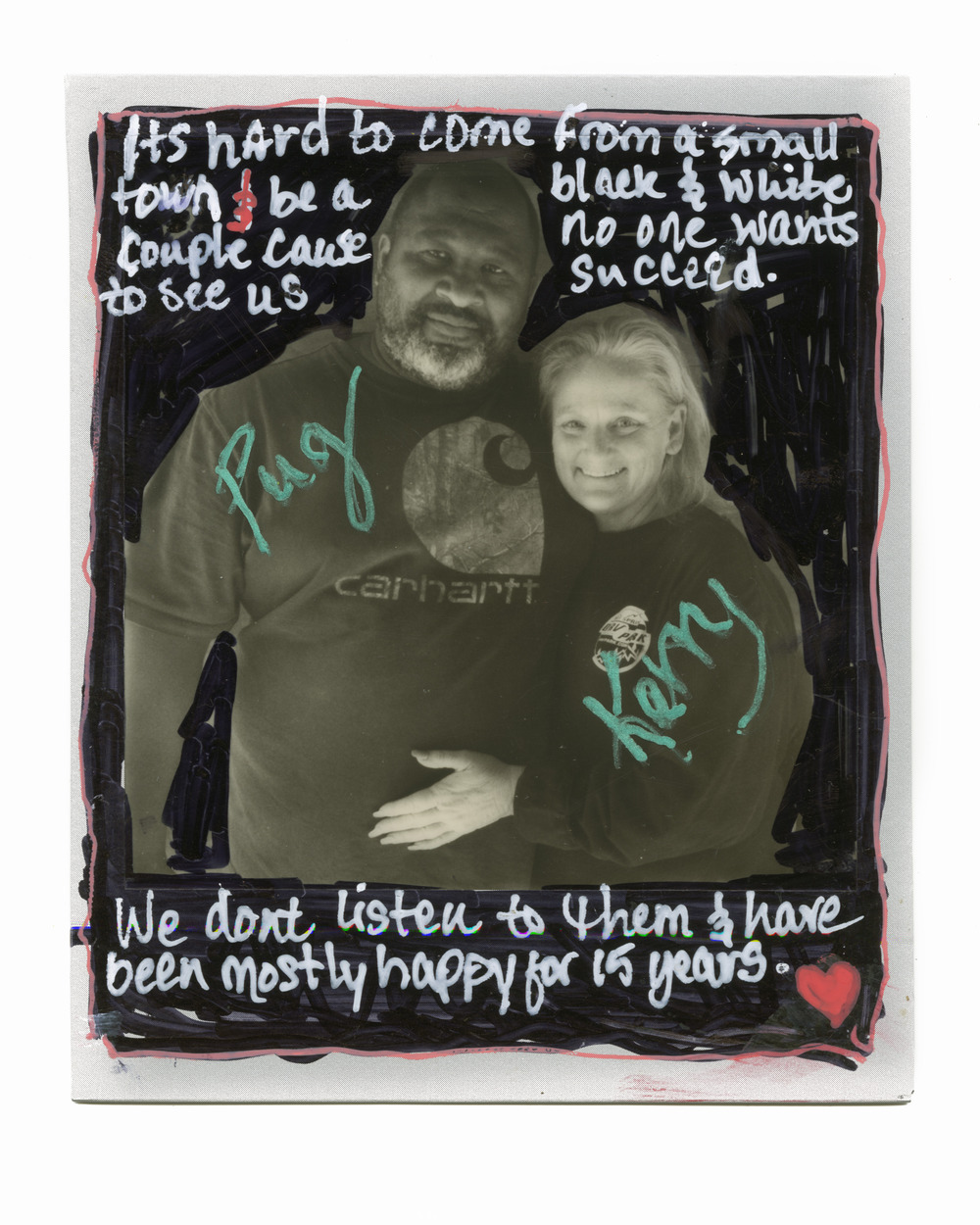
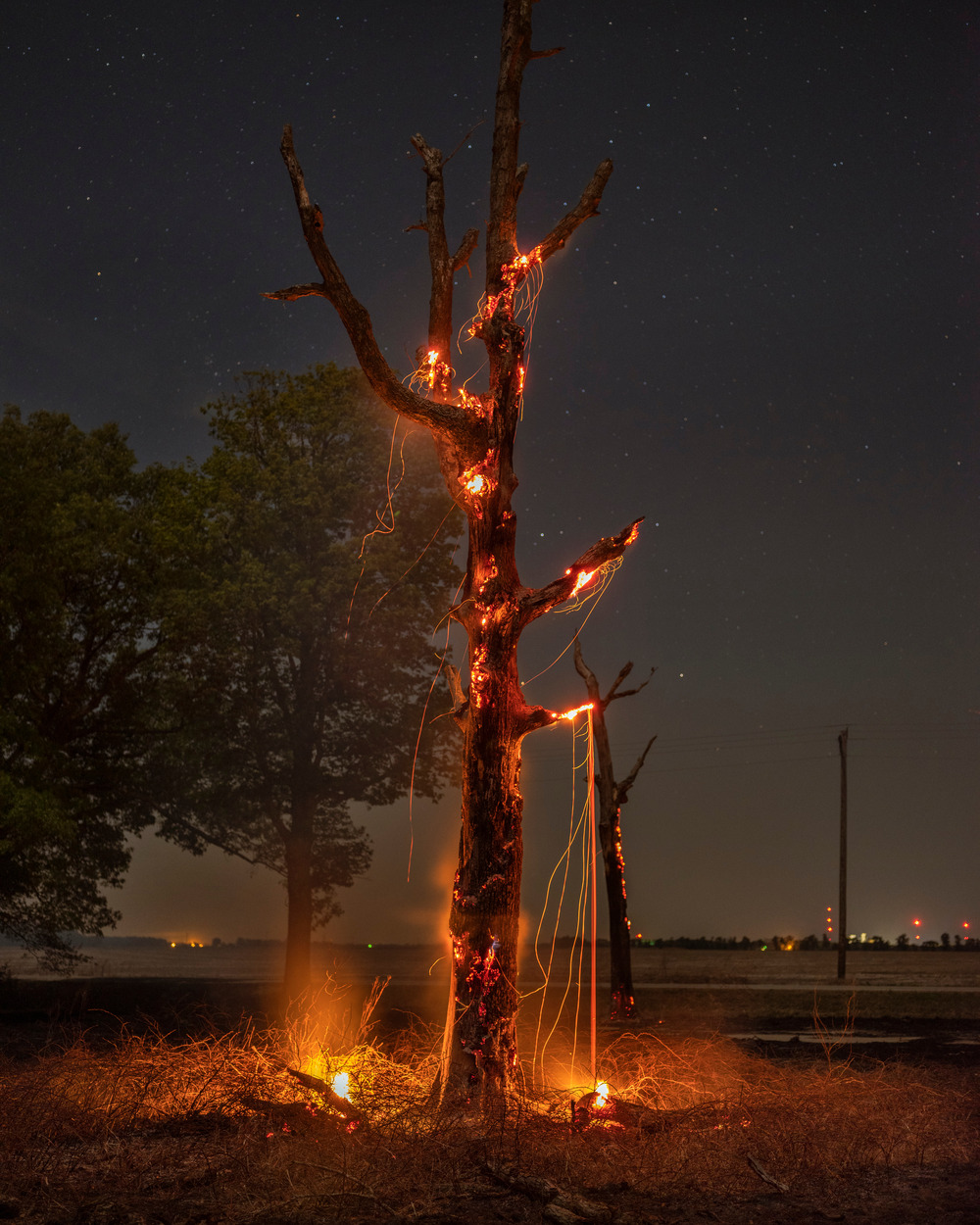
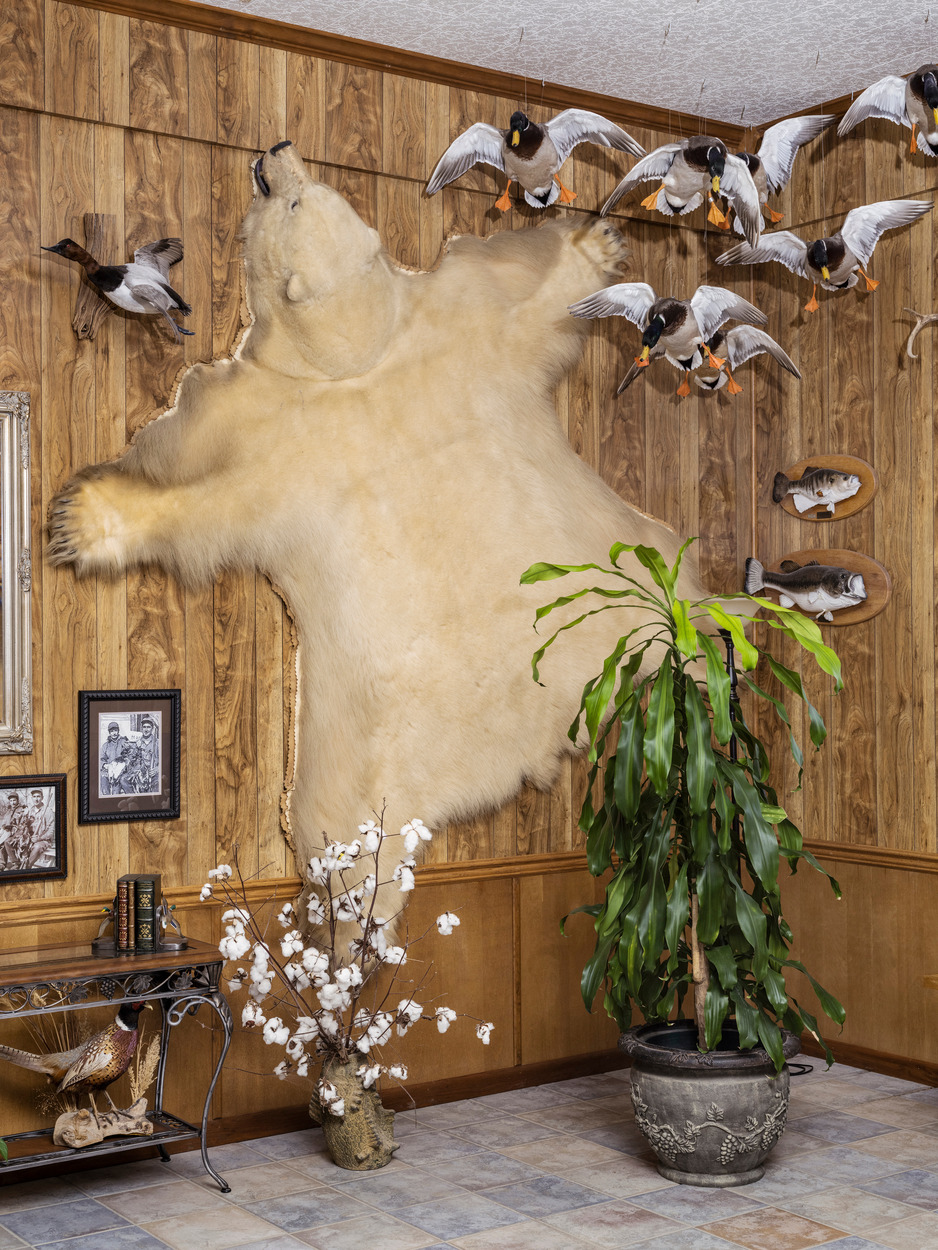
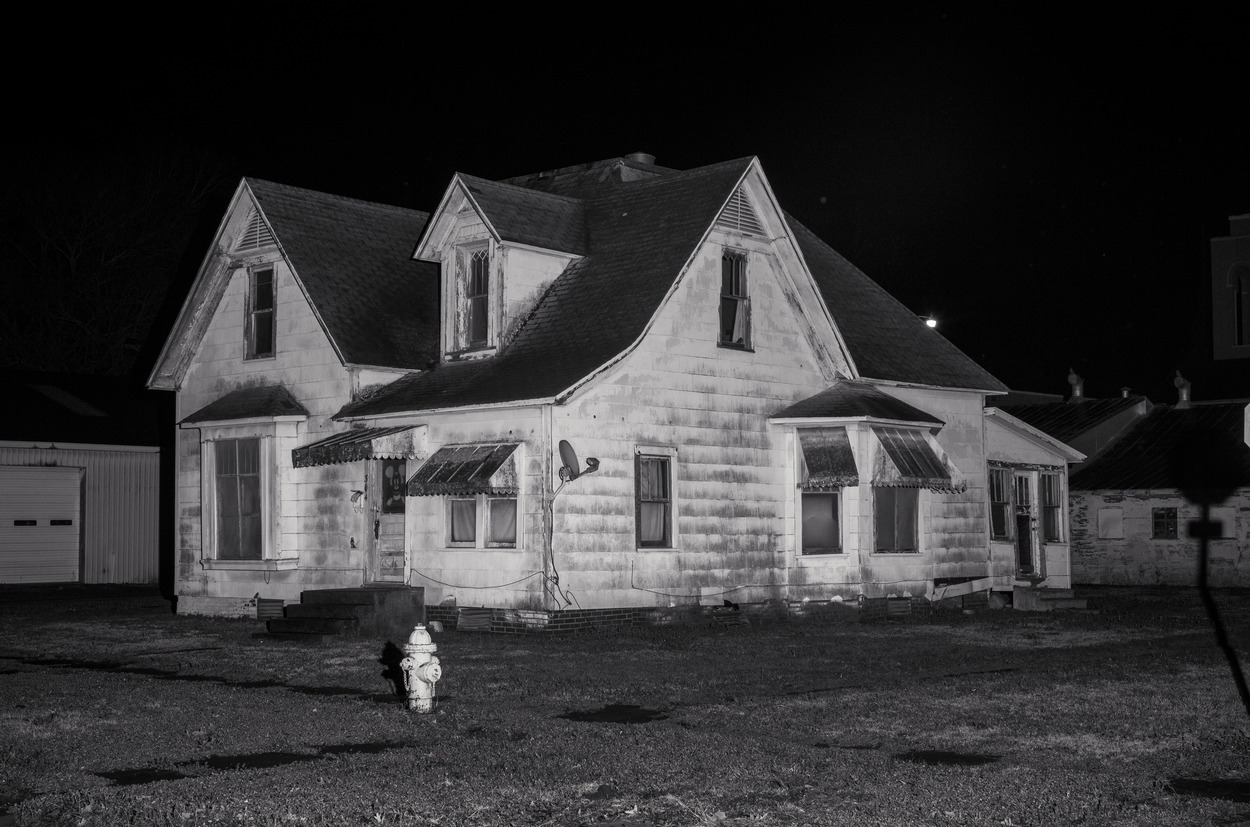
Taken by Jim Goldberg, these photographs of the Delta region stitch together a pastiche of post-civil war lineage, industrialization, and more.

Photos by Jim Goldberg

In 2019, Jim Goldberg started to work in the Arkansas Delta—with a particular focus on the neighboring towns of Augusta and McCrory. Augusta was once a thriving shipping hub for agricultural goods along the White River. In the late 1800s, Augusta rejected the opportunity to build a railroad through the city, choosing to rely on the river for its economic sustainability. In 1890, the railroad was instead built in the nearby town of McCrory. By the turn of the 20th century, railroads had replaced steamboats as the primary mode of shipping goods and transportation, marking the beginning of Augusta’s slow decline. Today, McCrory is the more prosperous of the two towns.
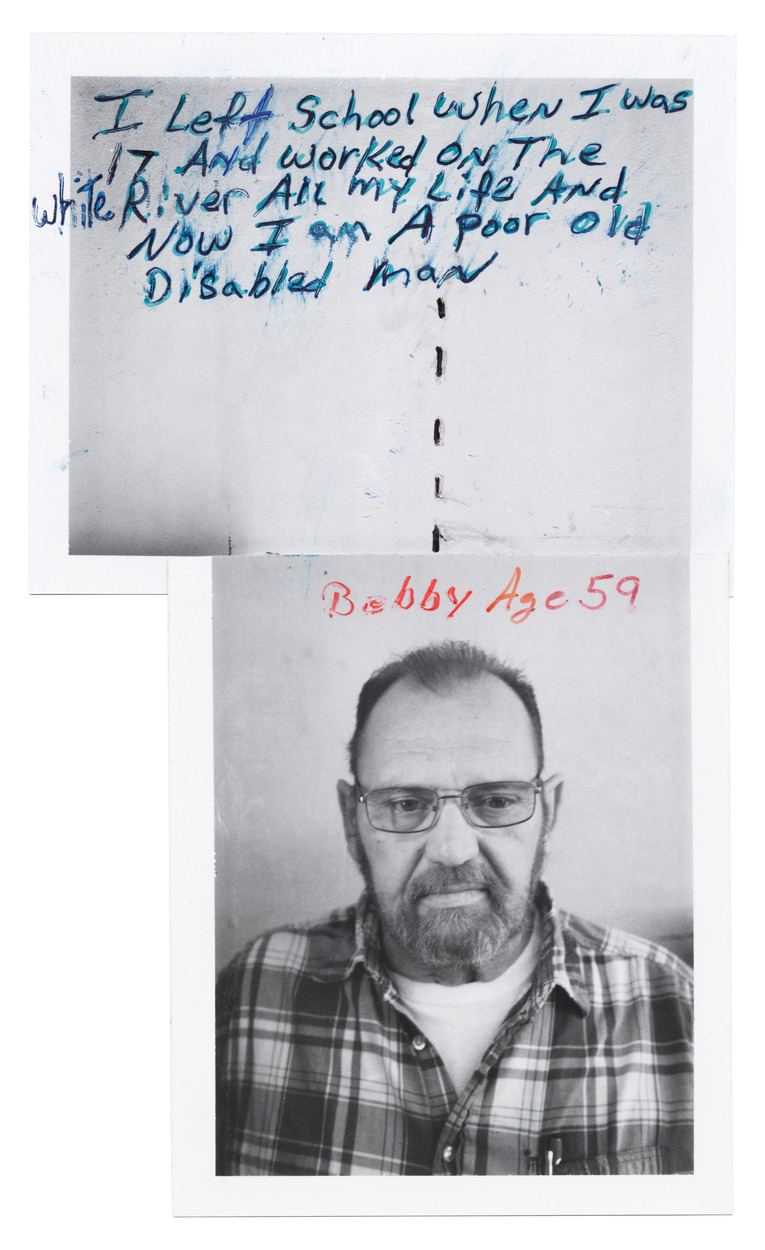
(Jim Goldberg / Magnum Photos)

After spending time in Arkansas, Goldberg became fascinated by the people he met, a tangled web of post–Civil War lineages, and their rich photographic history. Inspired by Walker Evans, Mike Disfarmer, and the White River Photo Studio of Hugo and Gayne Preller, he began setting up a pop-up studio and taking formal 4×5 portraits of the people in town.

As he became integrated into the fabric of daily life and his investment in the communities grew, so did his awareness of the complicated social dynamics in the small towns. Recognizing these complexities requires a nuanced and informed perspective, an awareness that the economic disparities are often tied to historical factors such as slavery, sharecropping, and land ownership. They are deeply rooted in history, culture, and geography.

To this day, the photographer continues to document these places as a personal project, focusing on their evolution as well as that of their citizens, completing the work within this community and recording the complicated layers of these two small towns. —Magnum Photos
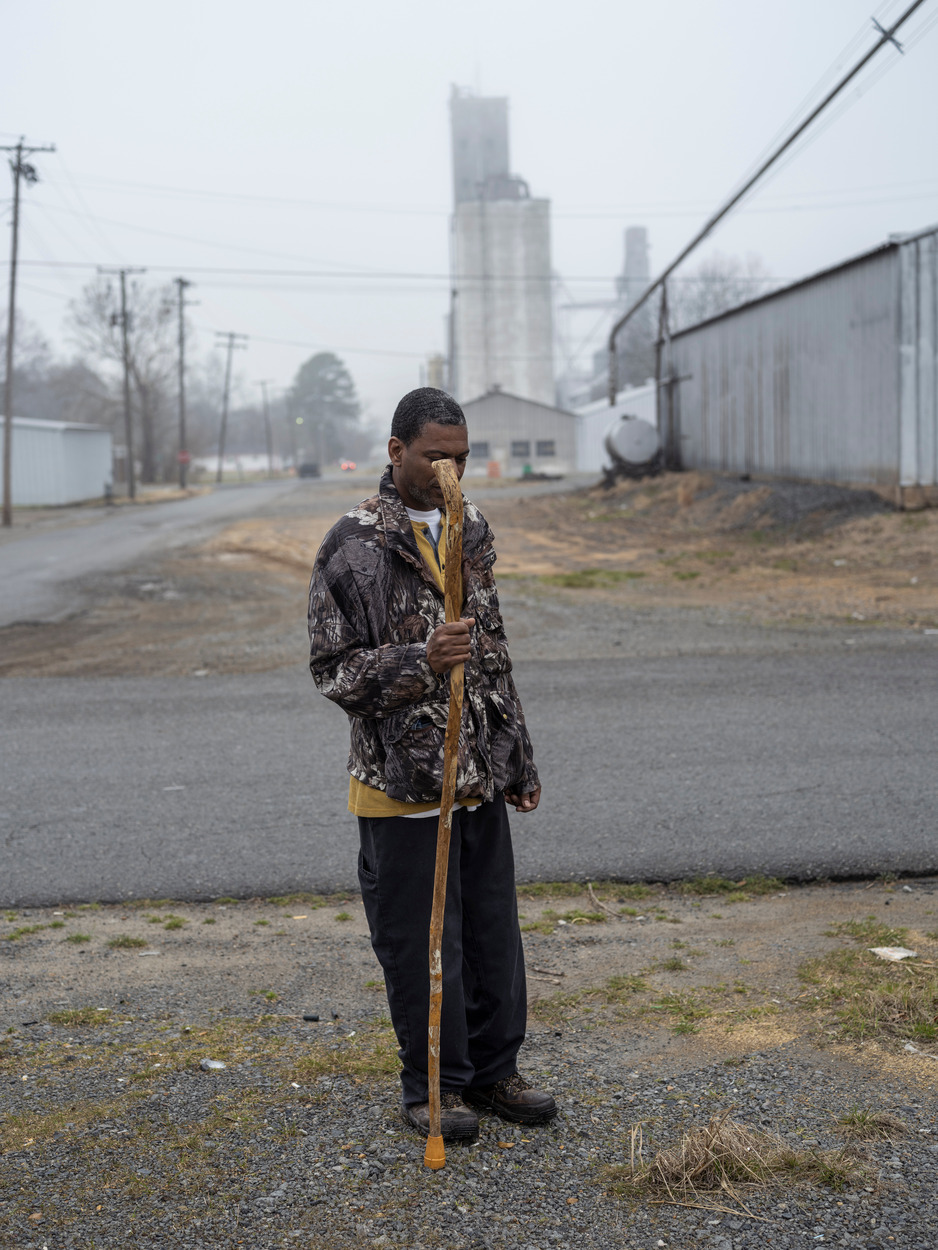
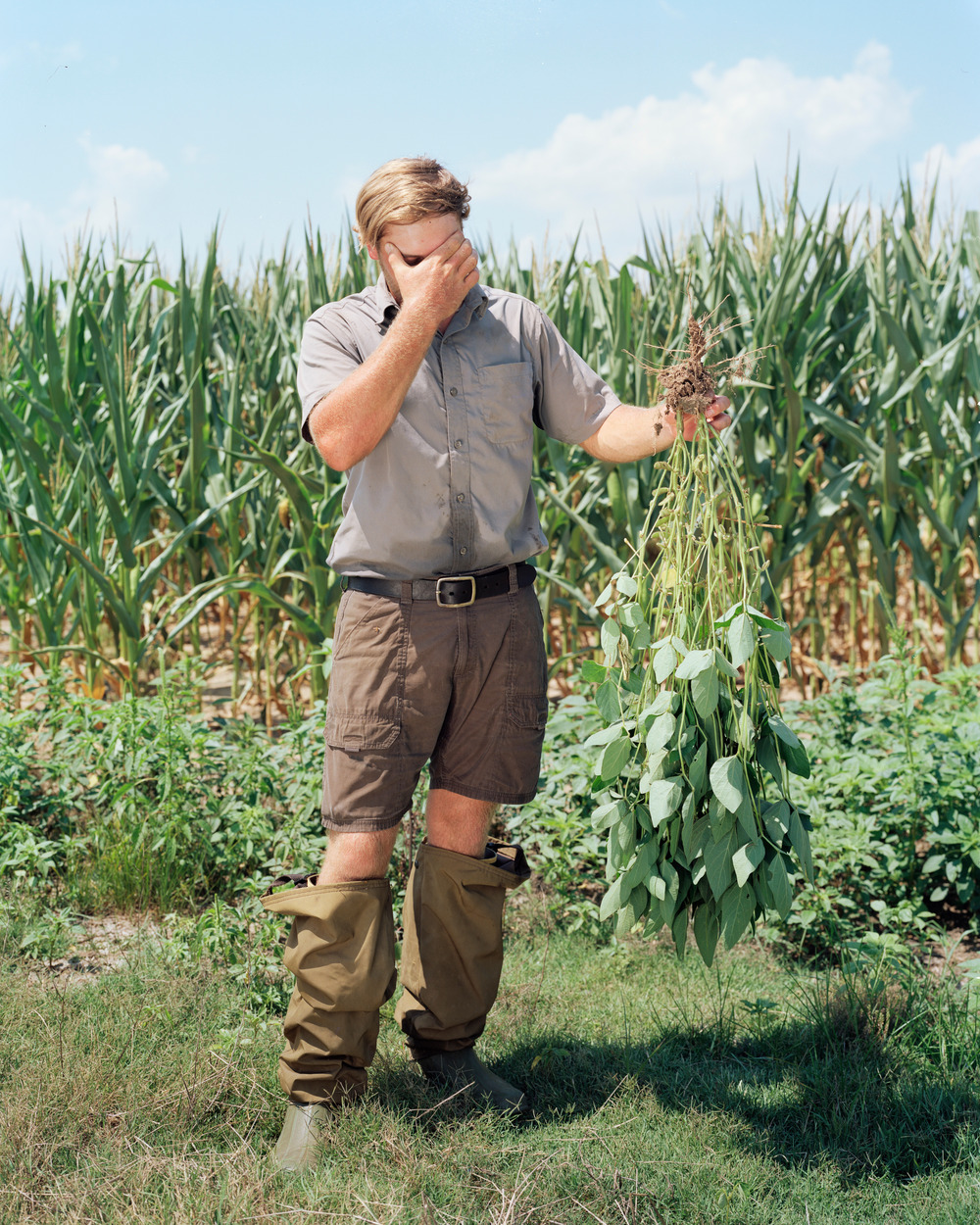
(Jim Goldberg / Magnum Photos)

Time is running out to have your gift matched 

In this time of unrelenting, often unprecedented cruelty and lawlessness, I’m grateful for Nation readers like you. 

So many of you have taken to the streets, organized in your neighborhood and with your union, and showed up at the ballot box to vote for progressive candidates. You’re proving that it is possible—to paraphrase the legendary Patti Smith—to redeem the work of the fools running our government.

And as we head into 2026, I promise that The Nation will fight like never before for justice, humanity, and dignity in these United States. 

At a time when most news organizations are either cutting budgets or cozying up to Trump by bringing in right-wing propagandists, The Nation’s writers, editors, copy editors, fact-checkers, and illustrators confront head-on the administration’s deadly abuses of power, blatant corruption, and deconstruction of both government and civil society. 

We couldn’t do this crucial work without you.

Through the end of the year, a generous donor is matching all donations to The Nation’s independent journalism up to $75,000. But the end of the year is now only days away. 

Time is running out to have your gift doubled. Don’t wait—donate now to ensure that our newsroom has the full $150,000 to start the new year. 

Another world really is possible. Together, we can and will win it!

Love and Solidarity,

John Nichols 

Executive Editor, The Nation

Jim Goldberg

Jim Goldberg has been working with experimental storytelling for over 40 years. His innovative and multidisciplinary approach to photography often examines the lives of neglected, ignored, or otherwise outside-the-mainstream populations.

More from The Nation

A still from the 60 Minutes segment held by Bari Weiss, the editor in chief of CBS News.

Read the CBS Report Bari Weiss Doesn’t Want You to See Read the CBS Report Bari Weiss Doesn’t Want You to See

A transcript of the 60 Minutes segment on CECOT, the notorious prison in El Salvador.

The Nation

Pope Leo XIV stands in front of a Christmas nativity scene at Paul-VI hall in the Vatican on December 15, 2025.

The Christmas Narrative Is About Charity and Love, Not Greed and Self-Dealing The Christmas Narrative Is About Charity and Love, Not Greed and Self-Dealing

John Fugelsang and Pope Leo XIV remind us that Christian nationalism and capitalism get in the way of the message of the season.

John Nichols

Jules Feiffer, Elizabeth Pochoda, Bill Moyers

In Memoriam: Beautiful Writers, Influential Editors, Committed Activists In Memoriam: Beautiful Writers, Influential Editors, Committed Activists

A tribute to Nation family we lost this year—from Jules Feiffer to Joshua Clover, Elizabeth Pochoda, Bill Moyers, and Peter and Cora Weiss

Obituary / Richard Kreitner

President Donald Trump in the White House in January 2025.

Trump’s Anti-DEI Crusade Is Going to Hit White Men, Too Trump’s Anti-DEI Crusade Is Going to Hit White Men, Too

Under the Trump administration’s anti-DEI directives, colleges would be forced to abandon gender balancing, disadvantaging men.

Kali Holloway

Why We Need Kin: A Conversation With Sophie Lucido Johnson

Why We Need Kin: A Conversation With Sophie Lucido Johnson Why We Need Kin: A Conversation With Sophie Lucido Johnson

The author and cartoonist explains why we should dismantle the nuclear family and build something bigger.

Q&A / Regina Mahone

CBS News editor in chief Bari Weiss hosts a town hall with Erika Kirk on December 10.

Bari Weiss’s Counter-Journalistic Crusade Targets “60 Minutes” Bari Weiss’s Counter-Journalistic Crusade Targets “60 Minutes”

The new editor in chief at CBS News has shown she’s not merely stupendously unqualified—she’s ideologically opposed to the practice of good journalism.

Elizabeth Spiers