
We Need to Prepare for the Mammoth Task of De-Trumpification
The damage he and his cronies have wrought could take decades to repair, particularly when it comes to science and public health.
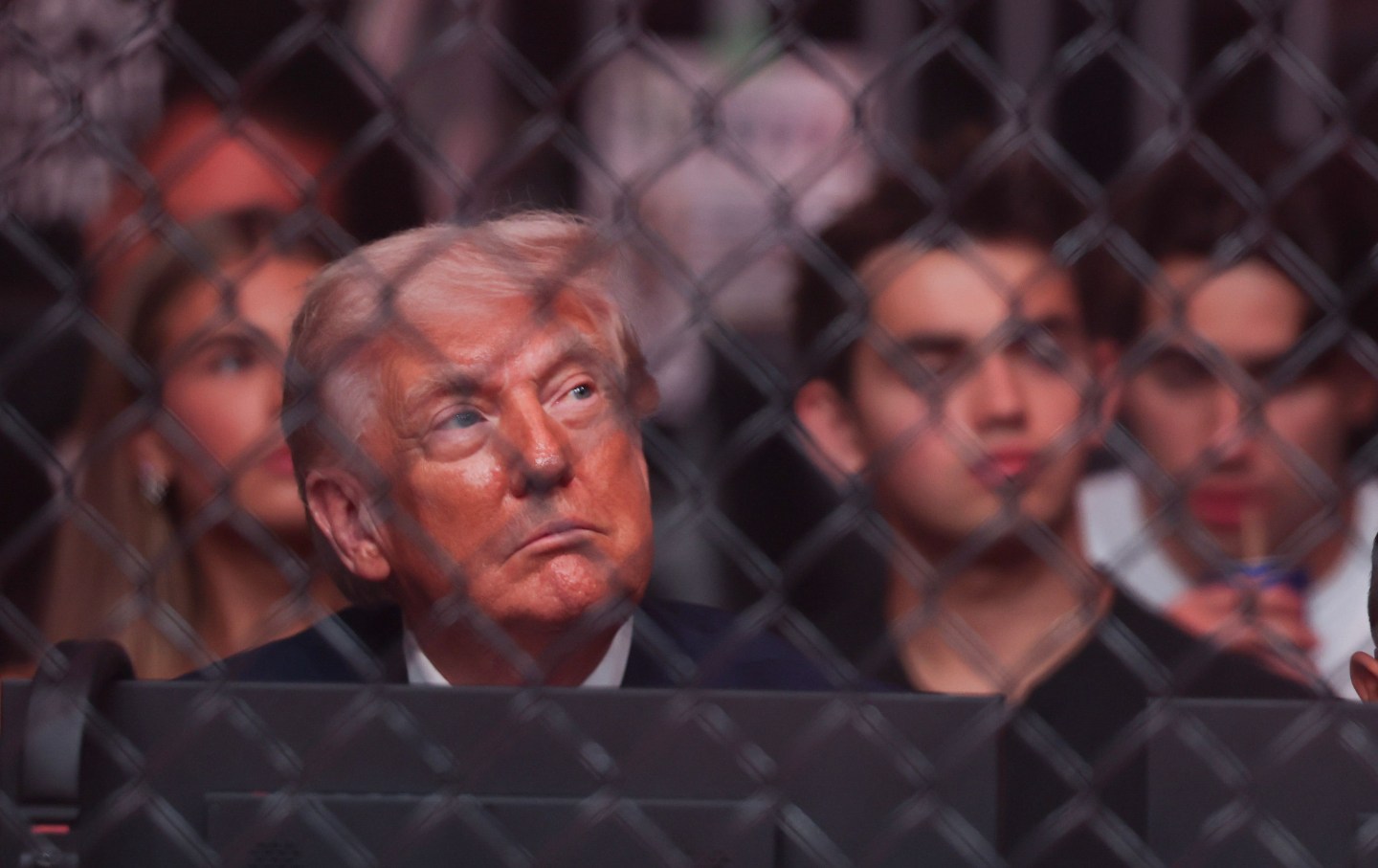
Donald Trump attends a UFC fight in Miami on April 11, 2026.
(Tasos Katopodis / Getty Images)Back in December, after Donald Trump renamed the Kennedy Center in his own honor, Kerry Kennedy, the daughter of the late Robert F. Kennedy (that’s Kennedy Sr., not the misbegotten son), posted on X: “Three years and one month from today, I’m going to grab a pickax and pull those letters off that building, but I’m going to need help holding the ladder. Are you in? Applying for my carpenter’s card today, so it’ll be a union job!!!”
The De-Trumpification of buildings and other edifices of our narcissist in chief, and the melting down of his commemorative gold coins, will fill many of us with joy, but the effects of this monster’s reign will be long-lasting. There will be a long road to recovery, in many cases, with damage that will take decades to repair.
In public health, biomedicine, and other sciences alone, we have a generational task ahead of us. Just to rebuild what we’ve lost will take a “Marshall Plan” for these fields. Whole agencies have been decimated; divisions dissolved, thousands of civil servants who made these places run fired, data erased, key bodies like the Advisory Committee on Immunization Practices populated by cranks and quacks, others like the US Preventive Services Task Force put in limbo, and study sections and advisory councils at NIH thrown into disarray. Procedural rat-fucking has slashed the number of grants funded, while capable leaders are replaced by cronies and ideologues, often with little professional expertise or experience.
You don’t just switch the lights back on for these things after Trump is gone and expect to find everything just as it was. From NIH, FDA, SAMHSA, CMS, and CDC, to NSF, NOAA, EPA, and NASA, the harm is so significant that massive amounts of resources will be needed just to bring us back to baseline, let alone prepare ourselves for the challenges of the 21st century and beyond.
If the Democrats win back the White House, Senate, and House, they are going to have to pony up billions even to restore these agencies to where they were pre-Trump. The deficit hawks will say we cannot afford such expenditures, but we actually cannot afford to hold off on these investments. Unless we bring our nation’s public health and science institutions fully back online, the US economy could shrink by nearly $1 trillion or more over 10 years, and this country would be consigned to an also-ran status in scientific innovation for the rest of the century.
Outside of government, the downstream effects of Trump’s policies are calamitous. Universities have been the engine of scientific research since the end of World War II—but now, established researchers are looking elsewhere to pursue their work, doctoral programs have cut their admissions or stopped taking new students, and current students are now looking outside of research for their careers. The pipeline of talent for American science is drying up. From a biomedical perspective, this means fewer cures and new treatments for disease. Industry, which depends on its own workforce being trained at these academic institutions, can’t just fill the gap. The attacks on science have been felt hardest among women and people of color, from grant terminations to training opportunities. If we need a Marshall Plan for our federal science agencies, we will have to extend it to our academic institutions to ensure that the erosion of research at universities can be stopped and reversed.
And sadly, the carnage doesn’t stop there. Cuts at agencies like CDC and the EPA mean cuts to state and local health departments, environmental monitoring programs, which means that basic disease surveillance and air and water quality measurements are being compromised. Most of these local and state agencies have been underfunded for years, so even bringing them back to pre-Trump levels of funding and functioning will leave us as unprepared as we were in 2019 for the new pandemic that arrived on our doorsteps in 2020.
None of this is to say public health and scientific research in the US were perfect before Trump took power again. But that’s also the point: Recovering from the devastation gives us the chance to build the system we’ve needed for so long. Yet confronting the sheer scale of what needs to happen is the first step toward recovery.
The scope of the damage, and the enormous amounts of money, time, and energy that will be required to bring us just back to 2024 levels, boggles the mind. I am not sure anyone has really wrapped their heads around what this means, given that so many other areas of public life will need Marshall Plans of their own. Trump, in his malfeasance, malice, and incompetence, is running up quite a tab, and we, our children, and our children’s children, will be left with the bill.
Trump has also not acted alone. The de-Trumpification of American public health and science will have to confront the legacy of his accomplices. From agency chiefs like Marty Makary and Jay Bhattacharya to higher-ups like RFK Jr. and Russell Vought, to the low-level insiders like Matthew Memoli and Jon Lorsch at NIH, whose familiarity with the workings of their agency helped to bring it down from within, all of these men need to be held accountable. Again, Democrats will have to show some spine should they ever be in leadership again and hold hearings at the very least. Better yet, they should impanel an independent commission to document the day-to-day work that was done by all the president’s men and women, agency by agency, to gut public health and science in America.
This isn’t about retribution; it’s about bearing witness, putting the facts in the open so everyone knows what these people did. Letting them slip back into private life, back to cushy university appointments and far-right think tanks, without an accounting of what has happened is an affront to decency, dishonors the dead from this administration’s policies, whitewashes history, and makes it all the easier to let it happen again. Truth? Yes. Reconciliation. Maybe.
There will be a day after Trump. Weeks. Months. Years to follow. One day, we will be free. But we need to hold to the fact now that rebuilding will take decades and not lull ourselves into the idea that we will return to normal (however deeply imperfect it all was before 2025) anytime soon or without putting in the work. Our leaders, whoever they may be after this man is gone, need to know now that timidity and small-bore, poll-tested versions of the future will do nothing to slow the decline of public health and science in America, nor heal the gaping wounds in our nation across other domains of federal governance. We’re going to have to swing for the fences once again. Without a bold, expansive vision to guide us, there is no coming back.
More from The Nation
Trump Has Made it Legal to Destroy Endangered Species’ Habitats Trump Has Made it Legal to Destroy Endangered Species’ Habitats
By redefining the meaning of “harm” in the Endangered Species Act, the administration is giving big corporations a gift they have long demanded.
Journalist Meaghan Beatley on Latin America’s Feminist Resistance Journalist Meaghan Beatley on Latin America’s Feminist Resistance
A conversation with the author of Sex and Dissent about what American feminists can learn from the Green Wave movement.
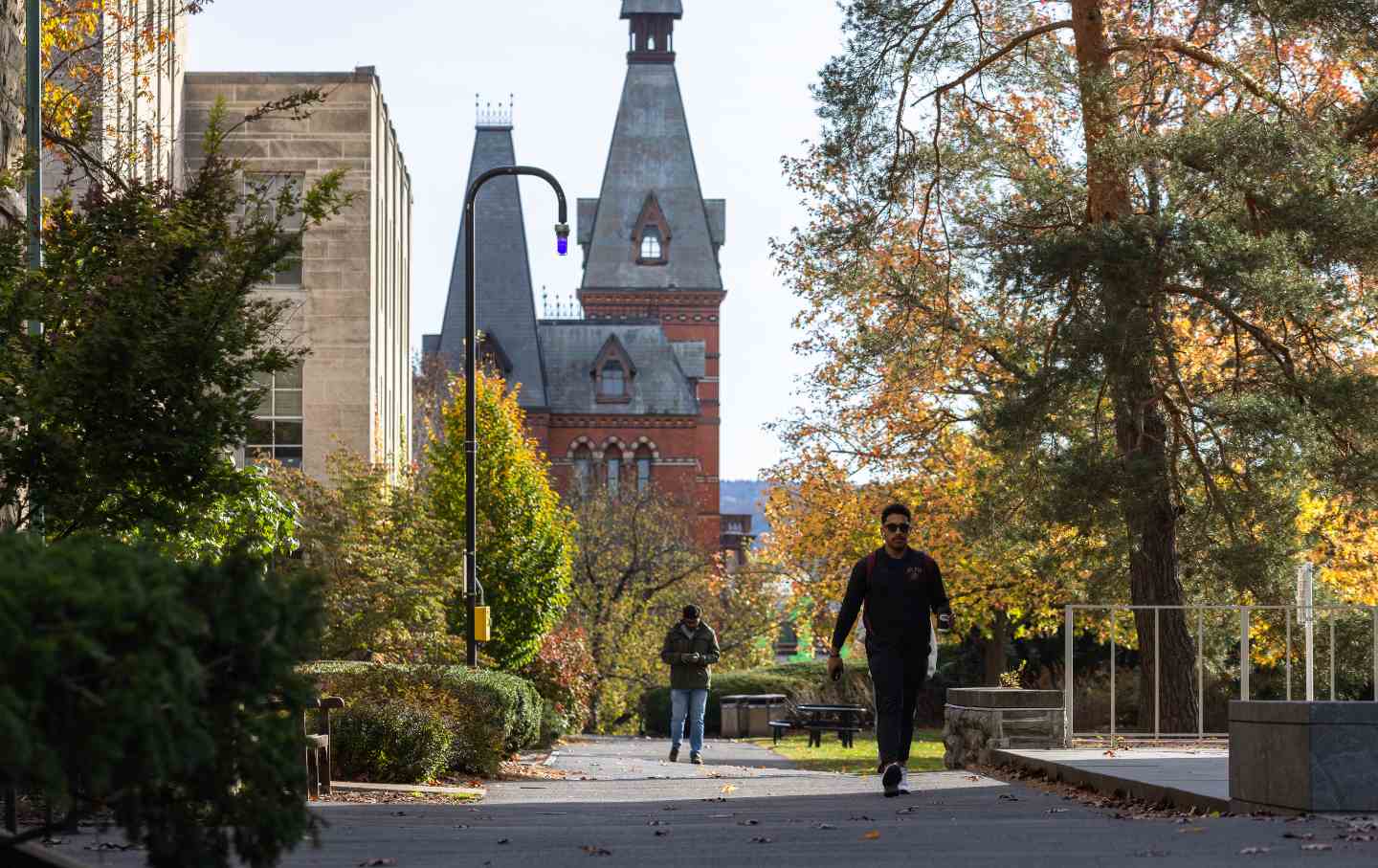
As Cornell’s Rape Case Draws National Attention, Students Want Accountability As Cornell’s Rape Case Draws National Attention, Students Want Accountability
A new lawsuit alleging that a former student was drugged and gang-raped by Chi Phi fraternity members is sparking outrage in the Cornell community.

Irish Goalkeeper Gavin Bazunu’s Refusal to Play Against Israel Puts Him on the Right Side of History Irish Goalkeeper Gavin Bazunu’s Refusal to Play Against Israel Puts Him on the Right Side of History
Bazunu’s decision raises the perennial question: Why is a country that is currently committing a genocide allowed to compete in the first place?
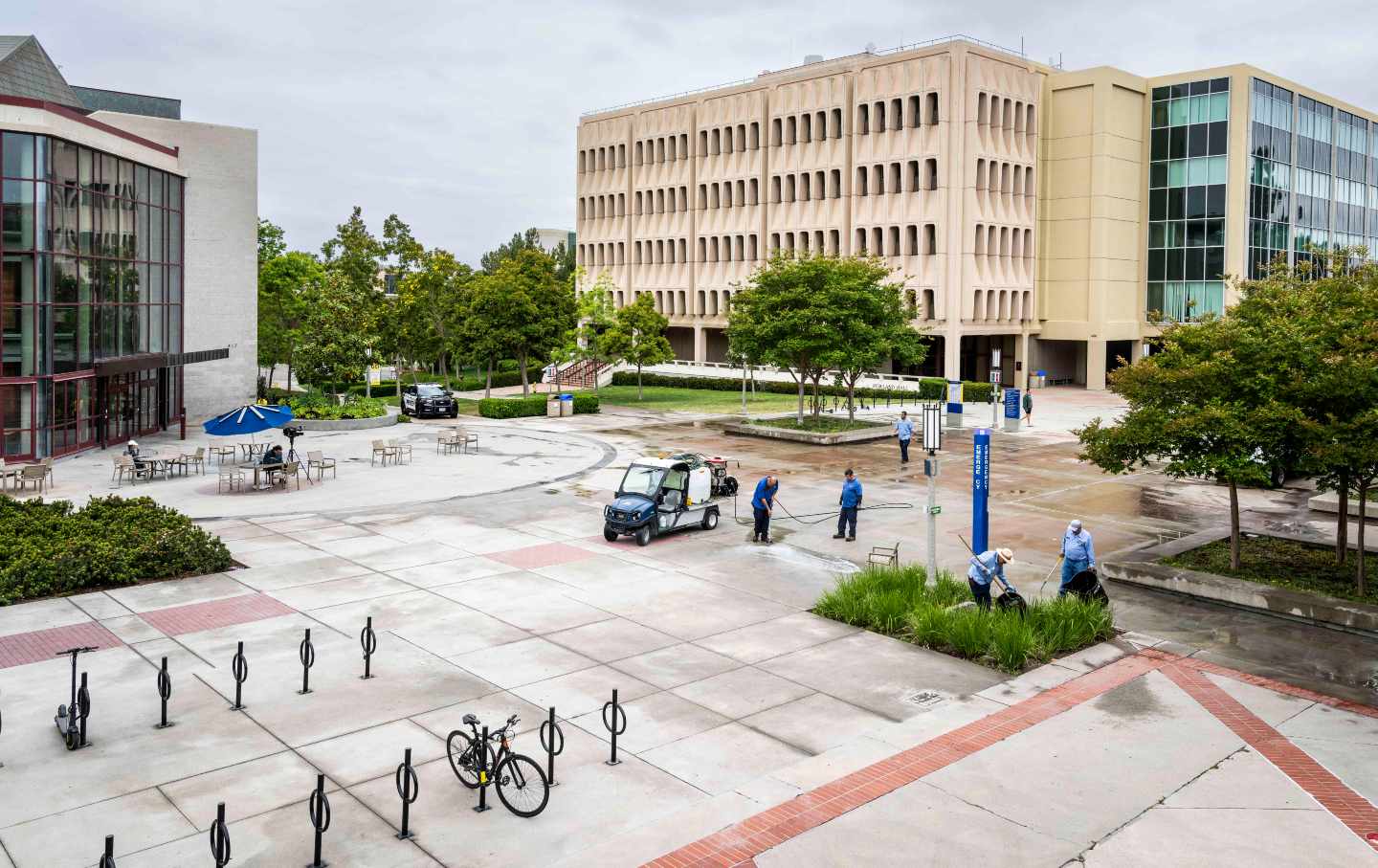
The Promises and Compromises of the University of California The Promises and Compromises of the University of California
I grew up in a neighborhood manufactured by the University of California, Irvine. It felt like a utopia for academics—until the university forsook its mission of serving the publi...

