What We Need to Ask Ourselves About AI
Seven questions to resolve before we let this fast-moving technology run rampant.
AI and robotics have enormous potential to improve human life. But they also pose profound dangers that we have not fully confronted. Left unchecked, these technologies could lead to:
• The rise of an unaccountable global oligarchy. The richest people on Earth—Elon Musk, Larry Ellison, Jeff Bezos, Mark Zuckerberg—are not investing trillions in these technologies out of generosity. They want more wealth and power. Can democracy survive when a handful of multibillionaires wield unprecedented influence over the economic and political life of our nation?
• Massive job loss. There are economists who warn that the spread of AI and robotics could cost millions of jobs. What happens to workers when there are no jobs for them? How will ordinary Americans survive without income? How will they pay for housing, healthcare, food, and other basic necessities?
• Increased social isolation and mental illness. Young people are already turning to AI “companions” for emotional support. What happens to our humanity when people interact with machines more than they do with fellow human beings?
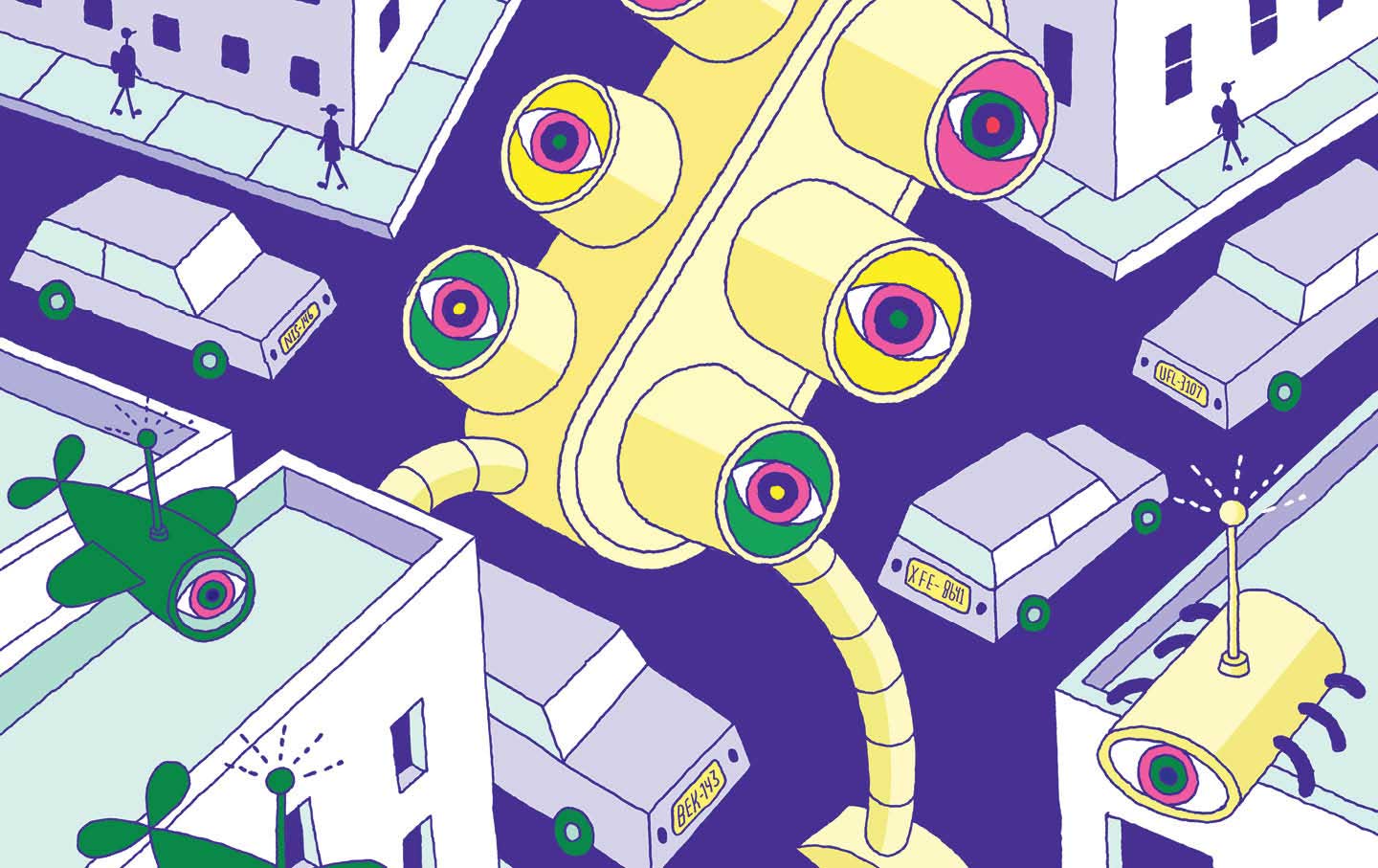
• Total invasion of privacy. If every phone call, e-mail, text, search, financial transaction, and movement can be tracked by the owners of AI, is the concept of privacy made obsolete? Does this not inevitably lead to authoritarianism?
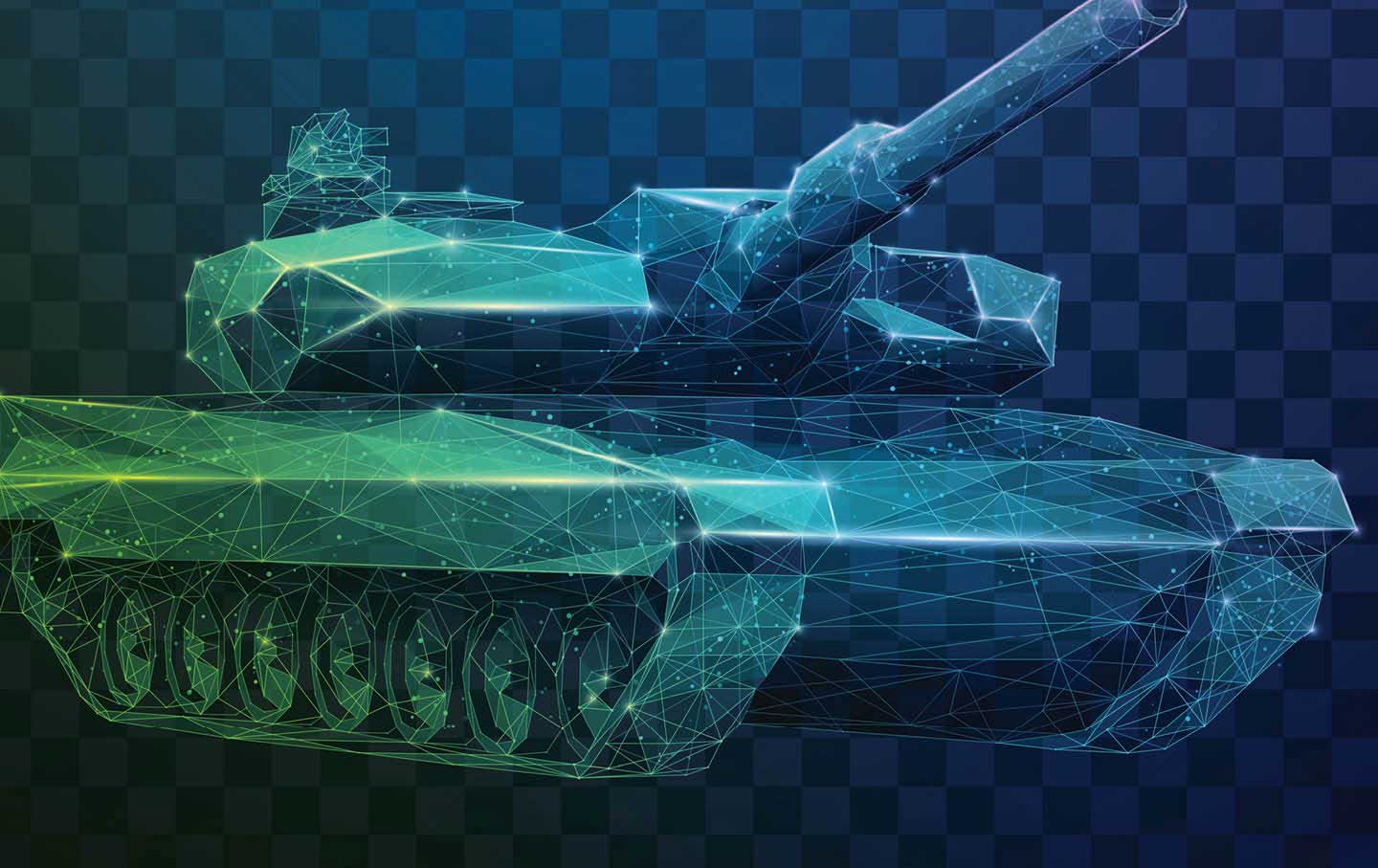
• Higher likelihood of war. If robot soldiers replace human beings, will leaders be more willing to engage in catastrophic armed conflict? Will we see an arms race of robot soldiers?
• Environmental degradation. AI data centers require enormous amounts of electricity and water. Will the construction of these data centers strain power grids and accelerate carbon emissions? Will ordinary consumers see major increases in their electric bills?
• Undermining of human control of the planet. Some Big Tech CEOS think that AI may soon surpass human intelligence. What happens if we can’t regulate the things that we create? Could that create an existential threat to humanity itself?