The Stupid Economy
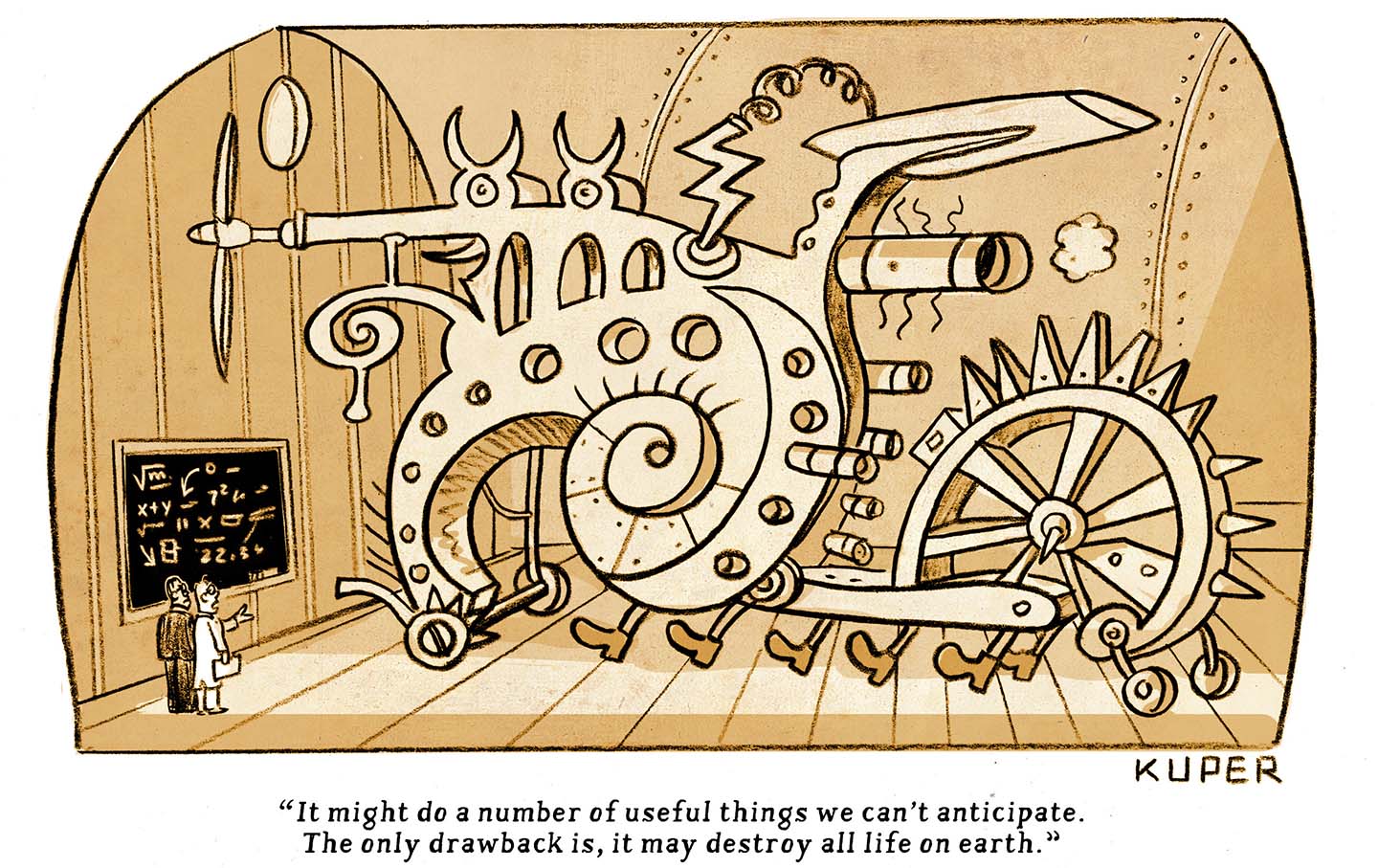
Trump promised voters revitalization and growth. But he doesn’t know the first thing about economics.
Remember the Golden Age? That was the main pitch behind Donald Trump’s 2024 reelection campaign: On his return, he’d tame the inflationary legacy of the Biden White House, institute a new regime of tariffs to strengthen America’s standing in the global economy, pass yet more tax cuts for the wealthy, preside over a newly resurgent manufacturing sector and investment economy, and revive America’s hallowed extractive industries of oil and coal while mothballing federal subsidies for solar and wind energy.
Cut to a year and a half into his second term, and Trump has accomplished almost nothing in his promised suite of Golden Age breakthroughs. Yes, there were sweeping tax cuts in his 2025 taxation and spending bill, but they have produced no real broadly distributed economic growth; the labor economy has stalled, and manufacturing continues to decline in a service-dominated US economy. Even before the Supreme Court found them unconstitutional, Trump’s tariffs yielded little more than higher retail prices for consumers. And his feckless war of choice with Iran has sent the costs of energy, food, and other mainstay products skyrocketing.
Trump’s dismal economic record is more than an indictment of his policy agenda: It goes to the heart of the bogus public image he’s lovingly cultivated during his tour through American celebrity culture—the fable that he’s a Promethean business genius whose unerring instinct for exploiting market opportunities has vastly improved both his fortune and the world surrounding him. This was the origin story that launched Trump onto the bestseller lists with The Art of the Deal, landed him in the Rolodexes of a generation of TV bookers and producers, and fueled his mythic political image as an omnicompetent DC outsider who could “fix” all of the many ills besieging our once-mighty businessman’s republic.
It was also complete bullshit from the word go. Trump’s fortune, like that of many self-aggrandizing business titans, was built on his father’s wealth—amassed in his case through a racist New York real-estate empire. Trump’s initial run of Manhattan development projects became profitable through the exploitation of tax abatements and other government subsidies; and in emulation of his political mentor Roy Cohn, Trump further padded his bottom line by stiffing vendors and contractors on an epic scale. The mediagenic image of Trump as a business wizard was rudely upended in the 1990s when his Atlantic City casinos flatlined, joining his airline and his United States Football League franchise in the dustbin of Trump-branded properties. Before the decade was out, the world-shaking dealmaker had filed for bankruptcy six times over.
You’d think that anyone too clueless to turn a profit from a chain of casinos would have his business-genius credentials promptly retired. But Trump overcame the stigma of bankruptcy the same way he became a national real-estate brand in the first place—with massive subventions of public funds and family cash to leverage his debts. That he no longer owned anything capable of accruing actual economic value no longer mattered; Trump doggedly shilled out his name for licensing fees on a seemingly endless regress of aspirationally gilded consumer items, from vodka and health supplements to motivational lectures and his fraudulent eponymous university.
As the New Yorker scribe Mark Singer wrote of this echt-American transformation in a 1997 profile, “Trump’s vaunted art of the deal has given way to the art of ‘image ownership.’” It was the NBC producer Mark Burnett who lifted Trump out of this welter of self-branding squalor by tapping him as the host of The Apprentice in the early aughts. The hit show was in many ways the perfect self-referenced gloss on Trump’s tour as a market demigod: He was pretending to be the boss on TV of a legion of fame-hungry cosplayers miming their own version of savvy market prowess for the cameras. The only genuine product on offer in the whole Kabuki spectacle was celebrity.
Thus, when Trump makes a harried show of walking back his threats to commit more war crimes in Iran in order to calm the restive spirit of the stock market, it’s crucial to understand that this prime mover of the American political economy literally has no idea what he’s doing. The same goes for Trump’s fallacious zero-sum understanding of how tariffs and trade balances work.
Trump’s fundamental economic illiteracy appears to be grounded in a breakdown of basic arithmetic. He’s often announcing his determination to send drug prices plunging by as much as 1,500 percent; he once vowed that he’d ensure the price of the weight-loss treatment Wegovy would plummet “from more than $1,300 to $199, a 578 percent difference.” There’s also strong circumstantial evidence that the man doesn’t understand what a trillion is—wildly inflating the estimated cost of last fall’s government shutdown by a factor of 100, while adding an additional trillion to his already bogus assessment of $2 trillion in estimated tariff revenues in the space of day, fueled by nothing more than MAGA-branded hopium.
Many of Trump’s opponents cite these frequent numerical face-plants as evidence that the president of the United States is simply an oaf, but the truth here is more troubling. Trump’s understanding of numbers, like his understanding of the economy, isn’t steeped in rank ignorance so much as in the business pieties of positive thinking.
That’s why the most revealing of Trump’s many court actions was his suit against his biographer Timothy O’Brien, for claiming that the ’80s-bred brand hustler was not, as he perpetually claimed, an actual billionaire. In his deposition for the suit, Trump argued that he was a billionaire for the simple reason that, on most days, he felt like one: “My net worth fluctuates, and it goes up and down with markets and with attitudes and with my feelings…. Yes, even my own feelings, as to where the world is, where the world is going, and that can change rapidly from day to day.”
The world is now captive in much the same way to Donald Trump’s ever-changing moods—only these days, instead of suing his way out of its obdurate unwillingness to play along, he’s sending the message with bombs.
Become a Sustaining Donor This September
Between the reemergence of right-wing red-baiting and Donald Trump’s use of the chilling National Security Presidential Memorandum–7 to criminalize left political organizing, we’re seeing McCarthyism reborn before our eyes.
This assault on democracy cannot be ignored or wished away. Resisting it requires bravery in the face of threats and repression, a steadfast commitment to the truth, and the unwavering belief that we can—and will—overcome this darkness.
We must have an independent media that sets the record straight, unearths corruption and abuses of power, and advances a politics of justice and dignity for all if we’re to win this fight.
That’s why I’m writing to you today. This September, The Nation needs to add 100 monthly donors to sustain our progressive journalism. Your contribution makes the next investigative report, the next truth-speaking column, and the next pathbreaking essay all possible.
I hope you’ll support our work with a recurring donation today. If you donate $10 or more a month, we’ll send you a brand new “Hands Off the Free Press!” sticker to recognise your commitment to our cause. Please, donate today.
Onward,
Katrina vanden Heuvel
Editor and Publisher, The Nation