
Democrats Must Listen to Workers
How winning people’s trust involves listening to their challenges, ambition, ideas, and stories.
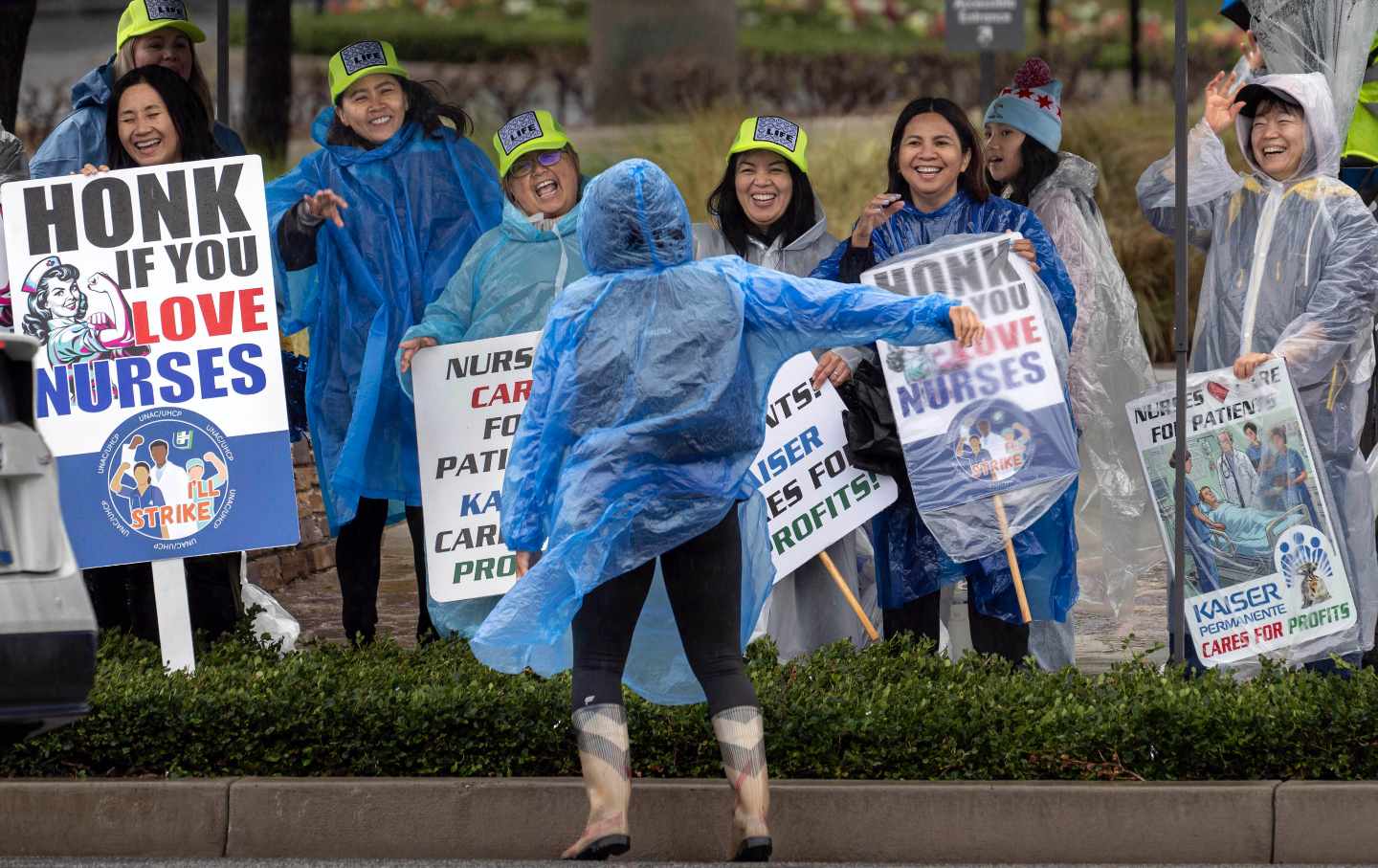
Donald Trump is tanking in the polls. But that public dissatisfaction hasn’t translated into working-class people trusting Democrats to have their backs.
When it comes to either party addressing their concerns about grocery bills, rent checks, pay stubs, retirement, their children’s education—the kinds of things keeping people up at night—working-class voters are still taking a “lesser of two evils” approach.
Having spent the last 14 years reporting on, visiting, or advocating for working-class communities in every region, this status quo doesn’t surprise me. Traveling the country you will hear a consistent message: “They [politicians] don’t care about me”; or “They only come around at election time.”
Above all else, winning people’s trust involves sitting down with them and listening—to their challenges, their ambitions, their ideas… their stories. It takes a certain intimacy to achieve that.
That’s why in the wake of the 2024 election, when a stream of punditry and post-mortems asked how can Democrats reconnect with the working class?—a coalition of state and national organizations (including my current employer, EPIC)—launched the #Listen2Workers campaign.
The campaign is built on a simple premise: Bring workers together with elected officials—local, state, and federal—and have authentic conversations. Ask workers about their lives, what is most pressing, their ideas for change. Listen, and then have a back and forth (no speeches) about what the legislator is hearing—about policy ideas, commitments, remaining questions, how they can work together.
Afterward, a coalition of organizations can help the legislator show their work—through social-media-friendly clips—so the public can see the commitment to working people in action, rather than political leaders simply talking about their commitment. If the party wants to shake the narrative among working-class people that they aren’t committed, they must show the evidence. It comes down to the old adage, Show, don’t tell—if you want it to stick.
Recently, Georgia House minority leader Carolyn Hugley hosted a #Listen2Workers forum in Macon, moderated by Stacey Abrams.
A group of about 25 racially diverse, union, and, importantly, nonunion workers, from both urban and rural communities, talked about wages that no longer cover rent, even for full-time workers. A retired law enforcement officer who had no union said that his wage after 26 years was the same as the entry wage for NYPD officers, despite both risking their lives. A union leader talked about the absurdity of a $7.25 hourly minimum wage, and parents having to work multiple jobs, so they don’t have the time they want and need for their kids.
Others spoke about the quiet devastation of disinvestment. A second-generation brick mason described how vocational programs were stripped from high schools, hollowing out both opportunity for young people and the skilled labor pipeline communities need. Many spoke of homes and lots that stand vacant, abandoned, while evictions rise. A gig worker explained that his “boss is AI,” with no job protections or recourse, and constant fear of being deactivated without explanation. A bartender said plainly, “I don’t want three jobs. I want one job. I want to live—not just survive.” The workers explored policy solutions ranging from rent stabilization to local banks providing entrepreneurs access to capital, to career pathways for young people, to tax revenues, to legislators showing up regularly, and much more.
What tied these stories together wasn’t ideology. It was lived experience—and a shared sense that too many political conversations happen without the people most affected being in the room.
As Abrams reflected afterwards, “People are hungry for solutions.… They are smart. They have clever, doable ideas. What they desperately need is someone who can listen to those ideas and help make them manifest.”
Popular
“swipe left below to view more authors”Swipe →State legislators across 11 states have now pledged to take part in the campaign. In California, more than a dozen are sitting down for one-on-one conversations with workers in their districts—care workers, gig workers, security workers, trade workers, and more.
Imagine if Democrats in red, blue, and purple districts across the country committed to doing this and explicitly tying a #Listen2Workers policy agenda to the stories they heard—shaped by the very people bearing the brunt of policy decisions every day. That kind of politics wouldn’t just move polls, it would help rebuild trust.
But it all starts with listening to the stories. Those are the receipts—for what people want, and how Democrats are responding to what they hear.
More from The Nation
What Are Democrats Prepared to Do if Trump Rigs the Election? What Are Democrats Prepared to Do if Trump Rigs the Election?
In this week’s Elie v. U.S, our justice correspondent challenges Democrats' lack of a plan if Trump steals the midterms. Plus: the most racist, and honest, AI add ever.
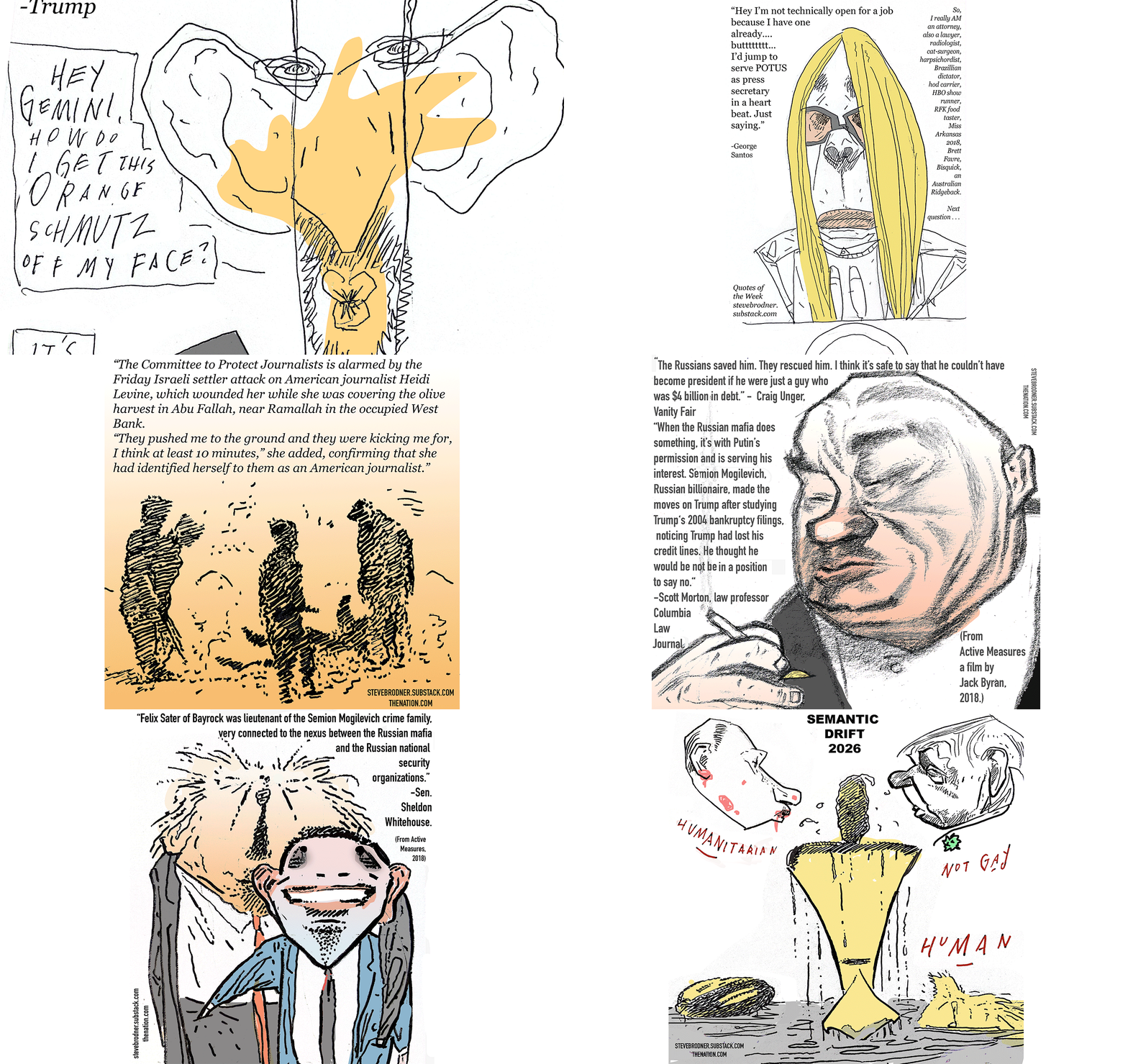
Ramaswamy’s Guide to a Better Vocabulary Ramaswamy’s Guide to a Better Vocabulary
Quotes of the Week.
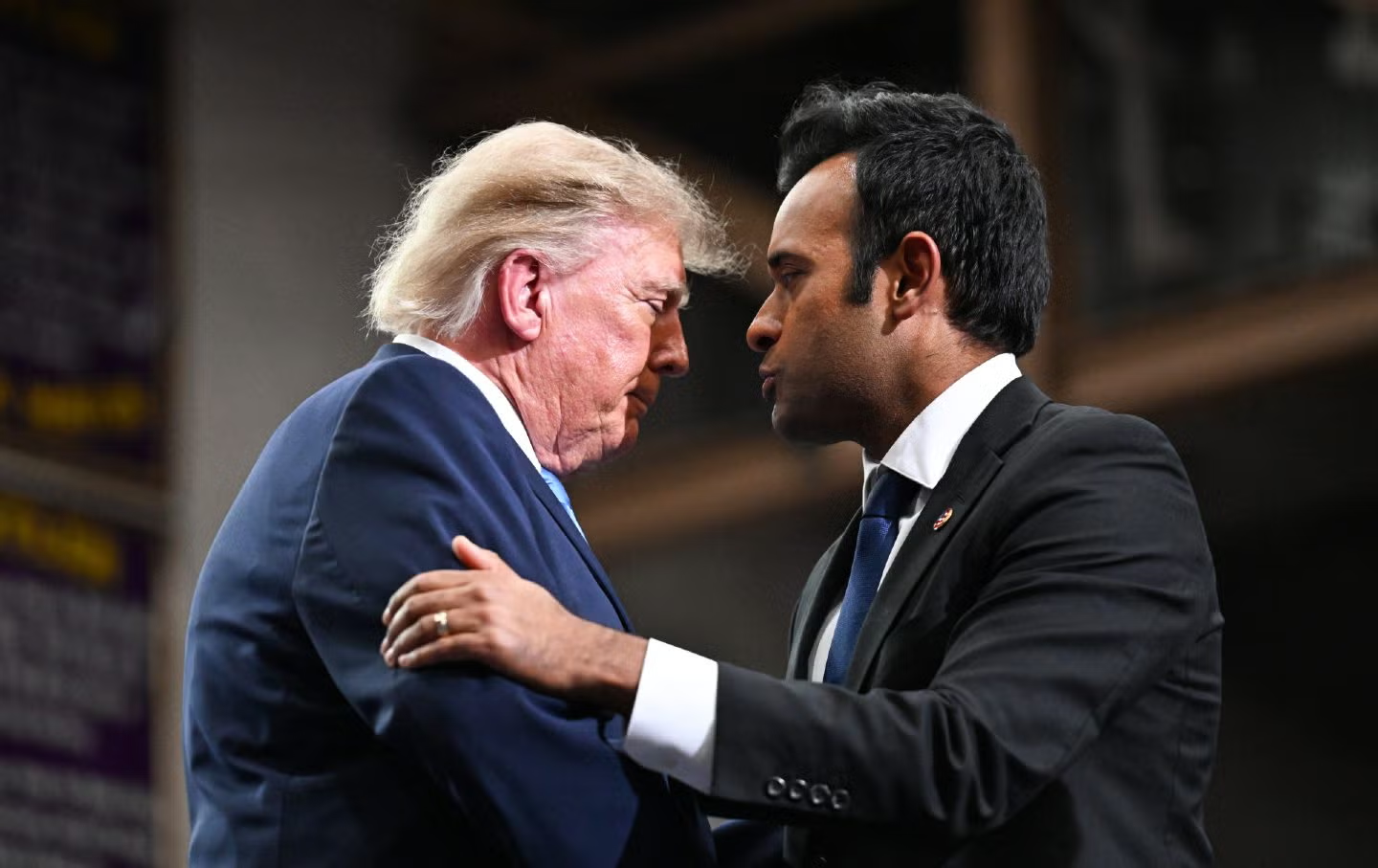
Why Trump Is Embracing Vivek Ramaswamy’s Vile Ad Why Trump Is Embracing Vivek Ramaswamy’s Vile Ad
The president is leaning into the politics of toxic parenting.

The Shadow Knows The Shadow Knows
High-tech weapons, low-tech intelligence.
Tom Hayden’s Legacy and the New American Left Tom Hayden’s Legacy and the New American Left
It’s been 10 years since he passed away.
The Decades-Long Battle Within the Democratic Party Establishment Between the Heirs of Dean Acheson and Franklin Roosevelt The Decades-Long Battle Within the Democratic Party Establishment Between the Heirs of Dean Acheson and Franklin Roosevelt
The calamitous history of America’s wars of choice.

