
Do We Face the Gravest Threat to Our Democracy Since the Cold War?
Our liberties have been trampled more by the unity of elites than by the divisions of people.
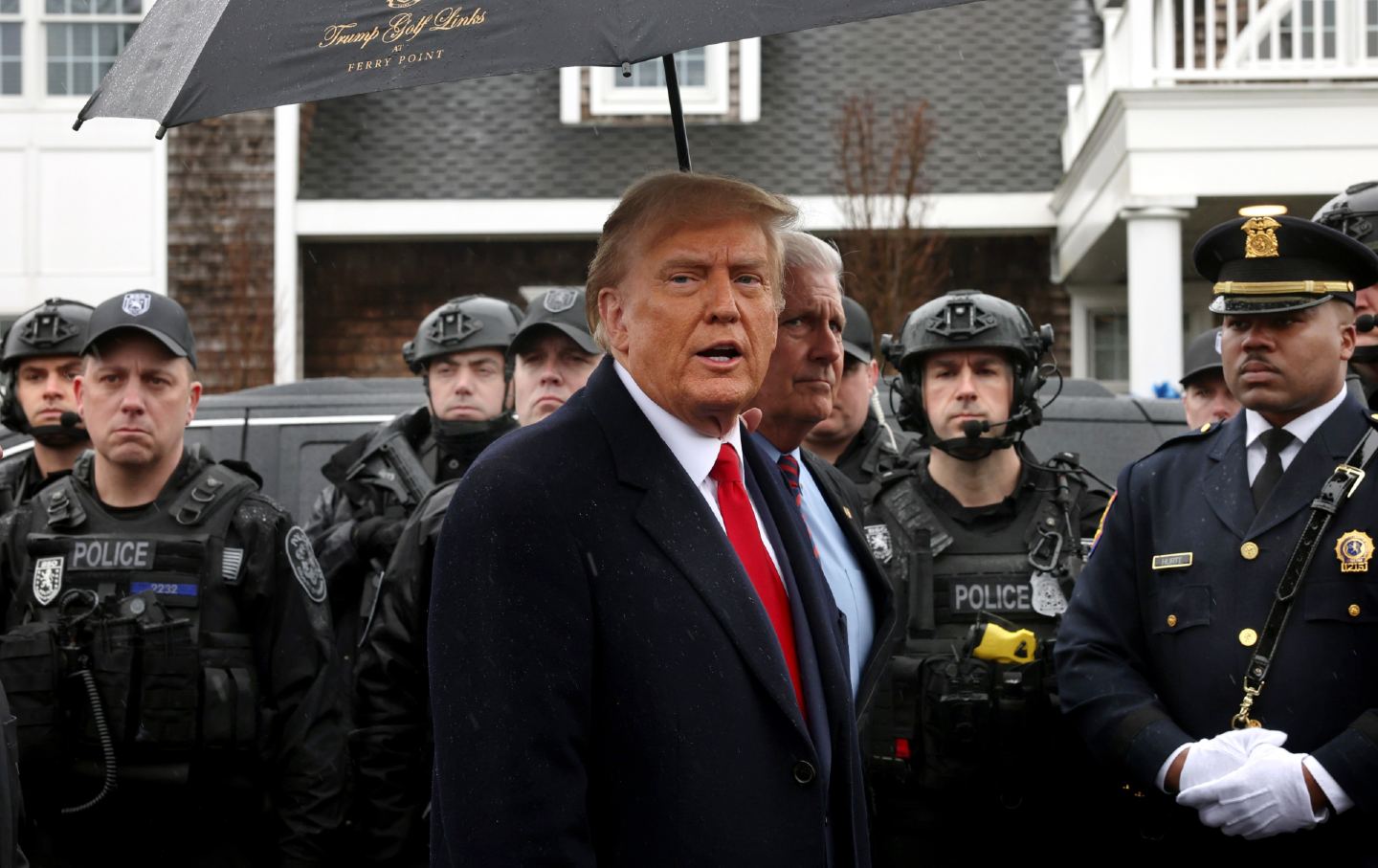
In his State of the Union address, President Biden claimed that “not since President Lincoln and the Civil War have freedom and democracy been under assault here at home as they are today.” Later, in what is becoming a repeated theme of his campaign stump speeches, he added detail, arguing that the attack on the Capitol on “January 6, and the lies about the 2020 election, and the plots to steal the election” constitute “the gravest threat to our democracy since the Civil War.”
Many historians echo Biden’s charge. Jon Meacham, author of acclaimed presidential histories, called the “forces now in control of the Republican Party… the most significant threat to basic constitutionalism we’ve experienced since the Civil War. That’s not a partisan point; it’s just the fact of the matter.”
Trump clearly plays to the charge. He pines to be “dictator for a day,” promises “retribution,” praises the January 6 rioters as “patriots,” calls his opponents “vermin,” promises to prosecute “Biden and his criminal family.” He’s already charging that the 2024 election will be rigged and intimating that chaos—a bloodbath—will result if he loses.
That Trump represents a clear and present danger to our democracy seems apparent. As Republican columnist Peter Wehner summarized, “The former president is more vengeful, more bitter, and more unstable than he was.”
Yet the rhetorical flourish that he poses the worst threat to freedom and democracy since the Civil War whitewashes much of our history.
After the Civil War, Reconstruction in the South met with violent and sustained resistance. The “bargain of 1877” between the leaders of the two major parties gave the Republicans the presidency while ceding control of all the Southern states to the Democrats. The removal of federal troops from the South and the disemboweling of the civil rights amendments to the Constitution (the 13th through the 15th) by the Supreme Court made way for the imposition of segregation—American apartheid—that eviscerated the rights of Black people across the South.
This country’s major wars also featured domestic threats to freedom and democracy. World War I, as Adam Hochschild records in American Midnight, unleashed an “explosion of martial ferocity,” including mass imprisonment, torture, vigilante violence, and censorship. Politicians in both parties rushed to pass the Espionage and Sedition Acts. The former criminalized any utterance that might interfere with the war effort, the latter outlawed saying anything that might discredit the country’s form of government. The Post Office banned dozens of publications that dissented from the war—including The Nation. The US Army spied on American citizens. Business leaders used the occasion to crush the International Workers of the World and socialist parties. One hundred Wobblies were indicted under the Espionage and Sedition Acts, tried and convicted in the largest criminal trial in history. Even after the war ended, the Palmer Raids were unleased on the American left, with thousands arrested and many deported.
Or consider the Red Scare at the dawn of the Cold War. Again, leaders of both parties supported loyalty and security checks, the systematic purge of the left from US unions and Hollywood, and government. The ravings of Joe McCarthy, the investigations of the House Un-American Activities Committee, the purging of books and writers trampled reputations and lives. Newly minted cold war liberals joined in the purging of the left and put a pall on speech and politics that lingered for a generation.
These post–Civil War threats to freedom and democracy enjoyed bipartisan support and employed the full powers of the state. Our liberties were trampled more by the unity of elites than by the divisions of people.
This history offers cautions for today. Trump repeatedly demonstrates that he—and increasingly the Republican Party that he dominates and the MAGA movement that supports him—will seek to sabotage any election that he loses. If elected, he’s already promised to prosecute his opponents, to mobilize the military to round up and deport millions, to purge the bureaucracy to make it an instrument for his illiberal agenda. And as his policies spark mass opposition, he’ll surely seek to invoke the presidential powers built up in the war on terror to repress the resulting dissent. The threat he poses to democracy cannot be ignored.
But those concerned about our freedoms should also be wary about areas that retain bipartisan support: the bloated military budget, including the trillion-dollar modernization of the nuclear arsenal, the increasingly bellicose confrontation with China, our vast empire of bases and commitment to police the globe, the military-industrial complex as the country’s lead industrial policy. At least Trump’s outlandish divisiveness generates a broad small-d democratic opposition. Perhaps the greater threat to our freedoms stems from wars or other bipartisan misadventures that lead to the suppression of dissent.
Trump must be defeated at the polls. But meeting the threat posed to “democracy and freedom” requires constant vigilance, and a far bolder movement for change willing to take on not just the Orange Menace but the establishment consensus as well.
Support independent journalism that does not fall in line
Even before February 28, the reasons for Donald Trump’s imploding approval rating were abundantly clear: untrammeled corruption and personal enrichment to the tune of billions of dollars during an affordability crisis, a foreign policy guided only by his own derelict sense of morality, and the deployment of a murderous campaign of occupation, detention, and deportation on American streets.
Now an undeclared, unauthorized, unpopular, and unconstitutional war of aggression against Iran has spread like wildfire through the region and into Europe. A new “forever war”—with an ever-increasing likelihood of American troops on the ground—may very well be upon us.
As we’ve seen over and over, this administration uses lies, misdirection, and attempts to flood the zone to justify its abuses of power at home and abroad. Just as Trump, Marco Rubio, and Pete Hegseth offer erratic and contradictory rationales for the attacks on Iran, the administration is also spreading the lie that the upcoming midterm elections are under threat from noncitizens on voter rolls. When these lies go unchecked, they become the basis for further authoritarian encroachment and war.
In these dark times, independent journalism is uniquely able to uncover the falsehoods that threaten our republic—and civilians around the world—and shine a bright light on the truth.
The Nation’s experienced team of writers, editors, and fact-checkers understands the scale of what we’re up against and the urgency with which we have to act. That’s why we’re publishing critical reporting and analysis of the war on Iran, ICE violence at home, new forms of voter suppression emerging in the courts, and much more.
But this journalism is possible only with your support.
This March, The Nation needs to raise $50,000 to ensure that we have the resources for reporting and analysis that sets the record straight and empowers people of conscience to organize. Will you donate today?
More from The Nation
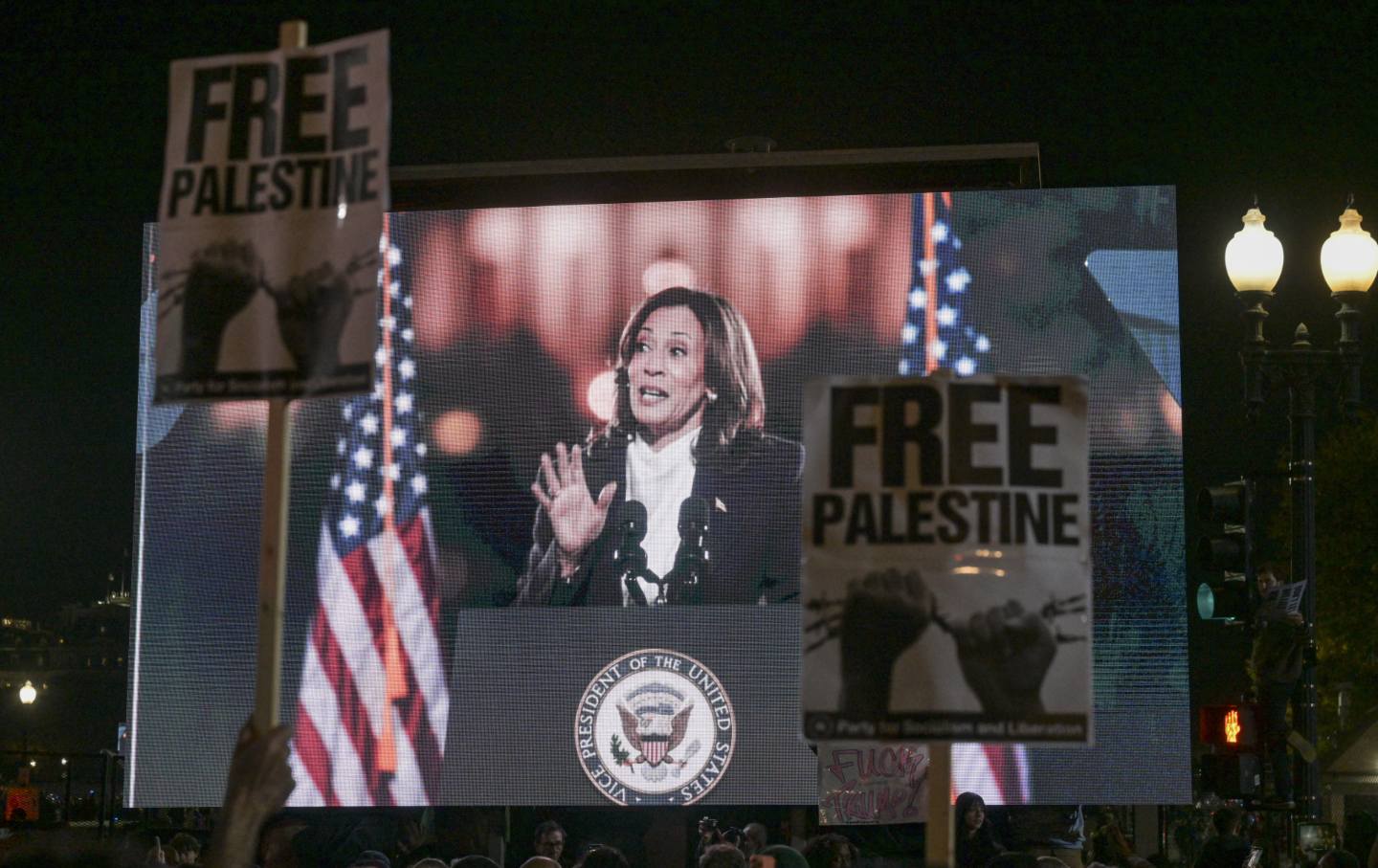
We Don’t Need an Autopsy to Tell Us the Democrats Failed on Gaza We Don’t Need an Autopsy to Tell Us the Democrats Failed on Gaza
The DNC is allegedly hiding a report showing that Kamala Harris’s Gaza policy helped cost her the 2024 election. But that report won’t tell us anything we don’t already know.
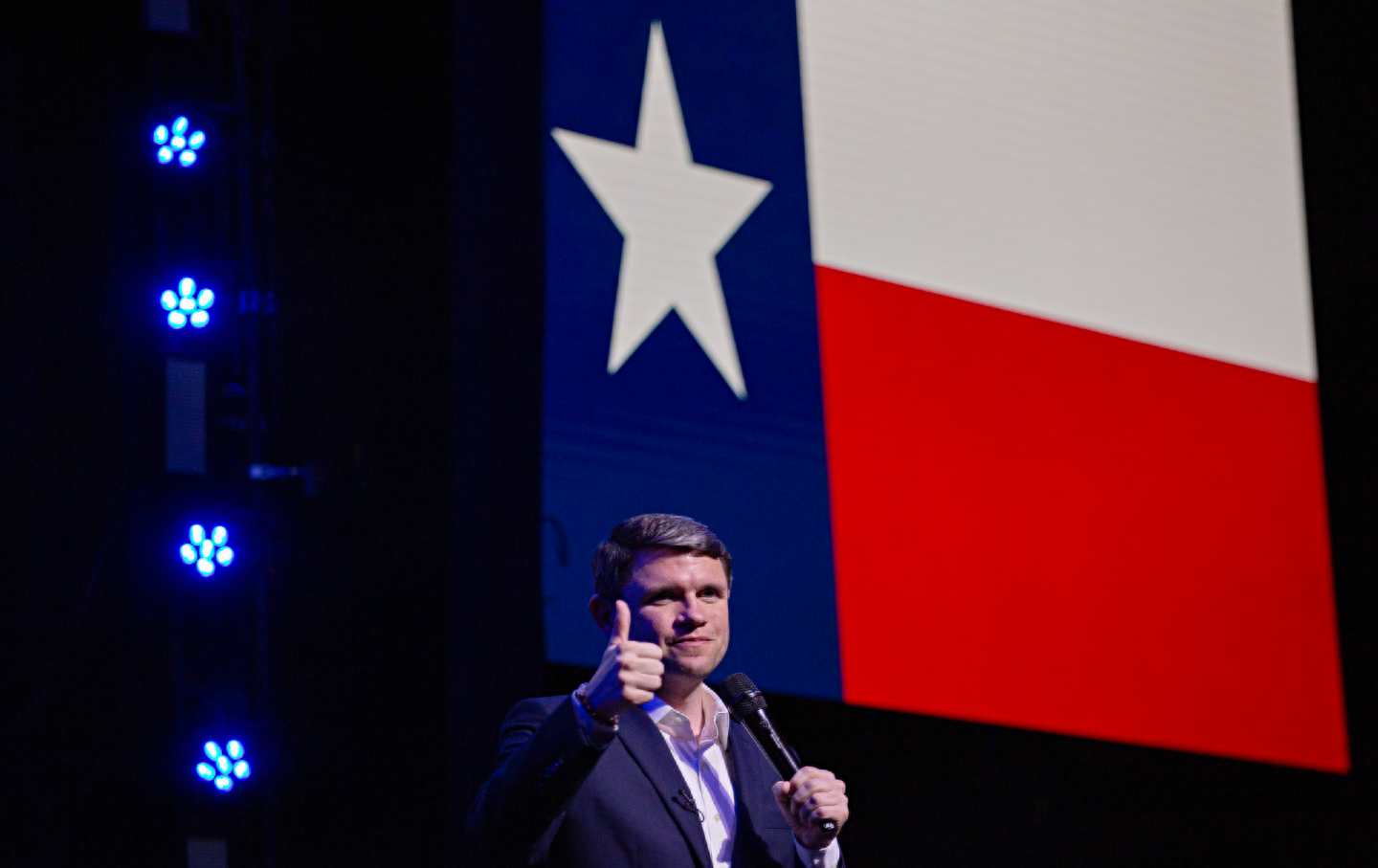
Texas’s Senate Primary Has Already Made History—and It’s Not Over Yet Texas’s Senate Primary Has Already Made History—and It’s Not Over Yet
Democratic nominee James Talarico is getting national media attention, but the real story is sky-high voter turnout, even amid GOP bids to suppress balloting
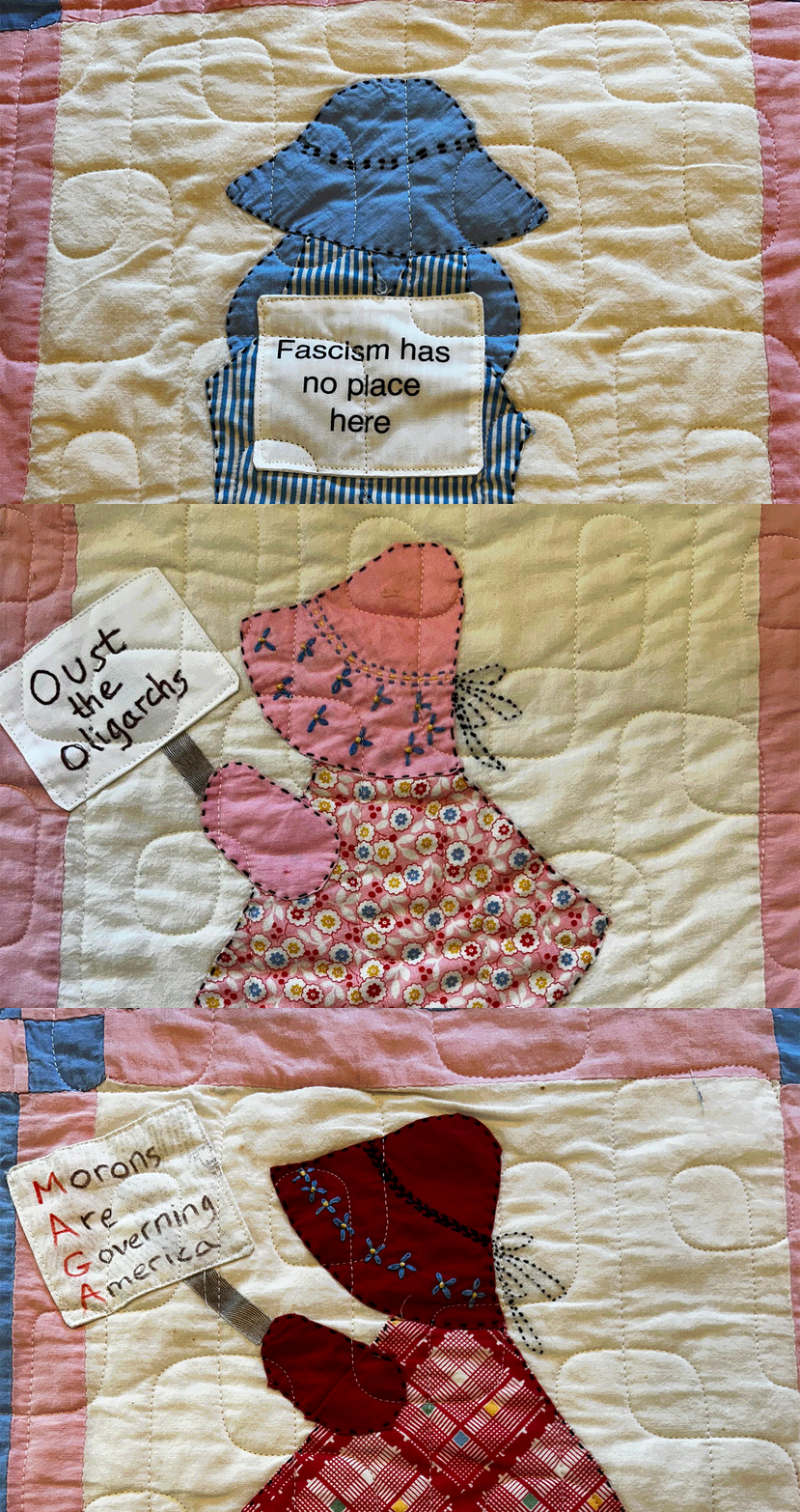
Quilted Messages Quilted Messages
Sunbonnets carrying not-so-sunny truths.
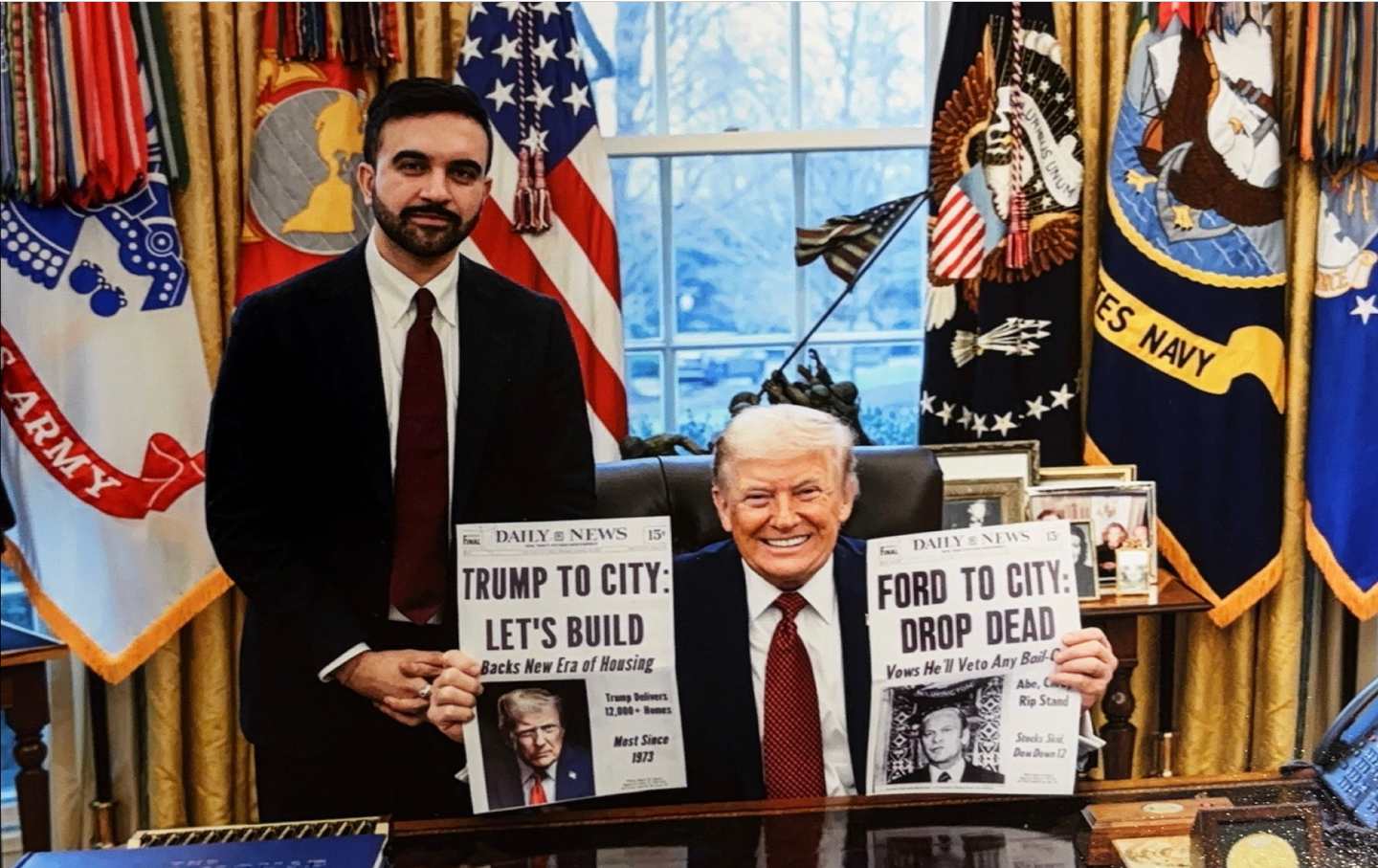
How the Theatrics of Mamdani’s Trump Meeting Backfired How the Theatrics of Mamdani’s Trump Meeting Backfired
By pandering to the president’s vanity, the New York mayor reinforced Trump’s image as a strongman commanding deference—an especially bad look on the eve of Trump’s war with Iran

Students in New York Are Going Hungry. How Can Mamdani Help? Students in New York Are Going Hungry. How Can Mamdani Help?
With plans for city-owned grocery stores and a focus on affordability, the new mayoral administration offers fresh hopes of successfully confronting the food crisis among students...
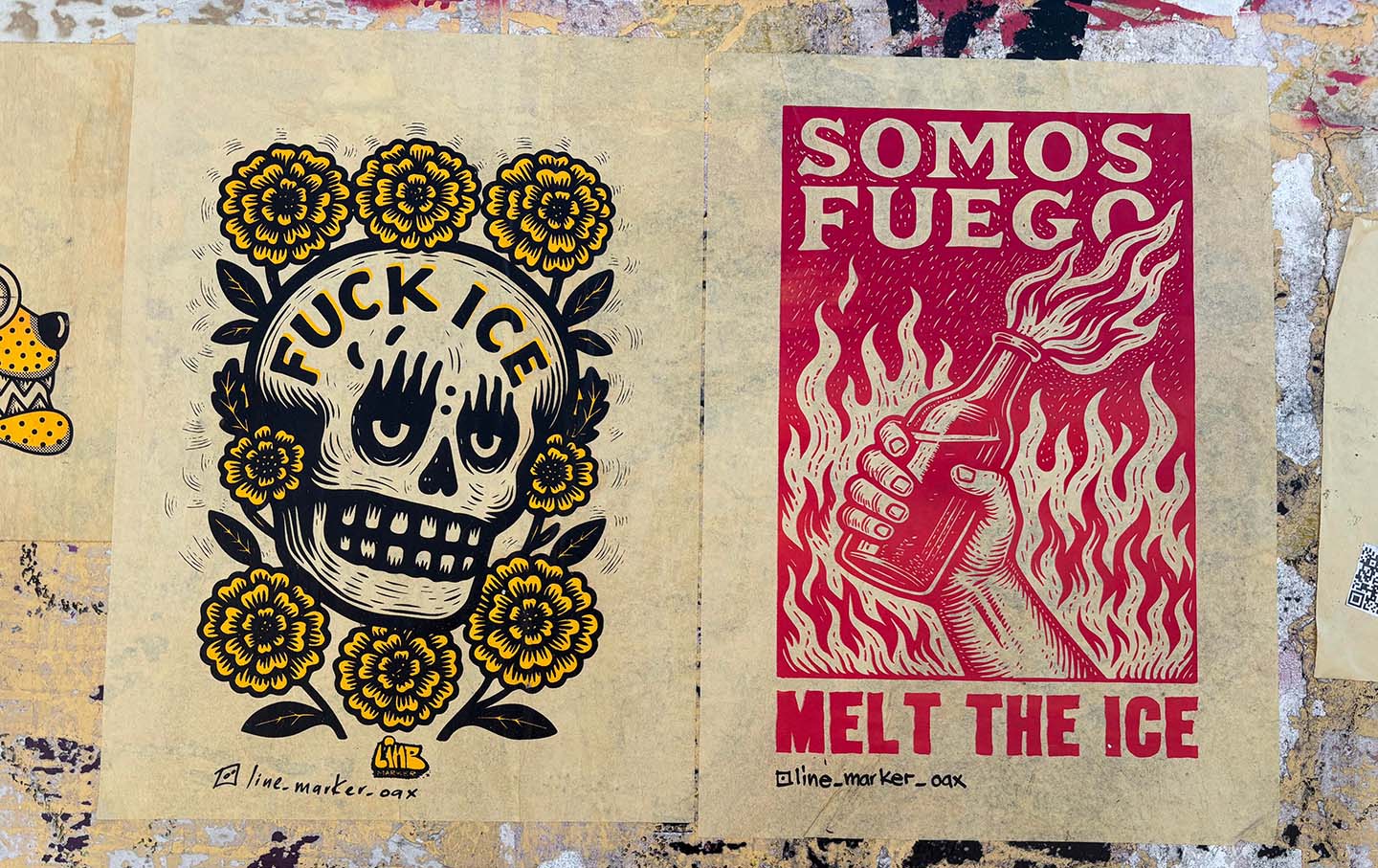
We Are the Fire That Melts the ICE We Are the Fire That Melts the ICE
Oaxaca, Mexico, street art.

