Mr. Douglass in the Room
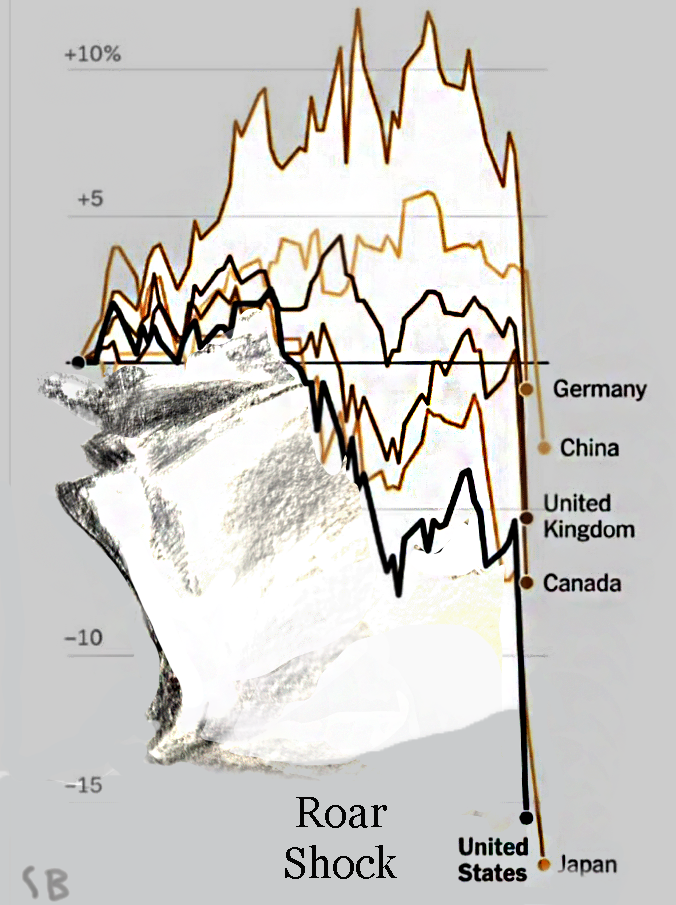
Roar shock.






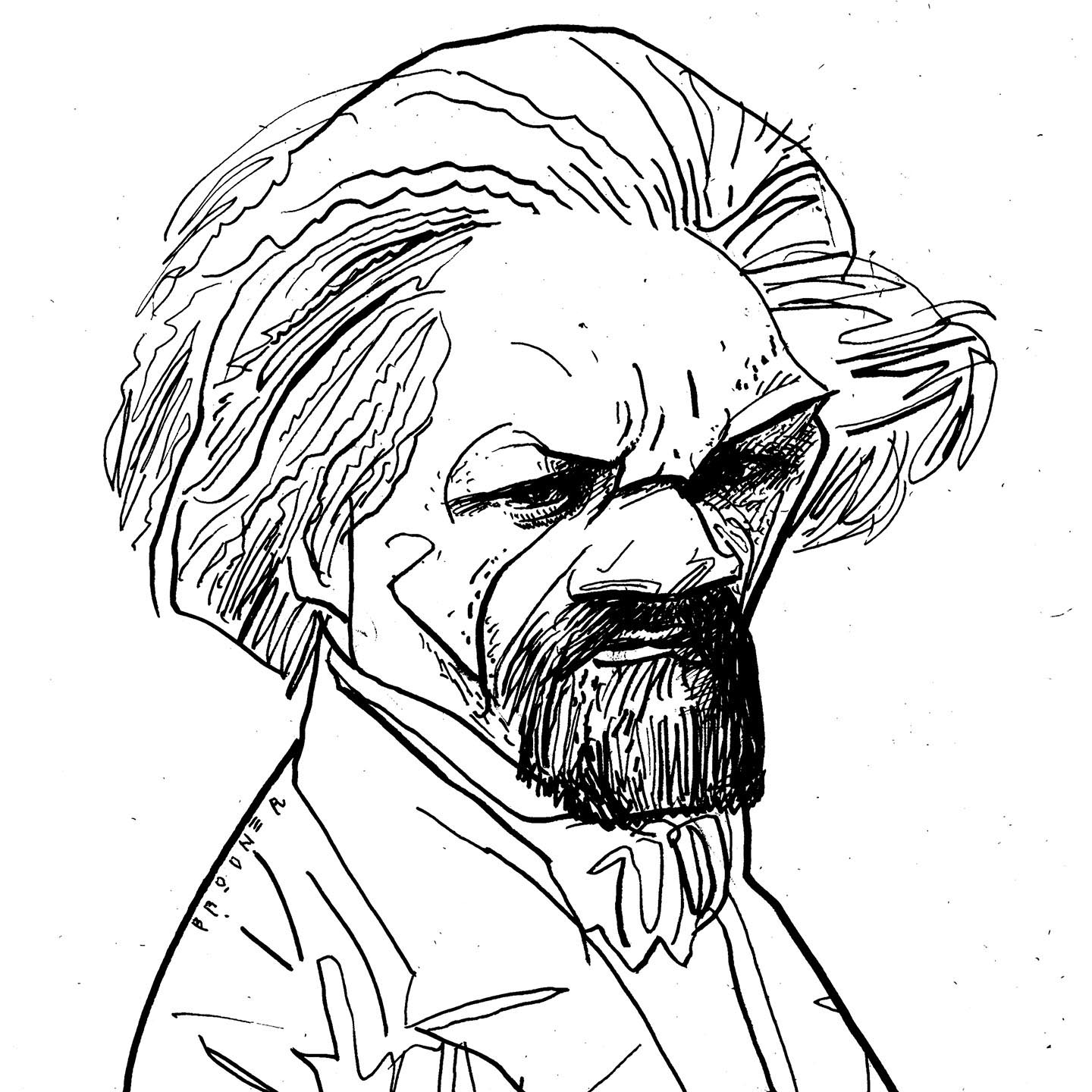
“This week Steve Schmidt related a story told to him by Bishop William Barber about a conversation between Frederick Douglass and Harriet Tubman. We all probably have moments of doubt in dark times. Can you imagine being an abolitionist at the time of Dred Scott? I have wondered many times how they carried on when a solution to the tragedy of slavery showed no possible end.
When we see our current situation we must remember it will never be as dire as it was for them. And so they have a lot to tell us.
This is from Schmidt’s substack, which is highly recommended:
“Bishop Barber told me that after the Dred Scott Supreme Court decision of 1857 that 39-year-old Frederick Douglass slipped into a depression. It was noticed by Harriet Tubman, who approached him and asked the American giant a simple question of three words.
Tubman asked:
Is God dead?
Bishop Barber explained that the question jolted Douglass, and shamed him because he recognized in an instant that he had been guilty of a type of idolatry.
He recognized that he had put his faith in men and institutions over the higher power of destiny. What Douglass, a devout man, believed was the hand of god.
He was a genius and a moral giant in 1857 at a low moment, and he did not break.
Douglass knew that he had to face this crisis of doubt directly, and so he did.
He prepared a speech, and during the first half he denounced the evil of the Dred Scott decision.
He lamented the terrible hypocrisy and the delusions of a country that celebrated freedom, while enslaving more than 3 million human beings.
Then he cut to the crux of the matter.
Bishop Barber explained in his mellifluous baritone what happened next.
When he did, I felt a deep calm rise in me, and a certitude about the events ahead.
I know how our present predicament will end.
Frederick Douglass wondered if the decision had set forth a chain of connecting events that, when taken together in their entirety, would lead to the downfall of the entire evil institution of slavery.
In the moment, it seemed impossible, but from that moment of setback, the end had begun.
Slavery was at its end when it seemed like it would endure and expand.
Let us make this so again.
Frederick Douglass cannot be erased.
His words and moral incandescence are our inheritance.
We share them together. They must lift us in growing confidence against the threats that will be faced down and crushed by the outrage of a free people who will not tolerate this insanity, depravity, cruelty, capricious indifference and contempt for the dignity of human beings and God’s creation.
No.
Ahead are better days.
We will make it through, but not without cost and struggle.
It is too late to avoid that now.
Rise up.
Fight back.”