The DNC Chair Proposes Major Reforms to Limit Big Money
Party building vs. candidate addiction has never been more urgent.
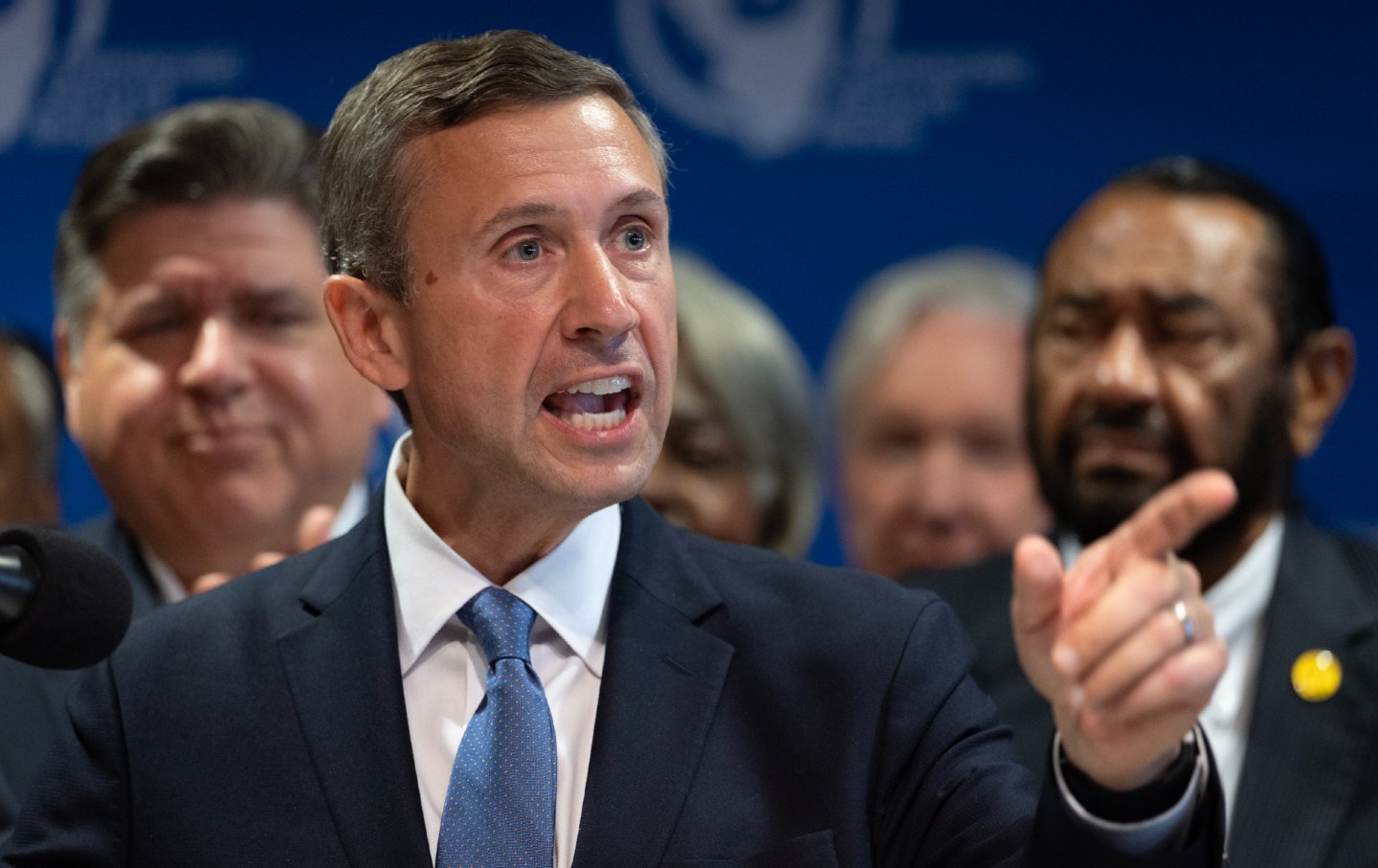
DNC Chair Ken Martin has proposed nine reforms for consideration by the approximately 450 members at the upcoming meeting on August 27. Most importantly, Martin is proposing a resolution stating that the DNC is “committed to eliminating unlimited corporate and dark money in our presidential nominating process beginning in the current 2028 cycle.”
Previously, DNC leaders and the Biden White House have been unwilling to discuss this issue. The party “line” has been to oppose the 2010 Supreme Court decision in Citizens United, equating election donations as a form of free speech but do nothing to regulate corporate and dark money (funds from undisclosed donors) in the party’s nominating process. About 80 percent of House seats are one-party seats, so the primary is the only meaningful election. Big money has often weighed in on behalf of centrist Democrats and against progressives.
Independent expenditures (IE) are funds spent by corporations and organizations independent of the candidate’s campaign. In 2024, IEs hit new highs as millions of dollars poured into several districts in the weeks before primary elections, demonizing leading Democratic candidates. This was a mix of corporate independent expenditures led by crypto corporate funds and IEs provided by “groups” with names that hid not only the donors but the real mission of those groups. These expenditures legally cannot be coordinated with the candidate’s campaign, but nothing prevents the corporate or organizational funders from interviewing candidates on the issues and then supporting candidates who support the funders on those issues.
For those of us focused on progressive social change, this spending has blocked candidates committed to our entire agenda including workers’ rights, a Gaza ceasefire, financial reform, rent control, Medicare for All, and renewable energy. The Congressional Progressive Caucus that had been advancing toward a majority of the Democratic Party Caucus has now seen incumbents defeated and new progressive candidates blocked by the onslaught of money from crypto, fossil fuel and an endless parade of corporate spending, the American Israeli Political Action Committee and other right-wing groups, as well as Republican billionaires.
Martin’s resolution would ask the DNC Committee on Reforms to identify specific steps the DNC can consider in 2026 that would limit big money in the 2028 presidential primary process. The DNC has acted in previous cycles, sidelining delegates from states violating DNC rules and establishing ground rules for candidates that can participate in presidential debates. In 2020, candidates were required to sign a party pledge affirming their membership and support for the Democratic Party. Similarly, candidates could be required to sign some version of the “People’s Pledge” agreed to by Elizabeth Warren and Scott Brown in the 2012 general election for the US Senate. The “People’s Pledge” required a candidate benefiting directly or indirectly from big-money independent expenditures to donate a similar amount from their campaign funds to a designated charity. Campaign funds are far more valuable than IE money, providing a powerful deterrent.
The state and territorial Democratic parties are separate legal entities and similar action for their primaries requires action by each of them. Martin’s resolution encourages that. Such action is independently underway in several states. Resolutions limiting independent expenditures in their primaries and setting up similar study and implementation steps have been adopted by the North Carolina and Arizona parties. State parties have elaborate and varied policies for nominating candidates, and in some cases county and municipal parties regulate the nominating process within their jurisdictions.
Reform at the state and county level requires interested Democrats to organize support. All too often we pay little attention to the rules and too much attention to the candidates. Elected Democrats, and past and potential candidates should also champion these reforms by state parties and the DNC. Party donors should be focused on defeating Republicans and supporting Democratic Party nominees chosen by voters without the impact of big money. Until we repeal Citizens United, reform proponents are not seeking to limit independent expenditures in the general election, faced by huge sums of corporate money and billionaire donors supporting Republican candidates. But primaries are another thing altogether.
Party building versus candidate addiction has never been more urgent. Grassroots organizing inside the party bureaucracy and outside is critical if we are to stay focused on politics as a means to the changes we want to see, and not a team sport. Limiting big money in the nominating process is an essential step in a plan for real change. Ken Martin is demonstrating his own leadership in this effort. Now we all need not only to support him but to bring a similar message to grassroots voters and activists across the nation.
Support independent journalism that does not fall in line
Even before February 28, the reasons for Donald Trump’s imploding approval rating were abundantly clear: untrammeled corruption and personal enrichment to the tune of billions of dollars during an affordability crisis, a foreign policy guided only by his own derelict sense of morality, and the deployment of a murderous campaign of occupation, detention, and deportation on American streets.
Now an undeclared, unauthorized, unpopular, and unconstitutional war of aggression against Iran has spread like wildfire through the region and into Europe. A new “forever war”—with an ever-increasing likelihood of American troops on the ground—may very well be upon us.
As we’ve seen over and over, this administration uses lies, misdirection, and attempts to flood the zone to justify its abuses of power at home and abroad. Just as Trump, Marco Rubio, and Pete Hegseth offer erratic and contradictory rationales for the attacks on Iran, the administration is also spreading the lie that the upcoming midterm elections are under threat from noncitizens on voter rolls. When these lies go unchecked, they become the basis for further authoritarian encroachment and war.
In these dark times, independent journalism is uniquely able to uncover the falsehoods that threaten our republic—and civilians around the world—and shine a bright light on the truth.
The Nation’s experienced team of writers, editors, and fact-checkers understands the scale of what we’re up against and the urgency with which we have to act. That’s why we’re publishing critical reporting and analysis of the war on Iran, ICE violence at home, new forms of voter suppression emerging in the courts, and much more.
But this journalism is possible only with your support.
This March, The Nation needs to raise $50,000 to ensure that we have the resources for reporting and analysis that sets the record straight and empowers people of conscience to organize. Will you donate today?