
Republicans Just Voted to Do Immoral and Irreparable Harm to the United States
The GOP chose to betray both morality and economic common sense by approving Trump’s one big, ugly bill.
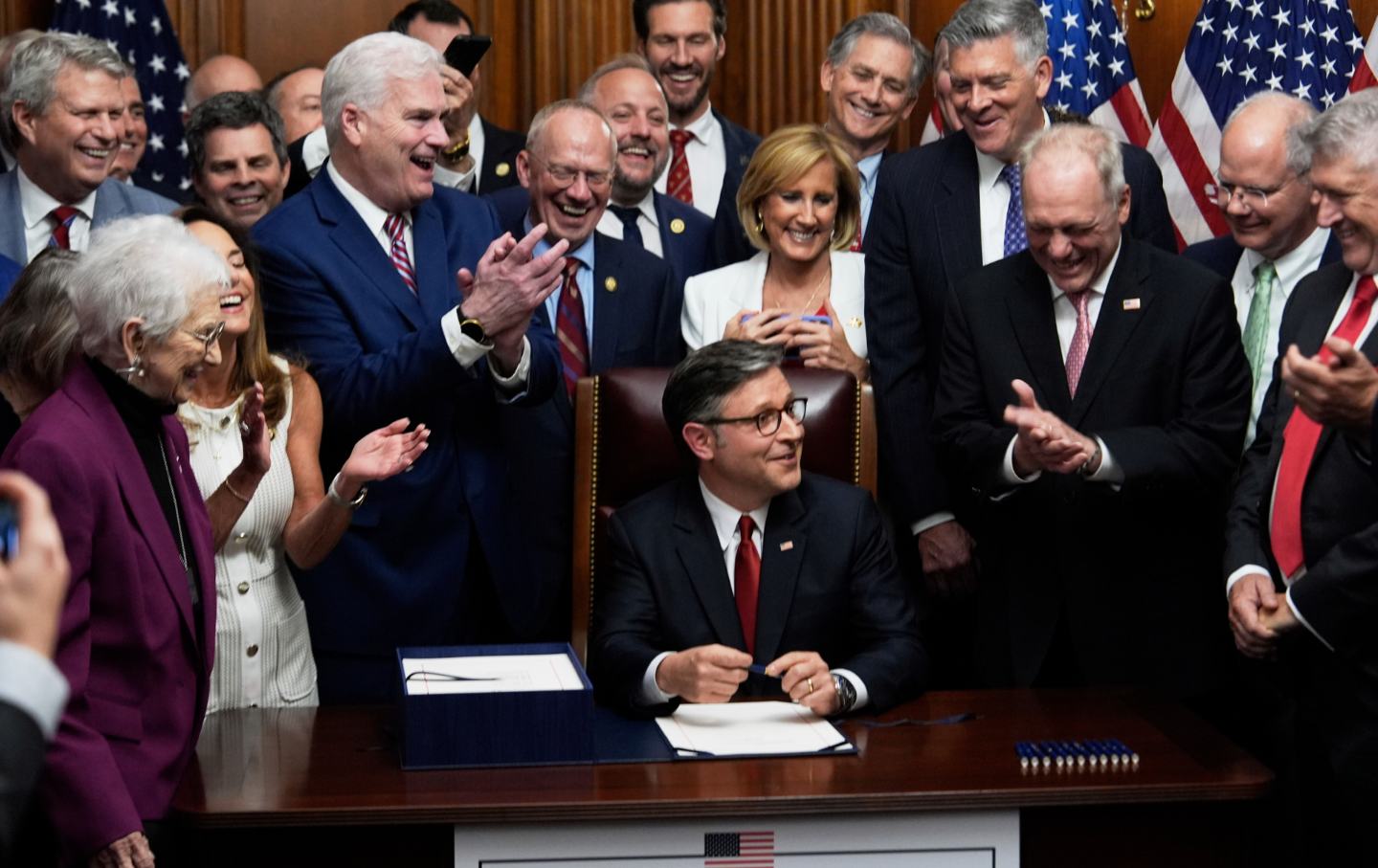
Speaker Mike Johnson (R-LA), surrounded by Republican members of Congress, signs President Donald Trump’s signature bill of tax breaks and spending cuts at the Capitol, July 3, 2025.
(Julia Demaree Nikhinson / AP)During the tortured final congressional debate before the US House of Representatives approved the legislative monstrosity that Donald Trump dubbed “the one big, beautiful bill”—and that detractors have more accurately described as “the one big ugly bill”—US Representative Don Beyer delivered a moment of moral clarity.
“From the Gospel of Matthew,” began the Virginia Democrat, who read aloud from the floor of the House:
I was thirsty, and you gave me drink.
I was a stranger, and you took me in.
I was naked, and you clothed me.
I was sick, and you visited me.
I was in prison, and you came unto me.
Inasmuch as you have done it unto one of the least of my brothers, you have done it unto me.
When he had finished the biblical reading, Beyer said, “Mr. Speaker, the bill before us takes food and drink from the mouths of the poor. It takes healthcare from the sick. A vote for this bill betrays these Gospel teachings, and in our hearts all of us know it.”
Beyer was right. Every member of Congress, be they liberal or conservative, Democratic or Republican, knew that the bill, which was ultimately approved on Thursday by a 218–214 vote, was written in a way that would:
- Cause 17 million Americans to lose healthcare
- Make the largest-ever cuts to Medicaid and Supplemental Nutrition Assistance Program (food stamp) benefits
- Cause the closure of nursing homes and rural hospitals across the United States
- Hike housing, healthcare, and energy costs
- Supercharge Trump’s authoritarian anti-immigrant agenda
- Deliver massive new tax benefits for the wealthiest Americans, while increasing costs and taxes for the working class
The Trump administration’s primary domestic policy scheme was unanimously opposed by both House and Senate Democrats, who recognized the moral and practical disaster that will unfold thanks to the legislation. It was supported by the vast majority of Republicans in the Senate—where Vice President JD Vance broke a 50–50 tie vote—and in the House, where all but two GOP members, who often preach about morality, put aside their consciences in order to do Trump’s bidding.
Popular
“swipe left below to view more authors”Swipe →Congressional Republicans did their best to make the debate about everything but what was in the bill. They did not want to face the moral implications of what they were doing to the least of their brothers and sisters. But the truth was unavoidable. Twenty American Catholic bishops and leaders of the Sisters of Mercy community of Roman Catholic women joined Lutheran, Episcopalian, Presbyterian, Baptist, African Methodist Episcopal Church, Muslim, and Jewish faith leaders in signing a letter to members of Congress that warned about the ways in which the measure targets asylum-seekers and refugees—and the faith communities that serve them—by causing chaos and by driving the working poor deeper into poverty.
“According to the nonpartisan Congressional Budget Office (CBO), the bill transfers wealth from those in the bottom 10 percent of income to those in the top 10 percent of income in our nation, increasing the already large gap between the rich and the poor,” explained the His Eminence Cardinal Robert W. McElroy, Archbishop of Washington, DC, and other religious leaders, who added, “From our various faith perspectives, the moral test of a nation is how it treats those most in need of support. In our view, this legislation will harm the poor and vulnerable in our nation, to the detriment of the common good.”
More from The Nation

What Are Democrats Prepared to Do if Trump Rigs the Election? What Are Democrats Prepared to Do if Trump Rigs the Election?
In this week’s Elie v. U.S, our justice correspondent challenges Democrats' lack of a plan if Trump steals the midterms. Plus: the most racist, and honest, AI add ever.
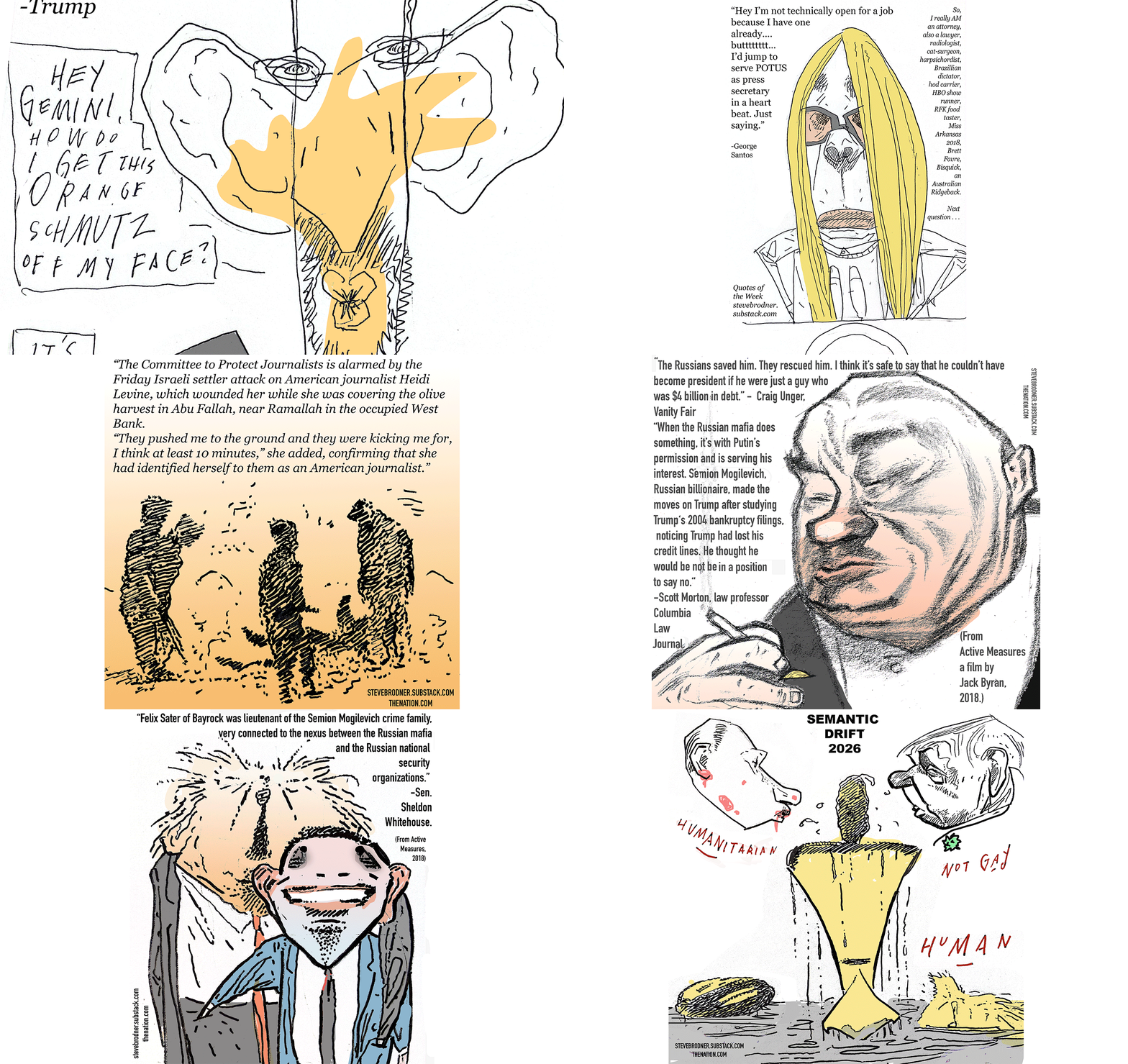
Ramaswamy’s Guide to a Better Vocabulary Ramaswamy’s Guide to a Better Vocabulary
Quotes of the Week.
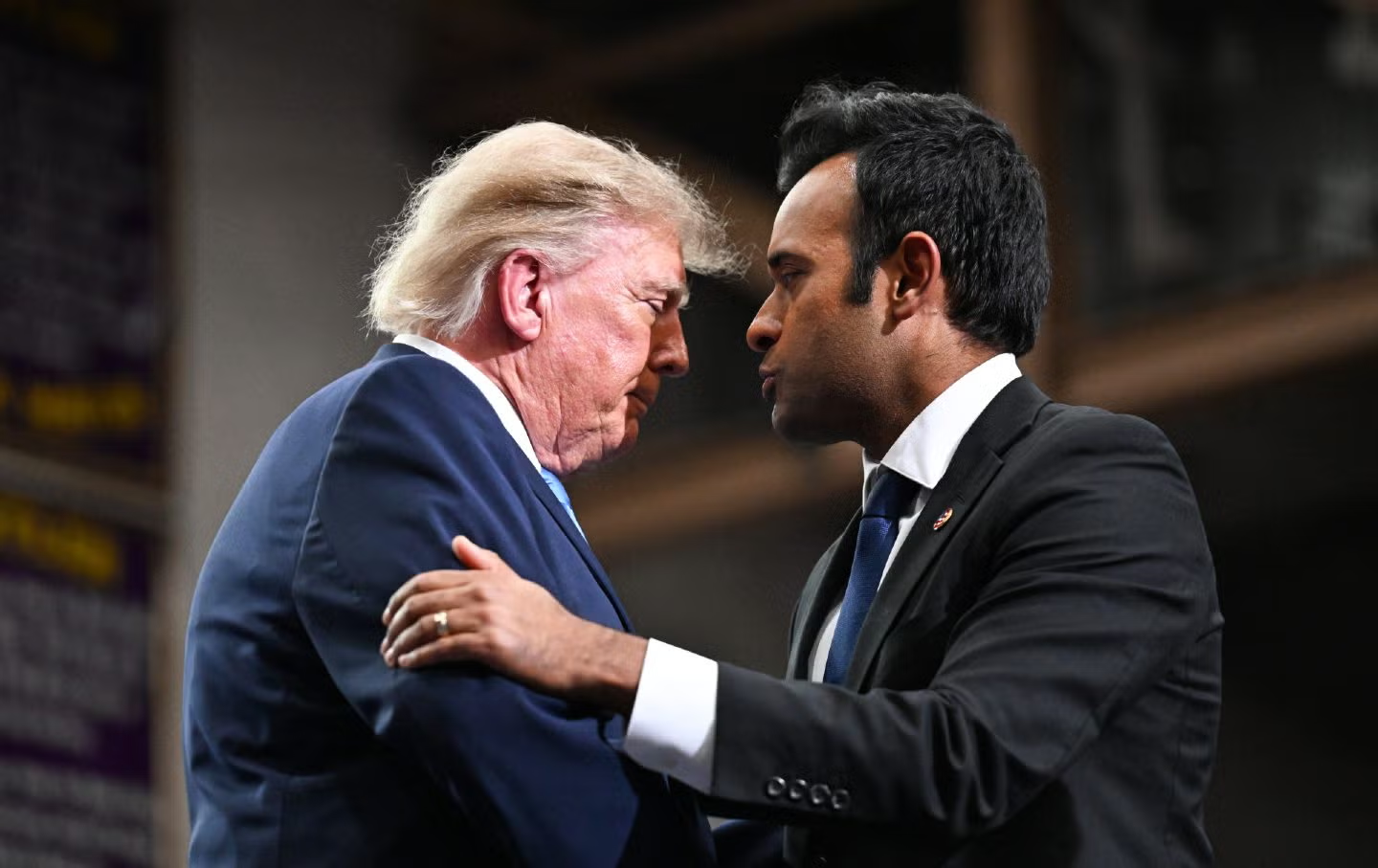
Why Trump Is Embracing Vivek Ramaswamy’s Vile Ad Why Trump Is Embracing Vivek Ramaswamy’s Vile Ad
The president is leaning into the politics of toxic parenting.

The Shadow Knows The Shadow Knows
High-tech weapons, low-tech intelligence.
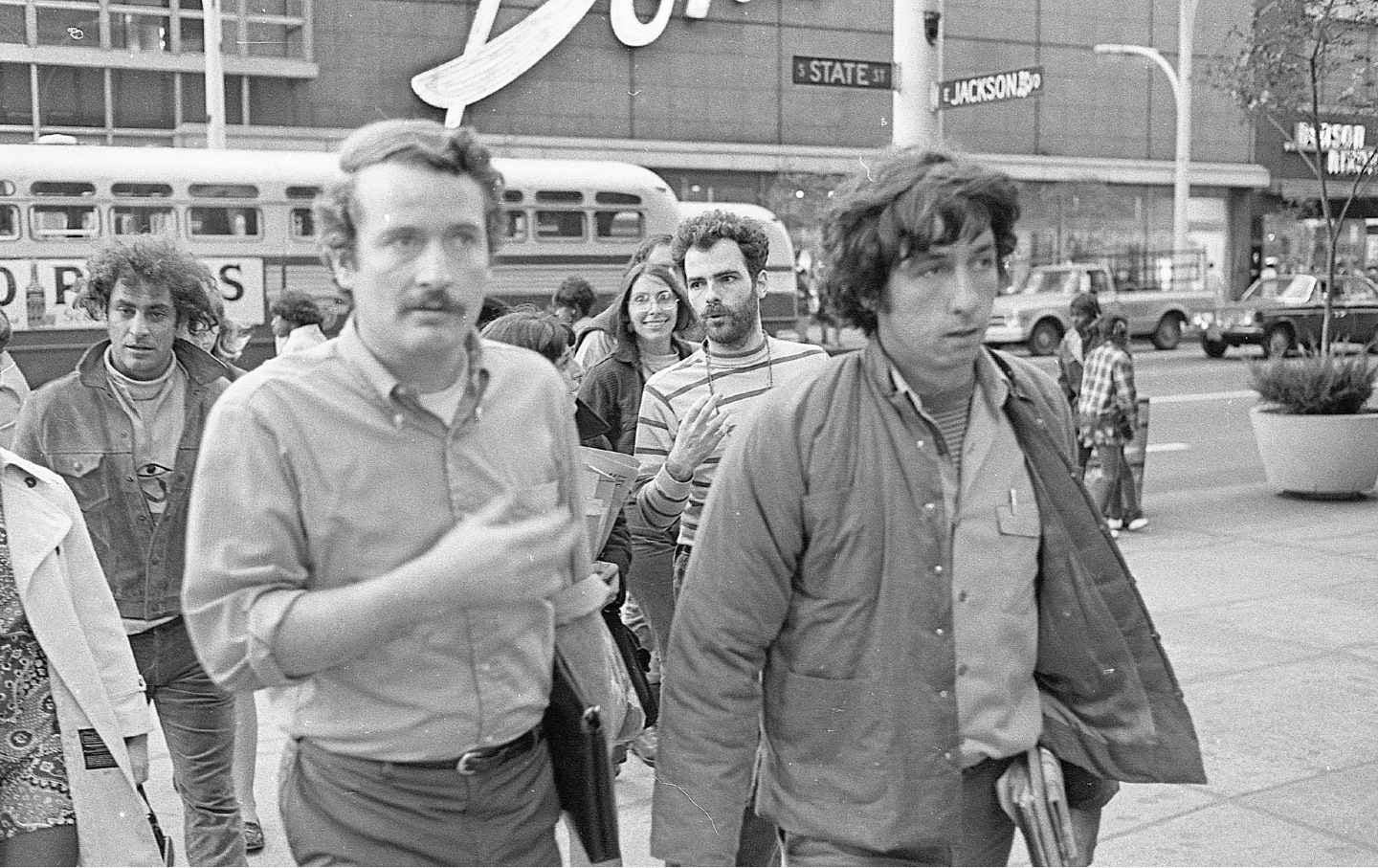
Tom Hayden’s Legacy and the New American Left Tom Hayden’s Legacy and the New American Left
It’s been 10 years since he passed away.
The Decades-Long Battle Within the Democratic Party Establishment Between the Heirs of Dean Acheson and Franklin Roosevelt The Decades-Long Battle Within the Democratic Party Establishment Between the Heirs of Dean Acheson and Franklin Roosevelt
The calamitous history of America’s wars of choice.

