

Why the Philippines’ Deadly Factory Fire Will Not Be the Last Why the Philippines’ Deadly Factory Fire Will Not Be the Last
The fatal fire at a Philippines shoe factory exposes the ills of global free trade.
May 26, 2015 / Michelle Chen
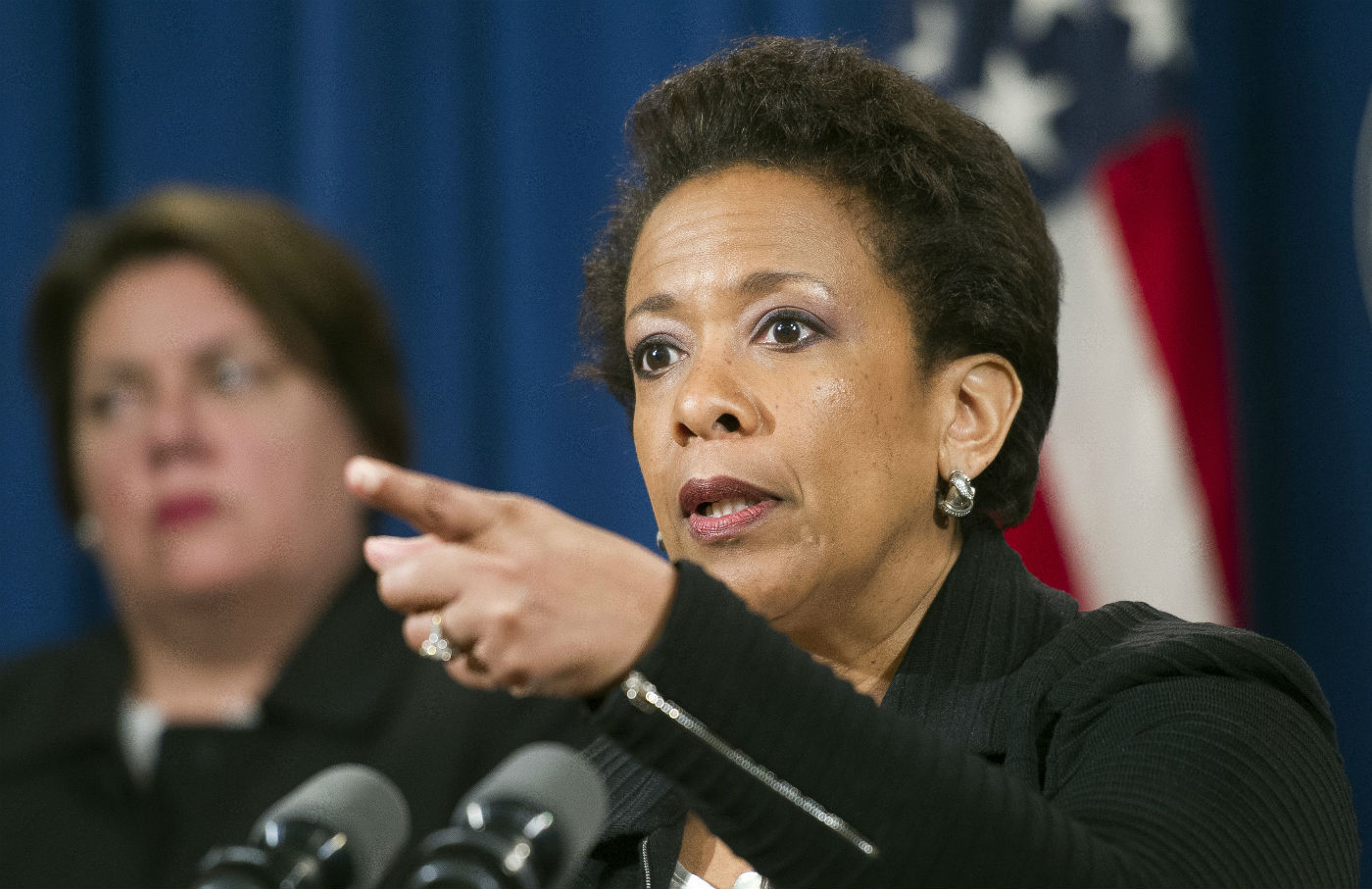
Hold Bankers Accountable for Their Crimes Hold Bankers Accountable for Their Crimes
Our justice system fails when it doesn’t hold bankers accountable for their fraudulent and criminal actions.
May 26, 2015 / Katrina vanden Heuvel
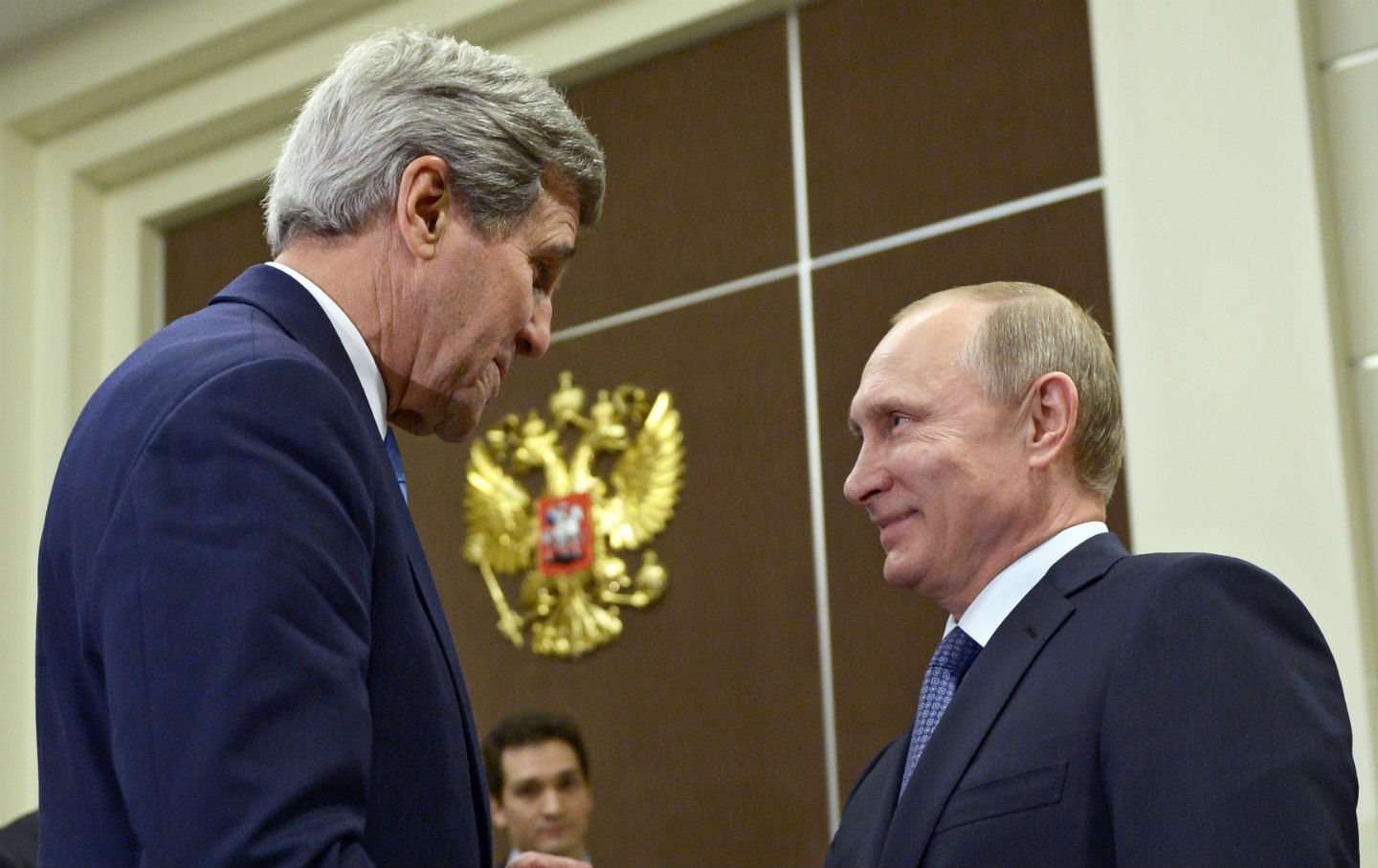
Did Market Leninism Win the Cold War? Did Market Leninism Win the Cold War?
The states of the future will marry the least savory aspects of collectivism and capitalism.
May 26, 2015 / John Feffer
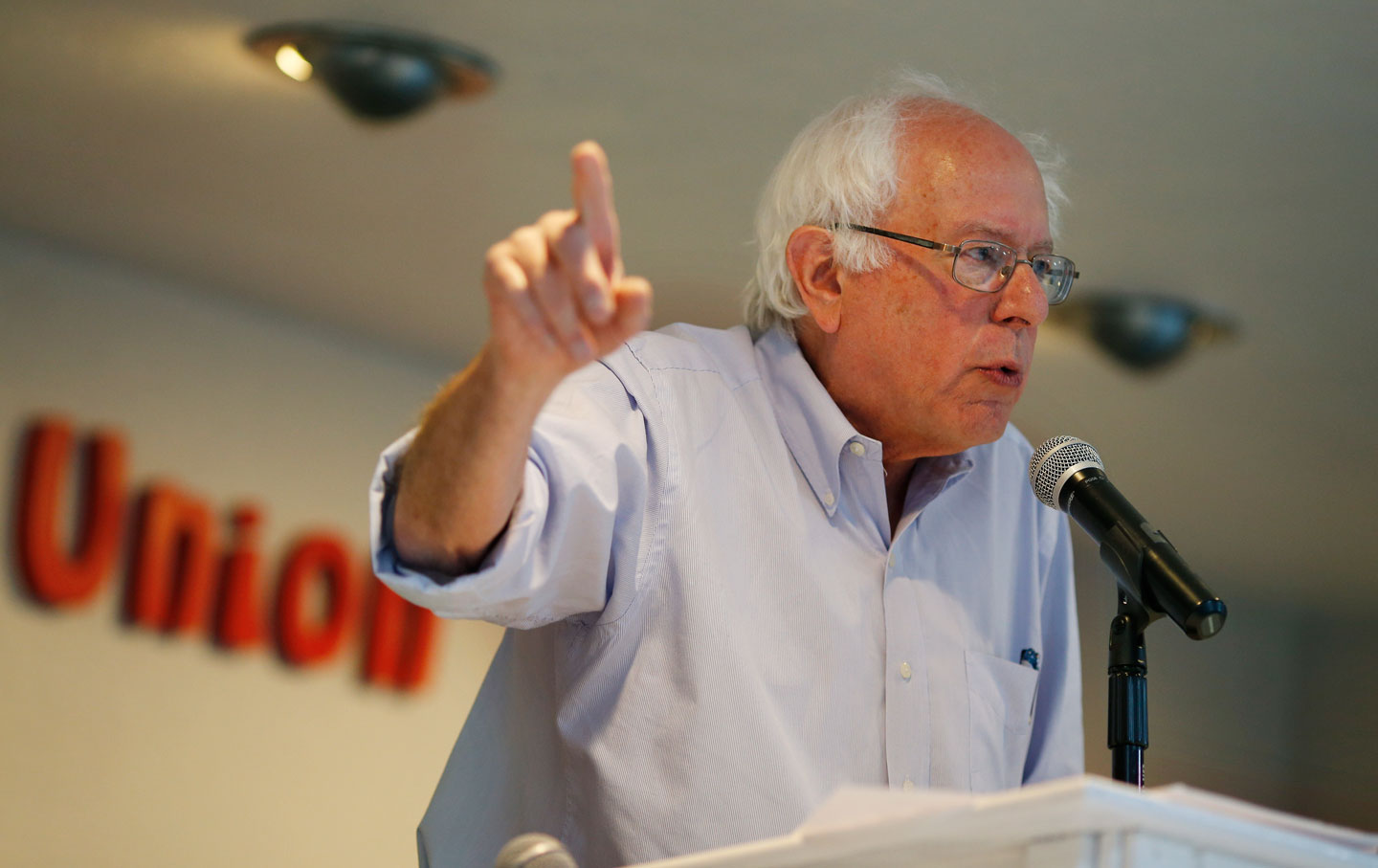
‘Don’t Underestimate Me’: Bernie Sanders Knows a Thing or Two About Winning ‘Don’t Underestimate Me’: Bernie Sanders Knows a Thing or Two About Winning
A presidential candidate with a history of beating incumbents, rewriting electoral rules and upsetting political expectations.
May 26, 2015 / John Nichols
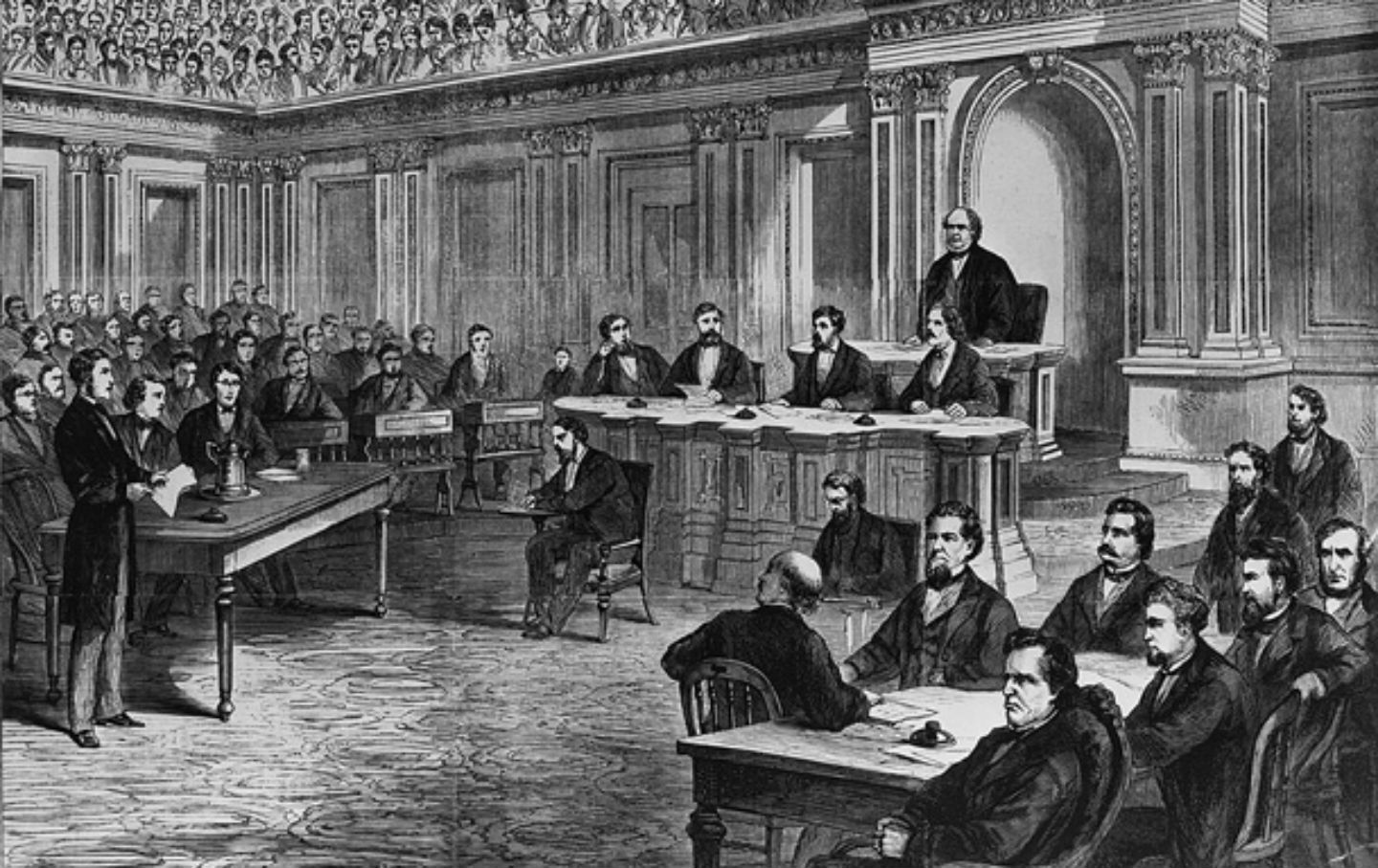
May 26, 1868: President Andrew Johnson, Impeached by the House, Is Acquitted by the Senate May 26, 1868: President Andrew Johnson, Impeached by the House, Is Acquitted by the Senate
"The greatest of all questions for the American people is, whether amongst all the troubles and changes of this and coming ages the popular respect for the forms of law, for j...
May 26, 2015 / Richard Kreitner and The Almanac
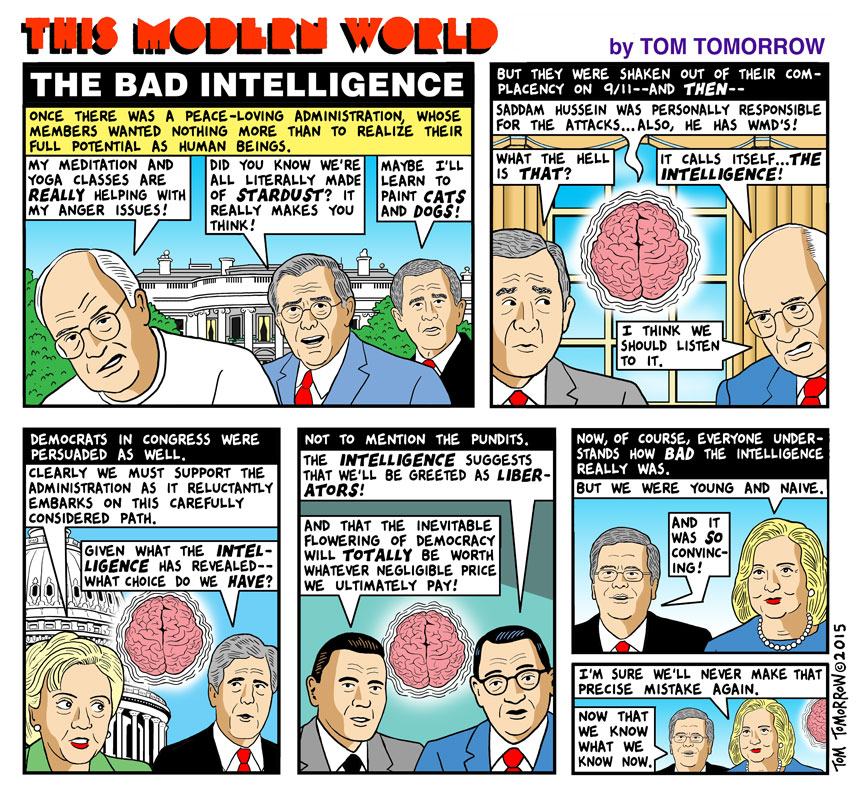
Don’t Blame Bush and Cheney… Blame the Intelligence! Don’t Blame Bush and Cheney… Blame the Intelligence!
Support independent cartooning: join Sparky's List—and don't forget to visit TT's Emporium of Fun, featuring the new book and plush Sparky!
May 26, 2015 / Tom Tomorrow
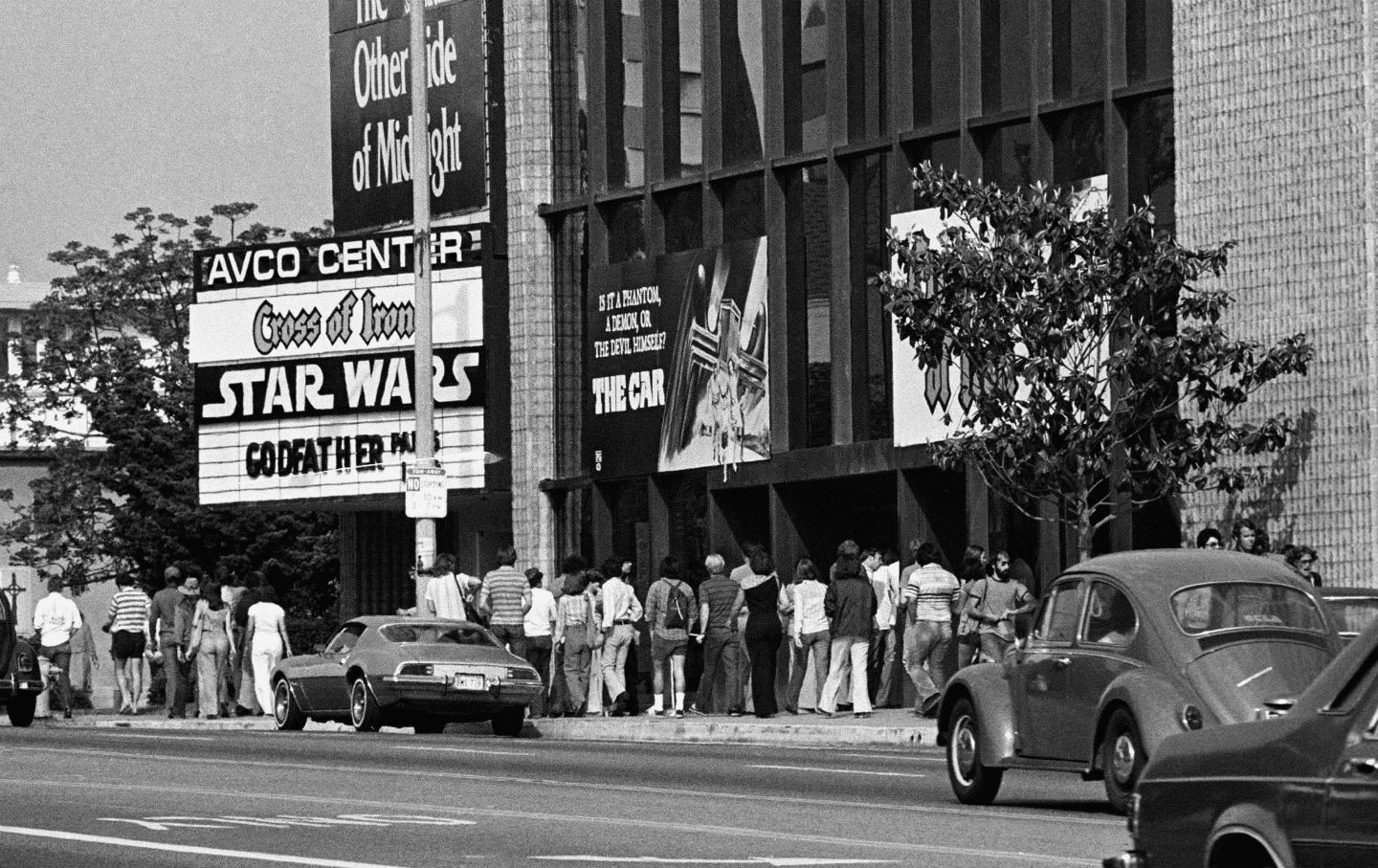
May 25, 1977: ‘Star Wars’ Opens in Theaters May 25, 1977: ‘Star Wars’ Opens in Theaters
The following review of the first Star Wars film was written by Robert Hatch, The Nation’s longtime film critic, as well as former managing editor and executive editor. Years from now, long after the last bucket of popcorn has been eaten at the last neighborhood showing of Star Wars, film buffs will be regaling one another with recollections of their favorite scenes and persons: the frontier bar patronized by the offspring of improbable matings (I liked the elephant/crocodile); the entrapment within a huge garbage compacter (courtesy of Edgar Allen Poe); the deal with cold-light swords; the bombing run down a narrow chasm to the one vulnerable spot in the Death Star; the poignant falling out of the two robots in a Beau Geste stretch of desert; the amiable but quick-tempered 7-foot man/bear navigator of the space ship; the bustling little brown-habited dwarfs with flashlight eyes, who sell second-hand automatons from a cave in the wilderness; and, of course, Luke Skywalker, the very fair-haired boy who discovers that he too possesses the Force. All in all, it is an outrageously successful, what will be called a “classic,” compilation of nonsense, largely derived but thoroughly reconditioned. I doubt that anyone will ever match it, though the imitations must already be on the drawing boards. May 25, 1977 To mark The Nation’s 150th anniversary, every morning this year The Almanac will highlight something that happened that day in history and how The Nation covered it. Get The Almanac every day (or every week) by signing up to the e-mail newsletter.
May 25, 2015 / Richard Kreitner and The Almanac

Ireland Embraces Marriage Equality and Shows the US What Democracy Looks Like Ireland Embraces Marriage Equality and Shows the US What Democracy Looks Like
Nothing boosts turnout like giving votes a chance to do the right thing.
May 24, 2015 / John Nichols
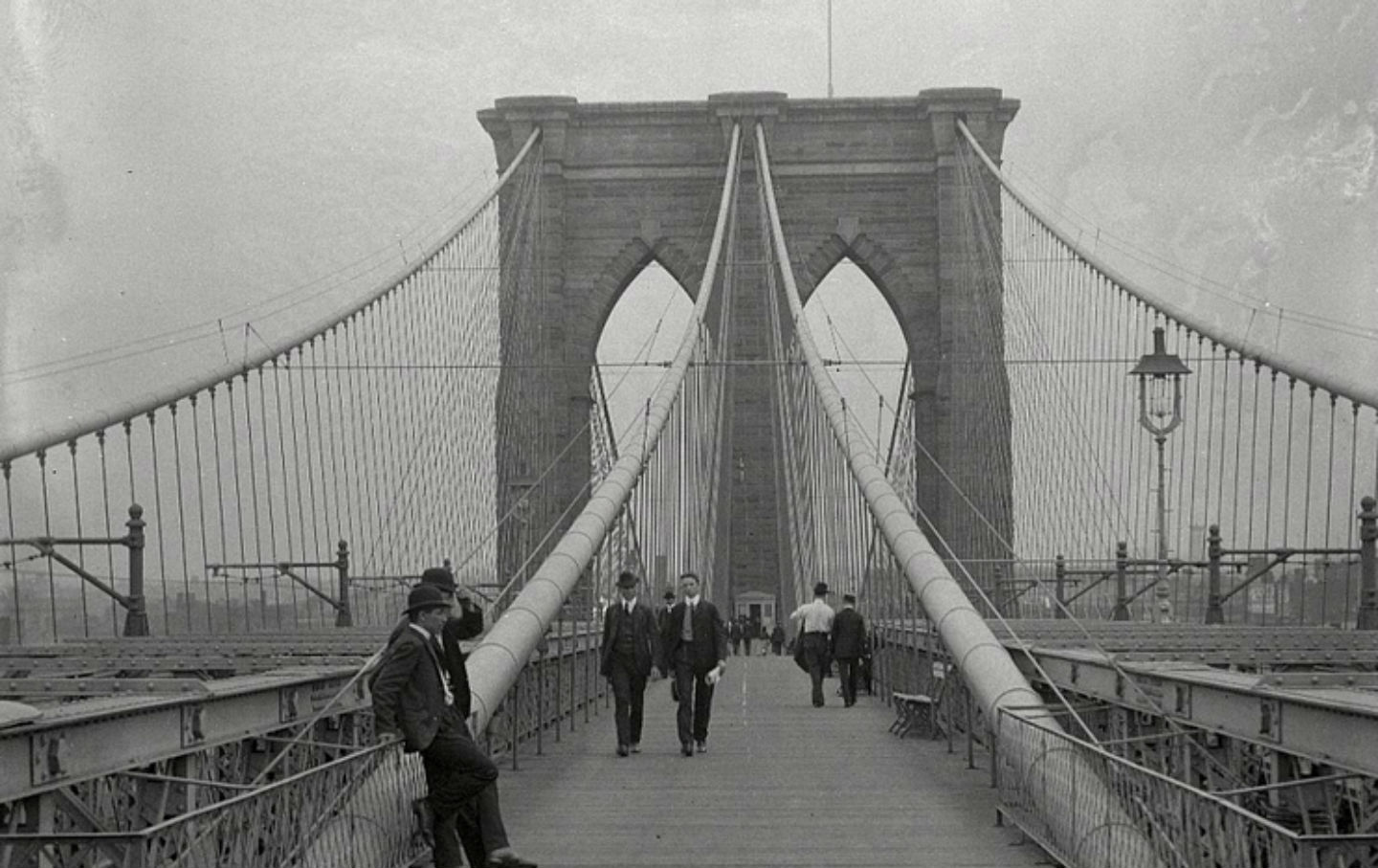
May 24, 1883: The Brooklyn Bridge Opens May 24, 1883: The Brooklyn Bridge Opens
"The ferry companies noted a great falling off in receipts."
May 24, 2015 / Richard Kreitner and The Almanac
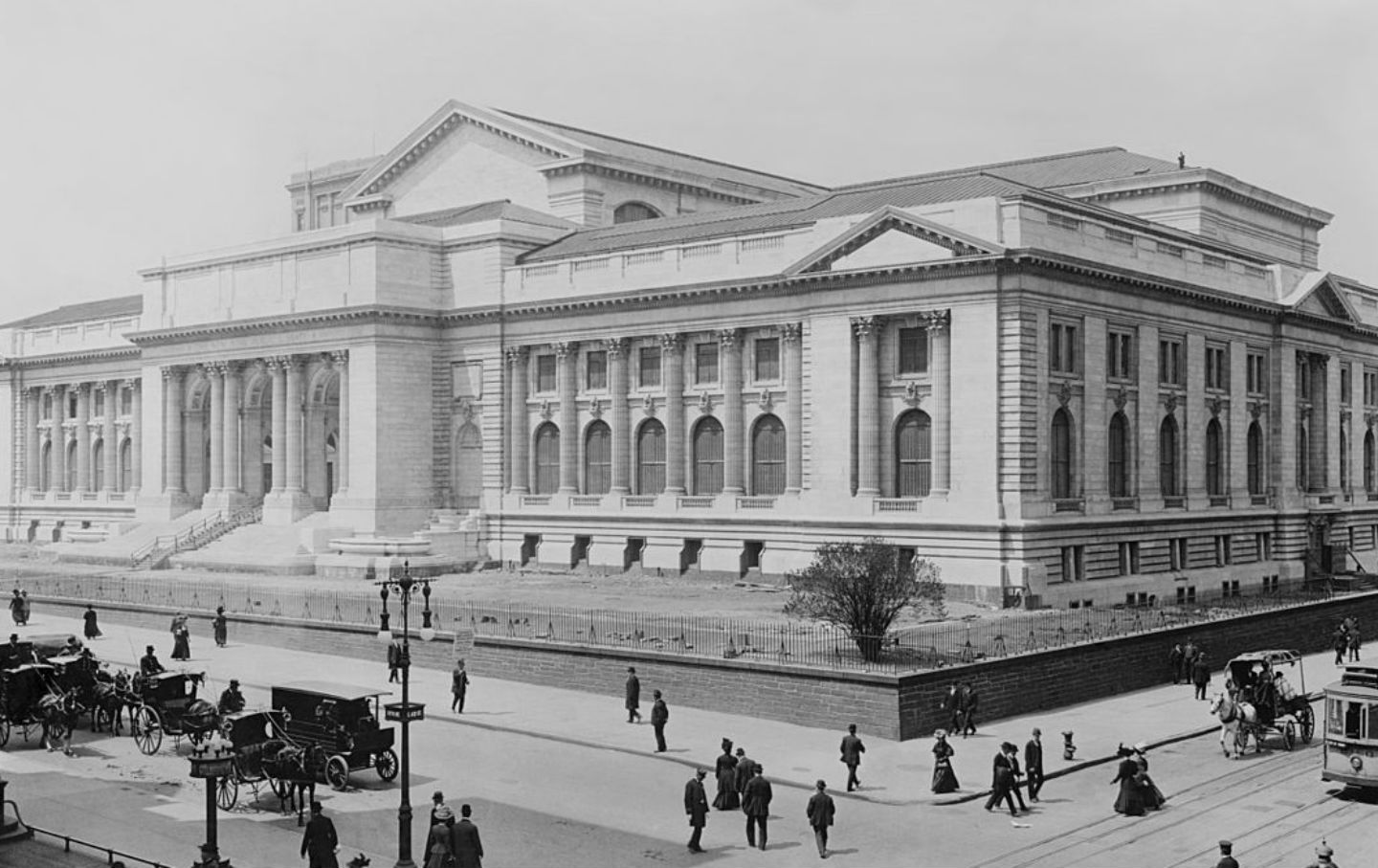
May 23, 1911: The New York Public Library Opens on 42nd Street May 23, 1911: The New York Public Library Opens on 42nd Street
“A study of the floor plans of the building, and a journey through it, disclose at once the cheering fact that much thought and care have been spent on the needs of the resea...
May 23, 2015 / Richard Kreitner and The Almanac