
How TV News Can Help Save the Planet
Television stations should take the lead on transforming the global climate story into a local one.
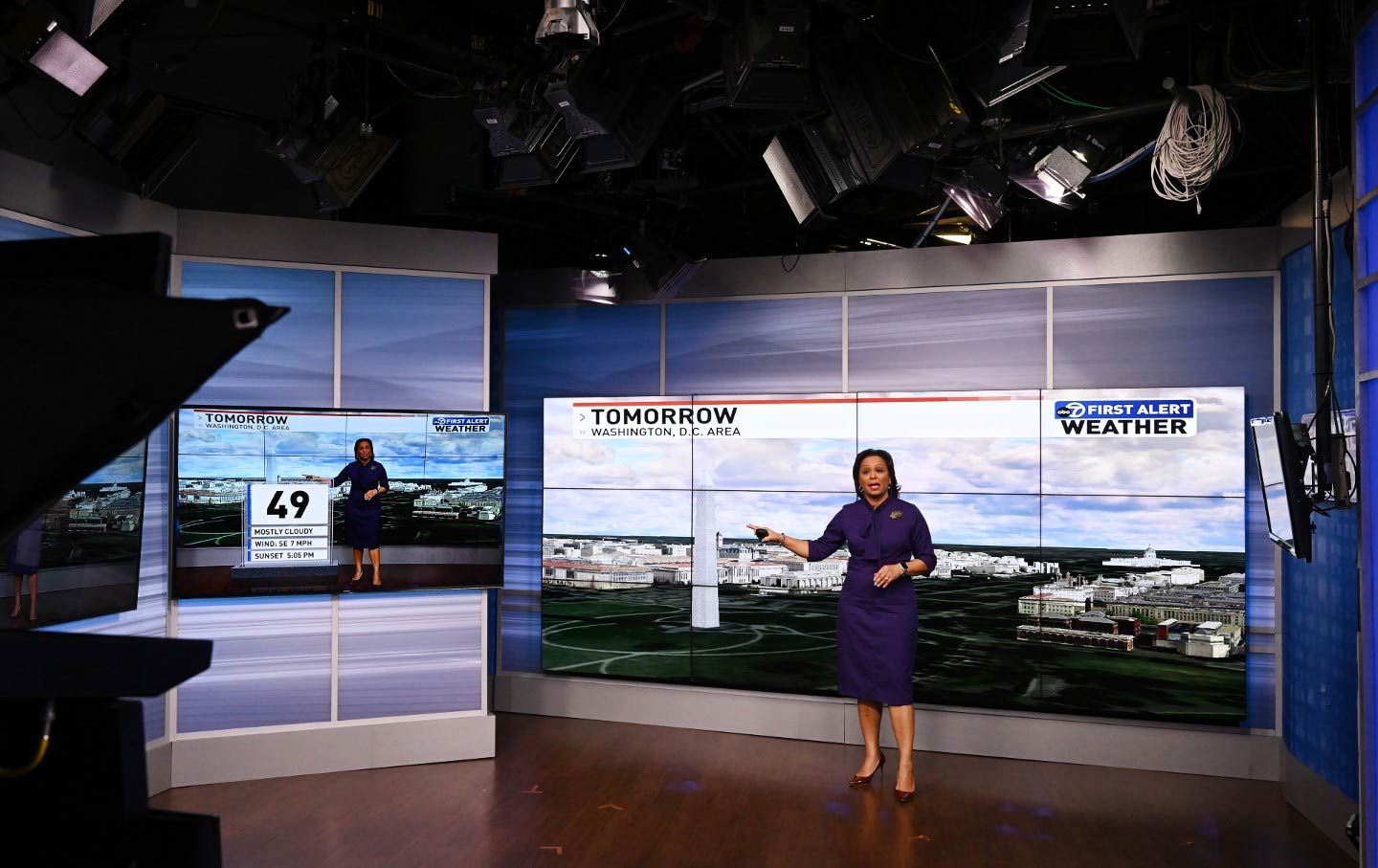
At this week’s COP28 climate meeting in Dubai, the focus will rightly be on the state of the planet. A record number of delegates—some 70,000 people, including heads of state—will be haggling over ways to curb carbon and methane emissions as the warmest year in earth’s history comes to a close. Much of the talk will focus on the details of the climate emergency—tenths of degrees of warming, or billions and billions of dollars in aid needed for people on the front lines.
It can all seem a bit theoretical for local reporters, particularly on television and particularly in the United States, where the climate crisis is too often seen as a creeping disaster most likely to show up somewhere else. This perception—that climate stories are complicated, academic, and optional for a local press with more pressing demands—remains a dangerous impediment to better coverage.
In response, we’d ask reporters across the country—and their bosses—to take a closer look at a government report released earlier this month that warrants more attention than it received. The National Climate Assessment is compiled every four years by agencies across the government at the direction of Congress; its findings provide a snapshot of the state of the climate crisis across the country.
This year’s findings were the starkest yet. (The Trump administration buried the last report, in 2018, downplaying its findings and publishing it the Friday after Thanksgiving.) Not only did the current assessment make plain that the window was closing to avert the worst effects of a warming planet—and that the United States was woefully behind other nations in implementing solutions to the problem—but it emphasized that the US is not immune to the gathering crisis: The assessment argues bluntly that no community in America is going to escape the effects of climate change, which are already here. In the Southeastern US, hurricanes are intensifying; drought is parching the Midwest even as extra heavy rains are hurting farming; and fires are burning through the West, putting frontline communities at disproportionate risk. “Too many people still think of climate change as an issue that’s distant from us in space or time or relevance,” Katharine Hayhoe, an atmospheric scientist (and contributor to a recent webinar from Covering Climate Now) told The New York Times. “Climate change is affecting us here, in the places where we live, both now and in the future.”
The assessment brought that point home, offering up what is essentially a road map for local reporters. Gone is the argument that the climate story is one that affects other people.
The assessment also shows that while every community is affected, not everyone within each community feels the effects the same. Poorer communities tend to be hotter, as they lack air conditioning and green space; communities of color are more likely to be located in areas more vulnerable to flooding; the loss of fisheries and farming due to rising temperatures impacts the most economically vulnerable.
No one is better suited to tell these stories than local reporters. As newspapers have folded and digital news deserts have spread, local television remains a vital part of the news ecosystem. In surveys on media trust, local television consistently outranks the national press, making it a critical part of the media solution to the climate story.
The questions for local stations across the country, then, are these: Are you telling the story of the climate as it affects your community? Are you focusing on the people most affected? Are you looking for government agencies, businesses, and community leaders offering solutions?
American journalism is, finally, waking up to the climate crisis unfolding around us. More newsrooms are doing more and better coverage and giving it more play. But too often, that progress is confined to the big, well-resourced national newsrooms with the budgets to hire climate reporters and send them around the world to do their jobs. We’re grateful they are on the case.
But they are not where most Americans get their news. That, still, is television. Local reporters have an opportunity to lead the profession on a story that we think will define journalism’s legacy.
For months now at Covering Climate Now, we have been offering climate training, for free, to TV reporting teams across the country, most of them owned by the big television networks. Now, we’re expanding that effort, rolling out an initiative called the Climate Station, a training program to equip local stations to better cover a crisis that is hitting their own communities. The project includes training sessions, as well as ongoing feedback and support.
The state of the world will be on our minds as delegates begin their work in Dubai this week. It’s critical that progress is made there. But there’s also more than enough work to do for every reporter in America, in covering stories happening in their own backyards.
Support independent journalism that does not fall in line
Even before February 28, the reasons for Donald Trump’s imploding approval rating were abundantly clear: untrammeled corruption and personal enrichment to the tune of billions of dollars during an affordability crisis, a foreign policy guided only by his own derelict sense of morality, and the deployment of a murderous campaign of occupation, detention, and deportation on American streets.
Now an undeclared, unauthorized, unpopular, and unconstitutional war of aggression against Iran has spread like wildfire through the region and into Europe. A new “forever war”—with an ever-increasing likelihood of American troops on the ground—may very well be upon us.
As we’ve seen over and over, this administration uses lies, misdirection, and attempts to flood the zone to justify its abuses of power at home and abroad. Just as Trump, Marco Rubio, and Pete Hegseth offer erratic and contradictory rationales for the attacks on Iran, the administration is also spreading the lie that the upcoming midterm elections are under threat from noncitizens on voter rolls. When these lies go unchecked, they become the basis for further authoritarian encroachment and war.
In these dark times, independent journalism is uniquely able to uncover the falsehoods that threaten our republic—and civilians around the world—and shine a bright light on the truth.
The Nation’s experienced team of writers, editors, and fact-checkers understands the scale of what we’re up against and the urgency with which we have to act. That’s why we’re publishing critical reporting and analysis of the war on Iran, ICE violence at home, new forms of voter suppression emerging in the courts, and much more.
But this journalism is possible only with your support.
This March, The Nation needs to raise $50,000 to ensure that we have the resources for reporting and analysis that sets the record straight and empowers people of conscience to organize. Will you donate today?
More from The Nation
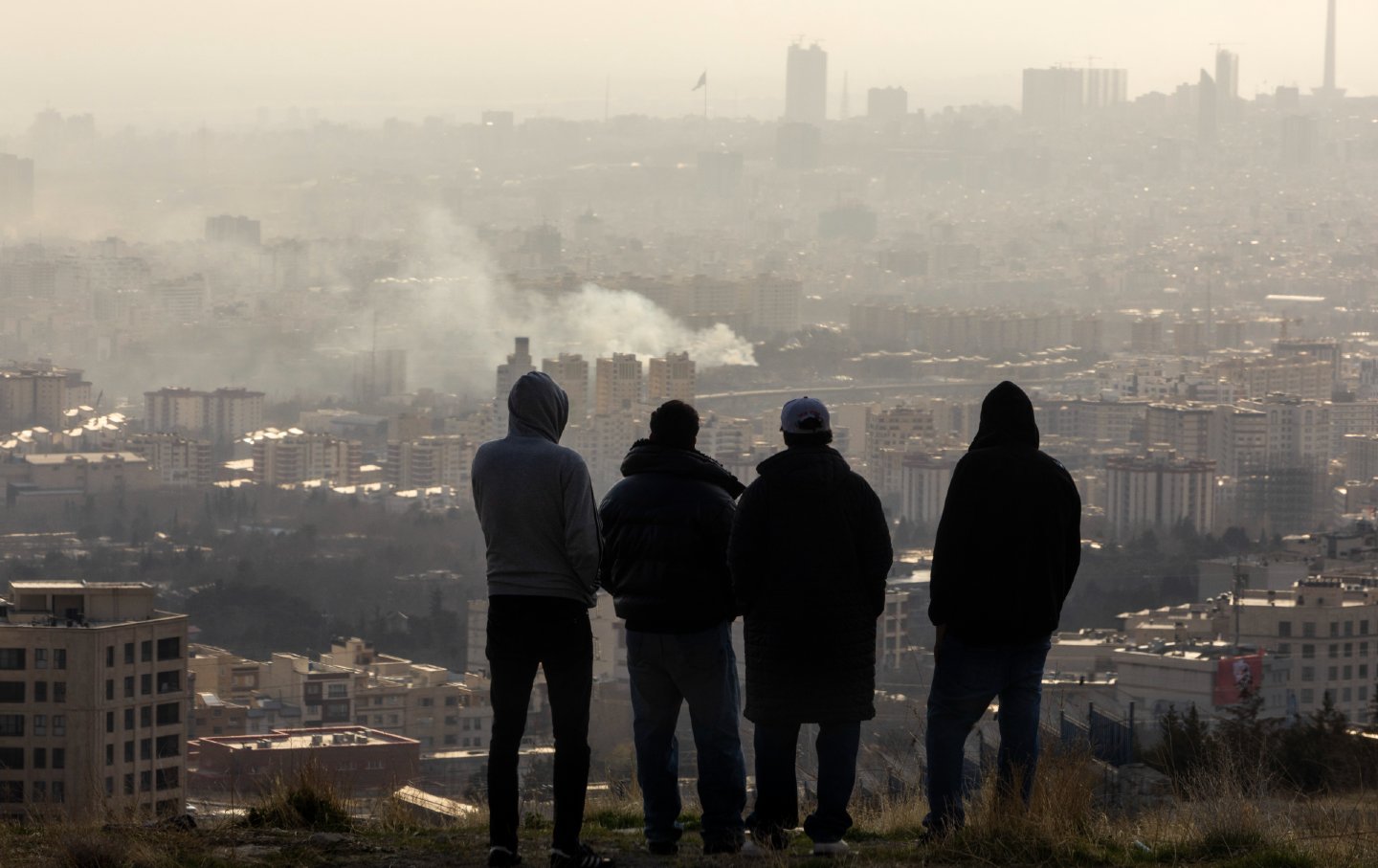
The Iran War Is Also a Climate War The Iran War Is Also a Climate War
Climate change is not a peripheral part of what we’re seeing in Iran—it’s structurally embedded in modern warfare.
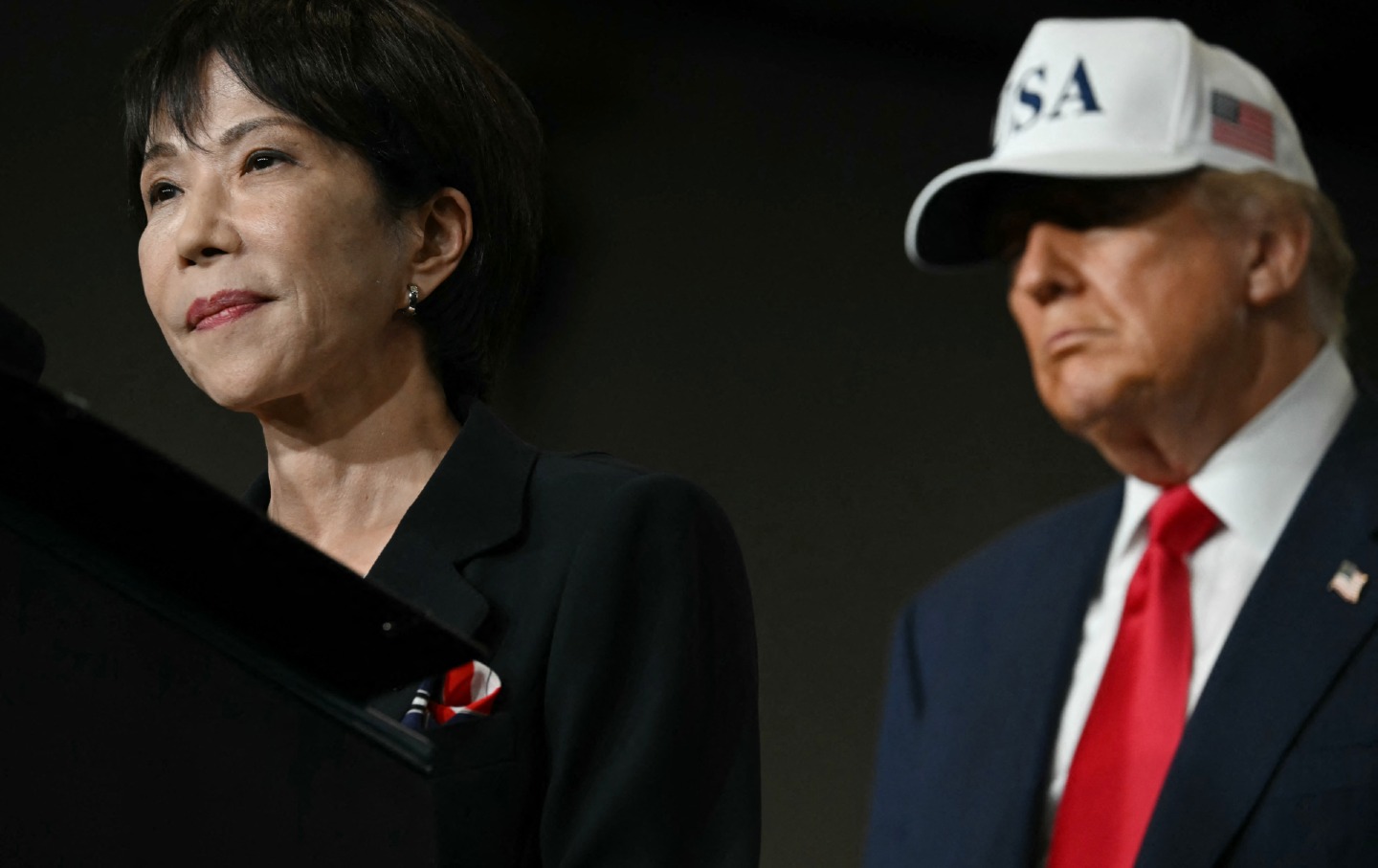
Japan’s New Climate Bomb—in the US Japan’s New Climate Bomb—in the US
Bloomberg Green reveals the climate costs of the US-Japan trade deal.
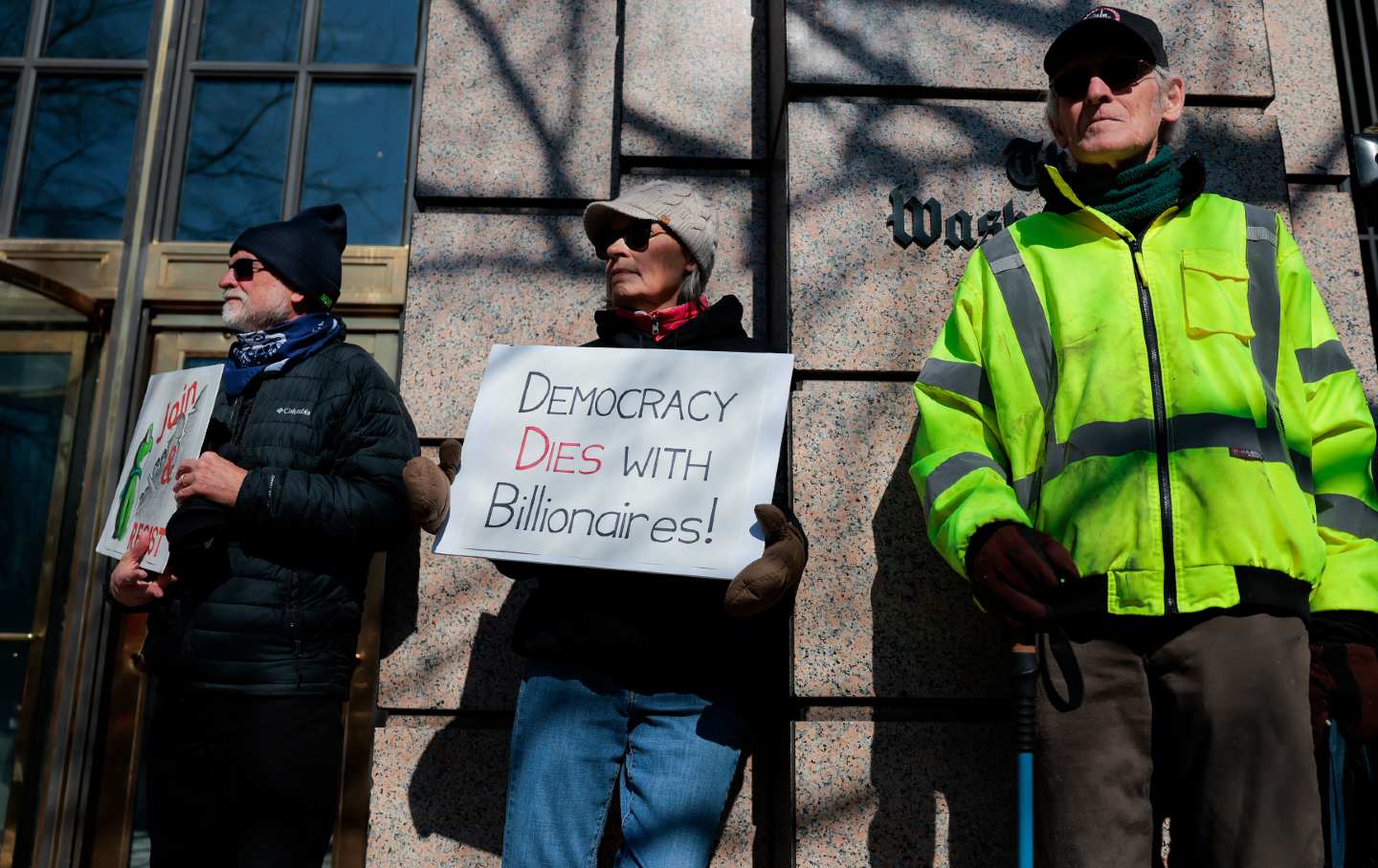
Where Climate Coverage Goes to Die Where Climate Coverage Goes to Die
The very notion of public service journalism is under assault at precisely the moment that it’s most needed.
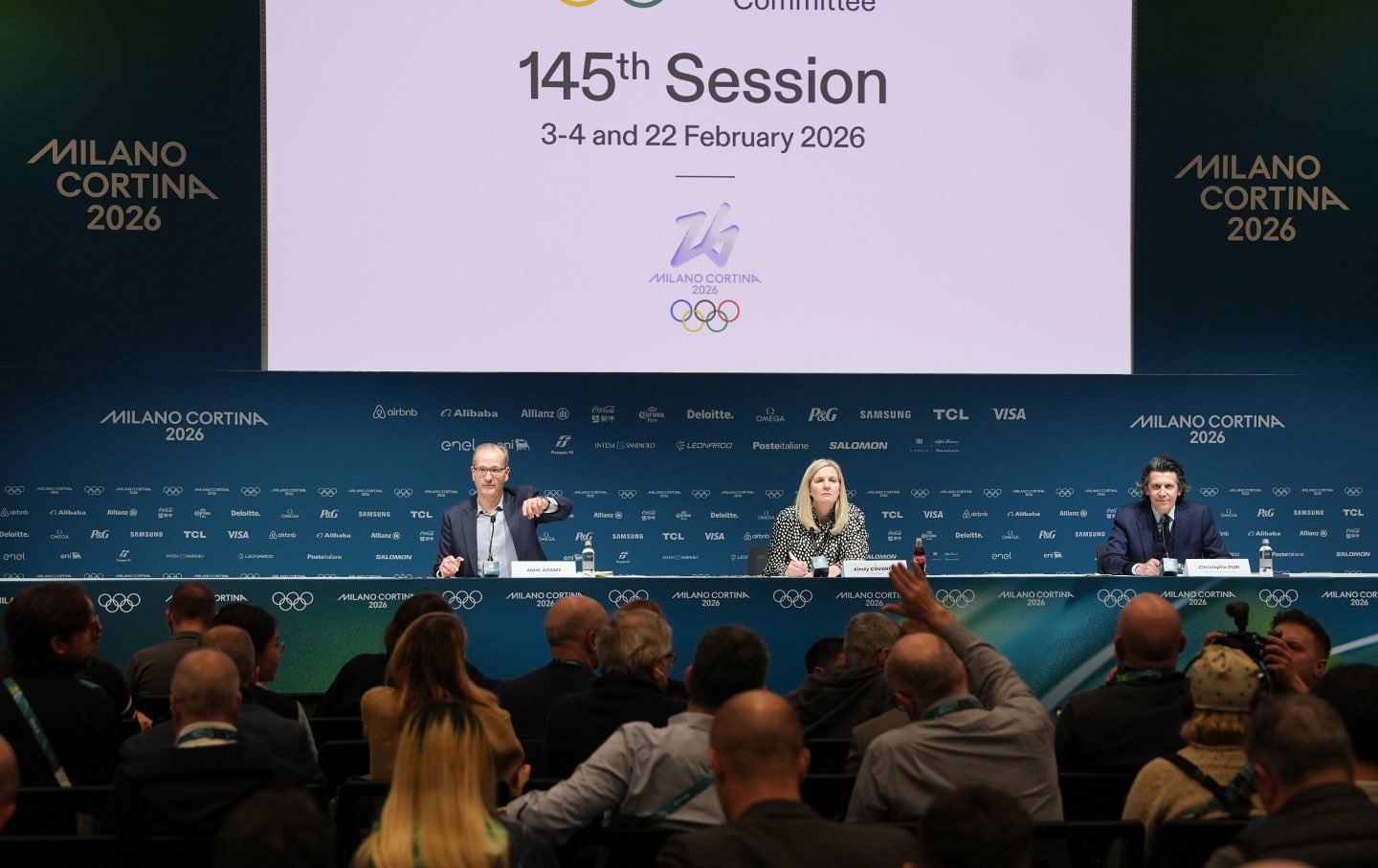
The International Olympics Committee Is Urged to Drop Oil Company Sponsors The International Olympics Committee Is Urged to Drop Oil Company Sponsors
Global warming means the future of Winter Games “is literally melting away.”
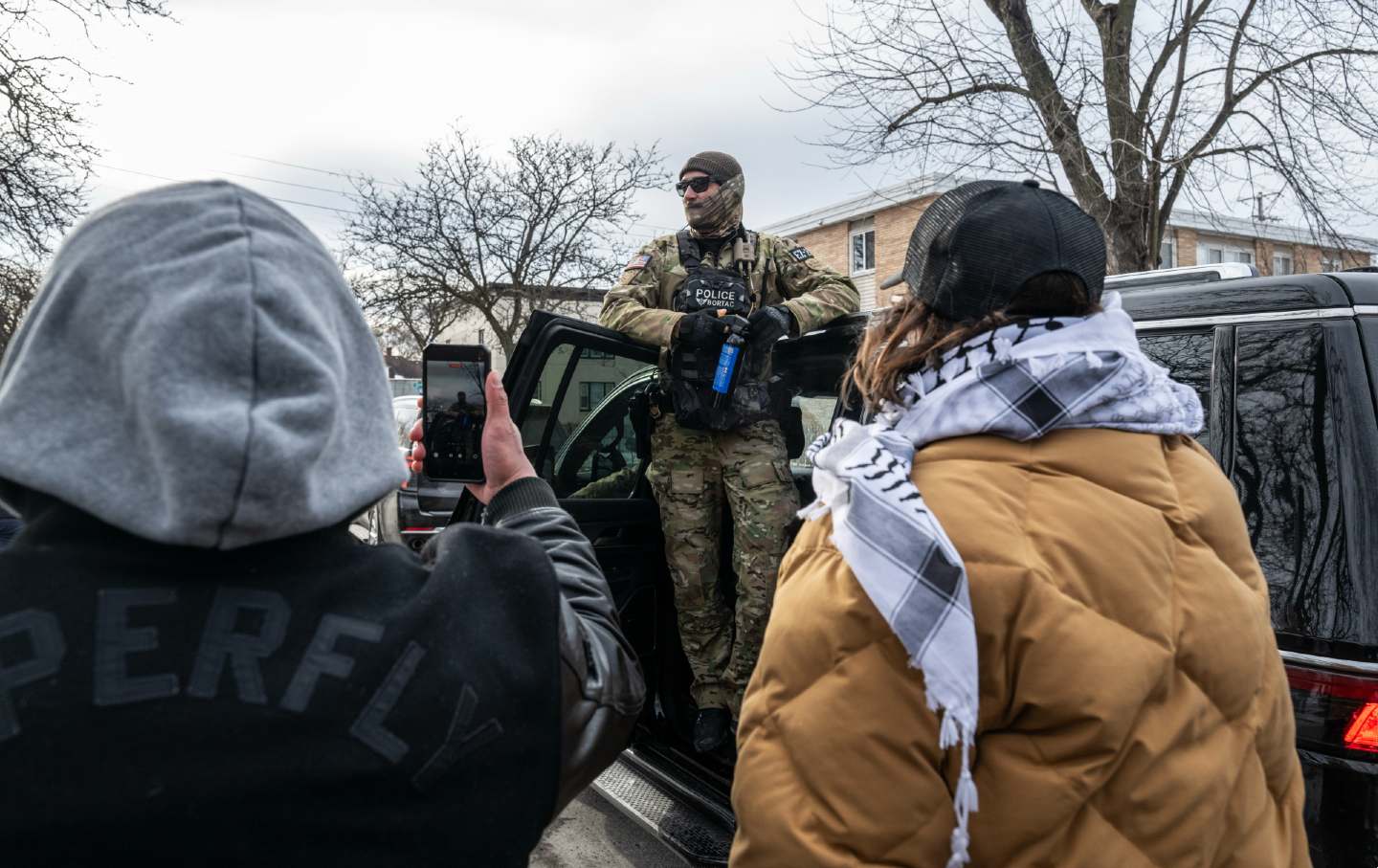
Citizen Journalists Are Minneapolis’s Unsung Heroes Citizen Journalists Are Minneapolis’s Unsung Heroes
Without their videos of ICE shootings, we wouldn’t know what is really happening.
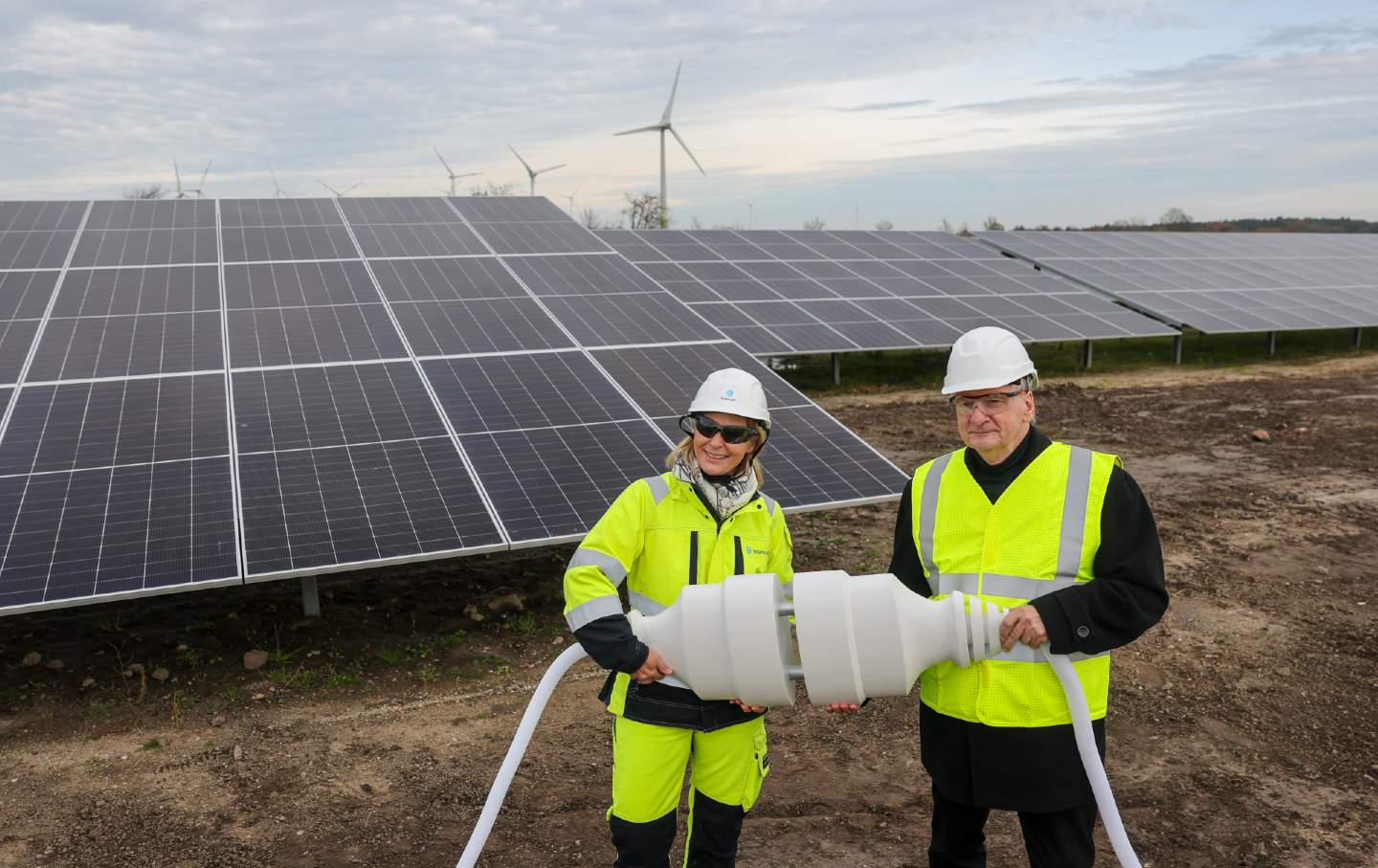
Climate Stories Are Everywhere Climate Stories Are Everywhere
Why do many news outlets ignore the connections between climate change and the struggle for democracy?

