How America Became the Progenitor of Environmentalism
From Indigenous practices to the Green New Deal, our country has always focused on prioritizing our planet.
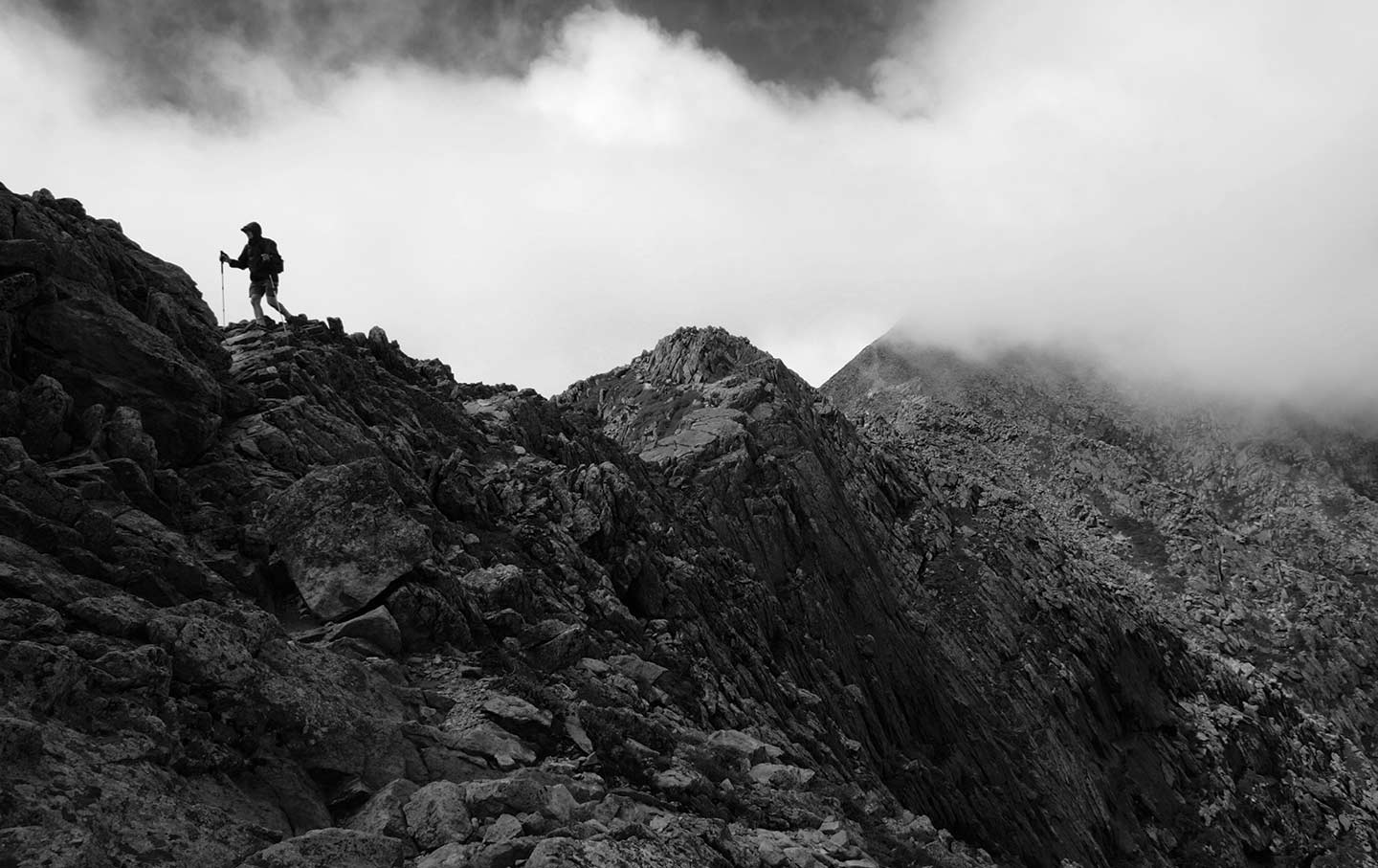
Natural high: The Knife Edge trail, not far from the Maine’s North Woods, which shaped Henry David Thoreau’s ideas about nature.
(Robert F. Bukaty / AP Photo)
America is a young country. I have plenty of friends who—like Jane Fonda, my fellow contributor to this special issue—make note of the fact that they’ve been alive for a third of its 250-year history as a nation. One thing this has meant is that America came to full consciousness—literary and political—in the period when we were turning its forests and topsoil into money. Unlike in Northern Europe or the countries of the Mediterranean, where these transformations were ancient history by the time people were writing books, the transformations happened here in relative modernity, which explains why one of America’s great gifts to the Western world has been the environmental idea.
That Indigenous people had long since hit upon this complex of ideas almost goes without saying. But its slow rediscovery, beginning, I think, with Henry David Thoreau, has been a crucial part of the American story. Thoreau was little read in his time; not so George Perkins Marsh, whose Man and Nature, published two years after Thoreau’s death, stands as one of the first decisive works of environmental exhortation. Marsh’s understanding that, by cutting down vast swaths of timber, humans were altering the temperature and aridity of our landscape led pretty directly to early experiments in land conservation—things like the protection of the Adirondacks. And they helped charge the air that Teddy Roosevelt, the first giant of conservation, breathed so deeply.
250 Years of Searching for a More Perfect Union
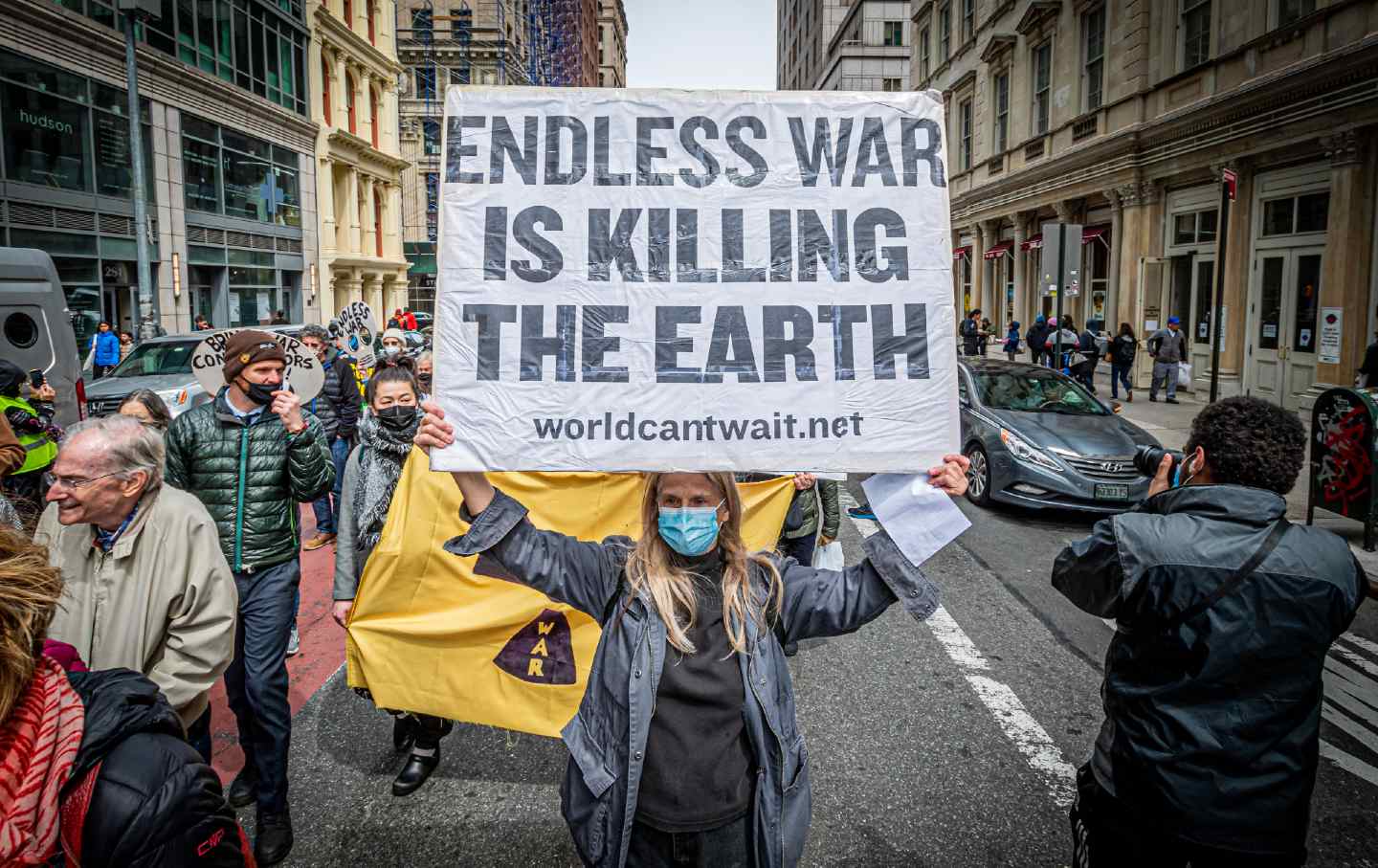
Roosevelt’s name, of course, reminds us that this legacy can be troublesome—at points, American environmentalism has been linked with eugenics, with anti-immigrant nonsense, and with a kind of privilege-based affection for scenery. But at its heart, I think, it’s mostly been helpful to the human cause, a challenge to the accumulations of industrial wealth and power. Rachel Carson was among the first people to knock some of the shine off modernity, and her testament in Silent Spring—combined with such horrors of the 1960s as the Santa Barbara oil spill, and with the glories of our natural world as revealed by everyone from Ansel Adams to Jacques Cousteau—produced by 1970 the single greatest outpouring of environmental protests in American history. Twenty million people joined demonstrations, celebrations, and teach-ins for the first Earth Day—10 percent of the population, for a celebration-cum-protest that drew at least some of its power from another American first: the photo that the Apollo astronauts had recently taken of our blue-white planet floating, beautiful and fragile, in the black void.
That dramatic demonstration of sentiment (combined with the defeat that autumn of a number of congressmen on the “dirty dozen” list of despoilers compiled by the group Environmental Action) produced a flood of legislation. Within a couple of years, the United States had created the Environmental Protection Agency and vastly strengthened its clean-air and clean-water laws. These were signed by Richard Nixon, himself the farthest thing from an environmentalist, but a man with a strong sense of electoral reality. And they quickly inspired similar laws around the world, effective regulations that accomplished their goals to a surprising degree. Choking air turned much cleaner; you could swim in lakes and streams that had previously been chemistry experiments.
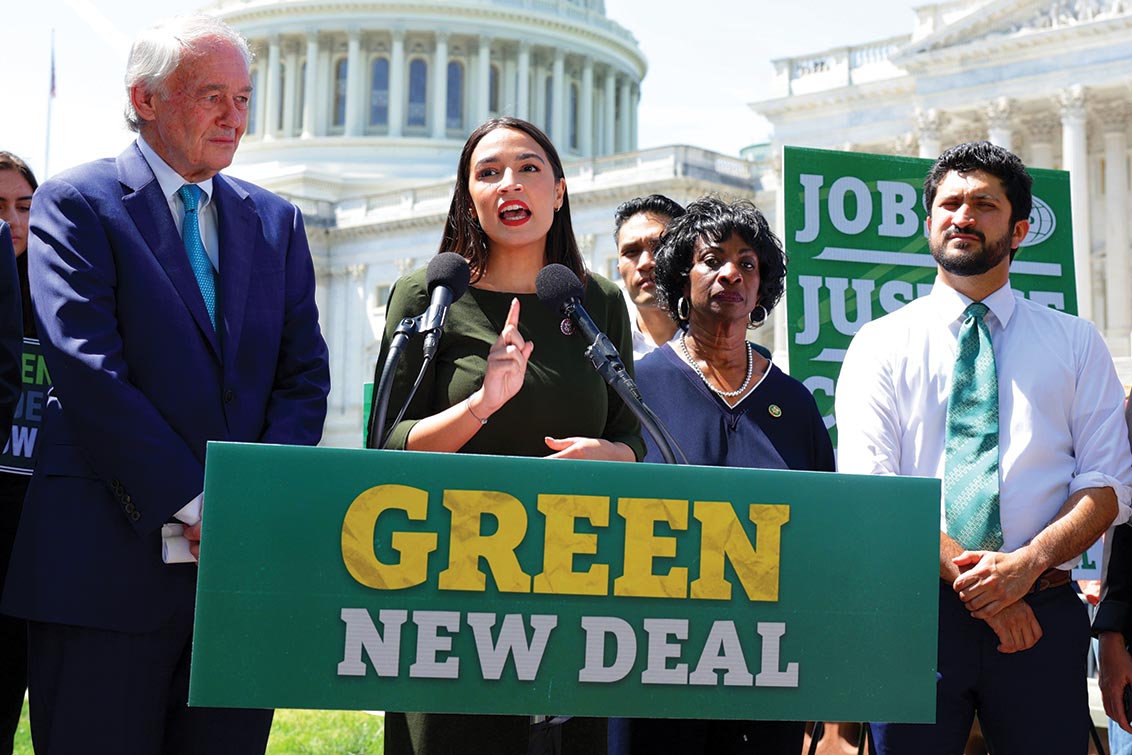
But these regulations had another effect, which was to deeply anger the industrialists who were their targets. At first their rage was impotent, but by the time of Ronald Reagan’s ascension it had gathered real power. It was no surprise that the new president took his predecessor Jimmy Carter’s solar panels off the roof of the White House and became committed to the ever-more-rapid development of America’s fossil-fuel resources. For a while, it looked as if the emergence of climate change as a reality at the end of the 1980s might complicate that task: After all, there was no more perfect example of the power of American science than the discovery and elucidation of this deep problem in atmospheric physics. Even Reagan’s successor, George H.W. Bush, allowed that we’d have to solve the greenhouse effect with “the White House effect.”
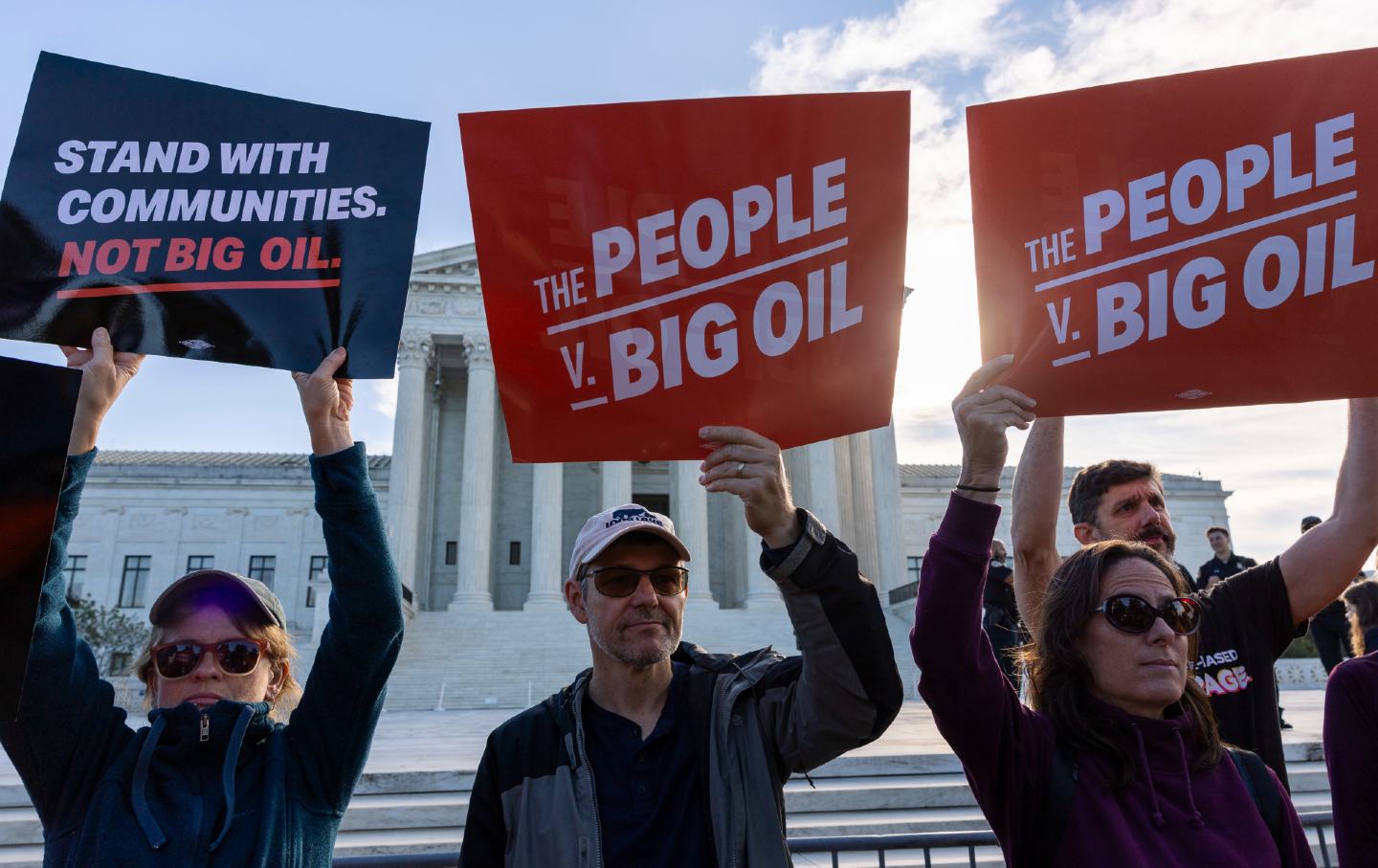
That didn’t happen. Instead, the power of Big Oil, unleashed in a massive campaign of disinformation, managed to mostly neuter America’s response. (It’s worth remembering that the Koch brothers were America’s biggest hydrocarbon barons, with sprawling refinery and pipeline investments.) We’ve turned from coal to natural gas as the biggest source of our electricity, but even that has proved a Pyrrhic victory, since the leaked methane is doing nearly as much damage as the CO2 from the coal had been doing. Joe Biden, in the process of earning Bernie Sanders’s support in 2020, committed to something resembling a Green New Deal, and he was as good as his word, or at least as good as Joe Manchin would allow. The Inflation Reduction Act, with its billions for battery factories, was the most important environmental legislation since Nixon.
The billionaires soon took their revenge, all but wiping the Inflation Reduction Act off the books with the help of a Republican Congress. So now we face a remarkable moment. America—the country that pioneered environmentalism, the country whose scientists measured and understood the climate threat, and the country whose engineers developed the solar cell, the industrial wind turbine, and the lithium-ion battery, not to mention the country that poured the most carbon into the air—is now the only country on earth that has officially renounced the idea that greenhouse gases pose a danger, and the only country to abandon the global climate talks. We currently aim for “energy dominance” by controlling fossil-fuel supplies (Trump didn’t even bother to pretend that there was another reason for attacking Venezuela), and yet we have risked fatally undermining the premise of that dominance by waging an illogical war on Iran that has led to the closure of the Strait of Hormuz.
America, over the past 15 months, has ceded much of its technological, economic, and hence political leadership to our theoretical adversaries in Beijing, who are clearly basing their future prospects on clean energy. If we are to recover our mojo sometime in the next 250 years, it will require that we embrace once more the legacy we did so much to pioneer. We’ll have to choose biology over billionaires and chemistry instead of crackpots. And perhaps beauty, too.