Books & the Arts / November 27, 2024

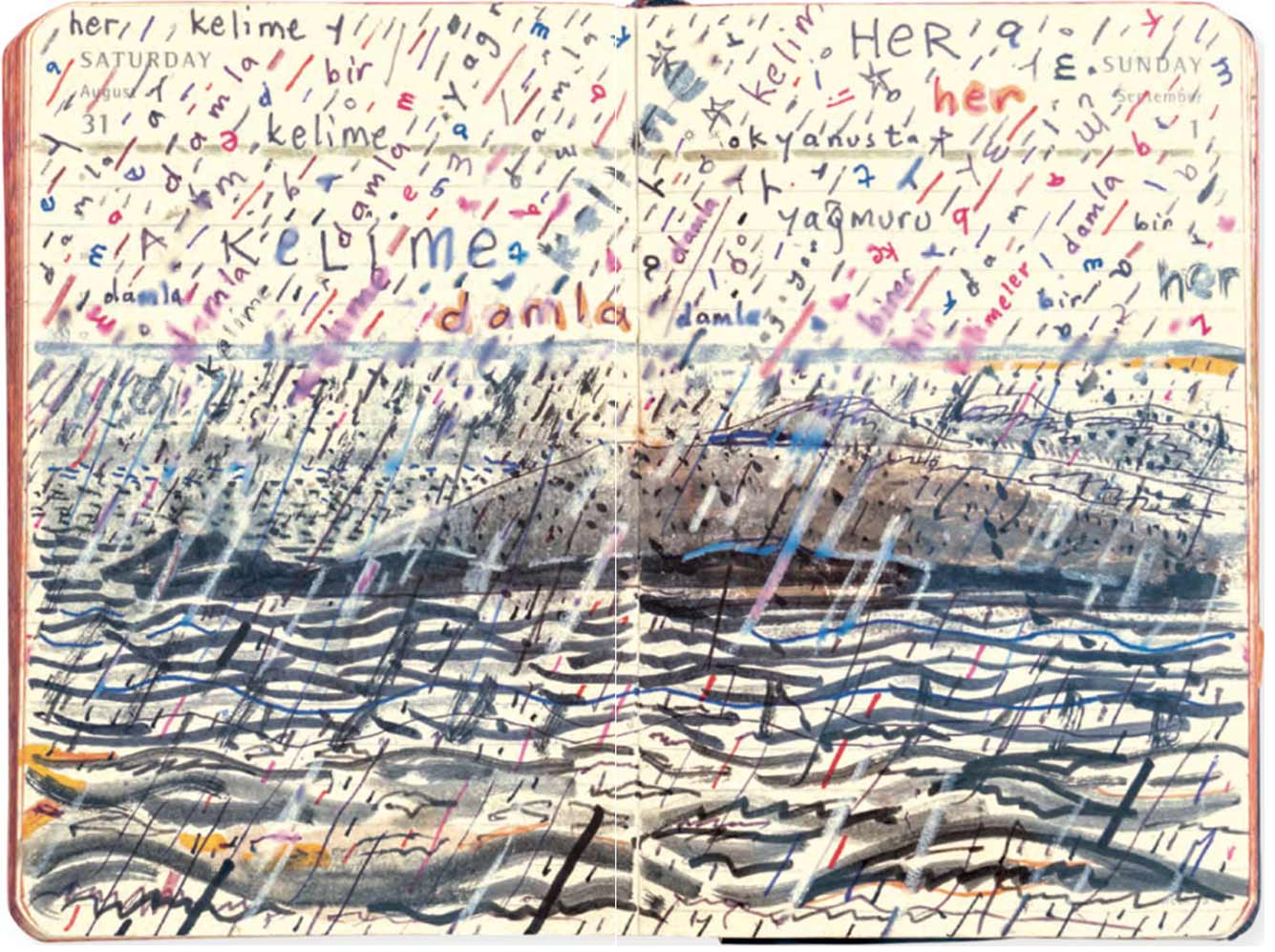
Rain and Mountains

Pages from a novelist’s notebook.

Rain and Mountains

Pages from a novelist’s notebook.

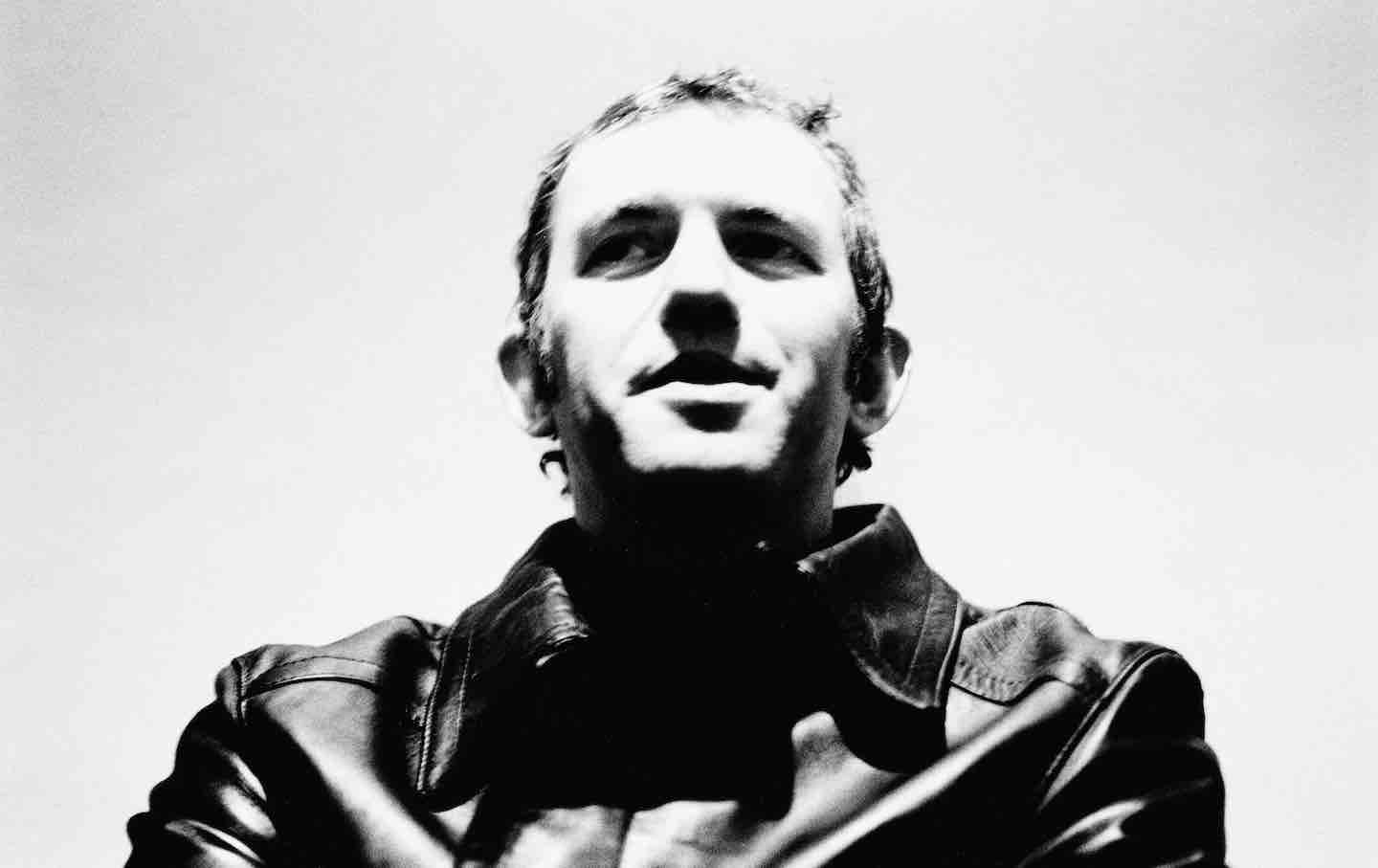
Orhan Pamuk

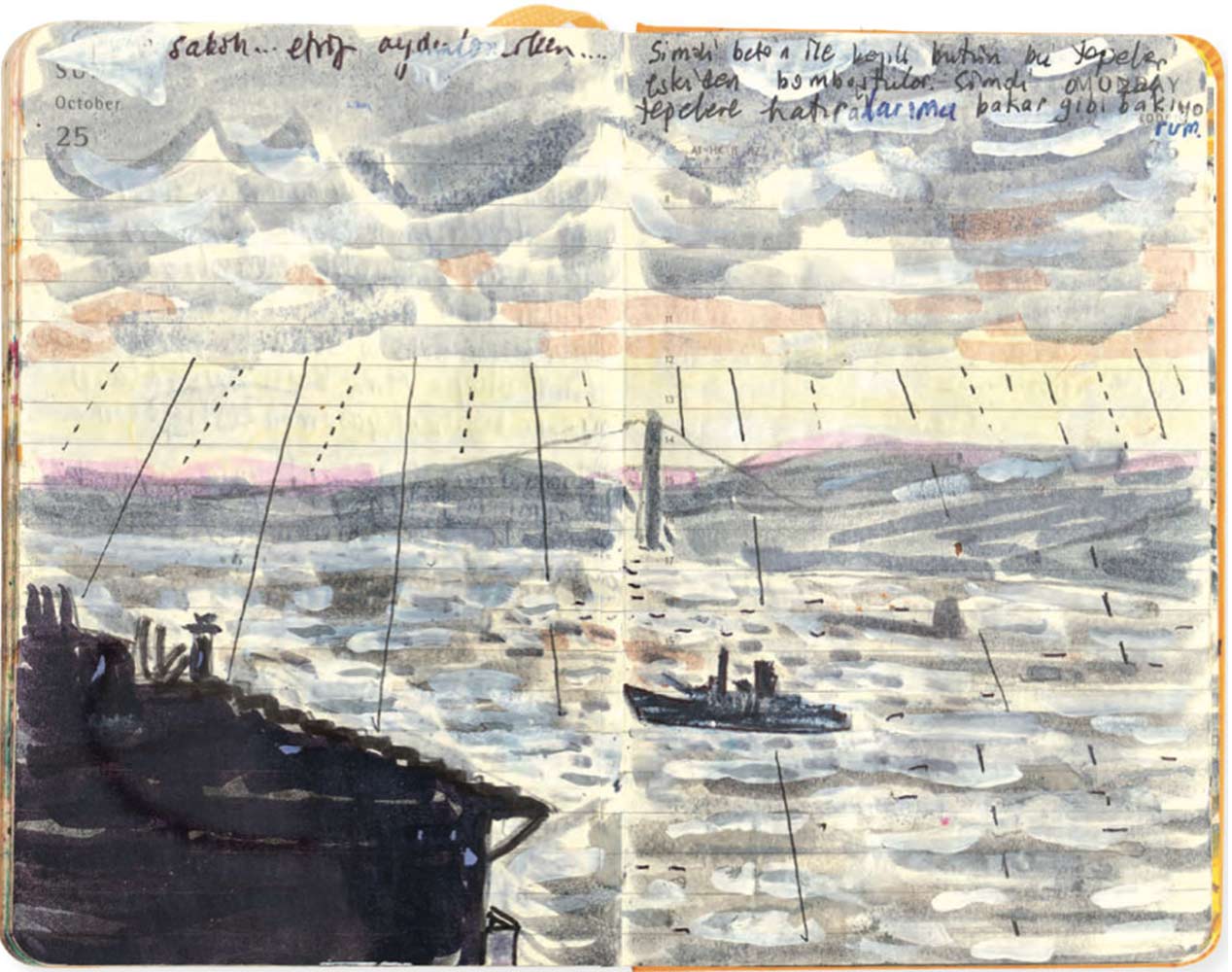
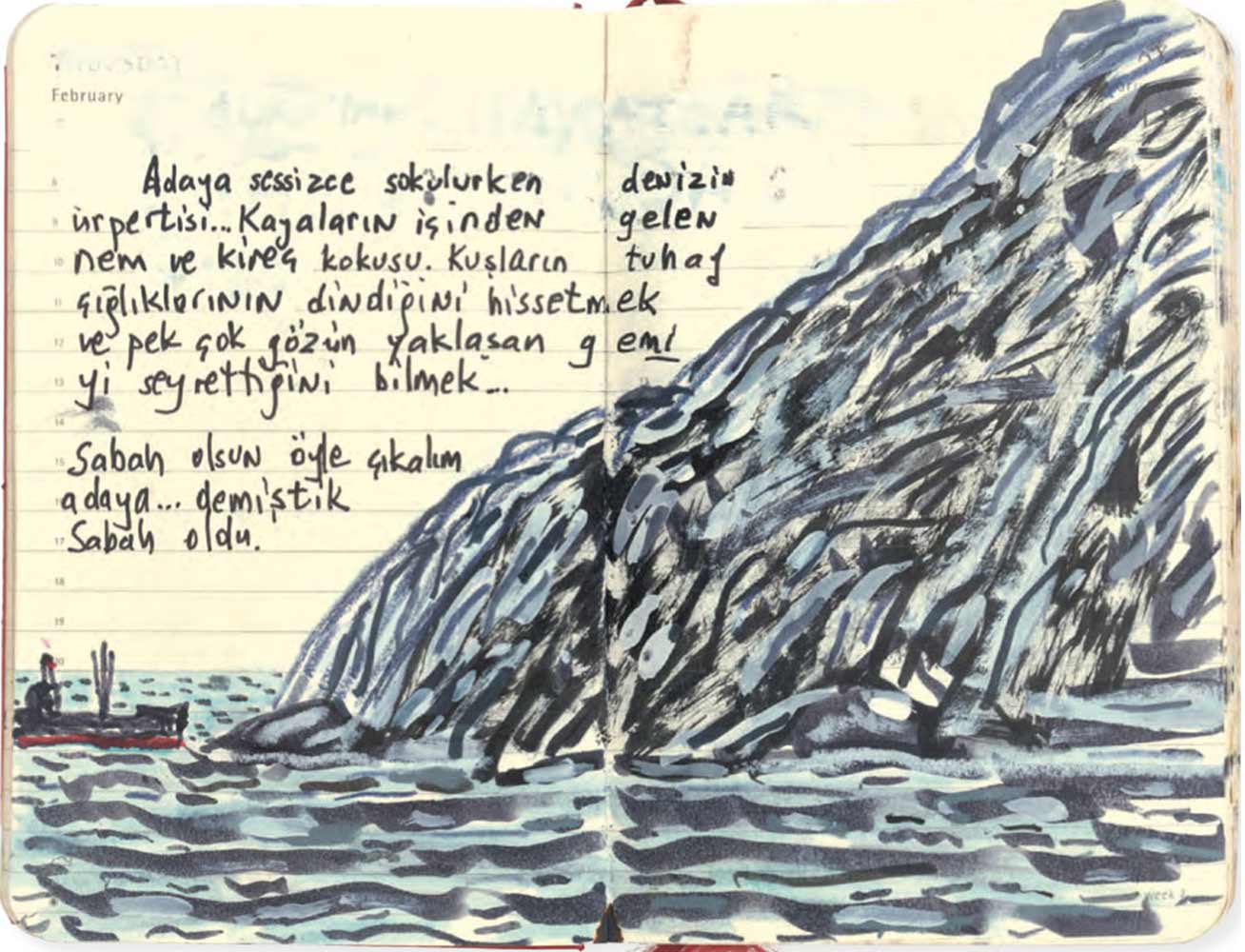
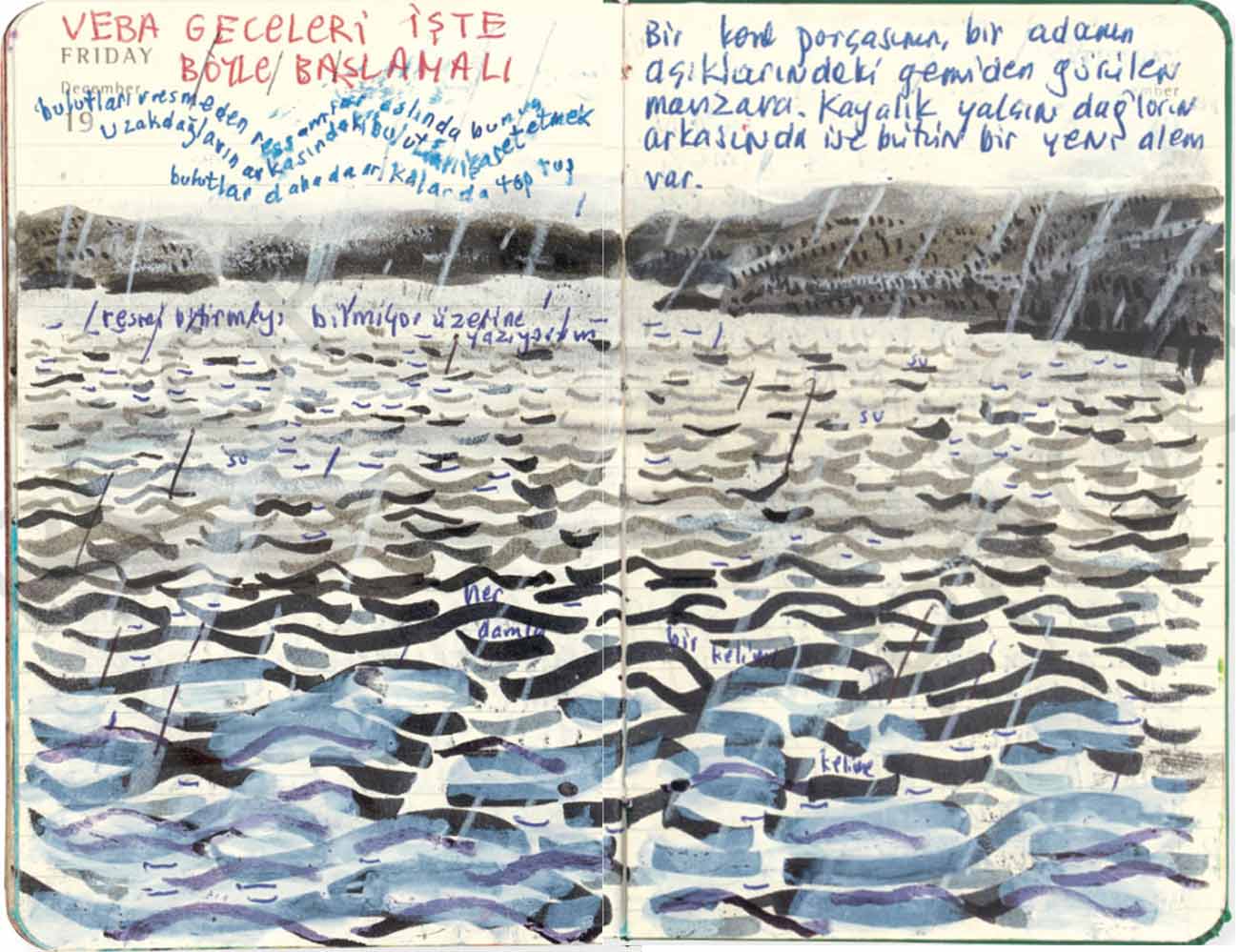
After spending his adolescent years imagining he would become a painter, Orhan Pamuk had a change of heart. “At 22, I killed the painter inside of me,” he recounts, “and began writing novels.” Since then he has gone on to write many novels, including The White Castle, My Name Is Red, Snow, and Nights of Plague, and win the Nobel Prize in Literature. Yet his love of visual art, and in particular landscapes, remained, and in 2008 he “walked into a stationery shop, bought two big bags of pencils, paints, and brushes, and began joyfully and timidly filling little sketchbooks with drawings and colors. The painter inside of me hadn’t died after all.” The following are from these sketchbooks, excerpted from Memories of Distant Mountains: Illustrated Notebooks 2009–2022.

Excerpted with permission from Alfred A. Knopf. ©2024 Orhan Pamuk.
Orhan Pamuk

Orhan Pamuk is the author, most recently, of Istanbul and Snow. He was
awarded the 2005 Prix Medicis and won the International IMPAC Award in
2003 for My Name Is Red.

More from The Nation

A billboard in St. Paul, Minnesota, 2025.

The Hidden Crisis of Addiction Treatment The Hidden Crisis of Addiction Treatment

In Rehab, Shoshana Walter investigates the corruption and abuse rife in the business of drug rehabilitation.

Books & the Arts / Zoe Adams

Anton Corbijn

Rock and Roll’s Dutch Old Master Rock and Roll’s Dutch Old Master

How Anton Corbijn’s photographs shaped the history of rock music.

Books & the Arts / Andrew Holter

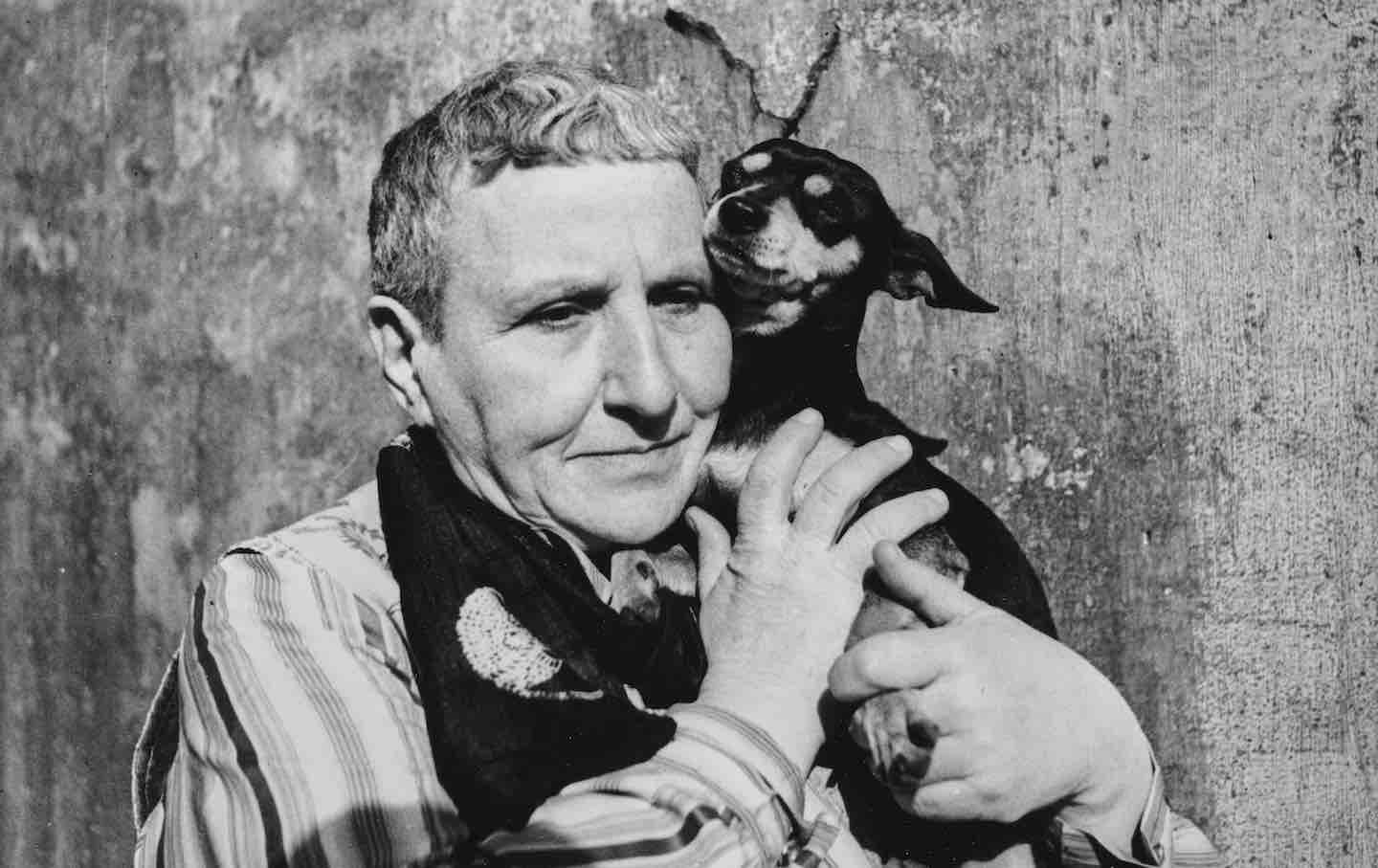
Gertrude Stein holding her dog Pepe, 1939.

The Enigma of Gertrude Stein The Enigma of Gertrude Stein

Why do we misunderstand one of modernism’s great writers?

Books & the Arts / David Schurman Wallace

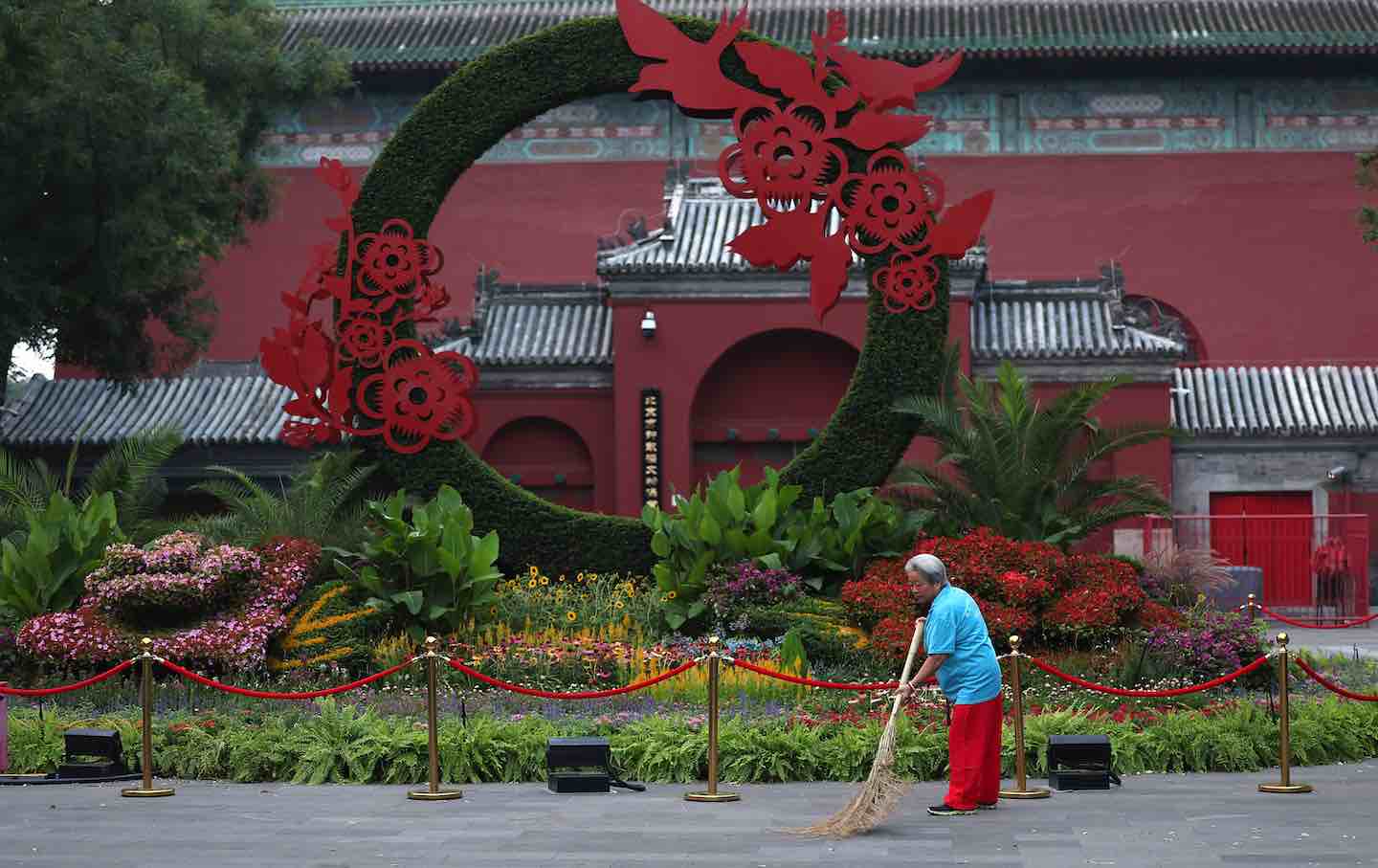
A woman cleans the street near the Drum Tower in Beijing, 2025.

What Its Like to Serve the Chinese Elite What Its Like to Serve the Chinese Elite

Zhang Yueran’s novel Women, Seated—a take on the upstairs, downstairs drama—examines class conflict among the Chinese upper crust and the people who wait on them.

Books & the Arts / Ting Lin

In “Bomarzo,” the Renaissance Man is a Monster

In “Bomarzo,” the Renaissance Man is a Monster In “Bomarzo,” the Renaissance Man is a Monster

Manuel Mujica Lainez’s historical novel, a strange biography of a 16th-century duke, leaves the reader wondering if human nature can ever change.

Books & the Arts / Max Pearl

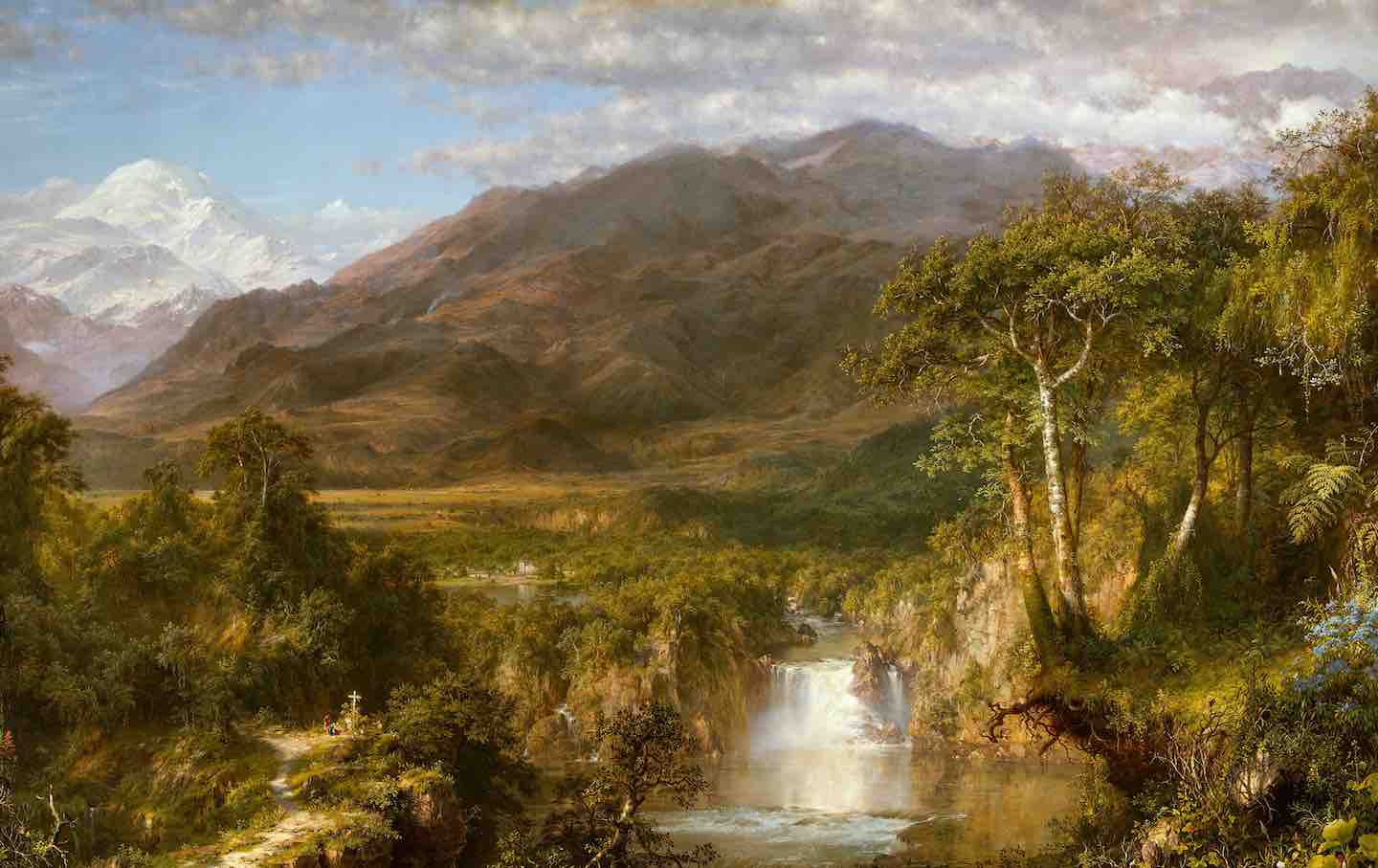
Frederic Edwin Church’s “Heart of the Andes,” 1859.

When Did the Natural World Stop Feeling Sublime? When Did the Natural World Stop Feeling Sublime?

In Is a River Alive?, Robert Macfarlane challenges himself, and others, to find a new way to write about nature.

Books & the Arts / Isabel Ruehl