Remembering a honeymoon hike near Drakes Bay, California, while I cook our dinner at the feet of Colorado’s Front Range
That stretch of coast like the soft spot
in your self, the heart of your self I call
your soul. That feeling that comes there, when fog settles
so truly I know I am walking inside
a cloud. Intangible. Tangible. Both
at once. Sweetheart, I need to tell you something
after we finish, tonight, with this dinner
I’m preparing—rainbow chard wilted in oil
with shallots and pepitas, herb-rubbed chicken
already roasting. Even on these hot days,
far from the cool coast of California, when I’m with you,
I am inside such a cloud. This is how I know
I won’t ever believe in heaven if heaven isn’t right
here, with you. Our sunflowers keep coming back,
year after year after year, since that first year
we drove seeds under our new yard’s soft soil.
That, dear heart, is it. It is the softness I need
to thank you for. I’d be lost without that
part of you that eases up enough to let me in.
Then closes back around me. For years,
on the edge of California’s coast, ship after ship
after European ship sailed past. An inlet
kept safe inside a cloud. Safe the sweet smell
of California buckeye and dusty green sage. Safe
the spineflower, checker lily, blue blossom. Unharmed
the little native bees and yellow-faced bumble bees
who skip from flower to flower. Unharmed
the coast buckwheat, and the fiery skipper
and gossamer-winged butterflies who need buckwheat
to survive. Unharmed the lumbering grizzly.
Unharmed, until thinned fog let ships in, the snakes
and mountain lions too. You’ve lived long enough,
sweetheart. You’ve paid attention to your history.
You know what some people will do if let in
to the part of your self you spent so long protecting.
But you showed me this anchorage. Those soft brown
shoulders. The headlands. Here I am. So much in bloom!
And me, with you, in all this soft wild buzzing.
(This poem originally appeared in You Are Here: Poetry in the Natural World.)
Support independent journalism that does not fall in line
Even before February 28, the reasons for Donald Trump’s imploding approval rating were abundantly clear: untrammeled corruption and personal enrichment to the tune of billions of dollars during an affordability crisis, a foreign policy guided only by his own derelict sense of morality, and the deployment of a murderous campaign of occupation, detention, and deportation on American streets.
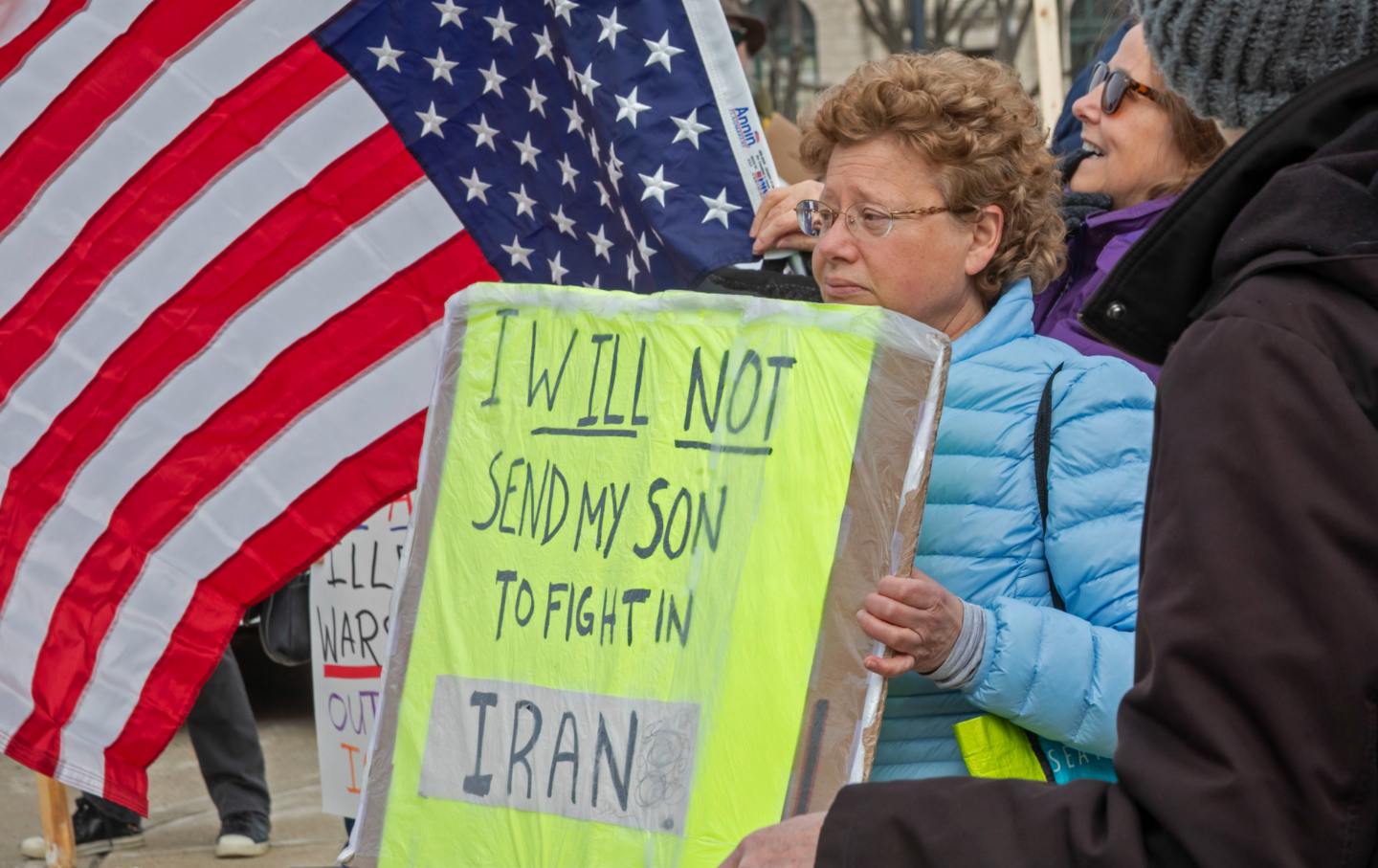
Now an undeclared, unauthorized, unpopular, and unconstitutional war of aggression against Iran has spread like wildfire through the region and into Europe. A new “forever war”—with an ever-increasing likelihood of American troops on the ground—may very well be upon us.
As we’ve seen over and over, this administration uses lies, misdirection, and attempts to flood the zone to justify its abuses of power at home and abroad. Just as Trump, Marco Rubio, and Pete Hegseth offer erratic and contradictory rationales for the attacks on Iran, the administration is also spreading the lie that the upcoming midterm elections are under threat from noncitizens on voter rolls. When these lies go unchecked, they become the basis for further authoritarian encroachment and war.
In these dark times, independent journalism is uniquely able to uncover the falsehoods that threaten our republic—and civilians around the world—and shine a bright light on the truth.
The Nation’s experienced team of writers, editors, and fact-checkers understands the scale of what we’re up against and the urgency with which we have to act. That’s why we’re publishing critical reporting and analysis of the war on Iran, ICE violence at home, new forms of voter suppression emerging in the courts, and much more.
But this journalism is possible only with your support.
This March, The Nation needs to raise $50,000 to ensure that we have the resources for reporting and analysis that sets the record straight and empowers people of conscience to organize. Will you donate today?
Camille T. Dungy is the author of the book-length narrative Soil: The Story of a Black Mother’s Garden; four collections of poetry, including most recently Trophic Cascade; and the essay collection Guidebook to Relative Strangers. She edited Black Nature: Four Centuries of African American Nature Poetry and co-edited From the Fishouse: An Anthology of Poems that Sing, Rhyme, Resound, Syncopate, Alliterate, and Just Plain Sound Great. Dungy is the current poetry editor for Orion magazine. Dungy’s other honors include the 2021 Academy of American Poets Fellowship, a 2019 Guggenheim Fellowship, an American Book Award, and fellowships from the National Endowment of the Arts in both prose and poetry. She is a university distinguished professor at Colorado State University, in Fort Collins.