
A Motto for All Health Workers: Resist, Resist, Resist
Doing our work and keeping our heads down isn’t a victory. We need to fight this regime every day, in every way.
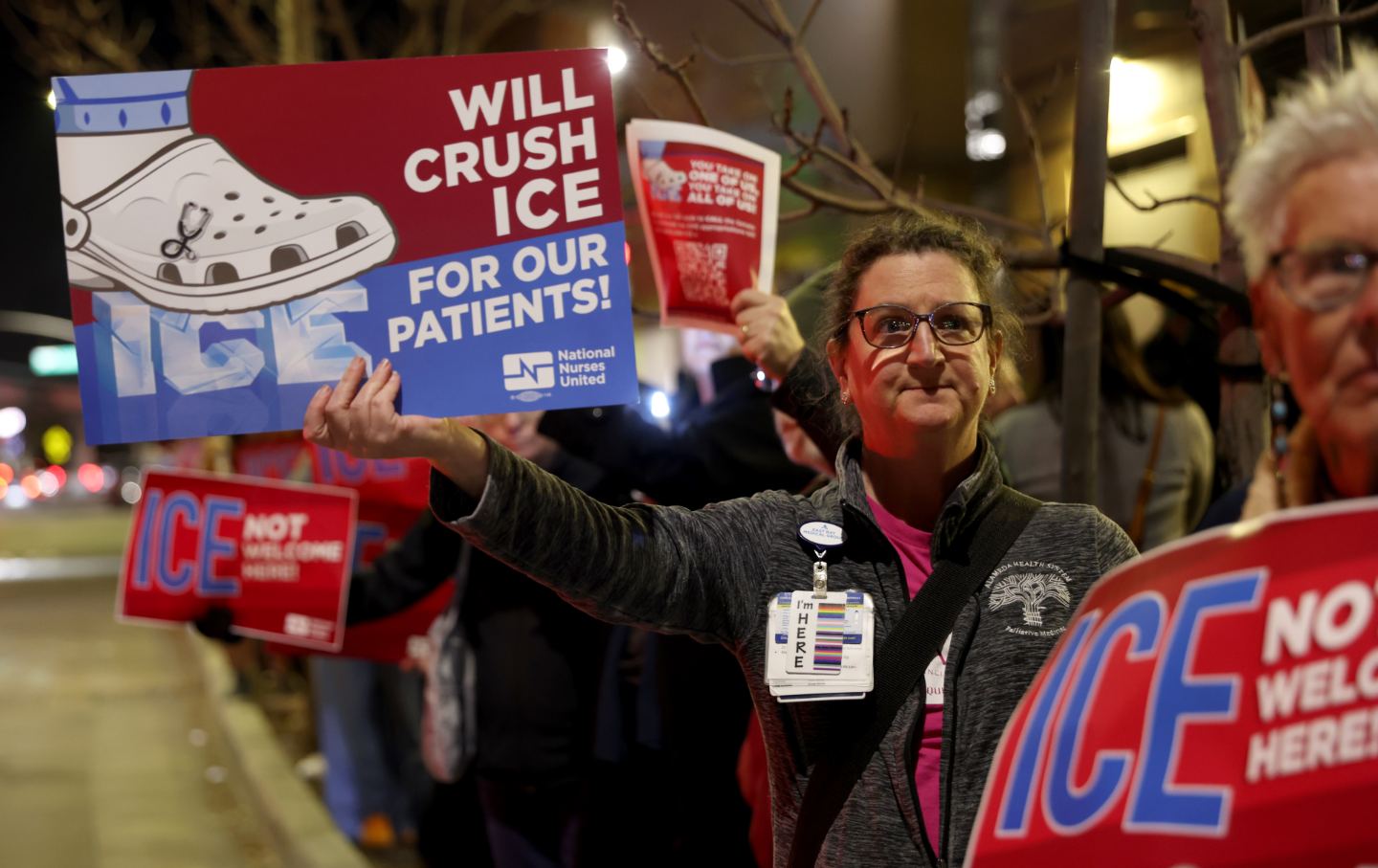
Nurse practitioner Sarah Malin-Roodman attends a protest outside of UCSF Benioff Children’s Hospital Oakland in Oakland, California, on Monday, January 26, 2026.
(Jane Tyska / Digital First Media / East Bay Times via Getty Images)Iwas in a work-related conversation with colleagues recently and someone just said it out loud: We are in terrible times, the kind you read about in history books.
People are being killed, disappeared from our streets, whisked away to foreign shores, or held in crowded, filthy, inhumane detention centers. If and when they are released, they are dropped off far from home, often without their belongings, with no proper clothing in the cold of winter. People fear for their safety, stay in their homes, take their children out of school, stop going to the doctor, stop riding the bus. This is a world of terror.
All of this is thanks to a regime devoted to a twisted version of Christianity, to rank racism, misogyny, homophobia, sheer greed, and a lavish taste for cruelty for its own sake. What are scientists, clinicians, and public health practitioners supposed to do in this moment? What use is research when our patients might be deported tomorrow? Why try to stem the tide of outbreaks when the world has fallen apart?
This is why: because even in these times, enlarging the scope of human knowledge matters. The search for cures still matters. The fate of individual patients still matters. The containment of infectious diseases still matters.
But it isn’t enough. Doing our work and keeping our heads down isn’t a victory, and it is not resistance. Our position in the “zone of interest” may keep some of us away from direct contact with the terror outside, but we can hear the screams and cries now of those affected, beamed to us through our phones, our televisions, and the radio as we drive to work. We cannot say we do not know what is happening across this country. And yes, silence is complicity.
I know it’s very easy for me to say these things, sitting as a professor at a wealthy university, in a very blue city in a very blue state. I am not asking people to take risks that would jeopardize their own safety and well-being—though many have in Minneapolis, in Los Angeles, in Portland, in Chicago. We know the stories of Renee Good and Alex Pretti.
But there has to be a new baseline. Those of us who work in health have a larger responsibility to our patients and our communities. Our disciplines are applied, not theoretical. They are about real people, whether the individuals in our clinics or the people in the cities, towns, and neighborhoods that we serve. The institutions we work for don’t make it easy. Many are “complying in advance.” Hospitals are opening the doors to ICE, shutting down gender-affirming care, while universities are capitulating or appeasing, shuttering programs that the administration doesn’t like, cowering in fear rather than standing up. It makes doing the right thing harder to do. Things aren’t completely bleak: many state health departments are collectively organizing to resist the attacks on vaccines and other areas of public health. And in the fall, as the administration made sweeping demands in a “Compact for Academic Excellence in Higher Education,” from “changes in hiring to admissions, altering campus culture and shrinking foreign student enrollment,” few colleges and universities signed up to commit institutional suicide at the instruction of the president. But it still isn’t enough.
Those of us in public health, science, and healthcare have to organize ourselves in two ways. First, find ways you can resist in your spare time. Groups like Stand Up for Science, Defend Public Health, and Health in Partnership offer an outlet for this work. Second, we need to organize inside our institutions, particularly the ones that have shown their willingness to cave to Trump. National Nurses United is a powerful force for change, but other healthcare professionals and researchers have to find a way to stand up to their bosses.
Doctors who understand that their high-status jobs don’t protect them from exploitation are unionizing, but not fast enough or at a sufficient scale. University faculty need to unionize or organize as well. The American Association of University Professors has a firm base within public institutions. But at private universities like mine, many professors don’t yet see the value in organizing, even as university governance is being consolidated in the trustees, with those in administration looking upward for orders, rather towards any shared model of decision making with faculty.
But what happens in the day-to-day for us? As the German writer Victor Klemperer said: “It’s not the big things that are important, but the everyday life in tyranny, which may be forgotten. A thousand mosquito bites are worse than a blow on the head. I observe, I note, the mosquito bites.” As Klemperer did, we can bear witness and record the history we are watching unfold in front of our eyes. When the gaslighting and revisionism come in this moment’s wake, when people suggest it wasn’t so bad, when they turn around and lie about their direct involvement or complicity during this era, we can take out our notes. Any of us who can should figure out a way to have our stories saved for posterity.
We also have the ability to throw sand in the gears. Tell that ICE officer to get out of the examining room. Speak up for scientists and researchers whose work is being targeted at your institutions. Stand up for departments under siege. Do not let your students face harassment or worse alone. Show up for hearings to stop MAHA zealots from undermining vaccine access in your town or your state. Dig in where you live and work. As the “mosquito bites” accumulate, swat away as many as you can.
These local, minor acts of resistance may seem like little solace, but they matter as much as the larger work we need to be part of. The Russians have called this “the politics of small deeds” since the 19th century. Do not let them take away your capacity to care, make you give up, turn away. There is too much at stake. As another Russian writer said: “The line separating good and evil passes not through states, nor between classes, nor between political parties—but right through every human heart.”
Support independent journalism that does not fall in line
Even before February 28, the reasons for Donald Trump’s imploding approval rating were abundantly clear: untrammeled corruption and personal enrichment to the tune of billions of dollars during an affordability crisis, a foreign policy guided only by his own derelict sense of morality, and the deployment of a murderous campaign of occupation, detention, and deportation on American streets.
Now an undeclared, unauthorized, unpopular, and unconstitutional war of aggression against Iran has spread like wildfire through the region and into Europe. A new “forever war”—with an ever-increasing likelihood of American troops on the ground—may very well be upon us.
As we’ve seen over and over, this administration uses lies, misdirection, and attempts to flood the zone to justify its abuses of power at home and abroad. Just as Trump, Marco Rubio, and Pete Hegseth offer erratic and contradictory rationales for the attacks on Iran, the administration is also spreading the lie that the upcoming midterm elections are under threat from noncitizens on voter rolls. When these lies go unchecked, they become the basis for further authoritarian encroachment and war.
In these dark times, independent journalism is uniquely able to uncover the falsehoods that threaten our republic—and civilians around the world—and shine a bright light on the truth.
The Nation’s experienced team of writers, editors, and fact-checkers understands the scale of what we’re up against and the urgency with which we have to act. That’s why we’re publishing critical reporting and analysis of the war on Iran, ICE violence at home, new forms of voter suppression emerging in the courts, and much more.
But this journalism is possible only with your support.
This March, The Nation needs to raise $50,000 to ensure that we have the resources for reporting and analysis that sets the record straight and empowers people of conscience to organize. Will you donate today?
More from The Nation
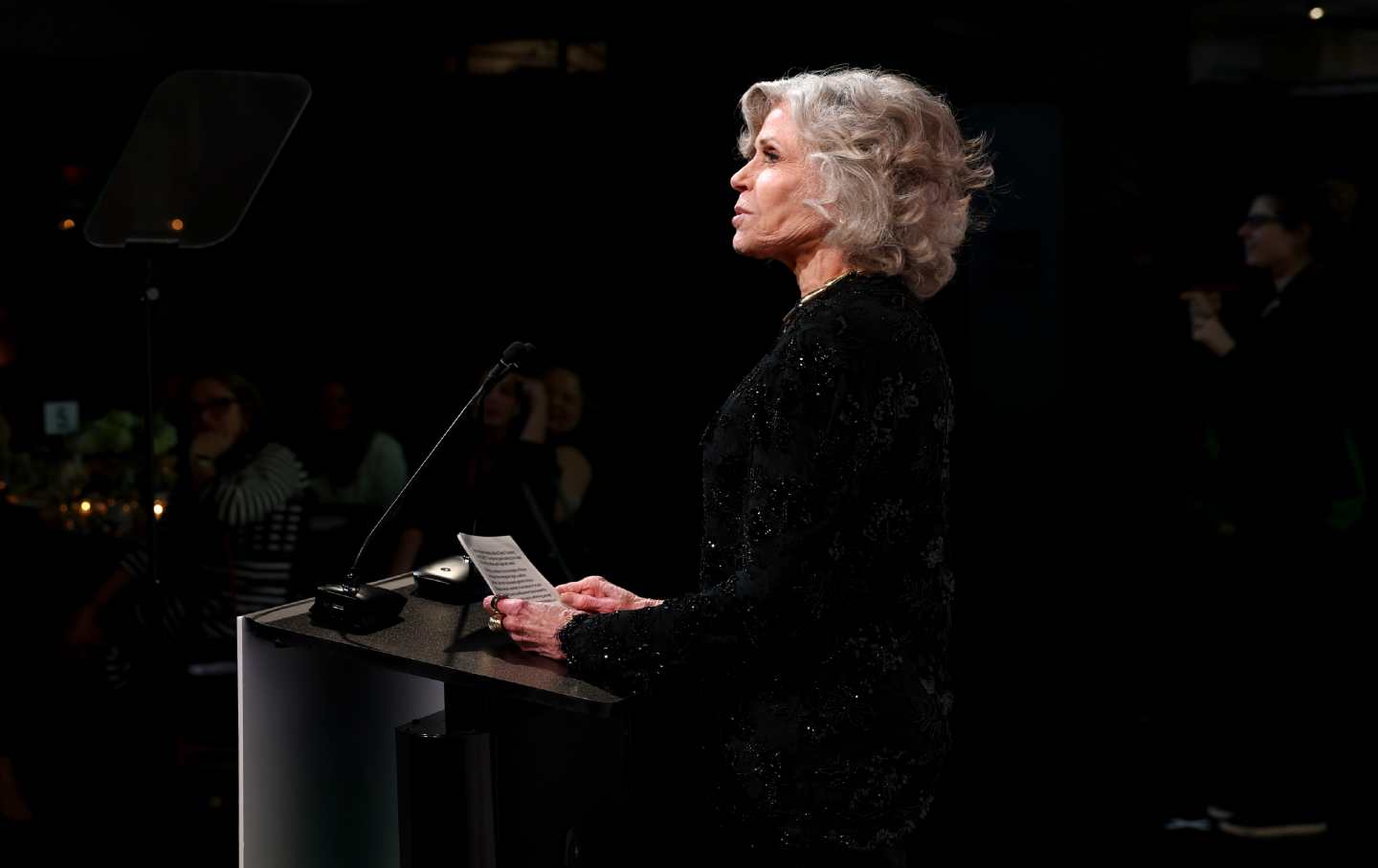
How Jane Fonda Is Rethinking the Hollywood Resistance How Jane Fonda Is Rethinking the Hollywood Resistance
The actress’s revived Committee for the First Amendment is taking aim at industry mergers as well as threats to the freedom of expression.
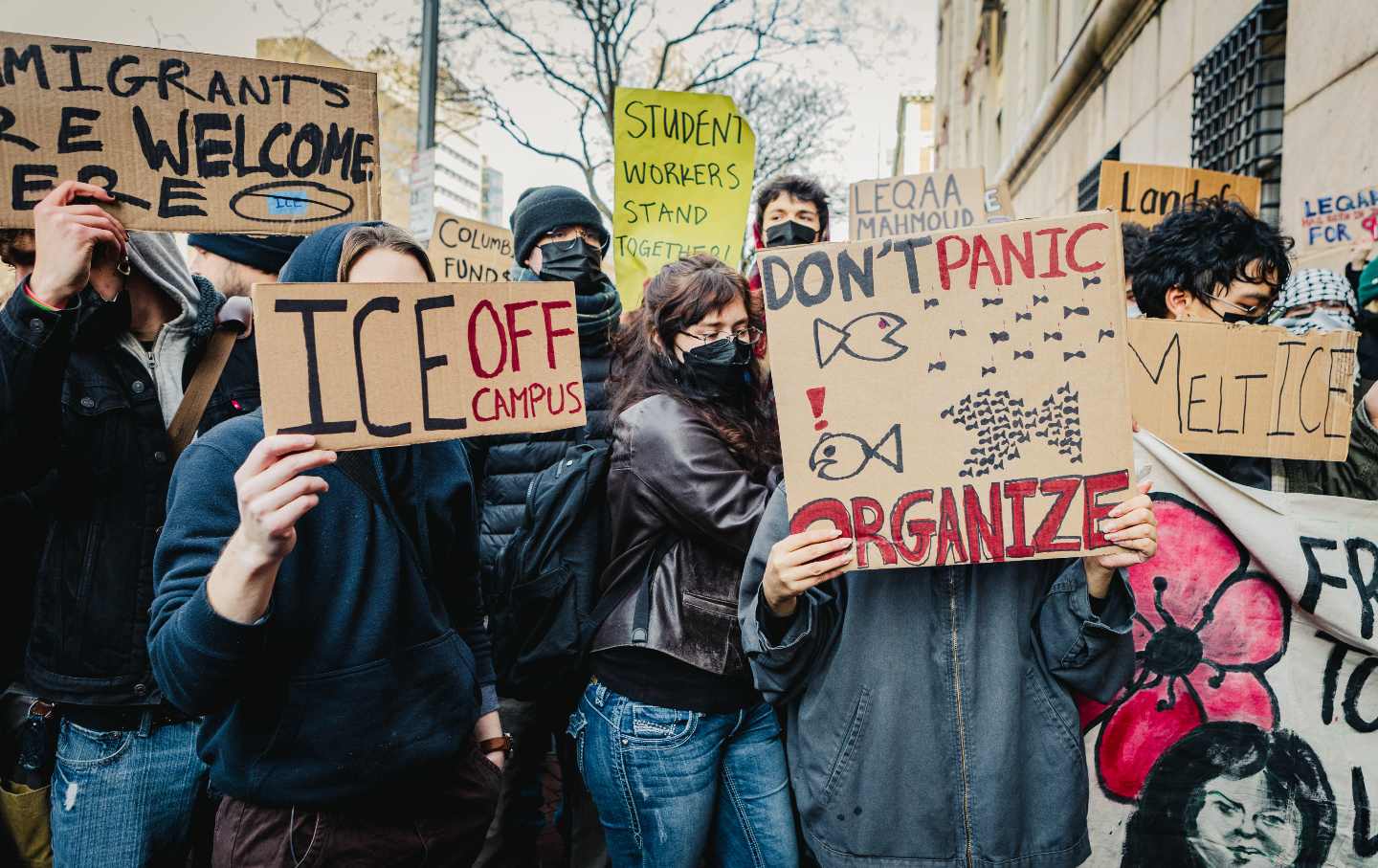
Inside the “ICE Off Campus” Movement Inside the “ICE Off Campus” Movement
Amid repression from the Trump administration, students nationwide are forming alliances with faculty groups, unions, and alumni to protect undocumented and international students...
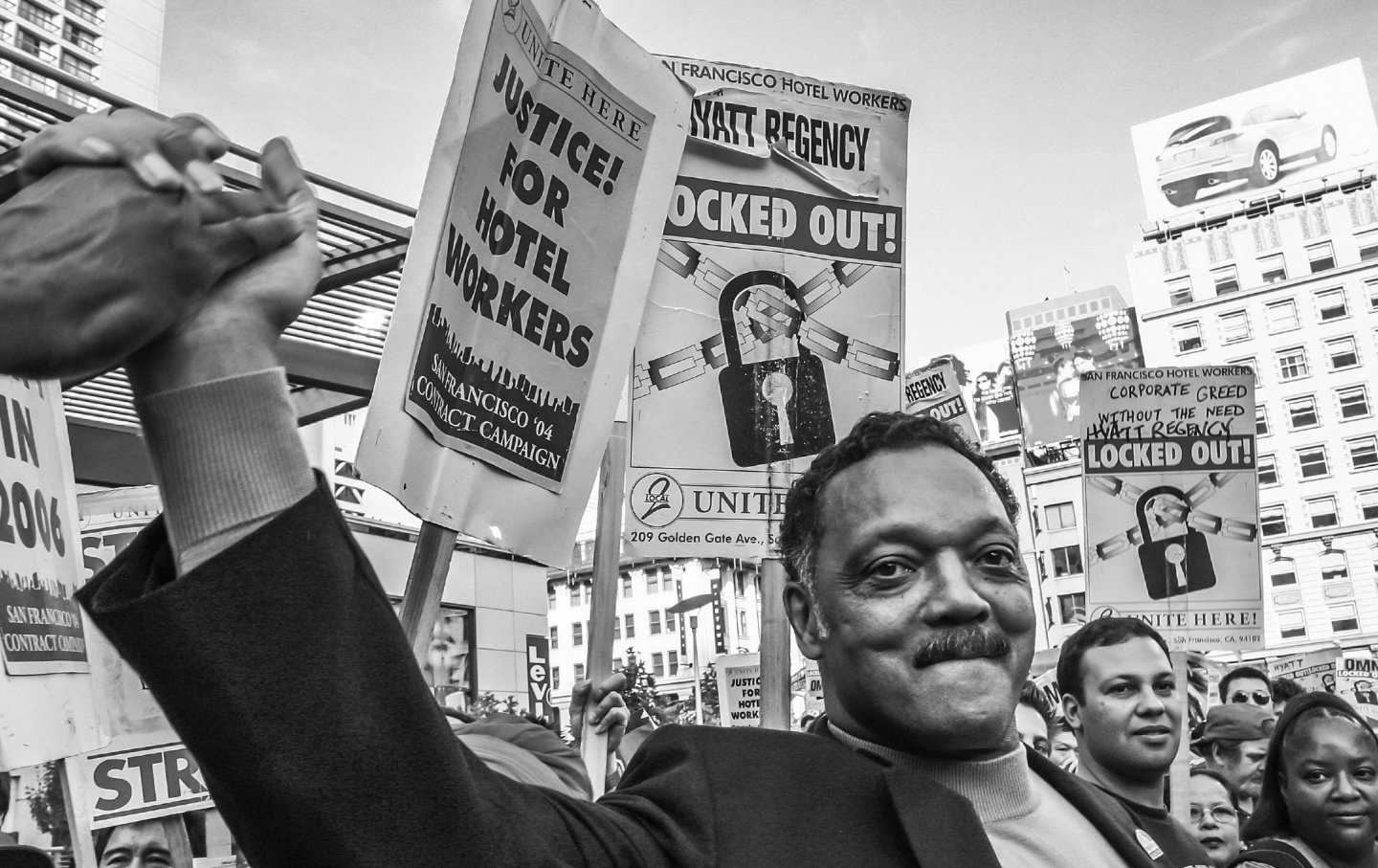
Jesse Jackson Still Provides Light in These Dark Times Jesse Jackson Still Provides Light in These Dark Times
We would be wise to follow the path he forged.
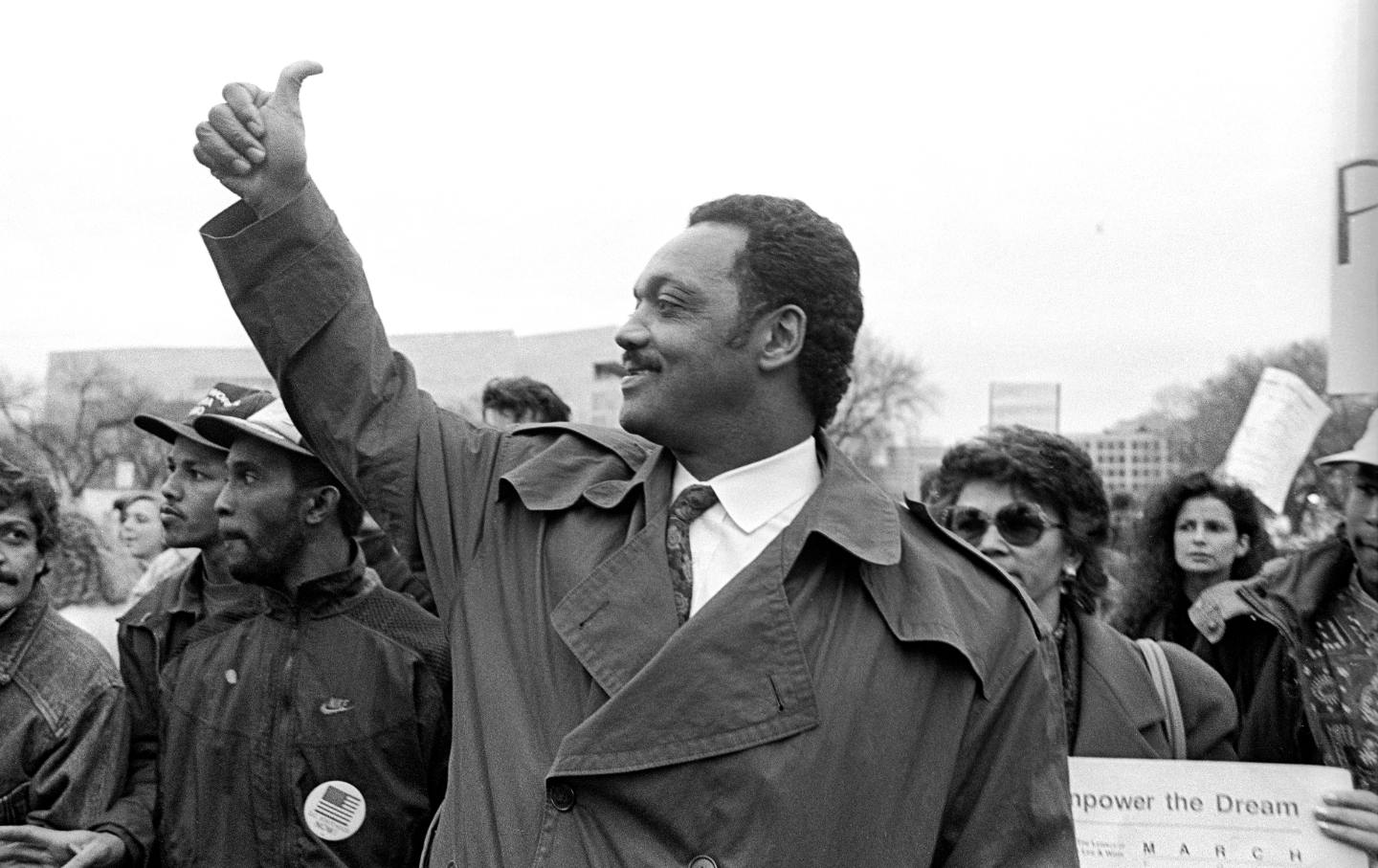
Jesse Jackson Gave Peace a Chance Jesse Jackson Gave Peace a Chance
The iconic civil rights leader, who has died at 84, made anti-war and pro-diplomacy politics central to his presidential bids and his lifelong activism.
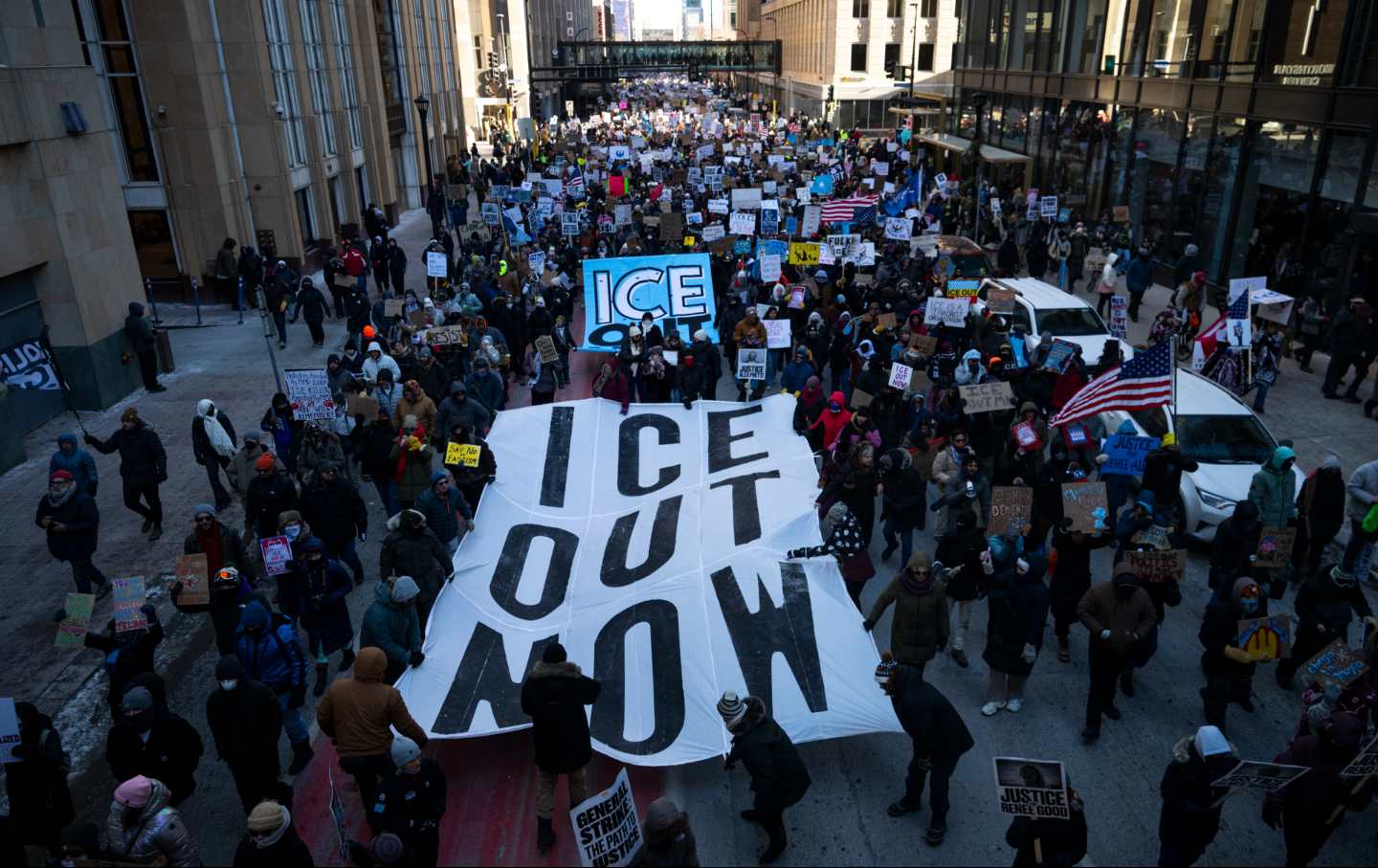
ICE Melts in the Minneapolis Winter ICE Melts in the Minneapolis Winter
Now it’s time to abolish the agency and impeach Kristi Noem.
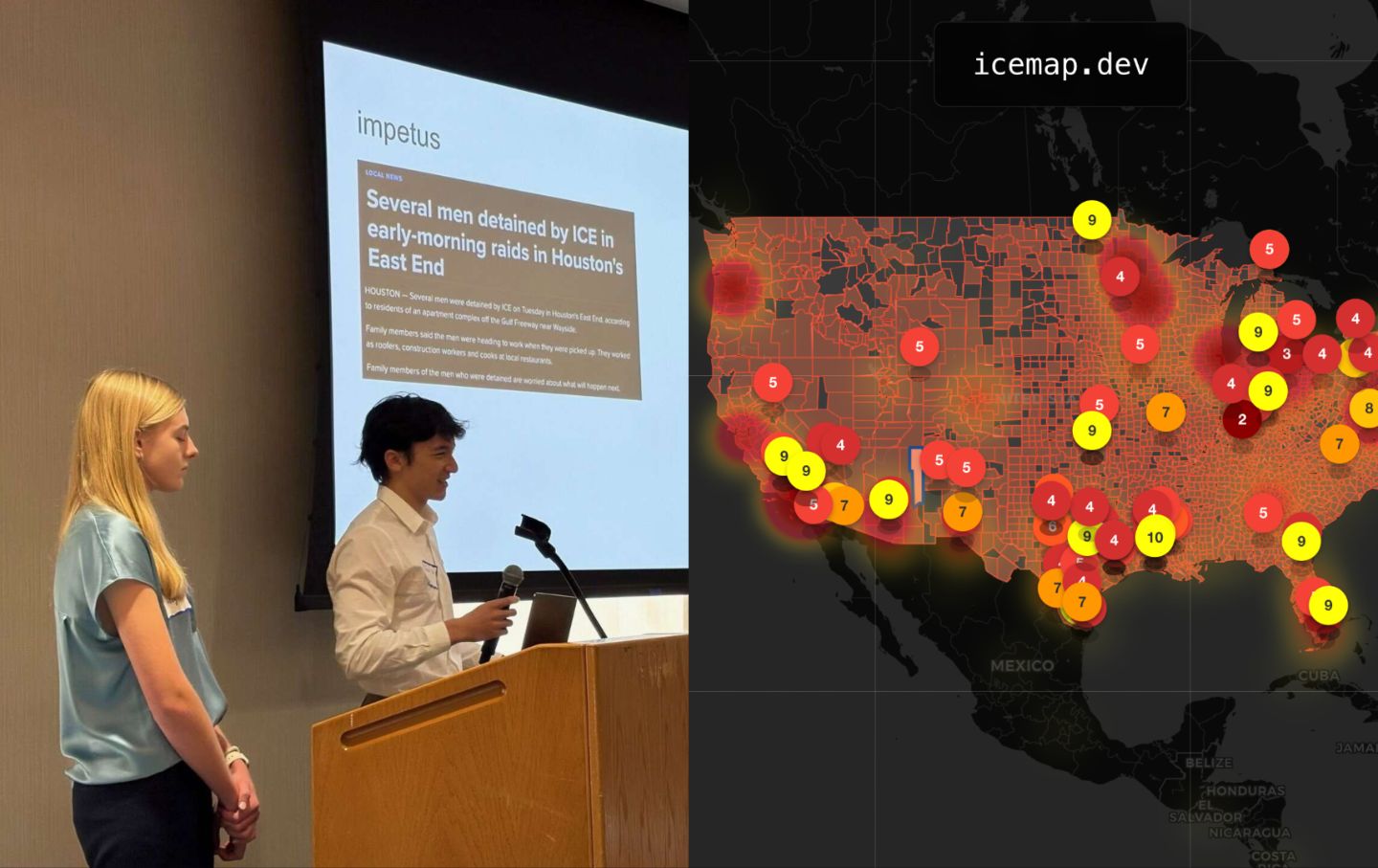
How 2 University Freshman Are Tracking ICE Enforcement Actions Across the Country How 2 University Freshman Are Tracking ICE Enforcement Actions Across the Country
With ICE Map, Rice University students Jack Vu and Abby Manuel hope to help communities understand where immigration enforcement activity is happening and how it unfolds in real t...

