As Global Drought Deepens—Climate Change Kills by a Thousand Cuts
Like climate change in general, drought acts as a “threat multiplier,” and making the drought-climate connection helps audience grasp its wide-ranging impacts.
Unlike climate change–fueled hurricanes, floods, and other weather disasters that wreak fast and obvious havoc, drought sneaks into our lives more slowly—eroding the resources needed to live daily life. And with 2026 expected to be the hottest year in recorded history, thanks in part to an extraordinarily powerful El Niño, the coming months will bring a deadly combination of extreme heat and extreme drought that we as journalists need to explain to our audiences and public officials so they can respond accordingly.
While droughts have always been a part of human history, climate change is creating conditions that expand, intensify, and extend their impact. Last year, drought affected one-third of the planet—caused not by a lack of rainfall but rather the fact that a warmer atmosphere is substantially “thirstier.” As temperatures rise, evaporative demand increases, pulling more moisture from streams, reservoirs, soils, and plants, making drought more likely, and harder to recover from. Recent research estimates that by 2050, drought will lead to a 20 percent reduction in crop production across two dozen countries, leading to a death toll of over 3 million—far outpacing other weather-related fatalities connected to tropical systems.
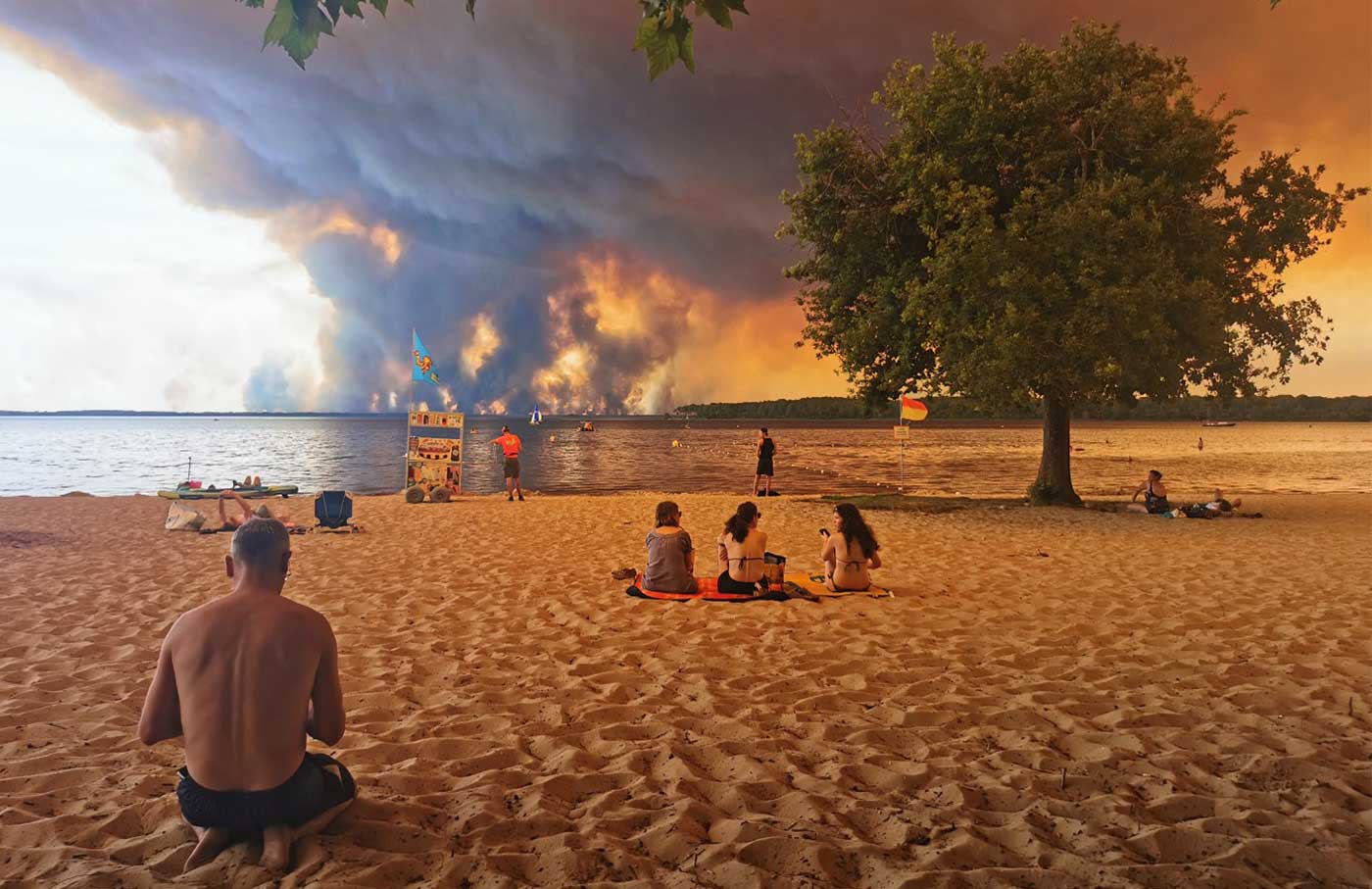
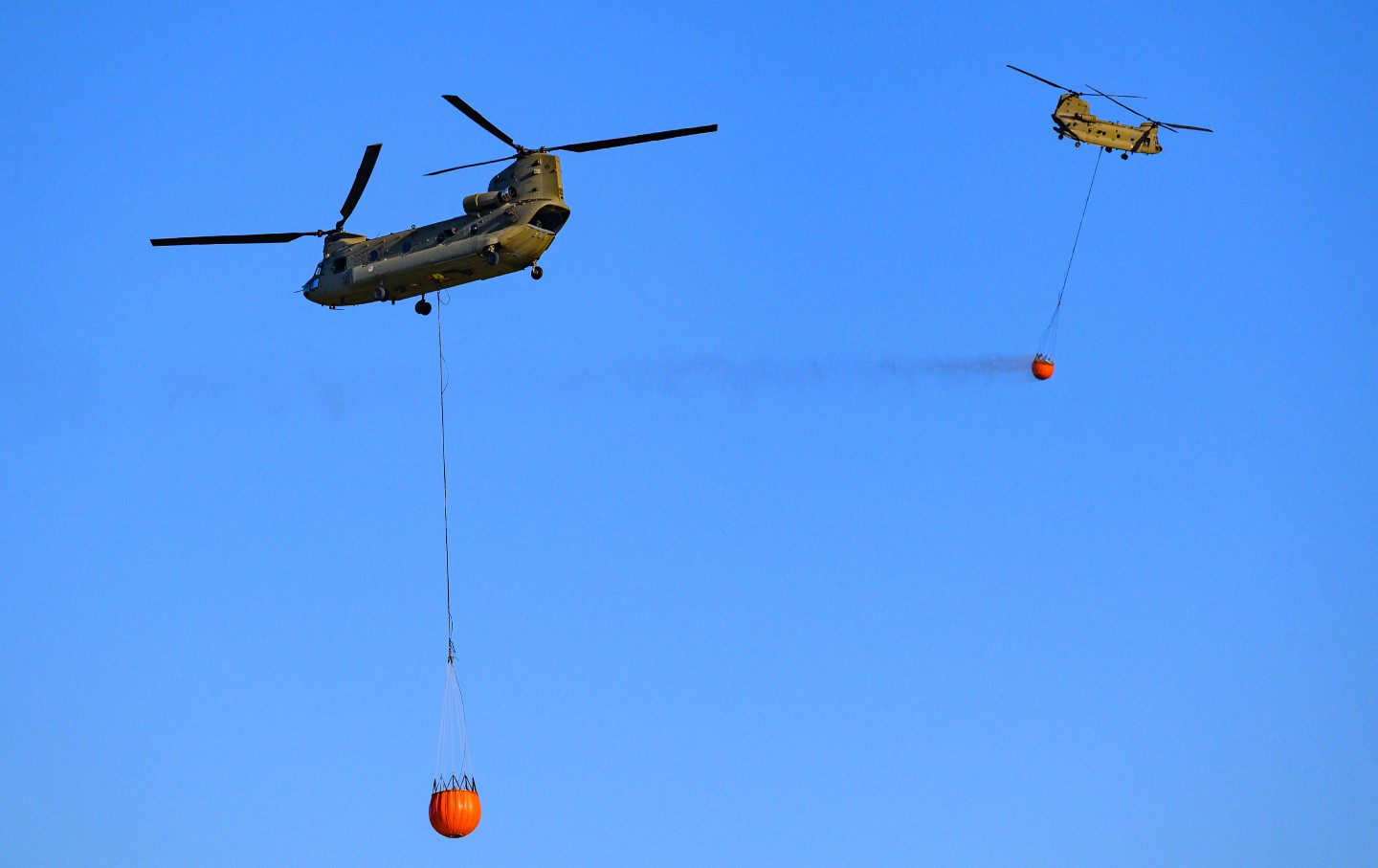
In the United States, nearly half the population is already feeling the effects, battling drought after a particularly dry winter and an excessive heat event found to be “virtually impossible” without climate change. This is not just a weather story; like climate change in general, drought acts as a “threat multiplier.” Already, for example, dry vegetation coupled with little seasonal snow and rain have kicked off an early wildfire season across the US, Europe, and Southeast Asia—signaling a long, more dangerous season ahead.
This year’s anticipated “super El Niño” will further disrupt temperature and precipitation patterns, creating more devastating droughts and wildfires. Months of drought triggered by the previous El Niño in 2024 created “the worst food crisis in decades” in Southern Africa and amplified wildfires in the Amazon, emitting more heat-trapping gases. This year’s El Niño may well have even more punishing impacts. Climate scientist James Hansen estimates that it may drive global temperatures to 1.7 degrees Celsius above preindustrial levels—further intensifying that atmospheric thirst.
While droughts are notoriously complex phenomena, making the climate connection in your drought coverage needn’t be complicated. To help audiences comprehend the far-reaching impacts of climate change, consider including a sentence like this: Warming temperatures are changing the dynamics of drought and amplifying its effects on water resources, food supplies, wildfires, and ecosystems. To understand how drought manifests in your area and what is needed to resolve it, interview a meteorologist or hydrologist at your local weather or climate office. Understand that while a good soaking rain may alleviate some immediate fire risks and garden woes, droughts are often not resolved overnight.
Droughts are complicated and their impacts are systemic—varying by region and dependent not only on meteorological factors but also on how humans manage land and water resources. The best coverage will reflect that reality.
Become a Sustaining Donor This September
Between the reemergence of right-wing red-baiting and Donald Trump’s use of the chilling National Security Presidential Memorandum–7 to criminalize left political organizing, we’re seeing McCarthyism reborn before our eyes.
This assault on democracy cannot be ignored or wished away. Resisting it requires bravery in the face of threats and repression, a steadfast commitment to the truth, and the unwavering belief that we can—and will—overcome this darkness.
We must have an independent media that sets the record straight, unearths corruption and abuses of power, and advances a politics of justice and dignity for all if we’re to win this fight.
That’s why I’m writing to you today. This September, The Nation needs to add 100 monthly donors to sustain our progressive journalism. Your contribution makes the next investigative report, the next truth-speaking column, and the next pathbreaking essay all possible.
I hope you’ll support our work with a recurring donation today. If you donate $10 or more a month, we’ll send you a brand new “Hands Off the Free Press!” sticker to recognise your commitment to our cause. Please, donate today.
Onward,
Katrina vanden Heuvel
Editor and Publisher, The Nation