
The Left Must Build Its Infrastructure
We need to look not at what it will take to win the next election, but what it’ll take to win the next 10 elections.

On Saturday, October 18, more than 7 million people took to the streets in thousands of events across the country, proudly declaring that we have no kings in America. Aerial camera shots of throngs of people marching down the streets of Chicago, New York, Boston, and Atlanta gave me chills. But similar pictures coming out of Billings, Montana; Boise, Idaho; and Hammond, Louisiana (where Trump won in 2024), as well as Richmond, Kentucky (where he won the last three elections), gave me hope. There is an abundance of energy to fight Trump and build a bigger, better, more ambitious democracy that works for everyone. Trump may have won the popular vote (barely), but he is not popular, and if we can capitalize on that, we can secure what historians call the U-turn from autocracy.
That emphasized clause is the most important one: Can we capitalize on the energy? Right now, I’m not so sure. Consider that on Sunday, October 19, marchers went back to business as usual. They made their kids pancakes, put their protest signs outside with the trash, and went on with their normal fall weekend plans.
It is not a hot take at this point, but simply a statement of fact: The Democratic Party and the broader pro-democracy movement have failed to build a sustained infrastructure that can turn meaningful mobilizations like No Kings into long-term power. We have no civic-engagement infrastructure that connects the dots between the marches on Saturday and the nuts-and-bolts local engagement that must happen every other day in order to sustain a win.
As cofounder and president of Run for Something, an organization that recruits and supports young, diverse leaders running for local office all over the country, I’ve seen firsthand the impact that this failure has had on our politics. And I have been trying for most of the last decade to be part of the solution. Run for Something maintains the largest candidate pipeline in politics, with nearly a quarter-million people raising their hands to run for office in all 50 states since we launched in 2017. (Notably, over 70,000 of those leaders have signed up in the past year—more than in the entirety of Trump’s first term.)
We work exclusively with first-time candidates running for local office. And we are one of the few national groups that dig in with leaders on the front lines, especially those doing communication and organizing work in red and purple areas. We’re looking beyond what it will take to win the next election and toward winning the next 10 elections. To that end, Run for Something has laid out an ambitious five-year, $50 million plan to invest deeply in a dozen states, including places like Idaho, Louisiana, Mississippi, and Utah, in order to prepare for the eventual upheaval of the battleground map after the 2030 Census.
I firmly believe that local candidate recruitment and support—especially for leaders who bring next-generation energy, optimism, and communication skills with them—is a necessary component of the work we must do to turn energy into power. But this alone is not sufficient.
Run for Something aims to be the bridge between those marching and those running. We need others to join us in creating more connections. We need both national and local groups to do the explicit political work as well as the gentler but even more crucial relationship-building. It sounds almost silly to say it this bluntly, but we need people to start and sustain group chats that can then be used for organizing a neighborhood block party one week and an ICE watch system the next.
Our side needs to take big swings on all kinds of big ideas. We need investments in local media, whether it’s by funding the newsrooms directly or underwriting their subscriptions (or both). We need to open affordable indoor playgrounds that city council candidates can table at, set up gyms with on-site facilitators for men’s groups, and sponsor content creators who do interesting and engaging storytelling without having to compromise those values. We should be sending people resources to host their neighbors for dinner, holding food drives, and more.
This kind of work is mostly boring. It will take years, or maybe decades, to accomplish, and it typically does not come with a “return on investment” or similar metric that you can measure and incorporate into a deck or a grant report.
But if we sustain this connective-tissue engagement for decades, we won’t need to spend billions of dollars to win elections, because we won’t be starting from scratch.
It may seem frustrating to know that, as inspiring as the No Kings marches were, they will not end the crisis. But just as there is no single root cause of the autocratic hellscape we’re in, there is no single solution—no one action, hero, protest, or election—that will secure lasting change. We are up against decades of organized, strategic investment in power by the right; that means our response has to be just as organized, strategic, and long-term.
We don’t need one sparkly unicorn to save us. Instead, we need an unending stampede of high-spirited horses.
Become a Sustaining Donor This September
Between the reemergence of right-wing red-baiting and Donald Trump’s use of the chilling National Security Presidential Memorandum–7 to criminalize left political organizing, we’re seeing McCarthyism reborn before our eyes.
This assault on democracy cannot be ignored or wished away. Resisting it requires bravery in the face of threats and repression, a steadfast commitment to the truth, and the unwavering belief that we can—and will—overcome this darkness.
We must have an independent media that sets the record straight, unearths corruption and abuses of power, and advances a politics of justice and dignity for all if we’re to win this fight.
That’s why I’m writing to you today. This September, The Nation needs to add 100 monthly donors to sustain our progressive journalism. Your contribution makes the next investigative report, the next truth-speaking column, and the next pathbreaking essay all possible.
I hope you’ll support our work with a recurring donation today. If you donate $10 or more a month, we’ll send you a brand new “Hands Off the Free Press!” sticker to recognise your commitment to our cause. Please, donate today.
Onward,
Katrina vanden Heuvel
Editor and Publisher, The Nation
More from The Nation
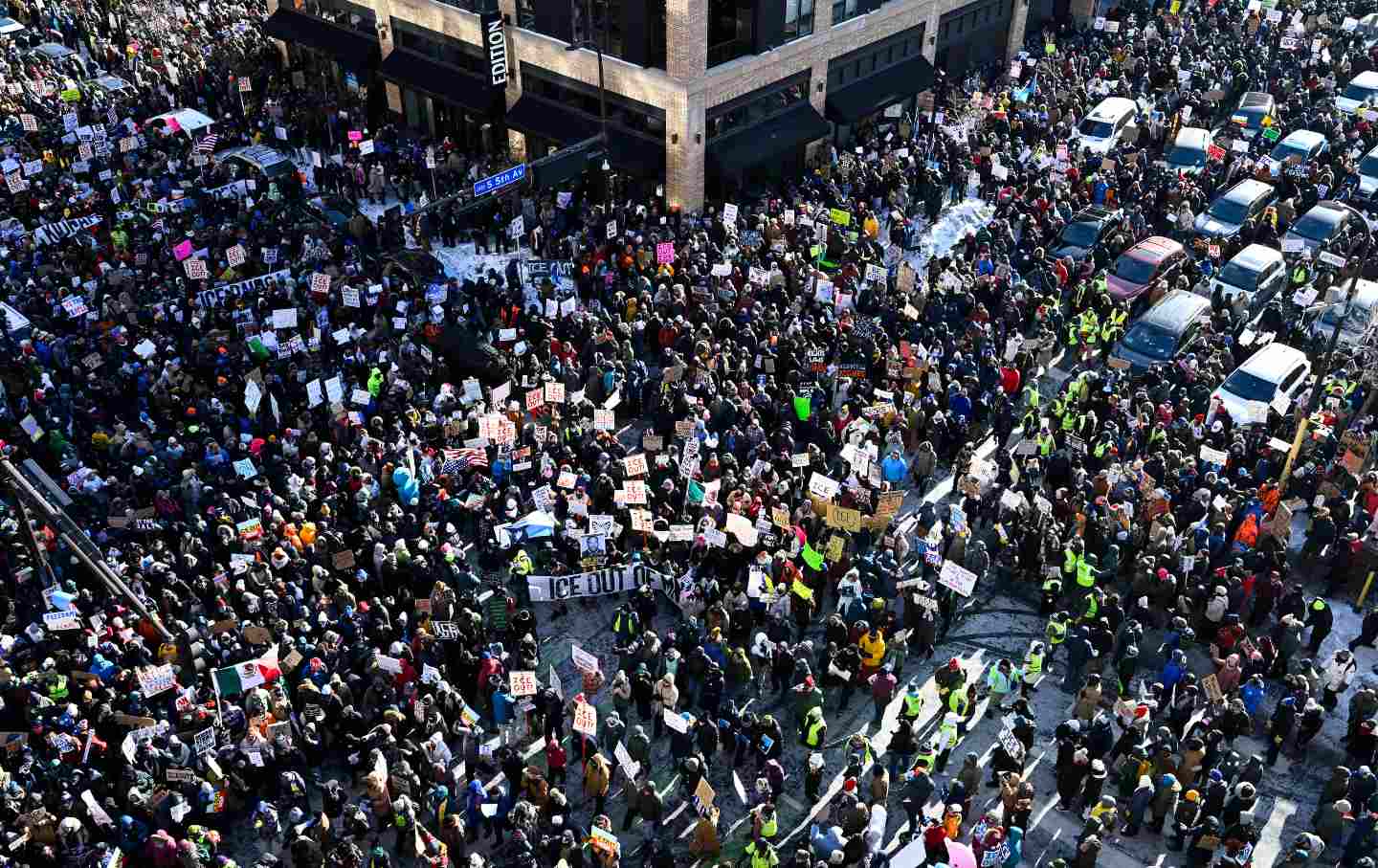
The Impossible Will Take a Little While: The Power of Persistence The Impossible Will Take a Little While: The Power of Persistence
In troubled times, history offers a lesson: Seemingly impossible change can begin with ordinary people who refuse to give up.
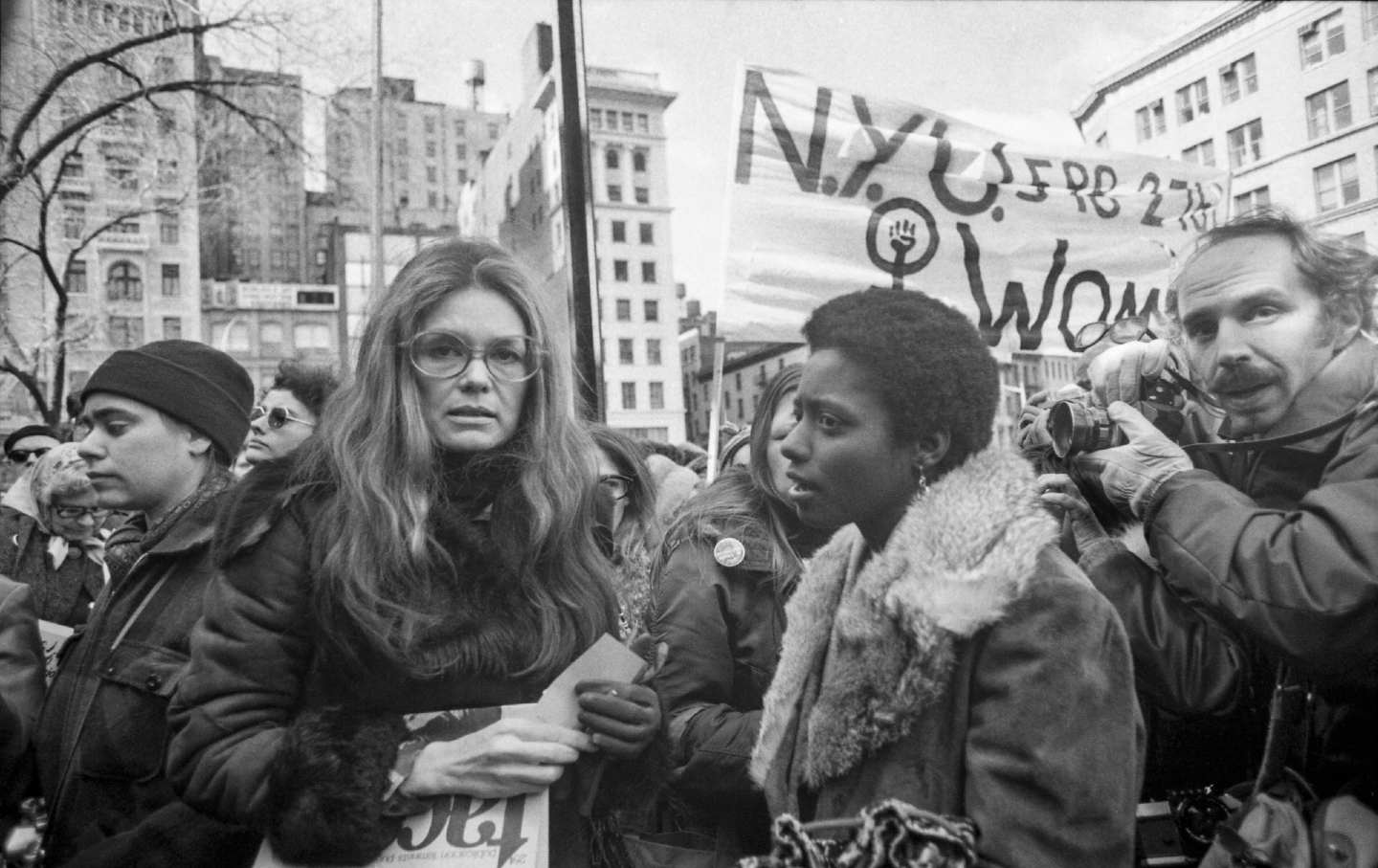
Gloria Steinem’s Many-Splendored Feminist Life Gloria Steinem’s Many-Splendored Feminist Life
The feminist icon lived the struggle for gender equality and always found time to lend support and solidarity to other women leaders, even in her final days.
No, Woke 1 Was Not Crazy No, Woke 1 Was Not Crazy
AOC and others are laughing off 2020 as a wild, isolated moment. None of that is true.
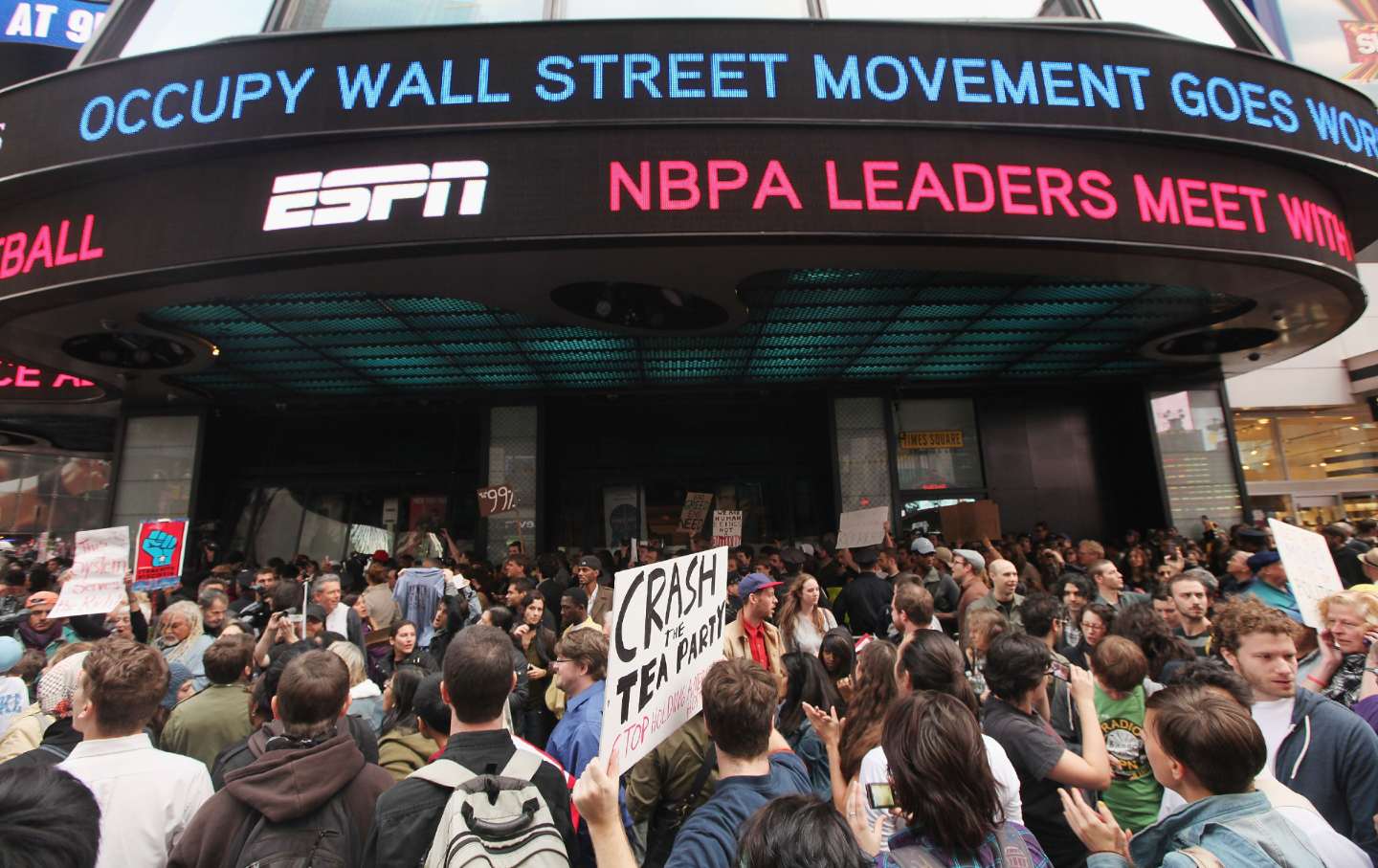
How Occupy Wall Street Still Explains Politics Today How Occupy Wall Street Still Explains Politics Today
It sowed the seeds for a new era of social movements—but its politics of powerlessness should act as a cautionary tale.
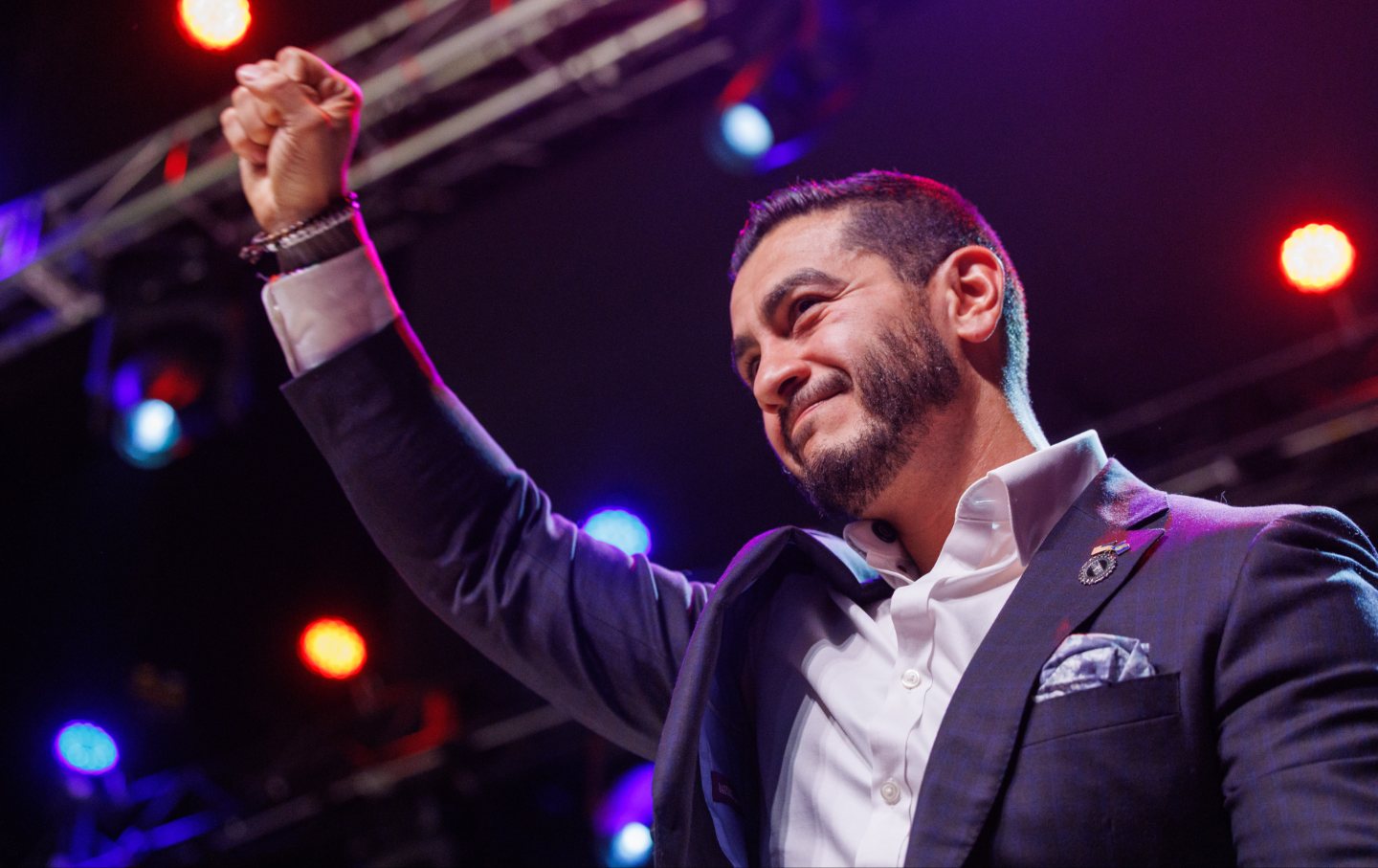
Abdul El-Sayed’s Win Is a Landmark. But the Fight Is Far From Over. Abdul El-Sayed’s Win Is a Landmark. But the Fight Is Far From Over.
Even though the Palestine movement is on the march, we can’t afford any complacency.
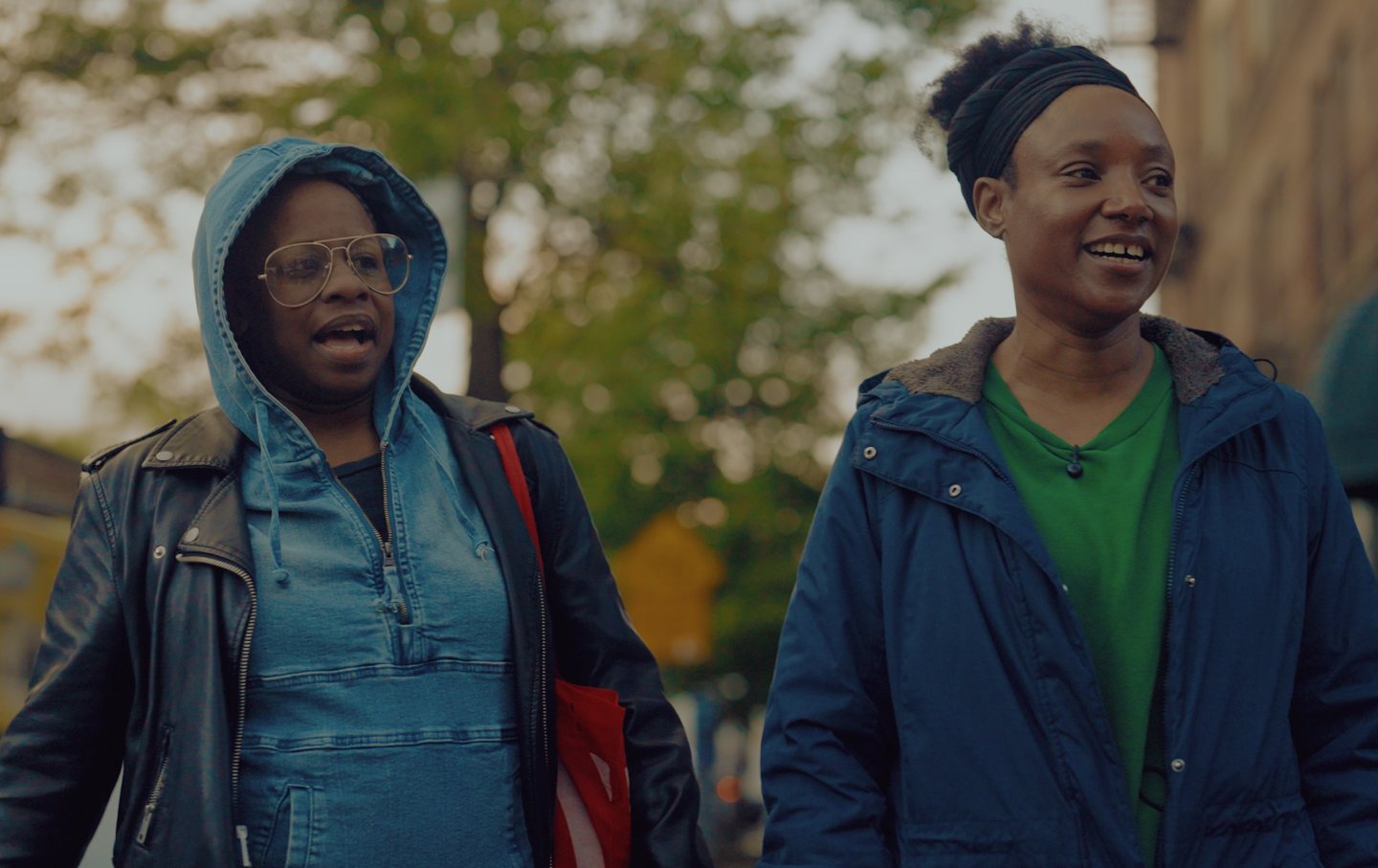
Mamdani’s Team Redefined Political Video. Now They’re Betting on Short Films. Mamdani’s Team Redefined Political Video. Now They’re Betting on Short Films.
Premiering exclusively in The Nation, a new short film produced by City Hall and narrated by Morgan Spector highlights the efforts of the biggest tenant-led union in New York City...

