
RFK Jr., American Psycho
He needs to go. Now.
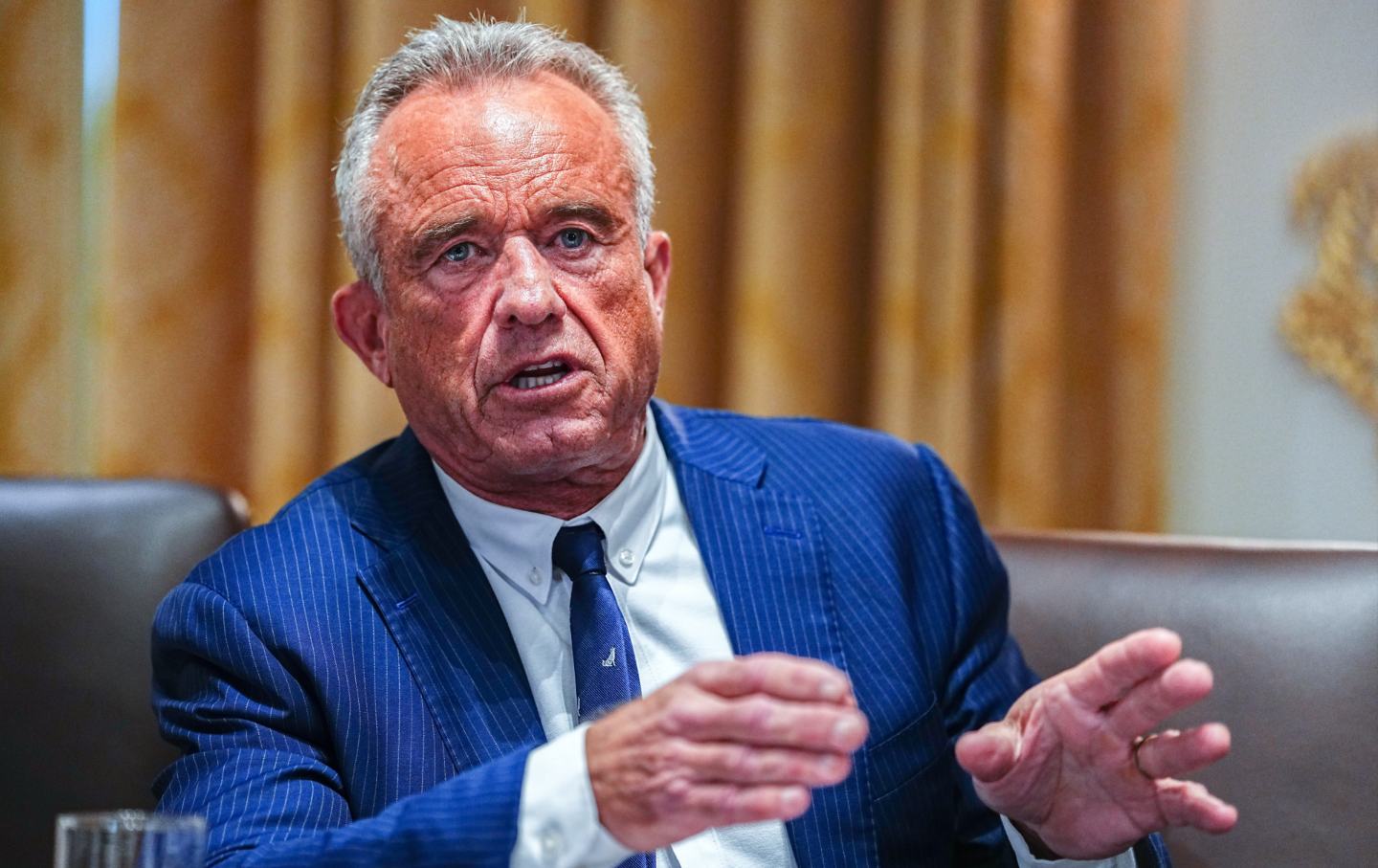
Robert F. Kennedy Jr., US secretary of Health and Human Services (HHS), during a cabinet meeting at the White House in Washington, DC, on Tuesday, August 26, 2025.
(Aaron Schwartz / CNP / Bloomberg via Getty Images)Who knows you better than the family you grew up with?
You might not remember the letter Caroline Kennedy wrote to the US Senate in January about Robert F. Kennedy Jr.—or “Bobby,” as she called him. But it was vitally important then, and it remains so now—because she was speaking not as a political actor but as RFK Jr.’s cousin, someone she grew up with and has known all her life.
Here’s Caroline Kennedy’s stark conclusion:
The American healthcare system, for all its flaws, is the envy of the world. Its doctors and nurses, researchers, scientists, and caregivers are the most dedicated people I know. Every day, they give their lives to heal and save others. They deserve a knowledgeable leader who is committed to evidence and excellence. They deserve a Secretary committed to advancing cutting-edge medicine to save lives, not rejecting the advances we have already made. They deserve a stable, moral, and ethical person at the helm of this crucial agency. They deserve better than Bobby Kennedy—and so do the rest of us.
Earlier in her letter, Kennedy said, “I have known Bobby my whole life; we grew up together. It’s no surprise that he keeps birds of prey as pets, because he himself is a predator.” These words are shocking; all the more so because this is one family member rendering this judgment about another family member. Imagine what it would take to talk like this, so publicly, about someone you have known forever.
We can’t say we weren’t warned—and the truth of Caroline Kennedy’s words rings louder with each passing day.
Last week at the US Centers for Disease Control and Prevention, we saw this predator in action.
Over the past few months, RFK Jr. has brought the internationally renowned agency to its knees. He has proposed cutting the agency’s budget by close to 50 percent, destroyed programs responsible for monitoring maternal health and lead poisoning of children in the US at CDC, disbanded the Center for Forecasting and Outbreak Analytics and the Division of Environmental Health Science and Practice within the National Center for Environmental Health, which is meant to keep our water safe to drink and address environmental causes of childhood asthma. In an article in April, reporters at Wired documented the thousands of CDC employees who had been laid off, endangering these programs and others serving millions of Americans.
But all of this was a mere prologue to the Wednesday Night Massacre at CDC last week, in which RFK Jr. tried to fire the new CDC director, Dr. Susan Monarez, whom he had selected to run the agency and had just been confirmed by the Senate earlier this summer.
The precipitating events here concern vaccines. Kennedy has been waging a full-scale campaign to destroy vaccination in the United States. Many who follow these issues will know about his purge of the CDC’s Advisory Committee on Immunization Practices (ACIP) and the installation of his cronies to take over the key body; the unilateral decision by RFK and his puppets, FDA’s Marty Makary and NIH’s Jay Bhattacharya, to yank Covid vaccines from children and pregnant women; and his cancellation of research on mRNA vaccines (including those targeted at preventing cancer).
But when Kennedy told CDC director Monarez she had to rubber-stamp the recommendations coming out of the upcoming September ACIP meeting—which would likely restrict access to Covid vaccines and subject a host of other important vaccines to the scrutiny of his new handpicked committee of incompetents and ideologues, as well as fire senior CDC staff with responsibility over vaccines—she said no. She also called Senate majority leader John Thune and Senators Bill Cassidy, Susan Collins, and Shelley Moore Capito to enlist their support.
This set in motion her dismissal by RFK Jr. However, Monarez rejected his authority to do this and hired two of the biggest lawyers in DC to fight for her. Many outside of CDC didn’t and don’t know Monarez, but in this moment, she has shown more courage and guts than anyone in the Trump administration to date.
And it didn’t stop there. Three senior staff— CDC chief medical officer Debra Houry, National Center for Immunization and Respiratory Diseases director Demetre Daskalakis, and National Center for Emerging and Zoonotic Infectious Diseases director Dan Jernigan—resigned together in protest. I urge people to read the resignation letters of all three of these former civil servants; along with Monarez, they have shown what courage and guts, self-sacrifice, and sense of duty mean in a time of universal moral degradation among our leaders.
By last Thursday afternoon, hundreds of CDC staffers had staged a clap-out, left their offices, and took to the streets to suppor Monarez, Houry, Daskalakis, and Jernigan. And the revolt has continued: This Wednesday, more than 1,000 current and former HHS staffers had signed a letter calling on RFK Jr. to resign.
While the CDC has been damaged considerably, and it will take years and years to rebuild, I think RFK Jr. miscalculated how much backlash his actions last week would face. The tactical brilliance of Houry, Daskalakis, and Jernigan’s coordinated resignations galvanized many in the public health world, and, more importantly, woke up politicians on both sides of the aisle who have slumbered during this long siege of the CDC. Even Bill Cassidy has found a spine and called for the September ACIP meeting to be postponed and for the recent firings to be scrutinized by his committee—though whether he’ll follow through or RFK Jr. will just ignore him as he has since his confirmation is yet to be seen.
Popular
“swipe left below to view more authors”Swipe →Within hours, columns and in-house editorials criticizing RFK Jr. appeared in the usually supine mainstream media, in The Washington Post, USA Today, and elsewhere, with USA Today’s Rex Huppke summing it up nicely: “RFK Jr. is an anti-vaccine kook destroying the CDC. Impeach him.” In The New York Times on Saturday, Bernie Sanders called for RFK Jr.’s resignation, and Maureen Dowd, who almost died of rubella when she was 3 years old, savaged Kennedy, his enablers like Cassidy, and his White House champions, notably Stephen Miller.
It is easy to frame what is happening now through the usual filter of politics, and the White House is eager to do so, making the critique of RFK Jr. just another partisan battle. But I want us to go back and sit with Caroline Kennedy’s letter:
His basement, his garage, and his dorm room were the centers of the action where drugs were available, and he enjoyed showing off how he put baby chickens and mice in the blender to feed his hawks. It was often a perverse scene of despair and violence.
Forget the drugs. Reflect on the pathology, the cruelty, the “perverse scene of despair and violence.” Ms. Kennedy paints a chilling picture. This isn’t a political critique of our HHS secretary; it’s the origin story of a new American psycho. And before you reduce this to name-calling on my part, read the letter again. Then juxtapose the portrait Caroline Kennedy provides with the man today, the enormous power he has to do damage, to inflict suffering and death upon us all, and what he has done thus far. The case is clear: He should never have been let anywhere near public health, healthcare and biomedical science in this country. Congress needs to act. And we need to make them do it. RFK Jr. needs to go. Now.
Become a Sustaining Donor This September
Between the reemergence of right-wing red-baiting and Donald Trump’s use of the chilling National Security Presidential Memorandum–7 to criminalize left political organizing, we’re seeing McCarthyism reborn before our eyes.
This assault on democracy cannot be ignored or wished away. Resisting it requires bravery in the face of threats and repression, a steadfast commitment to the truth, and the unwavering belief that we can—and will—overcome this darkness.
We must have an independent media that sets the record straight, unearths corruption and abuses of power, and advances a politics of justice and dignity for all if we’re to win this fight.
That’s why I’m writing to you today. This September, The Nation needs to add 100 monthly donors to sustain our progressive journalism. Your contribution makes the next investigative report, the next truth-speaking column, and the next pathbreaking essay all possible.
I hope you’ll support our work with a recurring donation today. If you donate $10 or more a month, we’ll send you a brand new “Hands Off the Free Press!” sticker to recognise your commitment to our cause. Please, donate today.
Onward,
Katrina vanden Heuvel
Editor and Publisher, The Nation
More from The Nation
As Morale Sags, More Military Service Members Are Having a Crisis of Conscience As Morale Sags, More Military Service Members Are Having a Crisis of Conscience
According to multiple GI rights organizations, service members are inquiring in unprecedented numbers about seeking conscientious objector status.
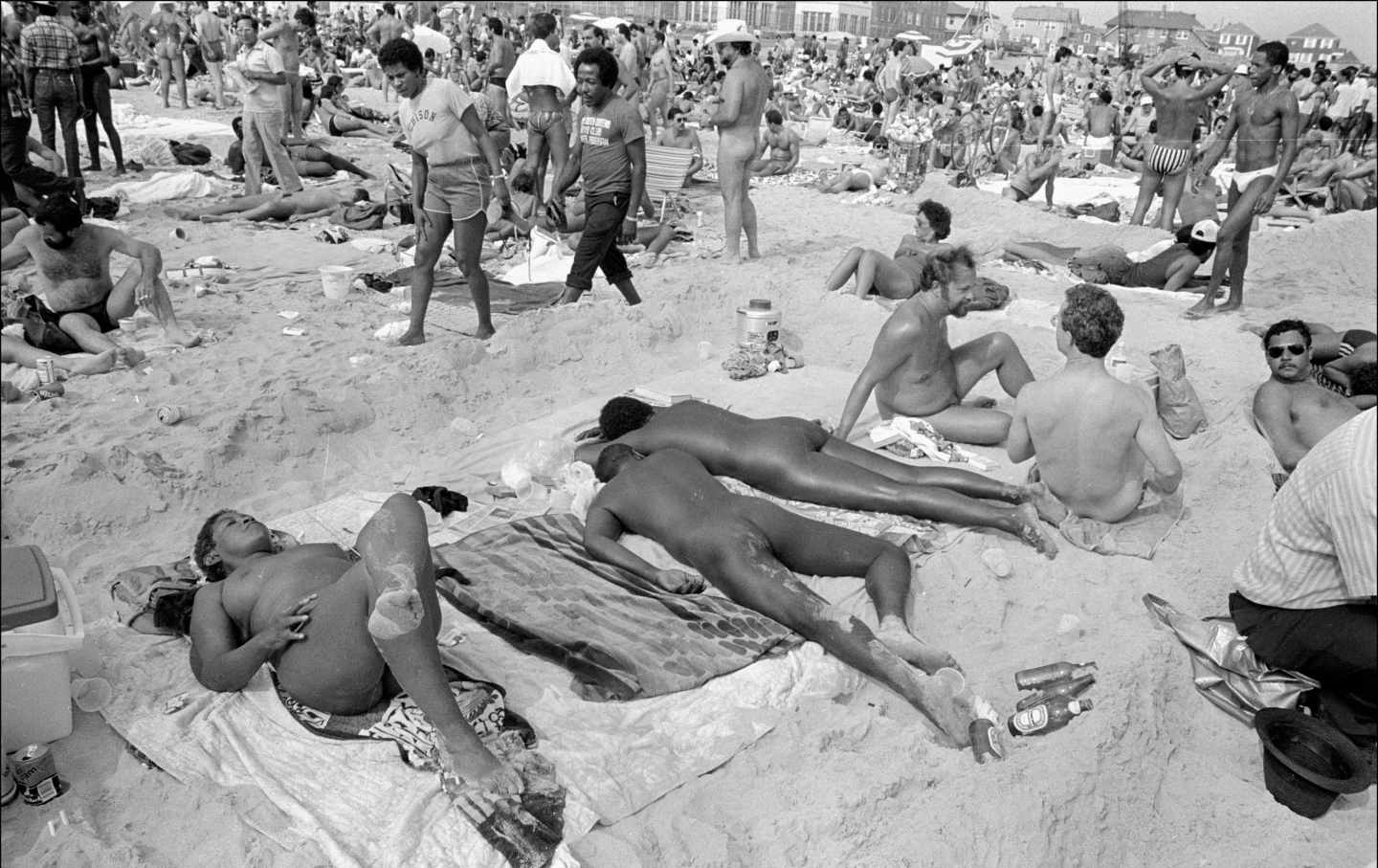
What Remains of Riis? What Remains of Riis?
A new members’ club has revived Riis Park’s long-vacant bathhouse, reopening old questions about whom the People’s Beach is really for.

When Texas Sex Ed Falls Short, Gen Z Women Turn to Social Media When Texas Sex Ed Falls Short, Gen Z Women Turn to Social Media
A 2025 study found that 70 percent of adolescents sought reproductive health information through social media platforms.

Justice for Macklemore Justice for Macklemore
The rapper has been dumped from Ed Sheeran’s tour for saying “free Palestine.” That’s a disgrace.
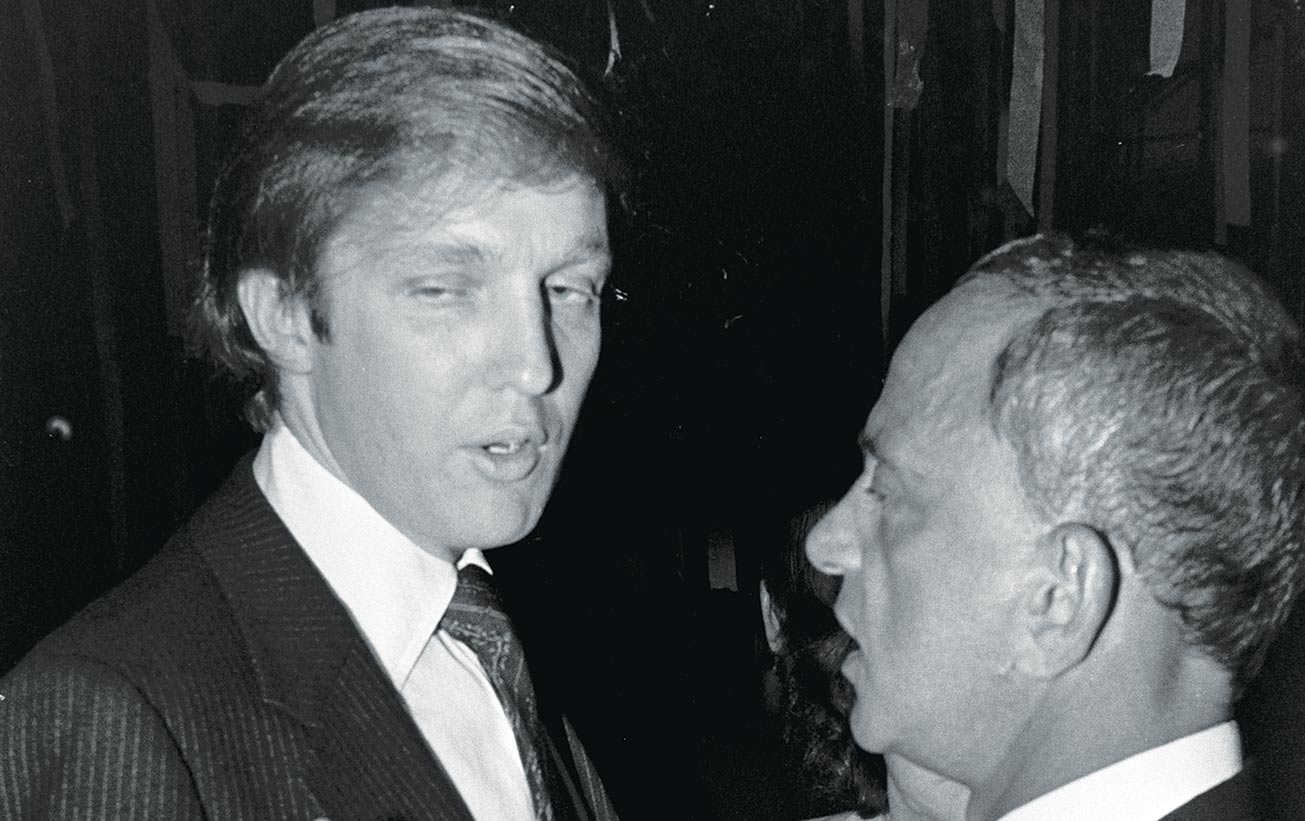
We Are Living Under Roy Cohnian Logic We Are Living Under Roy Cohnian Logic
The political fixer created a career for himself as a self-promoting, ubiquitous hustler. Like Trump, he got away with it by having the right friends.

Time Has Run Out for AI Risk Deniers Time Has Run Out for AI Risk Deniers
The recent spate of reports about the technology’s destructive power underline two prime directives: Be afraid, and regulate aggressively.

