
May Day Is a Day for Strikes
May Day was never just a celebration, a rally, or a march. It was also a day for workers to show their power. And it can be again.
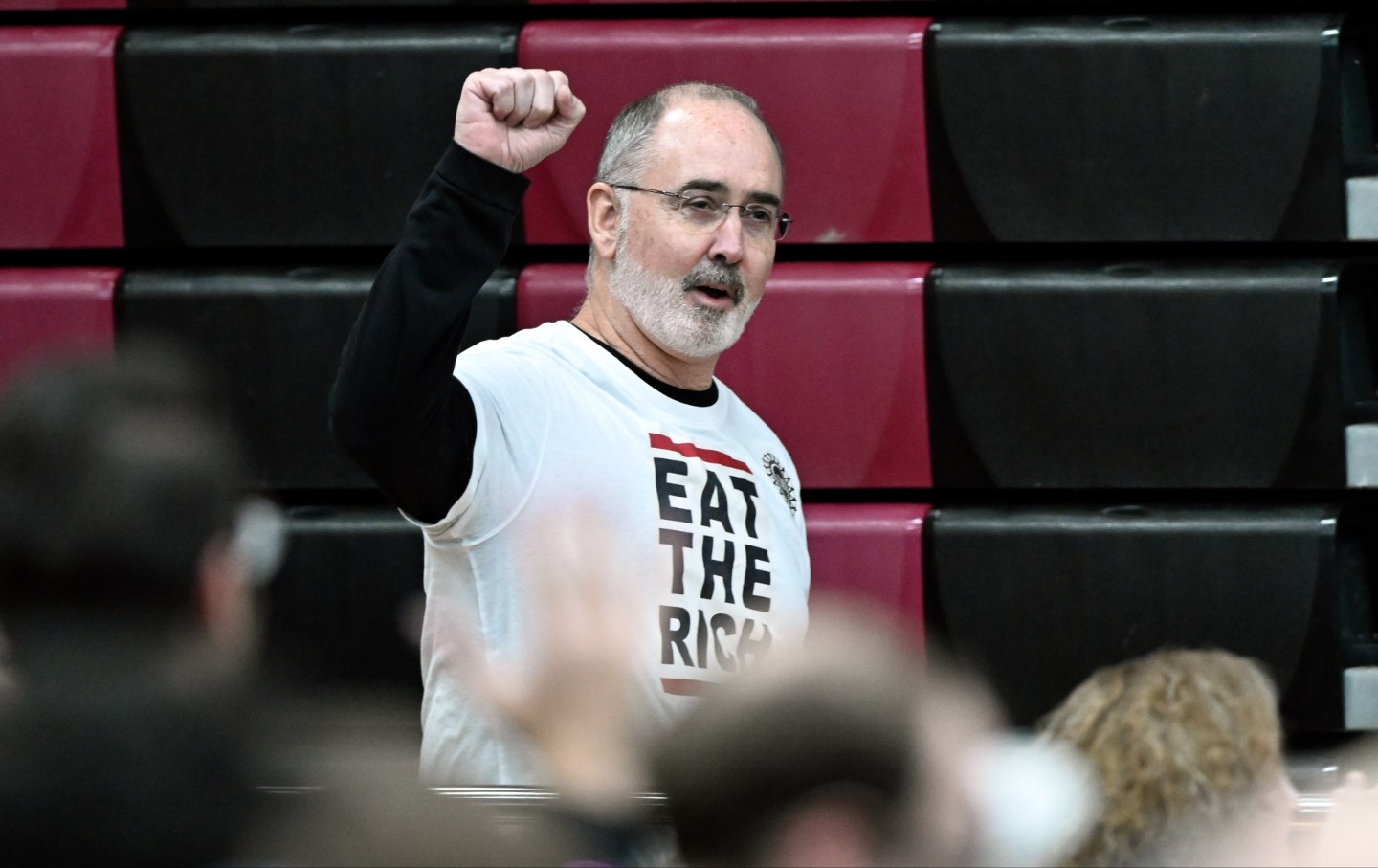
United Auto Workers President Shawn Fain during a “Fighting Oligarchy: Where We Go From Here” event Saturday, March 8, 2025, at Lincoln High School in Warren, Michigan.
(Jose Juarez / AP)One hundred and thirty-five years ago today, the American Federation of Labor made a bold proclamation. On May 1, 1890—May Day—workers across the country would strike for a new, radical demand. This demand would affect workers across society, and across the world, and transform daily life for millions of people. That radical demand? The eight-hour workday.
Now synonymous with being a working stiff, the “9-to-5” schedule was once such an explosive concept that it provoked riots, mass demonstrations, and even the execution of union organizers.
So how did the eight-hour day go from being an impossible idea to just common sense? The answer lies in May Day.
After the Haymarket affair of 1886, trade unionists saw that winning the right to an eight-hour day was going to take a massive push from workers everywhere. No one union, workplace, or city was going to be able to win it on their own.
And workers across the world heeded the call. Every year, thousands, and then millions, of workers celebrated May 1st as International Workers Day. Many countries eventually established it as a national holiday. The Catholic Church adopted it in the 1950s, with St. Joseph the Worker as its patron saint.
But May Day was never just a celebration, a rally, or a march. It was also a day for strikes—for economic action at the workplace and beyond that would keep corporate America in check, and keep workers’ strike muscle strong.
Nearly 150 years later, the American working class is learning the lesson of May Day all over again. And the UAW is leading the fight to revive it.
In 2023, tens of thousands of autoworkers at the Big Three went on strike. They took on Ford, General Motors, and Stellantis like never before, hitting all three companies at once, across the country, and making bold, loud demands, not just for autoworkers but for the whole working class.
The Great Recession and the auto crisis had forced autoworkers to make massive sacrifices to save the industry. Our wages were slashed. Plants were closed. Cost-of-living adjustments vanished. And anyone hired after 2007 had no pension or retiree healthcare.
We won back more in 2023 than we had in any contract in our lifetimes. But the Big Three wouldn’t budge on one of the biggest issues autoworkers face in this country: retirement security.
The automakers said their Wall Street masters wouldn’t allow it. Despite making a quarter of a trillion in profits in the last decade, Wall Street didn’t want the long-term liability on the books. After all, every penny set aside for a pension is a penny that can’t be spent on stock buybacks, dividends, or executive compensation.
So we knew if we wanted to win back retirement security for autoworkers, it was going to take a bigger fight.
We set our next contract expiration at the Big Three for May 1, 2028. International Workers Day. And we called on unions across the country to do the same, and get ready for a bigger strike than any of us had ever seen.
Just like those who came before us, we knew we needed one big deadline for corporate America to be forced to act. It wasn’t enough to shut down the Big Three. We needed to leverage our strength as a united working class—not one union, not one industry—if we wanted to win our demands.
After all, it’s not just about a pension and retiree healthcare for Big Three autoworkers. We are in a retirement crisis in this country, with over 4 million Americans hitting retirement age each year, while a majority have little to no retirement savings. In 1980, 60 percent of private-sector workers had some form of pension. Today, that number sits around 4 percent.
This year, on May 1, more than 2,000 UAW members who make submarines for General Dynamics in Connecticut are gearing up for their first potential strike in 40 years. One of their core demands? Pensions for all.
Popular
“swipe left below to view more authors”Swipe →Because we know that if we want to move Wall Street, if we want to move corporate America, and if we want to move the working class to action, we need to unite in a common cause. For our common issues. At a common time.
And just like the eight-hour workday, on May Day we seek to use the power of our labor to make our radical demand—a decent standard of living for the working class—common sense.
Become a Sustaining Donor This September
Between the reemergence of right-wing red-baiting and Donald Trump’s use of the chilling National Security Presidential Memorandum–7 to criminalize left political organizing, we’re seeing McCarthyism reborn before our eyes.
This assault on democracy cannot be ignored or wished away. Resisting it requires bravery in the face of threats and repression, a steadfast commitment to the truth, and the unwavering belief that we can—and will—overcome this darkness.
We must have an independent media that sets the record straight, unearths corruption and abuses of power, and advances a politics of justice and dignity for all if we’re to win this fight.
That’s why I’m writing to you today. This September, The Nation needs to add 100 monthly donors to sustain our progressive journalism. Your contribution makes the next investigative report, the next truth-speaking column, and the next pathbreaking essay all possible.
I hope you’ll support our work with a recurring donation today. If you donate $10 or more a month, we’ll send you a brand new “Hands Off the Free Press!” sticker to recognise your commitment to our cause. Please, donate today.
Onward,
Katrina vanden Heuvel
Editor and Publisher, The Nation
More from The Nation
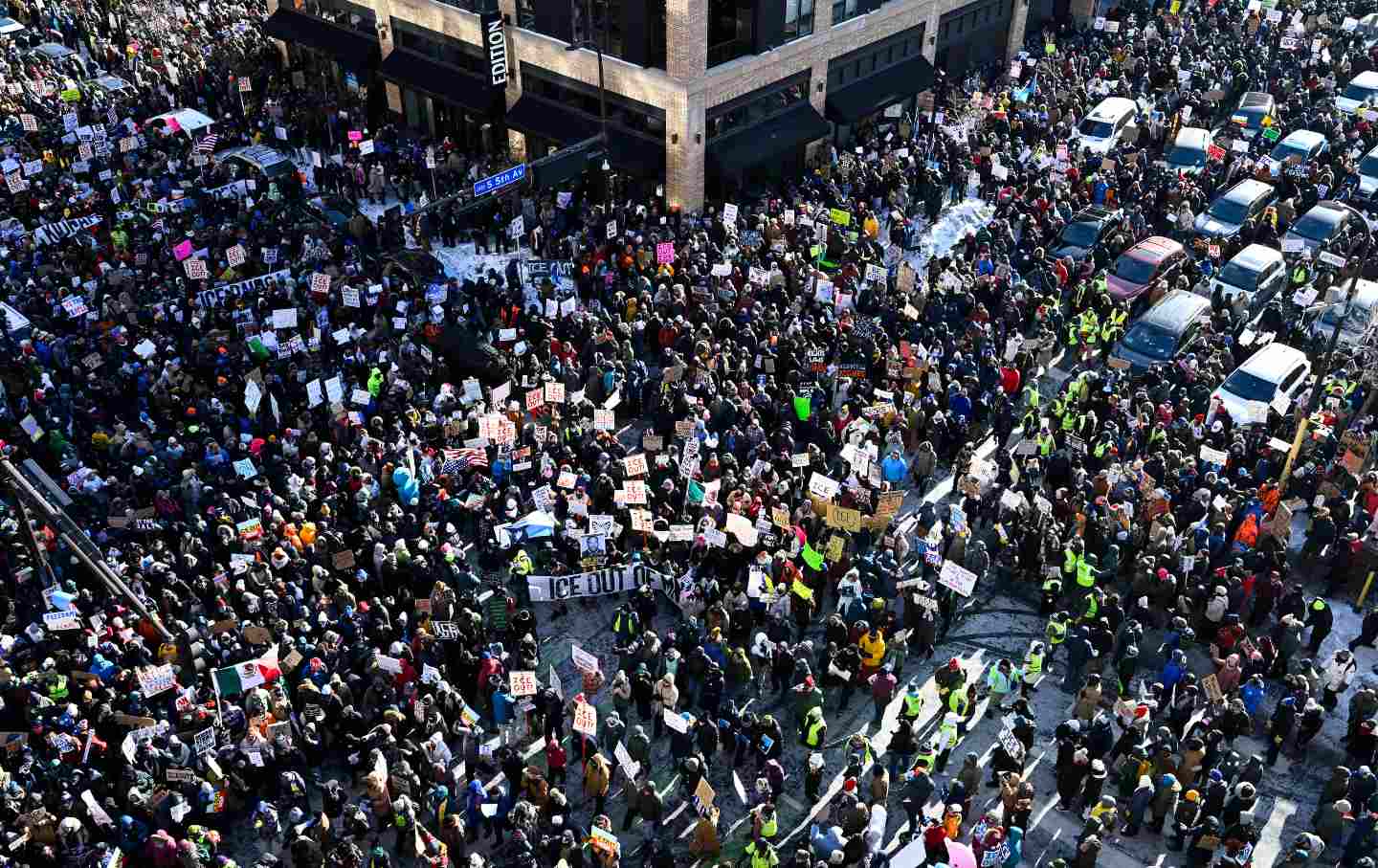
The Impossible Will Take a Little While: The Power of Persistence The Impossible Will Take a Little While: The Power of Persistence
In troubled times, history offers a lesson: Seemingly impossible change can begin with ordinary people who refuse to give up.
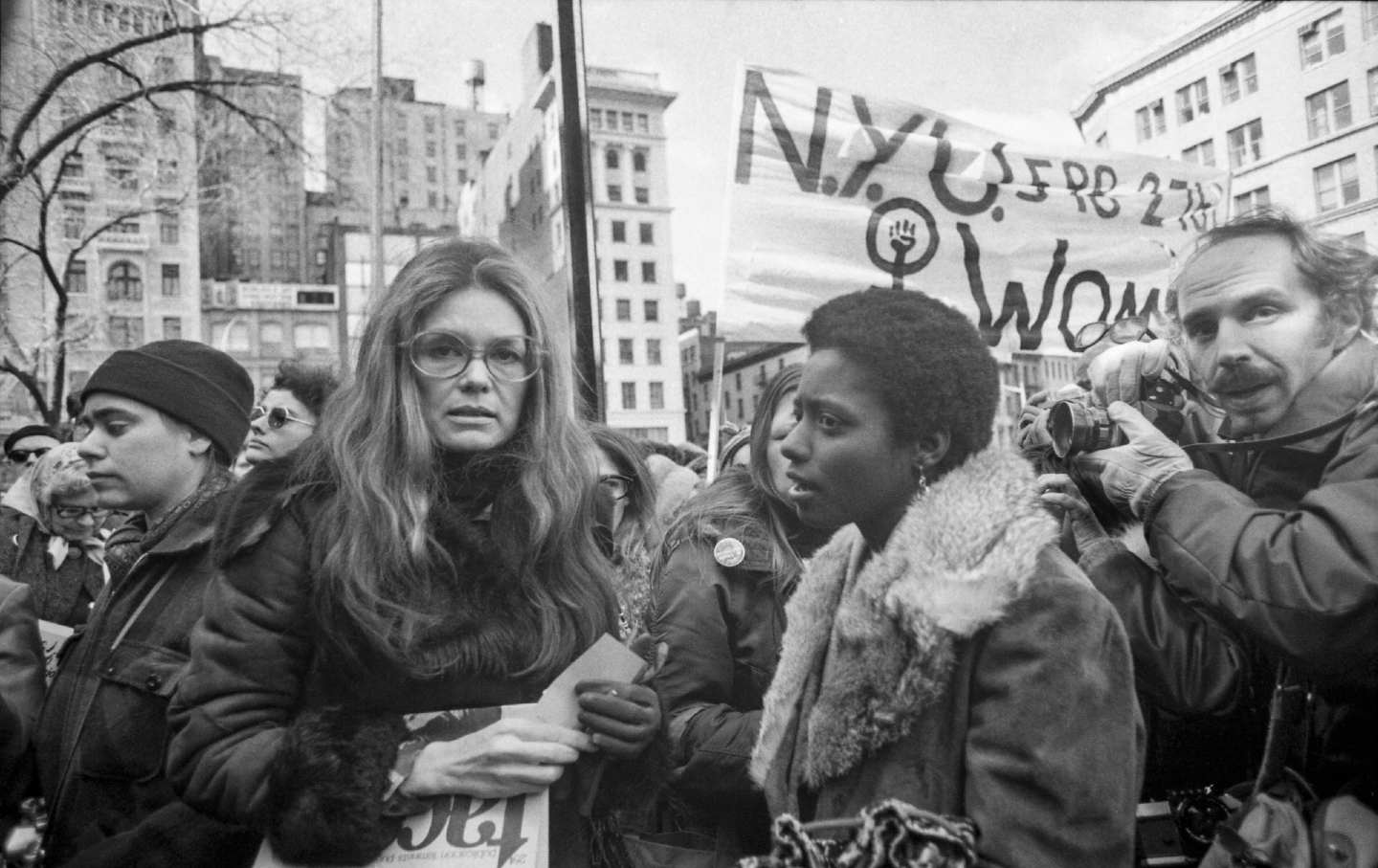
Gloria Steinem’s Many-Splendored Feminist Life Gloria Steinem’s Many-Splendored Feminist Life
The feminist icon lived the struggle for gender equality and always found time to lend support and solidarity to other women leaders, even in her final days.
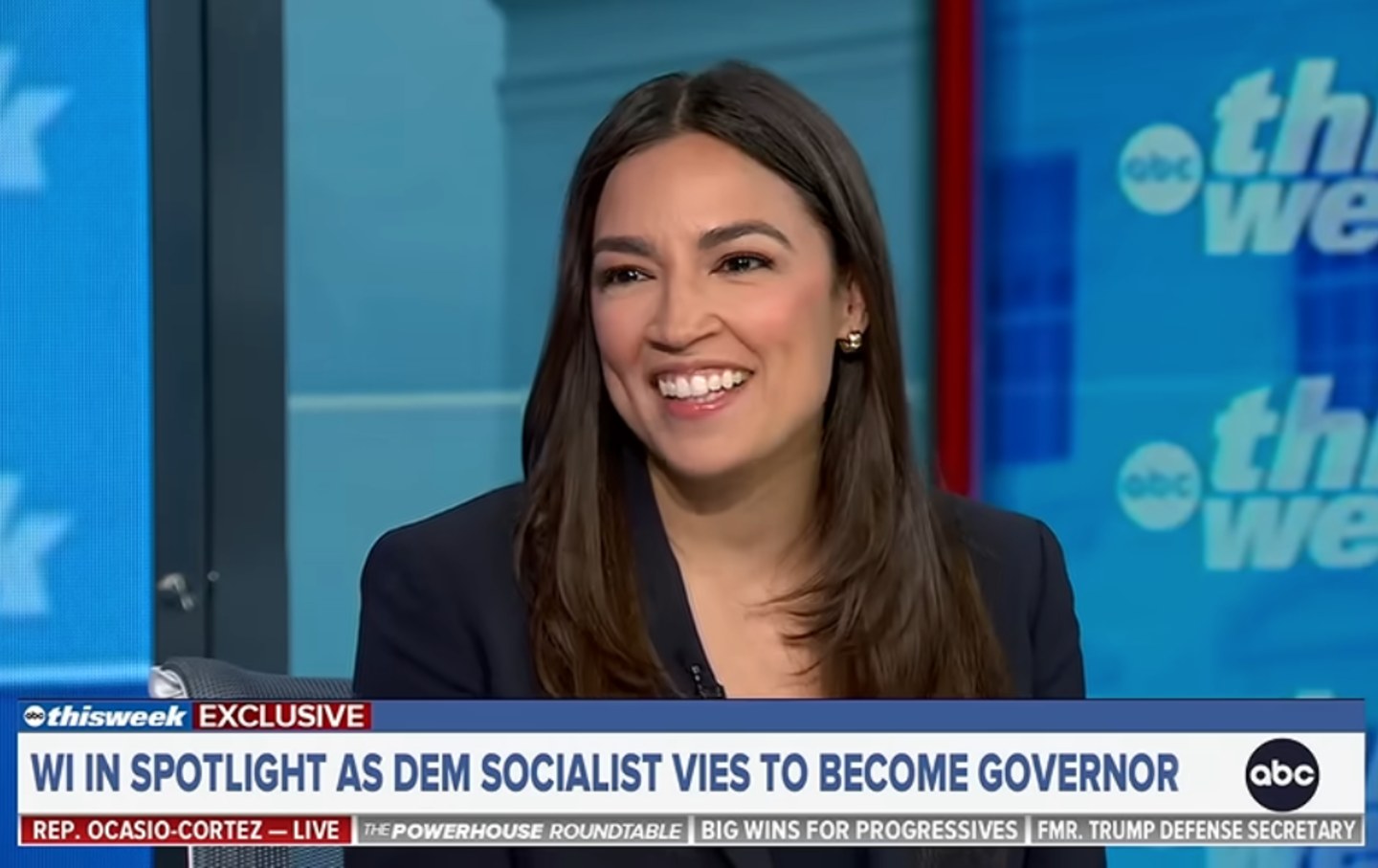
No, Woke 1 Was Not Crazy No, Woke 1 Was Not Crazy
AOC and others are laughing off 2020 as a wild, isolated moment. None of that is true.
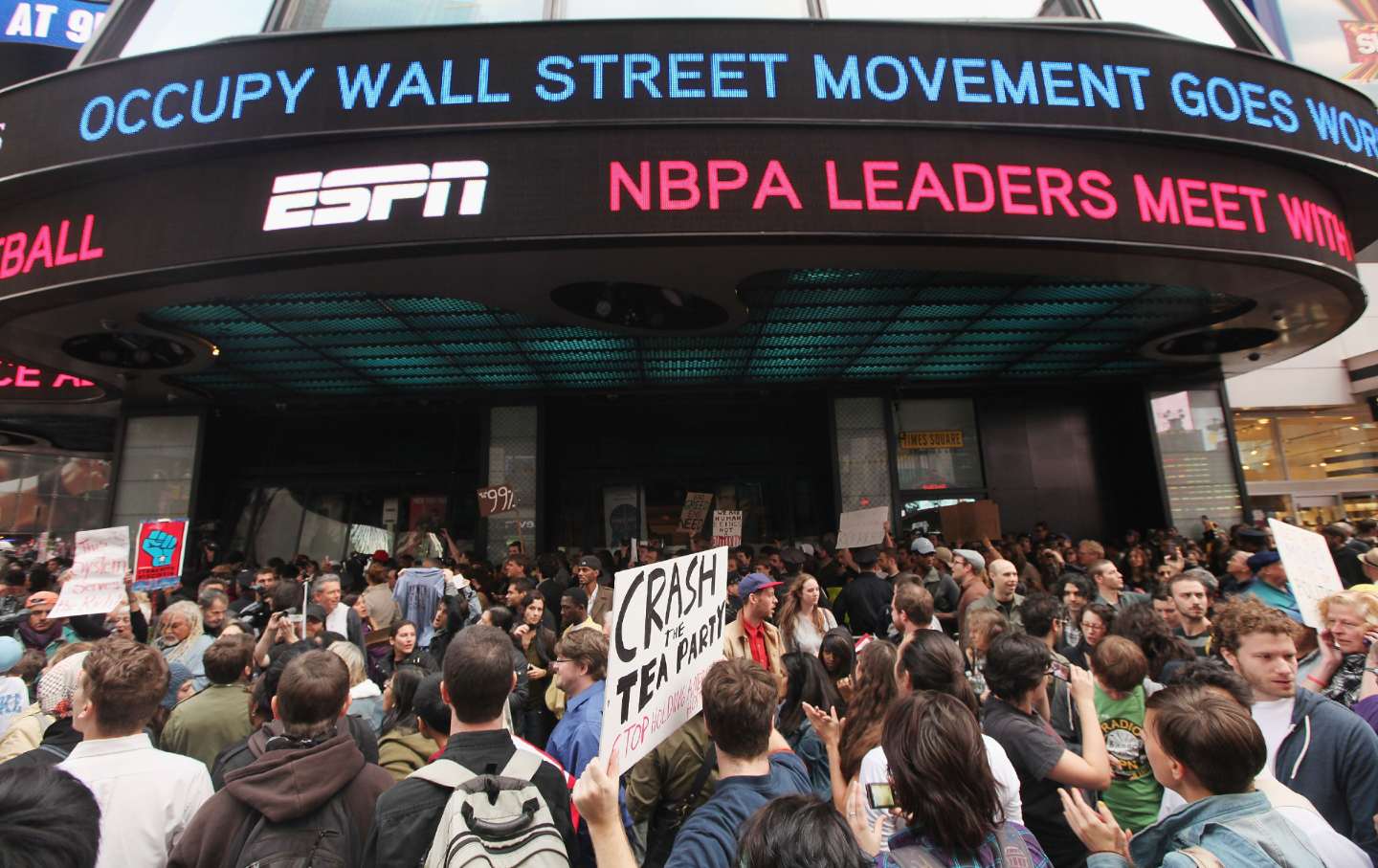
How Occupy Wall Street Still Explains Politics Today How Occupy Wall Street Still Explains Politics Today
It sowed the seeds for a new era of social movements—but its politics of powerlessness should act as a cautionary tale.

Abdul El-Sayed’s Win Is a Landmark. But the Fight Is Far From Over. Abdul El-Sayed’s Win Is a Landmark. But the Fight Is Far From Over.
Even though the Palestine movement is on the march, we can’t afford any complacency.

Mamdani’s Team Redefined Political Video. Now They’re Betting on Short Films. Mamdani’s Team Redefined Political Video. Now They’re Betting on Short Films.
Premiering exclusively in The Nation, a new short film produced by City Hall and narrated by Morgan Spector highlights the efforts of the biggest tenant-led union in New York City...

