
Columbia Students Sue the University for Its “Heinous” Crackdown on Palestine Protests
Three graduate students identified over 30 violations of long-standing protocols, including using the NYPD to mass-arrest activists, in a New York civil suit against the university.
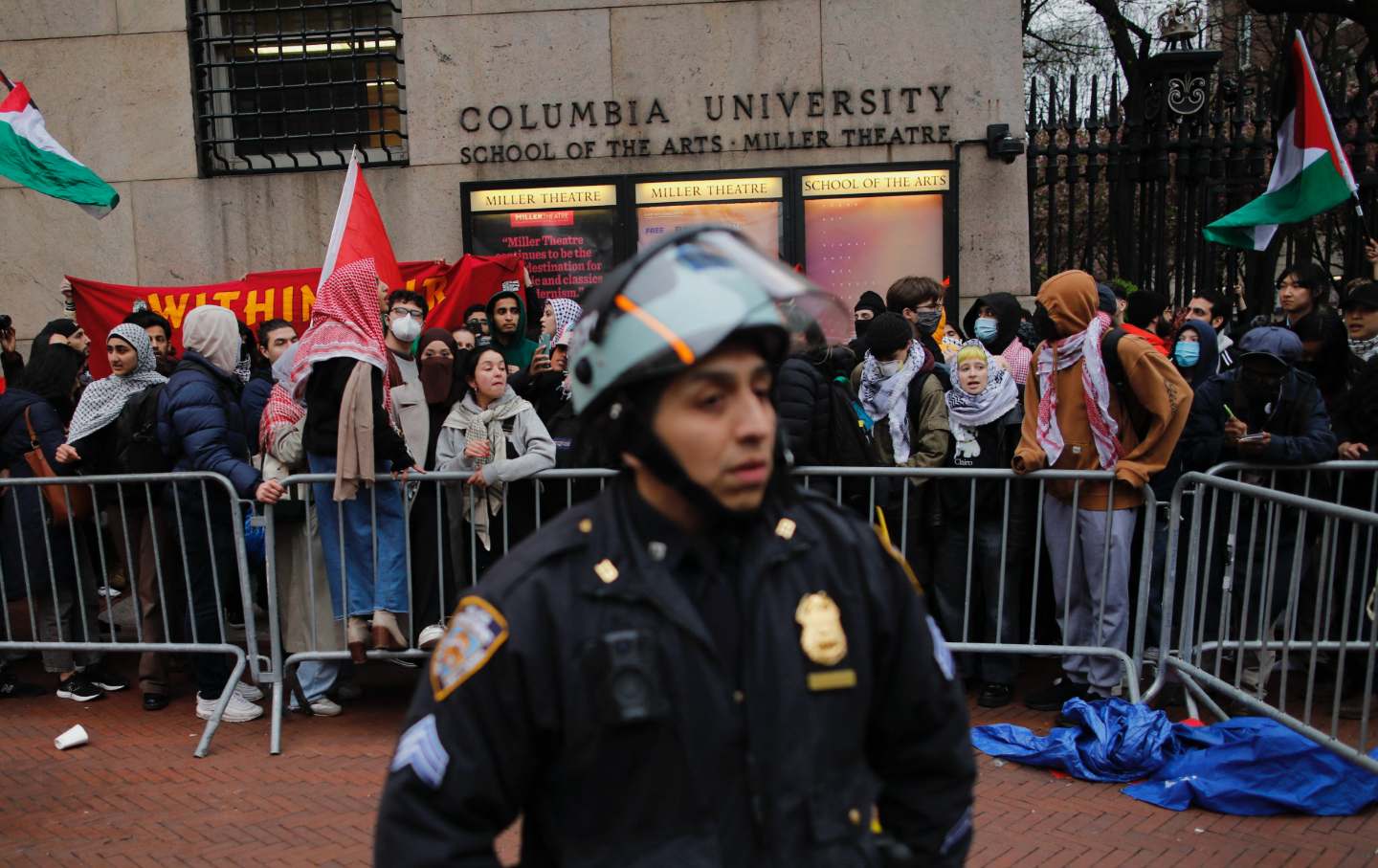
An NYPD officer in front of pro-Palestinian protesters outside of Columbia University in New York City in April 2024.
(Kena Betancur / Getty)
On February 3, three Columbia graduate students sued the university for its crackdown on pro-Palestine protesting. The New York civil suit—brought by Catherine Curran-Groome, Aidan Parisi, and Brandon Murphy—identified over 30 violations of long-standing protocols, including two occasions when then-president Minouche Shafik summoned the NYPD to mass-arrest demonstrators standing against Israel’s war on Gaza.
While Columbia may have dropped from mainstream media headlines in the months since police forcefully emptied Hamilton Hall of student protesters and swept the Gaza Solidarity Encampment, the story never ended for those on campus. The three plaintiffs were set to graduate this May, but after enduring months of “indefinite interim suspensions,” convoluted disciplinary hearings, and harassment, the university derailed their education by suspending each for one to two years. “These students should be honored for their bravery, leadership, and moral clarity,” says James Carlson, an attorney for the plaintiffs. “Instead, they’ve had their lives and careers unjustly sabotaged.”
“By continuously delaying students’ hearings related to Hind’s Hall and the encampments…for over nine months now, the university is forcing [us] into a disciplinary purgatory,” Curran-Groome told The Nation.
All plaintiffs encountered Columbia’s disciplinary process after participating in on- and off- campus demonstrations, vigils, and educational events to, as the lawsuit reads, “protest Israeli military activity and garner support for a ceasefire in Gaza.” The plaintiffs allege that over the last year and a half the university has abrogated its responsibility to heed Columbia rules and policies in order to target and penalize engagement in anti-war efforts.
For one, Carlson says that inviting law enforcement—who were armed with guns, sledgehammers, batons and flashbang explosives—to terrorize students in April of last year, infringed on Section 444.f. of the University Statutes, which obligates the university president to consult with “a majority of a panel” established by the Columbia senate’s executive committee, prior to inviting police on to campus. On April 19, the day of the first mass arrest, the executive committee did “not approve the presence of NYPD.” According to the suit, Shafik overrode the senate yet again to facilitate the second wave of arrests on April 30.
Aside from allowing NYPD on campus for the first time in 50 years, the lawsuit asserts that Columbia breached New York’s landlord tenant laws for attempting to evict Curran-Groome and Parisi with only a 24-hour notice, rather than the 30-day period stipulated in New York State law.
“The eviction was one of the most heinous aspects of the university’s leveraging our basic rights in order to coerce us into a disciplinary process,” said Curran-Groome. While both plaintiffs held off eviction—with one moving out after two months and the other leaving university housing at the end of the academic term—Curran-Groome laments that the evictions “added inhumane levels of stress for us as two financially independent, working-class students, who had no alternative housing in the city.”
Another violation that the lawsuit identifies is the university’s choice to subject students to “interim suspensions” without due process rights. Rather than disciplining students through the University Judicial Board, which, according to Carlson, is designed to conduct transparent and fair hearings, Columbia inappropriately opted to use the Center for Student Success and Intervention, which he says was created in 2021 to handle “offenses like plagiarism and theft.”
Carlson explains that “according to CSSI’s own guidelines, hearings are supposed to be offered promptly after issuing interim suspensions, but in practice, the university has used this mechanism to suspend the students indefinitely.”
Rather than merely being barred from campus, Curran-Groome lost her housing, healthcare, meal plan, full scholarship, and employment. Parisi was similarly deprived of financial aid and healthcare after being evicted, which they depended on for critical medical treatments.
“Columbia does not care whether or not we ‘broke the rules.’ What the lawsuit demonstrates is that the one that actually broke the rules…was the university itself,” said Curran-Groome. “What the university cared about was protecting its bottom line and preventing the student movement from activating the consciousness of the broader student body through the historically and morally righteous cause that we were advocating for: the end of a genocide and our university’s funding of it.”
Curran-Groome, et al. v. Columbia University is not the first lawsuit against the school since campus tensions over Israel’s war on Gaza erupted. On April 25, 2024, Palestine Legal filed a civil rights complaint with the US Department of Education’s Office for Civil Rights. The complaint alleges that Palestinian students and their allies have faced discriminatory treatment from the university, including death threats, doxxing, Islamophobia, and more.
Popular
“swipe left below to view more authors”Swipe →Curran-Groome was also one of the victims of the apparent campus chemical attack, perpetrated by two Israeli students who sprayed a chemical agent at a Gaza solidarity rally in January 2024. The plaintiff was hospitalized and suffered, according to the lawsuit media advisory, “mental and physical trauma from the attack.” One of the two students who carried out the alleged attack sued Columbia in April, resulting in the termination of his suspension and a $395,000 settlement payout. “I feel betrayed by an institution that was supposed to support me,” said Curran-Groome.
Columbia will be served this week and has 20 days to respond to the lawsuit. Carlson is hopeful that this case may help usher in an era where universities must “think twice before persecuting students for their viewpoints.” Parisi adds that, despite Columbia’s predilection for “profiting from colonial violence” and imposing censorious disciplinary charges, the students “refuse to be intimidated.”
“Columbia must remember that the most natural reaction to repression is resistance,” said Curran-Groome. She adds that amid Trump’s executive order and the Gaza ceasefire, which, she says, liberals have used to pretend the genocide is over, the plaintiffs will not permit Columbia to “ignore the harm done to us, and most importantly the harm done to the people of Palestine with our university’s investments. This lawsuit is a major recourse in our attempts to hold our university accountable and we will not stop. We will not rest.”
Become a Sustaining Donor This September
Between the reemergence of right-wing red-baiting and Donald Trump’s use of the chilling National Security Presidential Memorandum–7 to criminalize left political organizing, we’re seeing McCarthyism reborn before our eyes.
This assault on democracy cannot be ignored or wished away. Resisting it requires bravery in the face of threats and repression, a steadfast commitment to the truth, and the unwavering belief that we can—and will—overcome this darkness.
We must have an independent media that sets the record straight, unearths corruption and abuses of power, and advances a politics of justice and dignity for all if we’re to win this fight.
That’s why I’m writing to you today. This September, The Nation needs to add 100 monthly donors to sustain our progressive journalism. Your contribution makes the next investigative report, the next truth-speaking column, and the next pathbreaking essay all possible.
I hope you’ll support our work with a recurring donation today. If you donate $10 or more a month, we’ll send you a brand new “Hands Off the Free Press!” sticker to recognise your commitment to our cause. Please, donate today.
Onward,
Katrina vanden Heuvel
Editor and Publisher, The Nation
More from The Nation
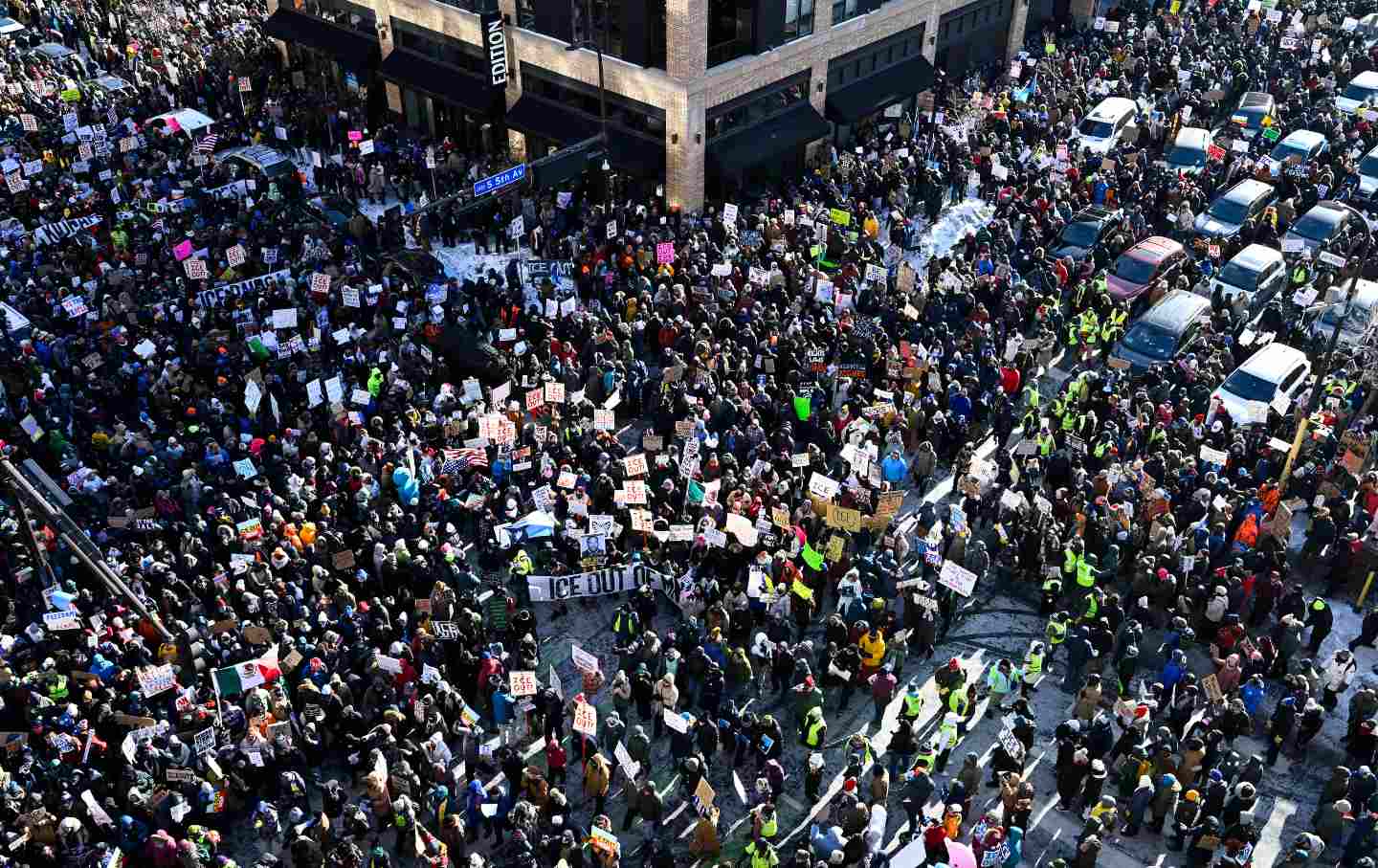
The Impossible Will Take a Little While: The Power of Persistence The Impossible Will Take a Little While: The Power of Persistence
In troubled times, history offers a lesson: Seemingly impossible change can begin with ordinary people who refuse to give up.
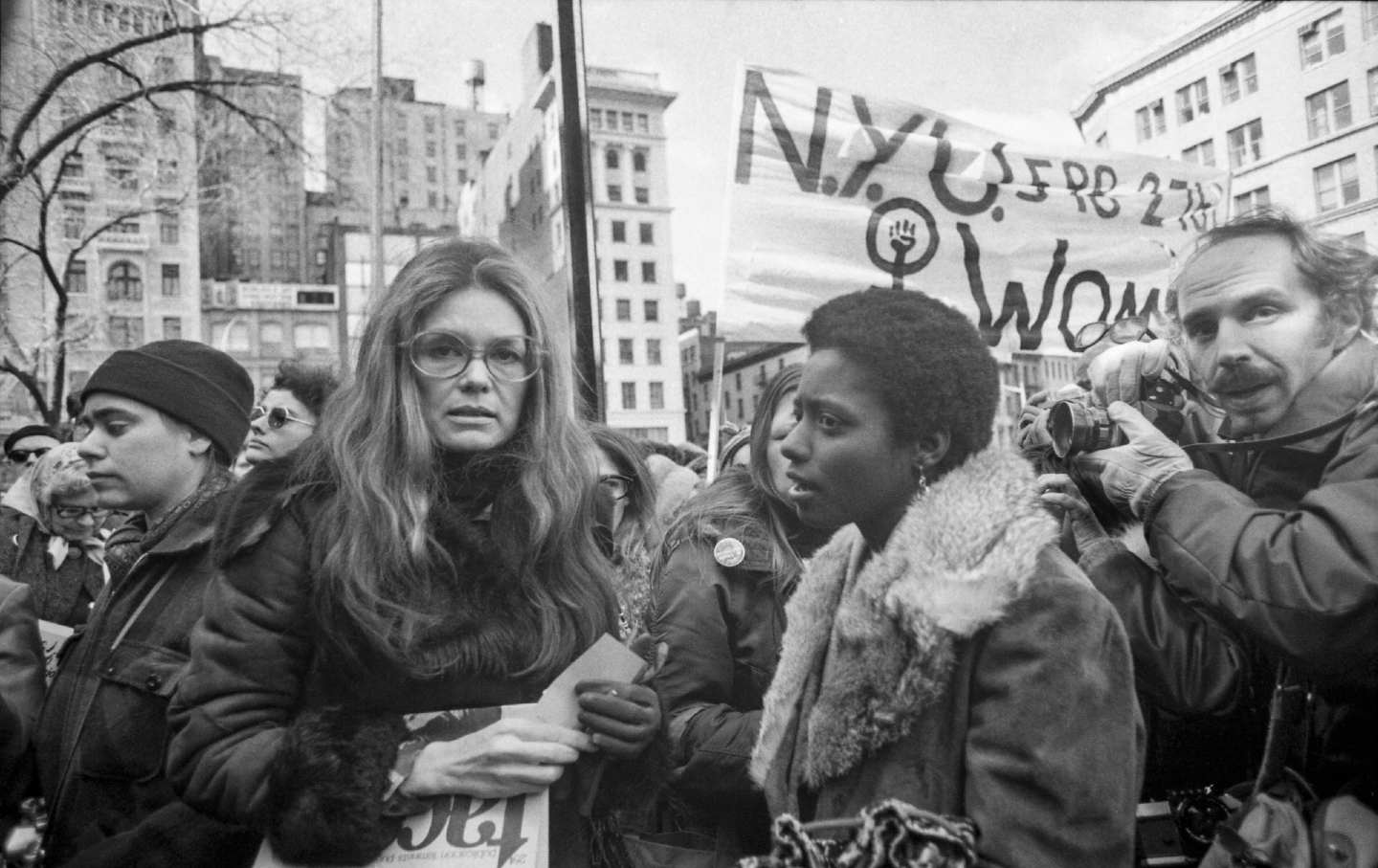
Gloria Steinem’s Many-Splendored Feminist Life Gloria Steinem’s Many-Splendored Feminist Life
The feminist icon lived the struggle for gender equality and always found time to lend support and solidarity to other women leaders, even in her final days.
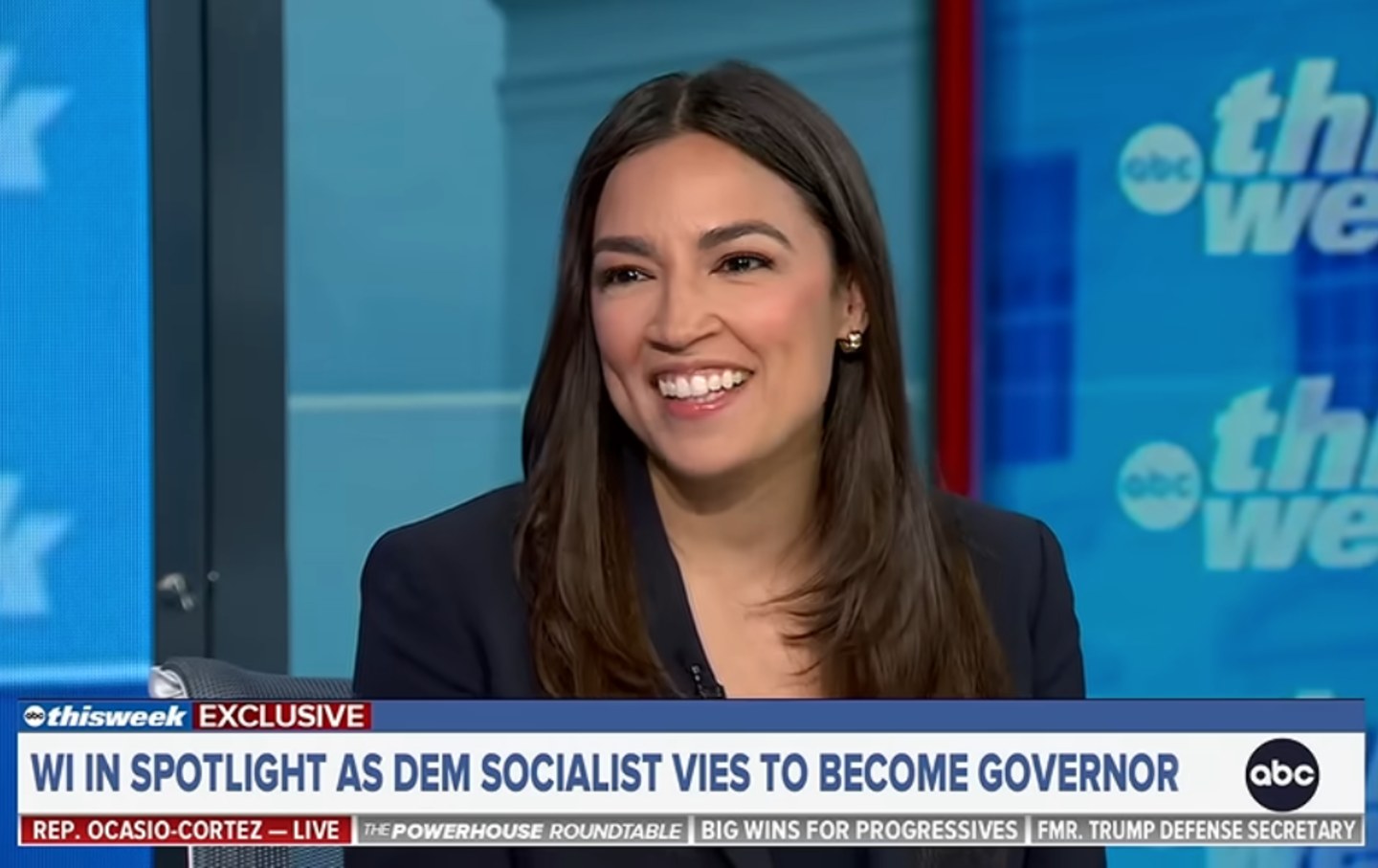
No, Woke 1 Was Not Crazy No, Woke 1 Was Not Crazy
AOC and others are laughing off 2020 as a wild, isolated moment. None of that is true.
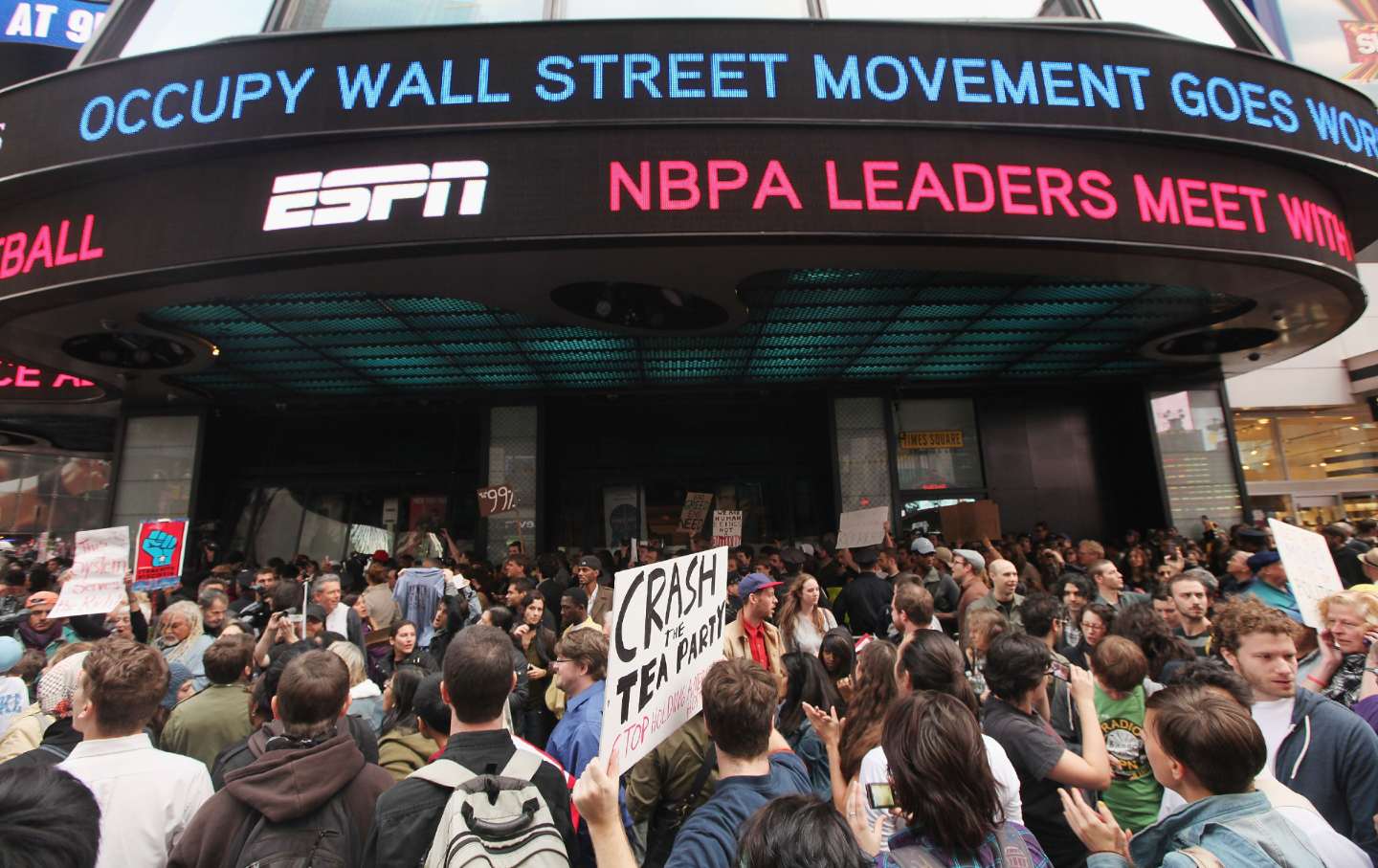
How Occupy Wall Street Still Explains Politics Today How Occupy Wall Street Still Explains Politics Today
It sowed the seeds for a new era of social movements—but its politics of powerlessness should act as a cautionary tale.
Abdul El-Sayed’s Win Is a Landmark. But the Fight Is Far From Over. Abdul El-Sayed’s Win Is a Landmark. But the Fight Is Far From Over.
Even though the Palestine movement is on the march, we can’t afford any complacency.
Mamdani’s Team Redefined Political Video. Now They’re Betting on Short Films. Mamdani’s Team Redefined Political Video. Now They’re Betting on Short Films.
Premiering exclusively in The Nation, a new short film produced by City Hall and narrated by Morgan Spector highlights the efforts of the biggest tenant-led union in New York City...

