
New York Passed Proposals Establishing Equality—and Greater Mayoral Control
Voters approved five of the six initiatives on the 2024 ballot, enshrining abortion rights into the state Constitution and giving Eric Adams more power in NYC.
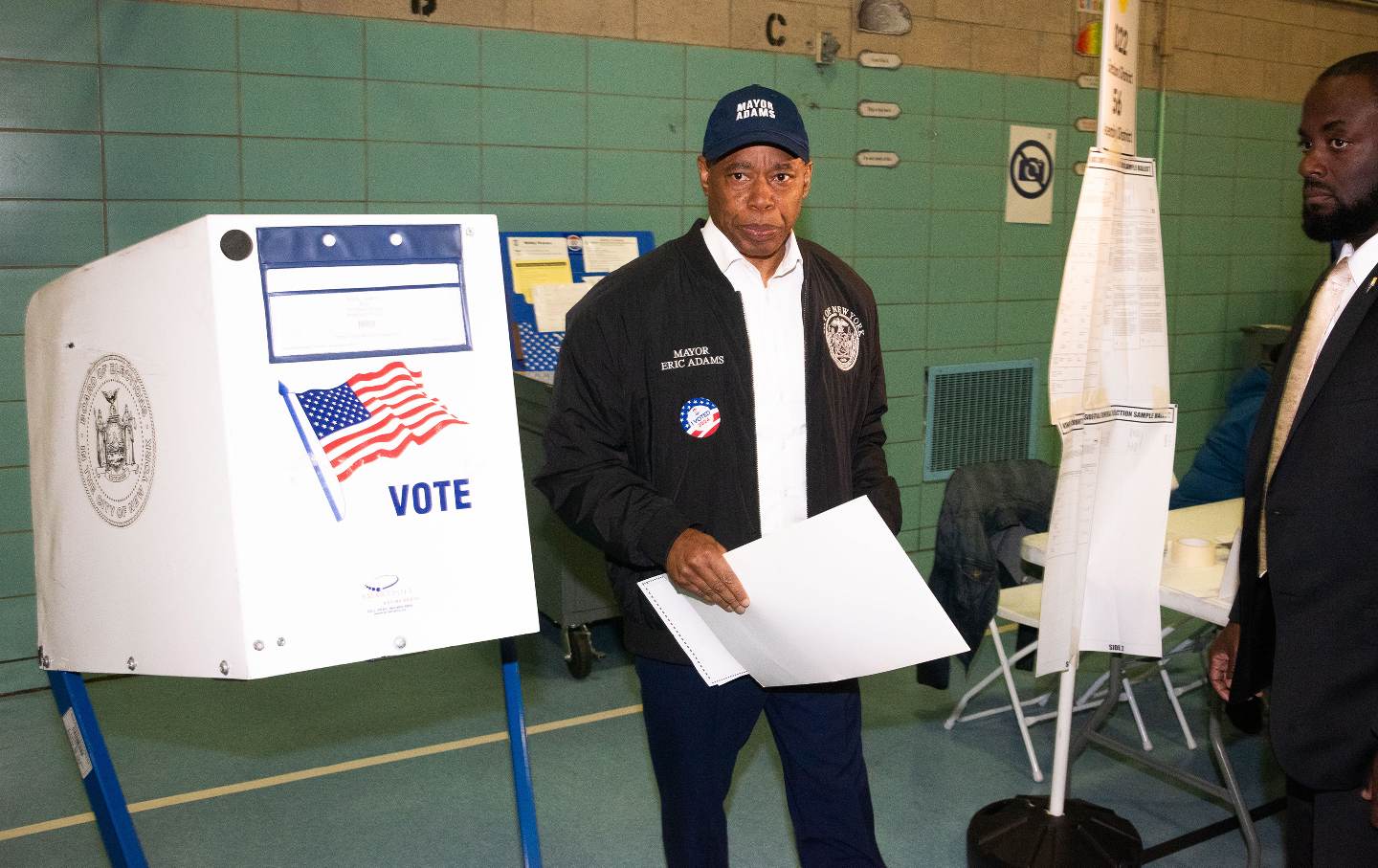
Ahead of November 5, “Vote Yes on 1 and Nix 2 through 6” became a popular refrain on liberal social media, directing voters in New York City to approve an “Equal Rights Amendment” enshrining abortion rights into the state Constitution and to reject ballot proposals seen as a power grab for Mayor Eric Adams.
Michael Sisitzky, an assistant legal director at the New York Civil Liberties Union, says that the group had only seven weeks to put together a campaign to educate voters about Proposals 2 through 6, which were added to the ballot at the last minute. In order to get charter-related proposals on the ballot, the city must create a temporary revision commission. Past reviews have normally taken up to a year. This time, it was rushed through in just two months.
The purpose of most of these measures was not to improve the quality of life or services for New Yorkers, Sisitzky says, but to establish greater mayoral control. He describes most of them as “dangerous.” The NYCLU placed ads making the case against the proposed measures, and sent out representatives from over 60 organizations to speak to voters. “We saw how quickly people were persuaded and understood that this was a power grab,” Sisitzky told The Nation.
But it wasn’t enough. Of the six initiatives listed on the New York City ballot in 2024, five passed on Tuesday. “It was always a campaign that we knew time was not on our side for, because this was a rushed process from the mayor in the first place,” said Sisitzky.
“The only ballot proposal to pass ‘overwhelmingly’ [in NYC] was the statewide anti-discrimination proposal, Prop 1,” wrote No Power Grab NYC, a grassroots coalition of civil rights groups and elected officials opposed to Proposals 2 through 6, in a statement. According to the Board of Elections, around 77 percent of New York City voters approved of the Equal Rights Amendment.
While more than 20 states across the country have equality enshrined in their state Constitution, the New York ERA is the most inclusive in the country by explicitly protecting reproductive rights and making discrimination on the basis of sex, gender identity, religion, ethnic background, and pregnancy status unconstitutional. Proposal 1 was also the only ballot initiative unrelated to the City Charter and not introduced by Mayor Adams, who was indicted in a federal corruption investigation in September.
“This team overcame a last-minute, multimillion-dollar smear campaign from out-of-state, anti-abortion billionaires bent on scaring and dividing voters,” said Sasha Ahuja, the campaign director for New Yorkers for Equal Rights, a coalition of over 500 organizations rallying support for Proposal 1. Volunteers knocked on more 250,000 doors and made over a million calls to voters to support Prop 1, according to Ahuja. Proposal 1 passed with almost 62 percent, garnering over 4 million votes. “In every corner of the state, voters showed up at the polls to protect their rights, and the rights of generations of New Yorkers to come.”
The New York Republican Party and the Coalition to Protect Kids NY argued against Prop 1, saying it would restrict parental rights in the state. “The ERA could also mandate that schools allow biological males to compete in girls’ sports,” wrote the Coalition to Protect Kids NY.
“We knew this would be the opposition’s playbook and that a successful campaign would require a comprehensive plan to respond to their fear-mongering attacks,” Ahuja said. “That’s why, over 16 months ago, we built out a team of top-tier staff and seasoned organizers to lead Prop 1 to victory. We crafted a comprehensive media strategy to respond to whatever lies the opposition decided to run with.”
The successful proposals pushed by Mayor Eric Adams passed by the narrowest margins of any NYC ballot proposal in at least 15 years.
Nonetheless, the approved measures will take effect as soon as the election is certified, which Emma Johnson, communications director for council member Keith Powers, expects to be “sometime in early December.”
Proposal 2, which passed with 62 percent, amends the City Charter to expand the powers of the Department of Sanitation when it comes to cleaning public property. Sisitzky fears it will give “the sanitation department ability to ticket, enforce, harass, and criminalize street vendors.”
Proposal 3 requires a fiscal analysis of proposed local laws prior to their hearings and votes, as well as extending deadlines for certain budget reports. The proposal grants additional power to Mayor Eric Adams, who will now be in charge of assessing the estimated costs of laws before their passage, and gives him additional time to prepare the annual city budget. “This was one that creates new avenues for the mayor’s office to object to and attempt to derail legislation that has a financial impact on the city,” Sisitzky says. Voters approved the initiative with just 55.7 percent—the lowest of all the proposals that passed.
Proposal 4 requires the City Council to give a 30-day notice before voting on public safety laws related to the NYPD, NYFD, and the Department of Corrections, with additional public hearings held by the mayor during this time if necessary. While the proposal purportedly provides New Yorkers the opportunity to be actively involved in the conversations shaping legislation, it could inconveniently delay the legislative process, and was opposed by groups like the Legal Aid Society and NYCLU.
Proposal 5 will expand the criteria of the City Charter when it comes to assessing maintenance costs of city property, and publish said assessments with the intention of improving the capital planning process. A statement from the City Council called it a “meaningless and misleading” capital planning change. The proposal ignores recommended reforms that could fix inefficiencies, and it will also leave many city components, such as schools, water pipes, and roads without an accurate review of its infrastructure.
Popular
“swipe left below to view more authors”Swipe →Proposal 6—the only measure to fail—would have made permanent the role of Chief Business Diversity Officer and allow the mayor to designate which office issues film permits. “I think when people saw this one, frankly, it’s just confusing. It doesn’t make sense to have those issues together,” Sisitzky said.
Moving forward, the legislative processes covered by the City Charter proposals “will get slower, with less oversight and less access by the public,” according to Johnson. “With the mayor centralizing his power in this way, the council has less ability to hold the administration to account.”
Callan Ditmyer, a student at Brooklyn College, celebrated the passage of Proposal 1 for the protections it will provide, but cannot say the same for Proposals 2 through 5. “I’m disappointed that they passed, just like so many other things this election cycle,” Callan said,.”
More from The Nation
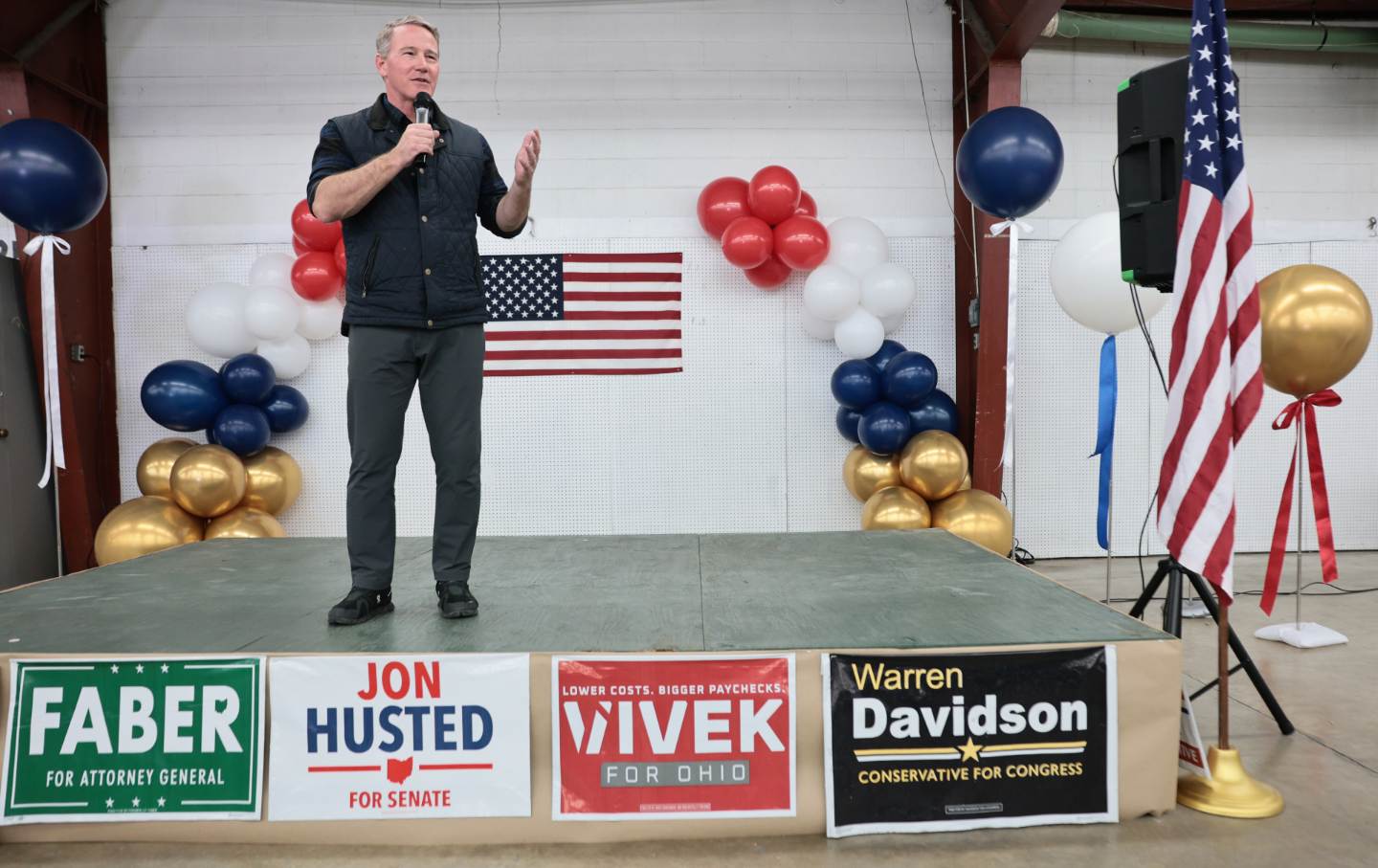
Will the GOP’s Big Money Save Jon Husted in Ohio? Will the GOP’s Big Money Save Jon Husted in Ohio?
Former senator Sherrod Brown is leading in most polls, but a tidal wave of spending may prop up the struggling incumbent.

James Talarico Is Preaching a Gospel of Pluralism James Talarico Is Preaching a Gospel of Pluralism
He’s not the only progressive doing it.
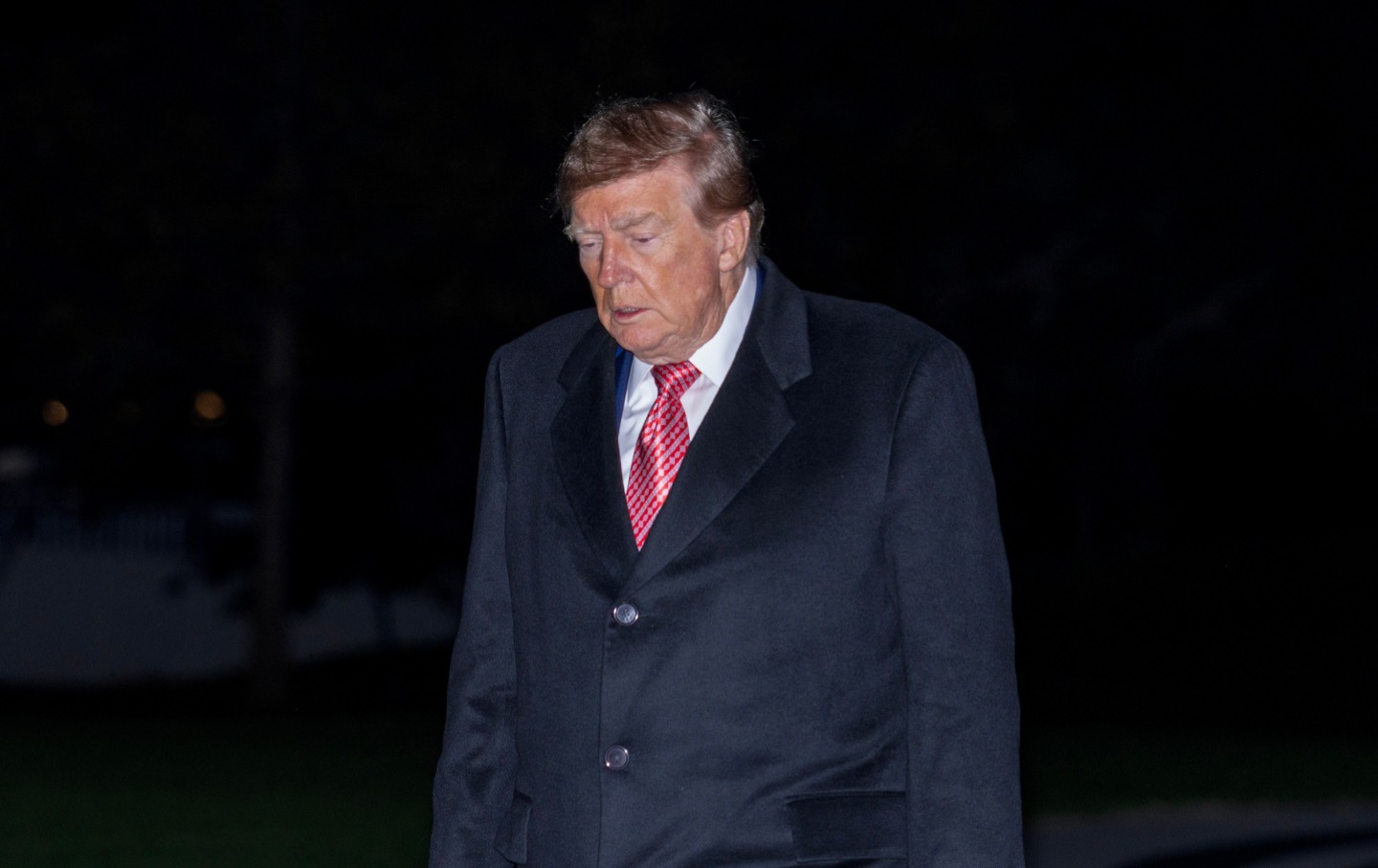
Even Republicans Are Waking Up to Trump’s Corruption Even Republicans Are Waking Up to Trump’s Corruption
And, somewhat shockingly, so are Democratic elites.


Mamdani Can No Longer Avoid the Issue of the NYPD Mamdani Can No Longer Avoid the Issue of the NYPD
The mayor has been able to put difficult questions about policing on the back burner—until now.

Why Democratic Leaders Keep Waging War on the Young Why Democratic Leaders Keep Waging War on the Young
The party's silver-haired establishment is caught up in an existential culture war.

