Abusers Aren’t Always Powerful Men. Some of Them Are Regular Guys.
Even in an age when feminist rhetoric is familiar, violence against women is all too common.
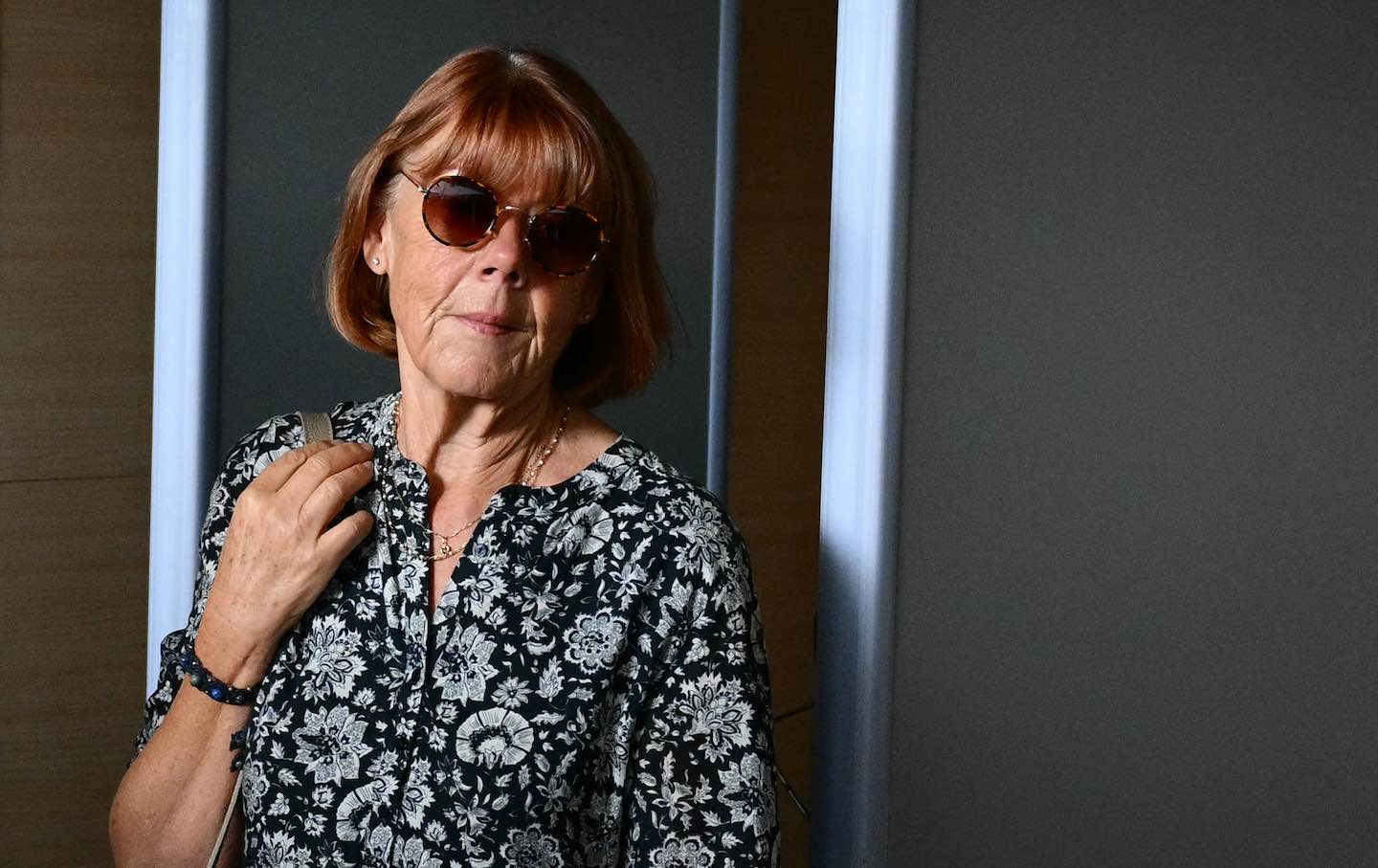
By now, the whole world has heard the story of Gisèle Pelicot, and it’s hard to say what the worst part of it is. Pelicot is the 72-year-old French woman whose husband, Dominique, is on trial for drugging her food and inviting at least 80 men to rape her while she was unconscious. (He photographed the whole thing, saving the evidence in a computer file conveniently titled “abuse.”) Over the course of a decade, Gisèle visited many doctors for strange symptoms—memory loss, unexplained headaches, gynecological problems—and none had a clue what was wrong. This unbelievably courageous woman opted to reveal her name and make the trial public, to call attention to rape; in France, as elsewhere, women are often blamed and shamed for their own violation, and French rape law does not cover lack of consent. Pelicot’s insistence on a public trial is the reason we know about the alleged perpetrators, all supposedly regular guys from the area around Mazan, the small town in Provence where the couple lived, whom Dominique solicited online: a firefighter, a truck driver, a construction worker, a soldier, a city councilor, a journalist, a nurse. Fifty are now on trial with the husband; some 30 have not been identified.
“I saw him now and then in the bakery; I would say hello,” Gisèle said of one man. Some had previous convictions for rape or domestic violence, but most are stable citizens, husbands, and fathers, ages 26 to 74, who thought it was OK to rape an unconscious woman. Their defenses are preposterous: I thought she was only pretending to be asleep as part of a sex game. Her husband said it was OK, and husbands can do what they want to their wives. “If the husband was present, it wasn’t rape,” said one man. Most of the men are pleading not guilty and blame the public trial for ruining their lives. Poor babies! Dominique, however, confesses to the whole thing: “I am a rapist just like all the others in this room.” Were the accomplices deceived? “When they came, they already knew everything. They all knew how this went about before the meetings.”
I hope all these men go to prison for many years—the maximum sentence is 20. If that makes me a carceral feminist, fine. Because what this case reveals is that the sex crimes we think of as rare, committed by unusual, powerful people—Harvey Weinstein, let’s say, or the rest of the celebrities exposed by #MeToo—are also committed by seemingly ordinary ones with no special power or status: your neighbor, your coworker, your boss; maybe even your boyfriend, husband, father, or son. Gisèle had no idea her husband was setting up elaborate rape scenarios for almost a decade. They’d been teenage sweethearts and had been married for 50 years, with children and grandchildren who visited often. She thought she was happy. How many of the wives and girlfriends of the other men also thought they were nice guys?
Speaking of nice guys, the United Kingdom is reeling from the conviction of beloved BBC star anchorman Huw Edwards for the purchase and possession of child pornography. That’s another crime we think of as something only the rare weirdo in a raincoat commits. Not true: In the UK, 1.8 million men have admitted viewing child porn online. Eight out of 10 get no jail time, including Edwards, who got a six-month suspended sentence and is currently ensconced in a posh London sanitarium; the man he bought the images from, Alex Williams, also got a suspended sentence. According to a recent report by Childlight, an organization that gathers data on child sexual exploitation, 7 percent of British men over the age of 18 have committed some form of online child sexual abuse. The United States, at 11 percent, is even worse. True, studies suggest few of these men will sexually abuse children in person. But viewing the images is itself abuse: They are participating in and promoting the vast industry of real-life child sex abuse needed to make the images, which will live forever online and cause immense distress to the children in them. If prison isn’t feasible—and with numbers like these, it’s clearly not—then what is? My father, a left-wing lawyer and a wonderful man, used to say, “You can’t put the world in jail.” But you can’t put the world in therapy either.
It seems that everywhere I look, there are headlines about men doing terrible things to women and children. Just recently: Mohamed Al-Fayed, former owner of Harrod’s, the celebrated high-end London department store, turns out to be the Harvey Weinstein of retail, having preyed on dozens of young women employees with the help of the store’s security force before his death at 94 last year. In Kenya, the Ugandan Olympic runner Rebecca Cheptegei was set on fire by her boyfriend and died after four days of agony, becoming the third female runner murdered in Kenya by her male partner in three years. In New York, the rap artist and impresario Sean Combs, last seen beating his girlfriend on a hotel security camera, has been arrested for sex trafficking, racketeering, and sexual abuse connected with years of well-attended, drug-fueled orgies involving threats and coercion of women.
Where am I going with this, you ask? Call it a cri de coeur. Everywhere I look, I see staggering amounts of male violence against women, in every country, in every social class, most of it unpunished, most of it waved away. In many countries, women’s rights are being pushed back—including in our own, where just a shade under half of voters support an adjudicated rapist who engineered the downfall of abortion rights and whose misogynistic remarks would fill a book. We’ve had 50 years of contemporary feminism. Shouldn’t we have more to show for it?