Prison Innovations
Writer James Kilgore and information artist Vic Liu demonstrate the improvisations and ingenuities that allow incarcerated people to experience some small human comforts.
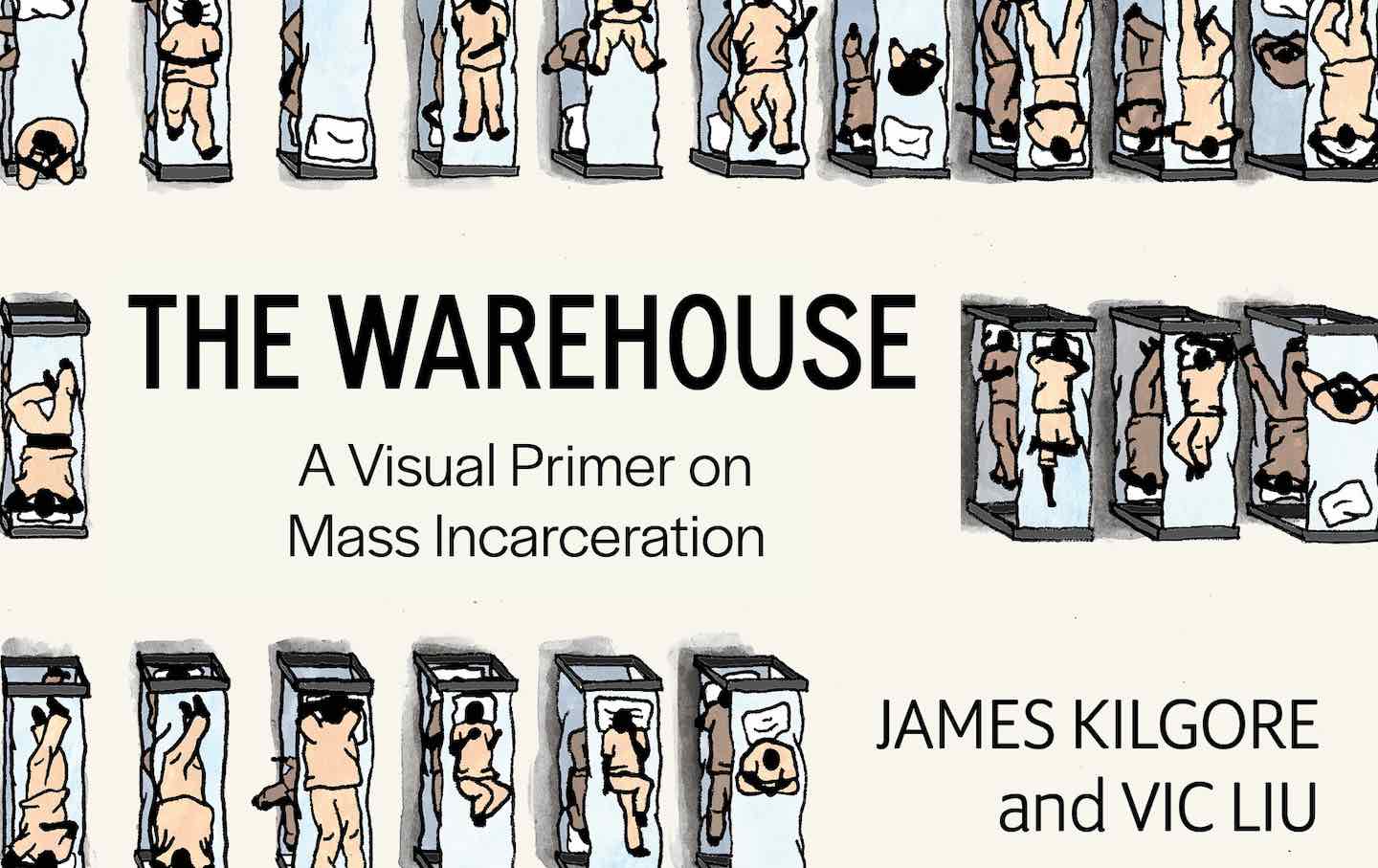
The unforgiving, uniform structure of prison life makes it difficult for a person to hold on to their identity as an individual. Prisoner innovation is a way to reclaim control over one’s humanity. Angelo, an incarcerated artist who drew the pencil sketches shown here, writes, “If some of what’s presented here seems unimpressive, keep in mind that deprivation is a way of life in prison…. But inmates are resilient if nothing else—what’s taken today will be remade by tomorrow, and the cycle goes on and on.”
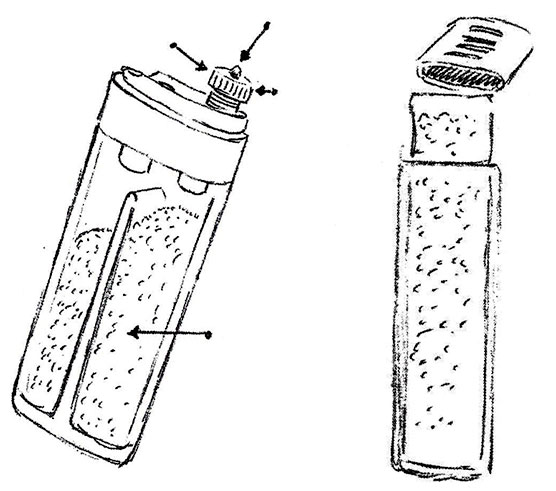
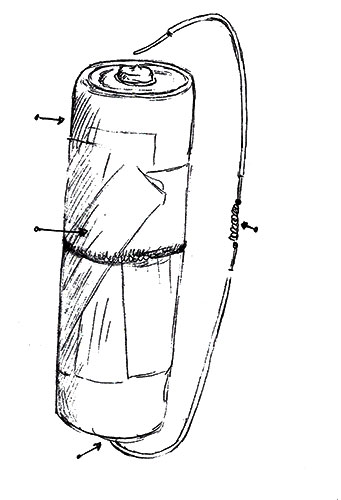
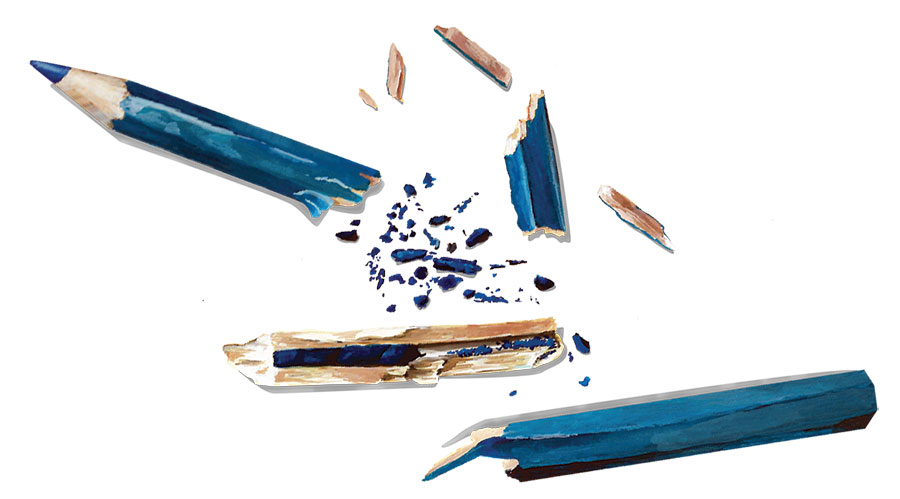
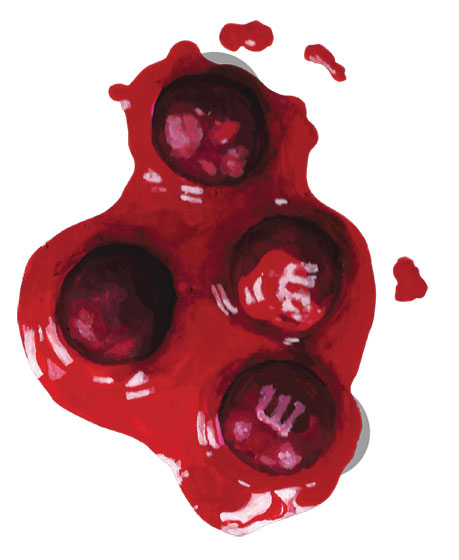
Fakeup: Restrictions on makeup differ from prison to prison and state to state. And the makeup selection at prison commissaries, if it is available, is extremely limited, forcing people to improvise alternatives to put their self-image together. Michelle, a woman incarcerated in California, says that she received “colored pencils for my eyeliner, and calamine lotion mixed with coffee grounds for foundation. When your makeup’s good and your hair’s on point, you feel and act differently; you come to the table stronger because you have your groove on, you’re feeling it. It builds up your confidence.”
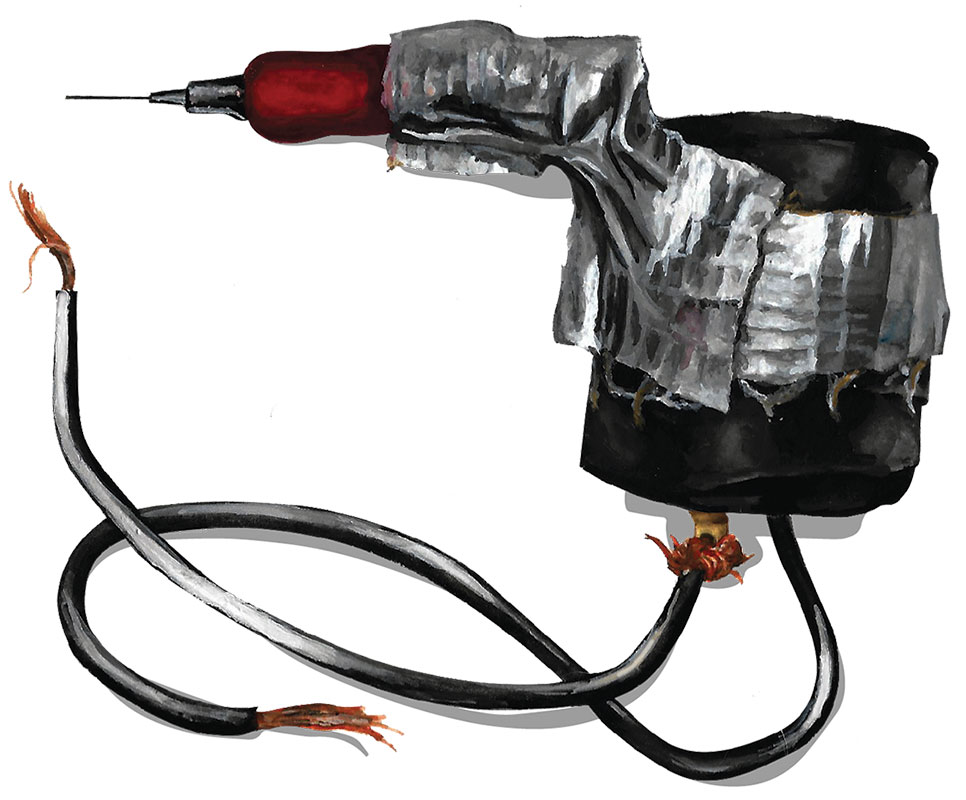
Tattoos: People get tattoos in prison for many reasons. Tattoos can signal what group you belong to and your status in the group. But often people in prison get tattoos for the same reasons people outside of prison get them. “Some people want to look the part, some people actually do get them to illustrate their life story, and some probably get them just because it’s against the rules to get them done,” says Dan Grote, a formerly incarcerated prison teacher. “Not too different from in the world.”
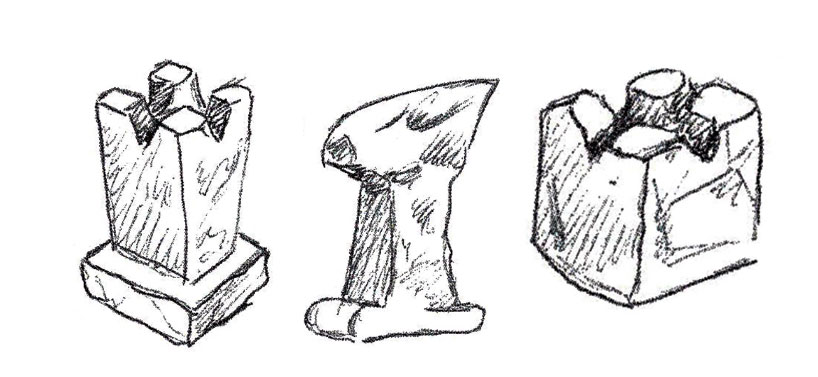
Chess: Angelo’s former celly (cellmate) Ron made papier-mâché chess pieces. He “turned out exquisite sets just as fast as the cops could confiscate them,” Angelo says. “Each set became more elaborate and beautiful—his reasoning being: ‘It’s the cops’ job to keep us down, and ours to show them that they can’t.’” During the pandemic, social-distancing measures not only forced incarcerated people to often spend 23 hours a day in their cells but also resulted in the banning of board games, allegedly to reduce contagion. Harlin Pierce and his friend Wally, incarcerated in Texas, were forced to innovate how they played chess in order to maintain their sanity. They began to play mentally, without a board or pieces, by shouting the moves of each piece to the grid location, playing the game across their cells and entirely in their minds. In order to make sure they were heard correctly over the din of prison life, they created a code for the alphabet, shouting, “Dinosaur 4!” and “Knight captures on Elephant 7!” As Harlin explained, “While we have been forced to relinquish our physical freedom, we don’t have to give up control over our minds.”
Become a Sustaining Donor This September
Between the reemergence of right-wing red-baiting and Donald Trump’s use of the chilling National Security Presidential Memorandum–7 to criminalize left political organizing, we’re seeing McCarthyism reborn before our eyes.
This assault on democracy cannot be ignored or wished away. Resisting it requires bravery in the face of threats and repression, a steadfast commitment to the truth, and the unwavering belief that we can—and will—overcome this darkness.
We must have an independent media that sets the record straight, unearths corruption and abuses of power, and advances a politics of justice and dignity for all if we’re to win this fight.
That’s why I’m writing to you today. This September, The Nation needs to add 100 monthly donors to sustain our progressive journalism. Your contribution makes the next investigative report, the next truth-speaking column, and the next pathbreaking essay all possible.
I hope you’ll support our work with a recurring donation today. If you donate $10 or more a month, we’ll send you a brand new “Hands Off the Free Press!” sticker to recognise your commitment to our cause. Please, donate today.
Onward,
Katrina vanden Heuvel
Editor and Publisher, The Nation