
These Israeli Survivors Don’t Want Revenge
Despite the loud calls for vengeance within Israel, many survivors of Hamas’s October 7 massacres, as well as relatives of those killed or kidnapped, are speaking out against the war on Gaza.
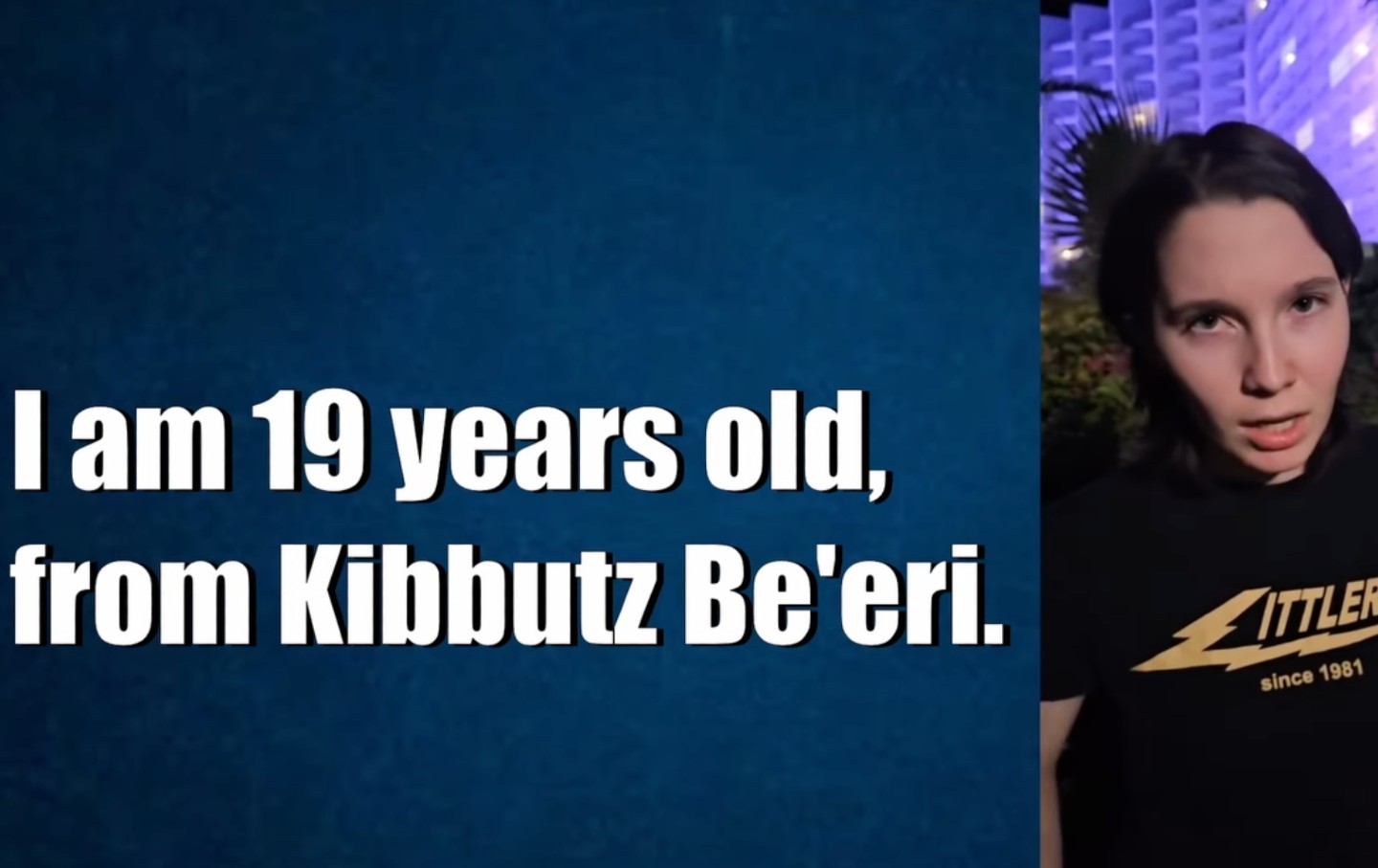
Testimonial by a 19-year-old from Kibbutz Be’eri who survived the Hamas massacre on October 7, 2023.
(Screenshot/Youtube channel of Or-ly Barlev)“Everyone is talking about unity. Guys, unity is terribly beautiful, but in the field there is revenge, and there is cruelty.… We will have our whole lives to grieve, and we will grieve. But now, there is only one goal: to take revenge and to be cruel.”
These were the words of Israeli reserve soldier Guy Hochman—usually an entertainer and online influencer—in an interview on Channel 12 in the first days of Israel’s assault on the Gaza Strip following the October 7 massacres by Hamas militants. In just a few words, Hochman captured the sentiment that appears to have taken hold in Israel, from the far right all the way to many who self-identify as leftists: justification of the catastrophe that Israel is currently wreaking on more than 2 million Palestinians in Gaza.
Some are explaining their justification in terms of “defeating Hamas.” Others, like Hochman, are putting sweeping revenge above all else. It is thus all the more remarkable that, in the face of the prevailing political mood, more and more of those Israelis who survived the massacres, or whose loved ones were killed or kidnapped to Gaza, are expressing unequivocal opposition to the killing of innocent Palestinians, and saying no to revenge.
In a eulogy for her brother Hayim, an anti-occupation activist who was murdered in Kibbutz Holit, Noi Katsman called on her country “not to use our deaths and our pain to cause the death and pain of other people or other families. I demand that we stop the circle of pain, and understand that the only way [forward] is freedom and equal rights. Peace, brotherhood, and security for all human beings.”
Ziv Stahl, executive director of the human rights organization Yesh Din, and a survivor of the hellfire in Kfar Aza, also came out strongly against Israel’s assault on Gaza in an article in Haaretz. “I have no need for revenge, nothing will return those who are gone,” she wrote. “Indiscriminate bombing in Gaza and the killing of civilians uninvolved with these horrible crimes are no solution.”
Yotam Kipnis, whose father was murdered in the Hamas attack, said in his eulogy: “Do not write my father’s name on a [military] shell. He wouldn’t have wanted that. Don’t say, ‘God will avenge his blood.’ Say, ‘May his memory be for a blessing.’”
Michal Halev, the mother of Laor Abramov, who was murdered by Hamas, cried out in a video posted to Facebook: “I am begging the world: stop all the wars, stop killing people, stop killing babies. War is not the answer. War is not how you fix things. This country, Israel, is going through horror.… And I know the mothers in Gaza are going through horror.… In my name, I want no vengeance.”
Maoz Inon, whose parents were murdered on October 7, wrote in Al Jazeera: “My parents were people of peace.… Revenge is not going to bring my parents back to life. It is not going to bring back other Israelis and Palestinians killed either. It is going to do the opposite.… We must break the cycle.”
When Yonatan Ziegen, the son of Vivian Silver, was asked by a journalist what his mother—who is thought to have been kidnapped—would think about what Israel is doing in Gaza now, he replied: “She would be mortified. Because you can’t cure dead babies with more dead babies. We need peace. That’s what she was working for all her life.… Pain is pain.”
And, in a video that has since gone viral, a 19-year-old survivor of the massacre at Kibbutz Be’eri offered a soul-stirring monologue about the government’s abandonment of the residents of the south, in which she pleaded for: “Returning the hostages. Peace. Decency and fairness.… Maybe some of you will find it hard to hear these words. It’s hard for me to speak. But with what I went through in Be’eri, you owe it to me.”
We owe it to them. I listen to them and read their words, and I bow my head before their courage. And I think about the strange insistence by so many in this moment, including so-called leftists, to measure our degree of solidarity, pain, or rage in accordance with our willingness to support the fire that our army is raining down on Gaza.
What will you say to this bereaved father? To that survivor of the massacre? Do they also lack solidarity? Where does the boldness come from to determine what is going on inside each one of our broken hearts and minds?
Popular
“swipe left below to view more authors”Swipe →I see the accusations against those who beg for an end to this futile carnage, this terrible and menacing war crime in Gaza, and I think of the sentence uttered by Ben Kfir, a member of the Bereaved Families Forum, that was engraved in my head years ago when he spoke of the futility of revenge: “I lost my daughter, not my mind.”
This man, who lost the person most dear to him of all, and many others who have now joined the circle of bereavement, understand what so many are today still refusing to understand: that the path we are being offered, of more blood and more “deterrence,” is exactly the path we have been offered so many times before, and that led us to the horrors we are seeing today.
Beyond the immorality of justifying the atrocities Israel is committing in Gaza, the expectation that this time the mass slaughter will lead to a different result than all the previous military campaigns—which achieved nothing but deepening the despair, suffering, and hatred on the Palestinian side—is a terrible self-deception whose price will be paid again by the residents of the south.
Don’t say that Israel is doing it for them. Israel abandoned the south in a colossal crime, and cannot redeem its crime with the blood of innocents in Gaza. Instead of indulging in this lust for revenge, let’s listen to the families of the victims.
More from The Nation
Albanian Student Strikes Spur a Political Crisis Albanian Student Strikes Spur a Political Crisis
A new round of protests against the ruling party’s corruption has Prime Minister Edi Rama giving cops bonuses to crack down on dissent.
Inside India’s Gen Z Cockroach Janta Movement Inside India’s Gen Z Cockroach Janta Movement
Young Indians are challenging the purge of voter rolls by Modi’s right-wing government. Shrishti Khanna, who was detained by Delhi police while covering the protests, explains.
The Clarion Call of “NAZA” The Clarion Call of “NAZA”
Yuval Abraham and Rachel Szor’s new film not only documents the horrors of the present but give us a glimpse of a possible future too.
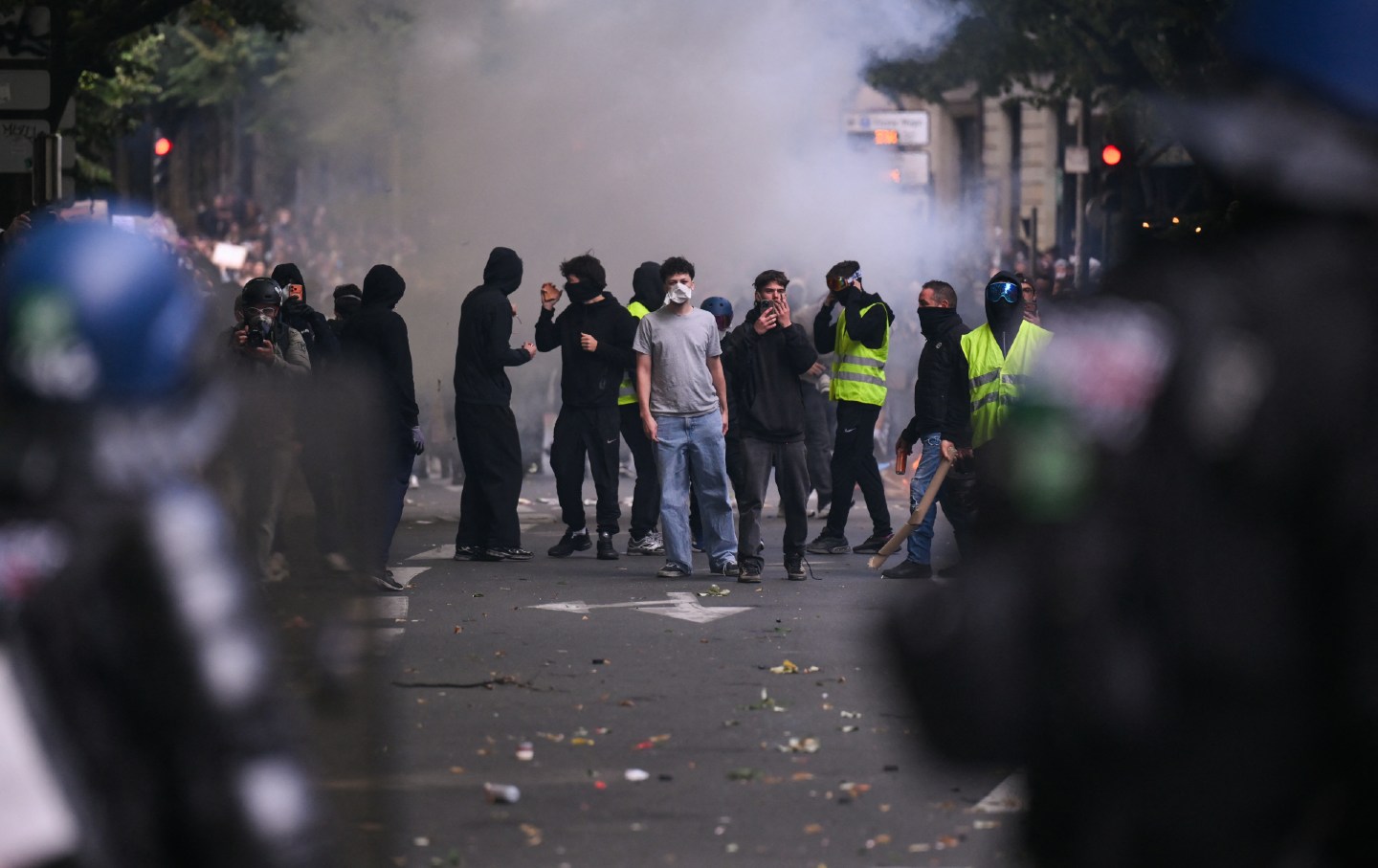
The Specter of Lepenism Looms Over France’s Social Crisis The Specter of Lepenism Looms Over France’s Social Crisis
Joining forces with the “yellow vests,” youth demonstrators are raising the alarm in a country falling to the far right.
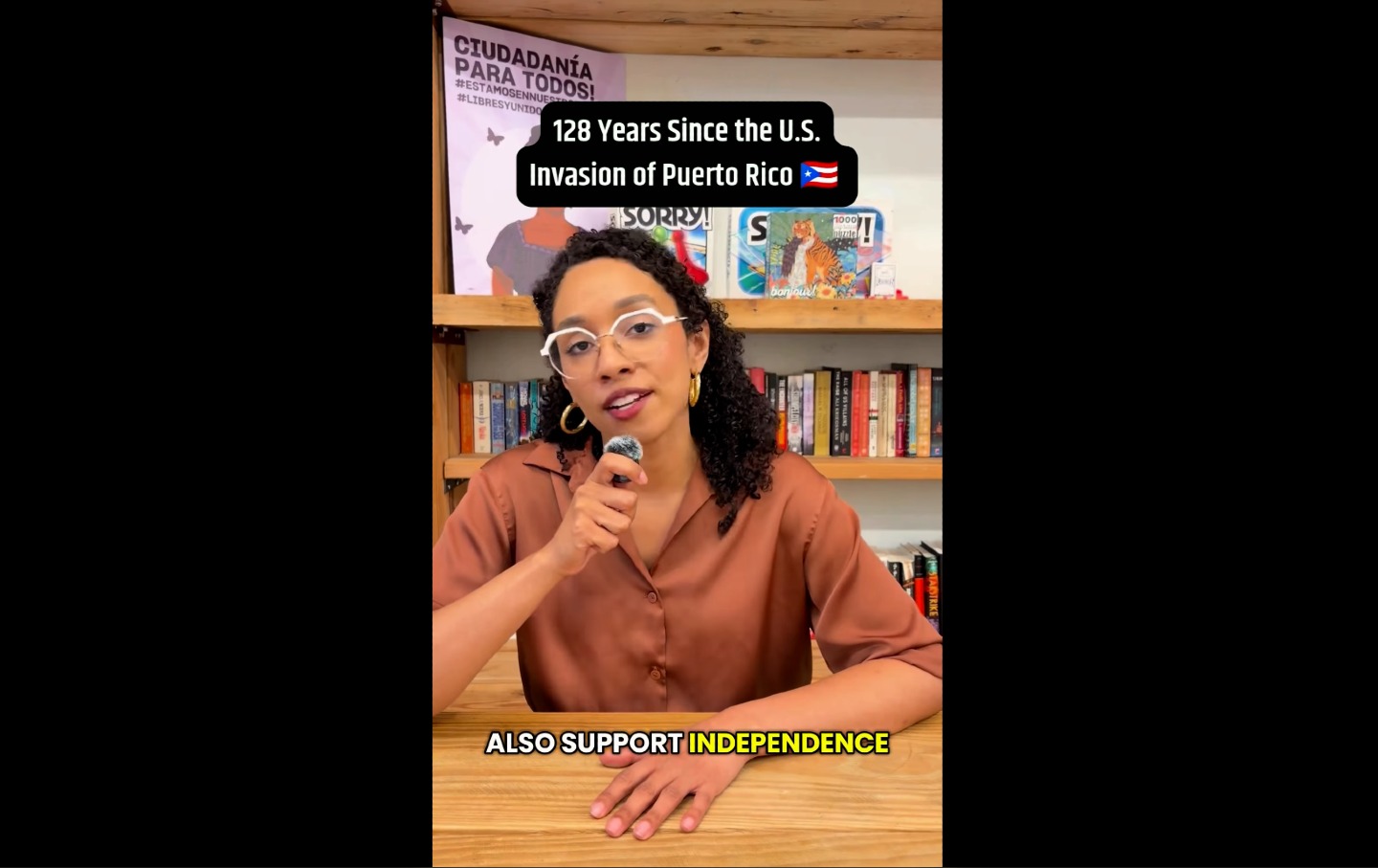
Progressives Are Backing Puerto Rican Independence. It’s About Time. Progressives Are Backing Puerto Rican Independence. It’s About Time.
More and more leftists are concluding that statehood for the island is not enough.
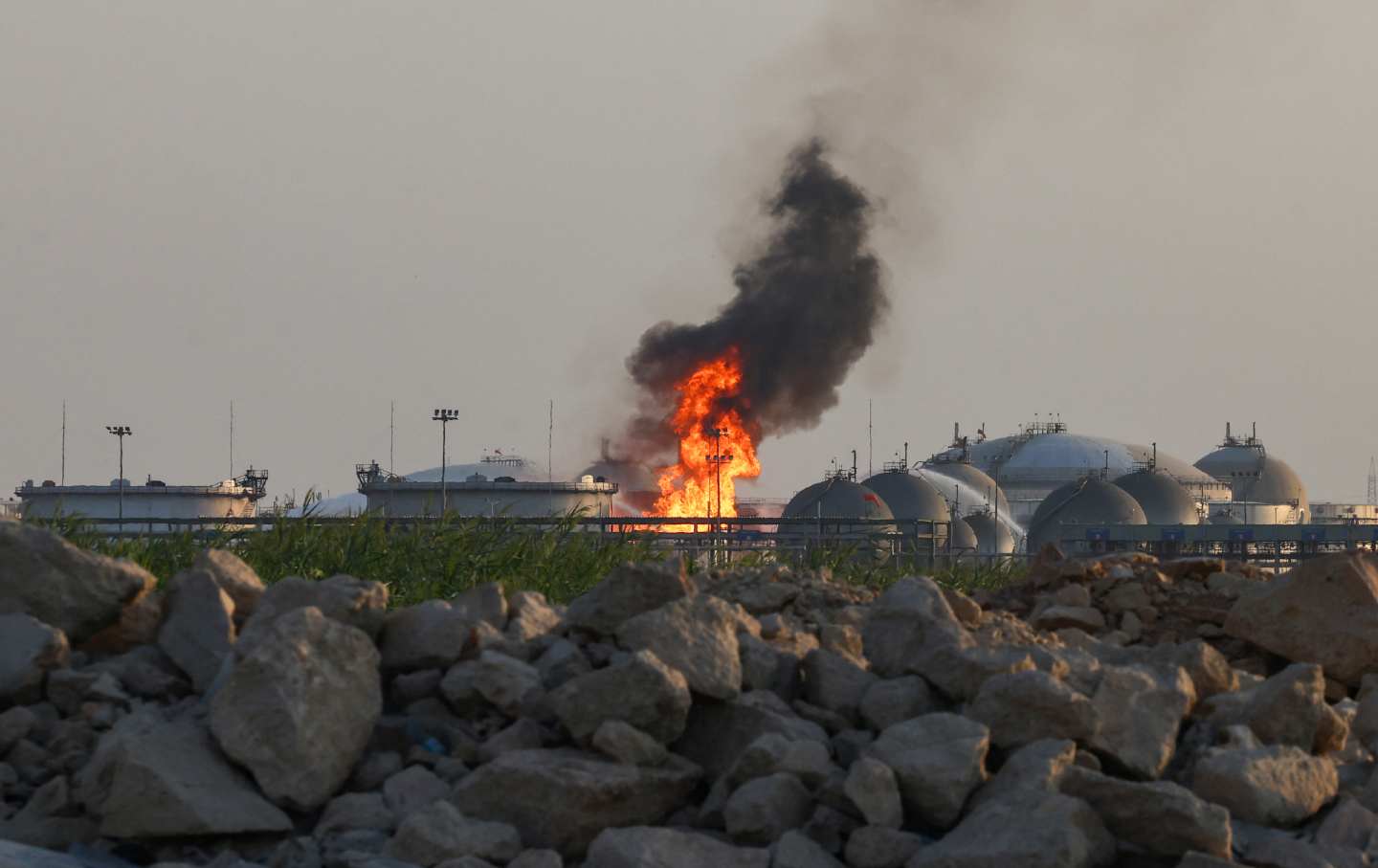
The Saudi Phase of the Iran War Signals More Chaos to Come The Saudi Phase of the Iran War Signals More Chaos to Come
The conflict that Donald Trump has repeatedly proclaimed an unequivocal American victory keeps spiraling out of control.

