
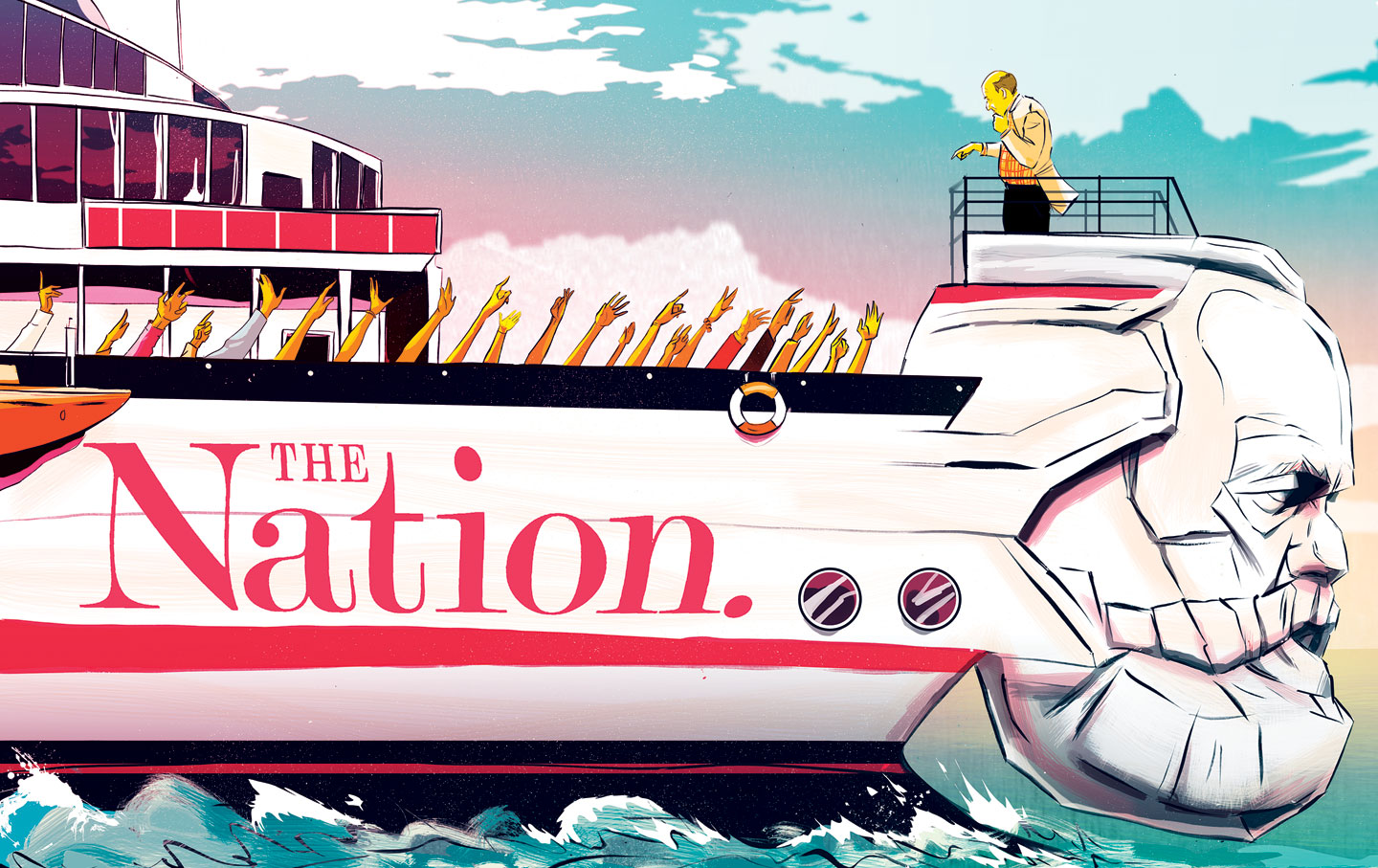
How I Learned to Stop Worrying and Love ‘Nation’ Readers How I Learned to Stop Worrying and Love ‘Nation’ Readers
On a Nation cruise, the maritime adventure I usually refer to as “Lefties at Sea,” I used to take it for granted that some of the guests were troubled by my presence.
Mar 23, 2015 / Feature / Calvin Trillin

What Would Lincoln Think of Race Relations on His 100th Birthday? What Would Lincoln Think of Race Relations on His 100th Birthday?
The Nation’s publisher writes about “the negro problem” during the very week he helped found the NAACP.
Mar 23, 2015 / Feature / Oswald Garrison Villard
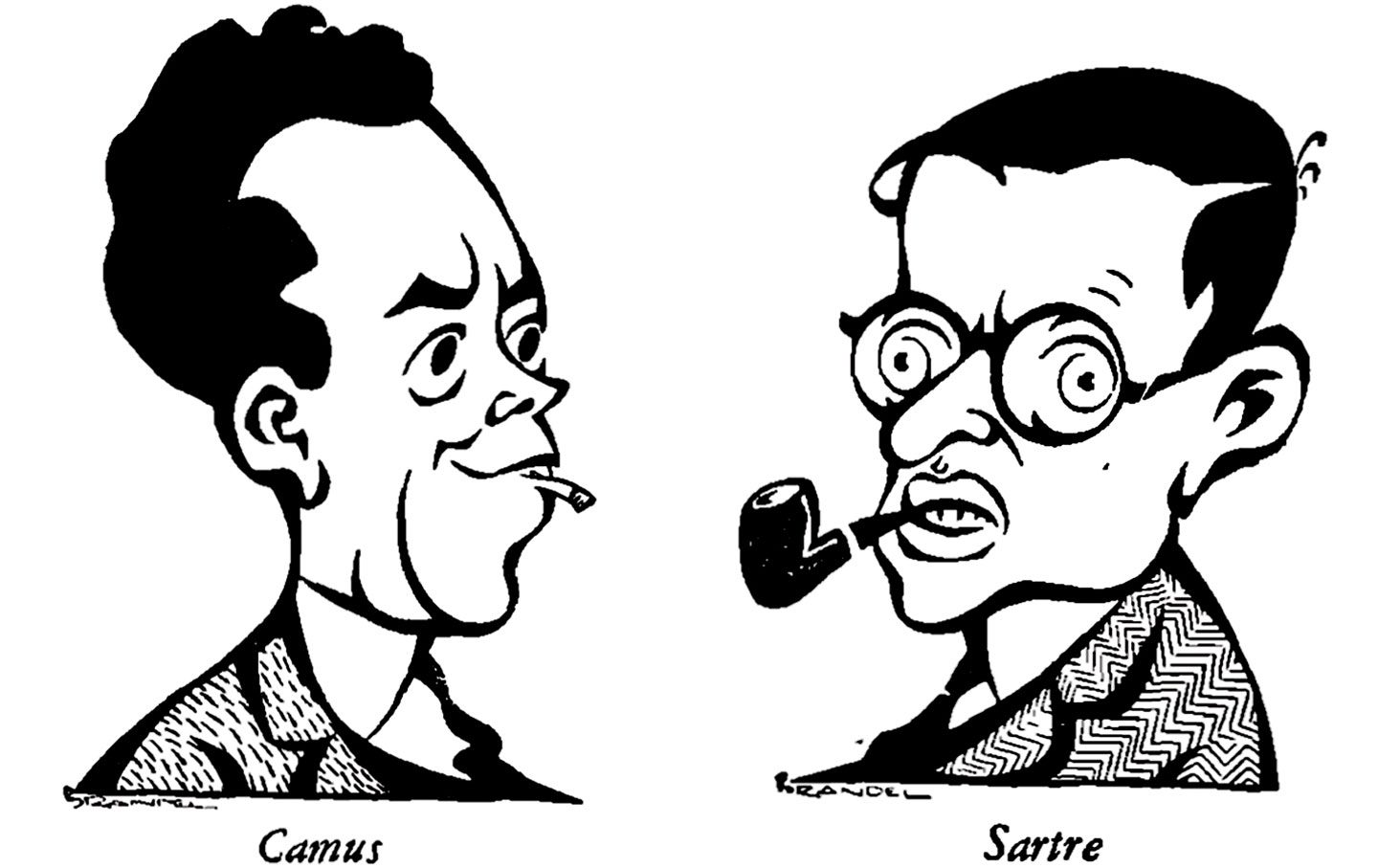
What Is This New Philosophy They Call ‘Existentialism’? What Is This New Philosophy They Call ‘Existentialism’?
It would be a cheap error to mistake this new trend in philosophy and literature for just another fashion of the day.
Mar 23, 2015 / Feature / Hannah Arendt

What Can the White Man Say to the Black Woman? What Can the White Man Say to the Black Woman?
Only one thing that the black woman might hear.
Mar 23, 2015 / Books & the Arts / Alice Walker
Varick Street Varick Street
March 15, 1947 At night the factories struggle awake, wretched uneasy buildings veined with pipes attempt their work. Trying to breathe the elongated nostrils haired with spikes give off such stenches, too. And I shall sell you sell you sell you of course, my dear, and you’ll sell me. On certain floors certain wonders. Pale dirty light, some captured iceberg being prevented from melting. See the mechanical moons, sick, being made to wax and wane at somebody’s instigation. And I shall sell you sell you sell you of course, my dear, and you’ll sell me. Lights music of love work on. The presses print calendars I suppose, the moons make medicine or confectionary. Our bed shrinks from the soot and the hapless odors hold us close. And I shall sell you sell you sell you of course, my dear, and you’ll sell me. This article is part of The Nation’s 150th Anniversary Special Issue. Download a free PDF of the issue, with articles by James Baldwin, Barbara Ehrenreich, Toni Morrison, Howard Zinn and many more, here. Elizabeth Bishop (1911–1979), the poet laureate of the United States from 1949 to 1950, published two poems in The Nation between 1945 and 1947, when Randall Jarrell was interim literary editor. She was a longtime friend of the more frequent Nation contributor Marianne Moore, who in a 1946 review in these pages described Bishop as “spectacular in being unspectacular.”
Mar 23, 2015 / Books & the Arts / Elizabeth Bishop

Night Thoughts Night Thoughts
On reverence, rebellion and other alternatives to social suicide.
Mar 23, 2015 / Feature / JoAnn Wypijewski
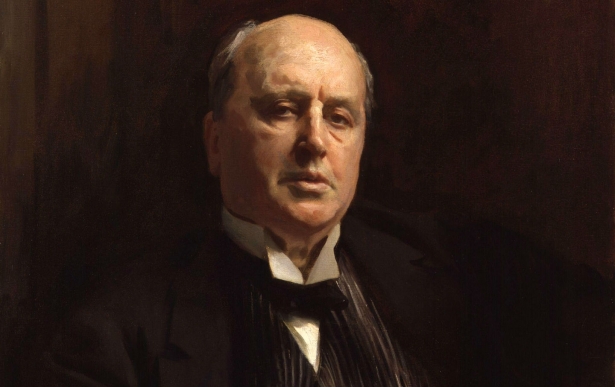
1905–1915: Henry James’s Obscurities 1905–1915: Henry James’s Obscurities
To get the story you must pay the price.
Mar 23, 2015 / Feature / The Nation
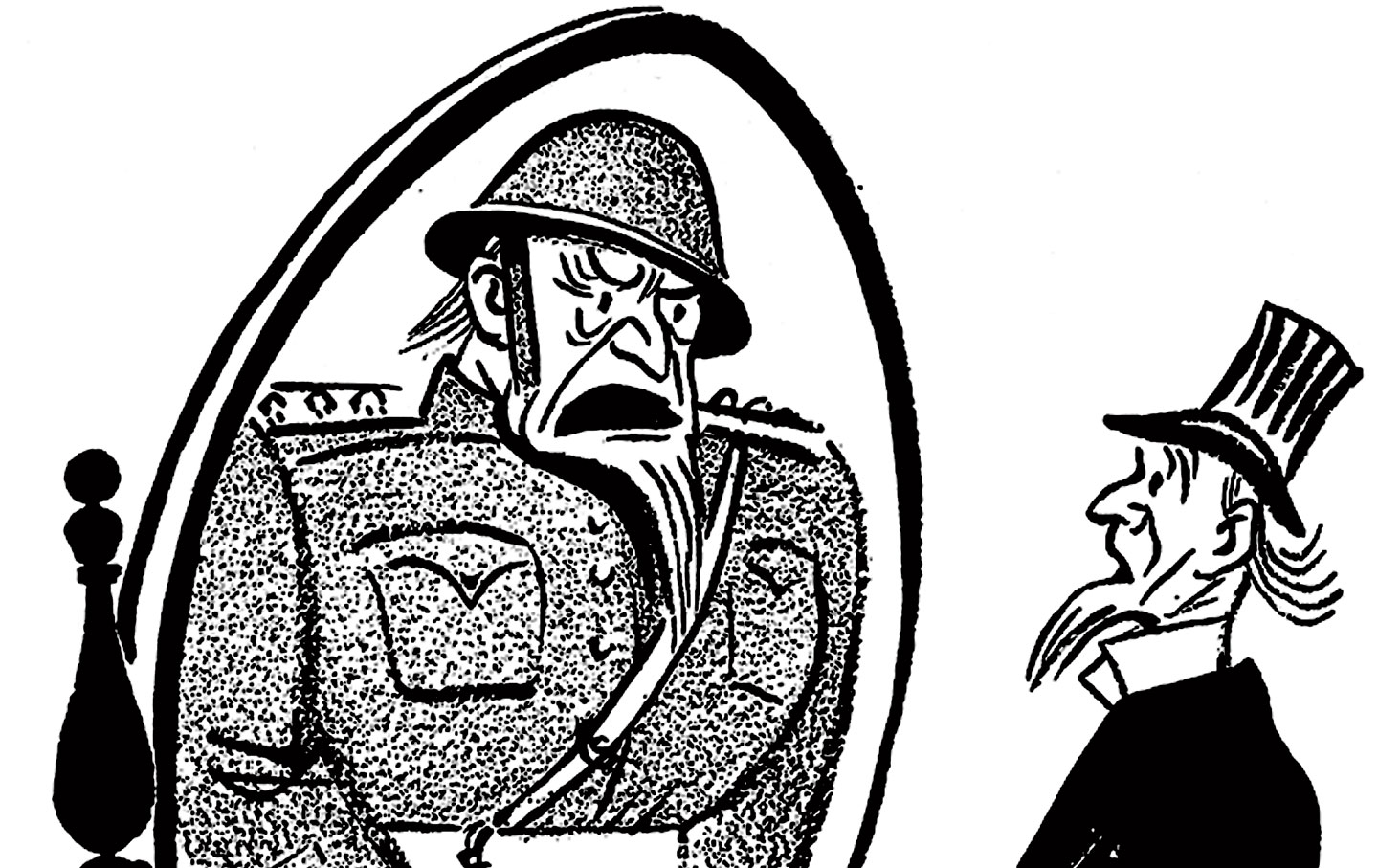
The Reporter Who Warned Us Not to Invade Vietnam 10 Years Before the Gulf of Tonkin The Reporter Who Warned Us Not to Invade Vietnam 10 Years Before the Gulf of Tonkin
A farsighted policy might do more to stem the Communist tide than sending a few more plane-loads of napalm.
Mar 23, 2015 / Feature / Bernard Fall and Frances FitzGerald

Is the UK Labor Party Too Moderate to Be in Power? Is the UK Labor Party Too Moderate to Be in Power?
Its leaders speak the language of social concern, yet their strategy is marked by extreme caution, an avoidance of any appearance of radicalism.
Mar 23, 2015 / Books & the Arts / Edward Miliband
Now and Forever Now and Forever
April 25, 1994 I’ll settle for Immortality— Not thru the body Not thru the eyes Star spangled high mountains waning moon over Aspen peaks; But thru words, thru the breath of long sentences loves I have, heart beating still, inspiration continuous, exhalation of cadenced affection These immortal survive America, survive the fall of States Departure of my body, mouth dumb dust This verse broadcasts desire, accomplishment of Desire Now and forever boys can read girls ream, old men cry Old women sigh youth still come. 7/19/92, Aspen This article is part of The Nation’s 150th Anniversary Special Issue. Download a free PDF of the issue, with articles by James Baldwin, Barbara Ehrenreich, Toni Morrison, Howard Zinn and many more, here. Allen Ginsberg (1926–1997) published three poems in The Nation in the 1990s. A 1959 letter to the editor he co-wrote is reprinted in this issue.
Mar 23, 2015 / Books & the Arts / Allen Ginsberg