

If We Repossessed Empty Homes, Homelessness Would Be Over If We Repossessed Empty Homes, Homelessness Would Be Over
It will need a robust Mayor and city government to take the law into their own hands; but the people would support them.
Mar 23, 2015 / Feature / William MacDonald and Bill de Blasio
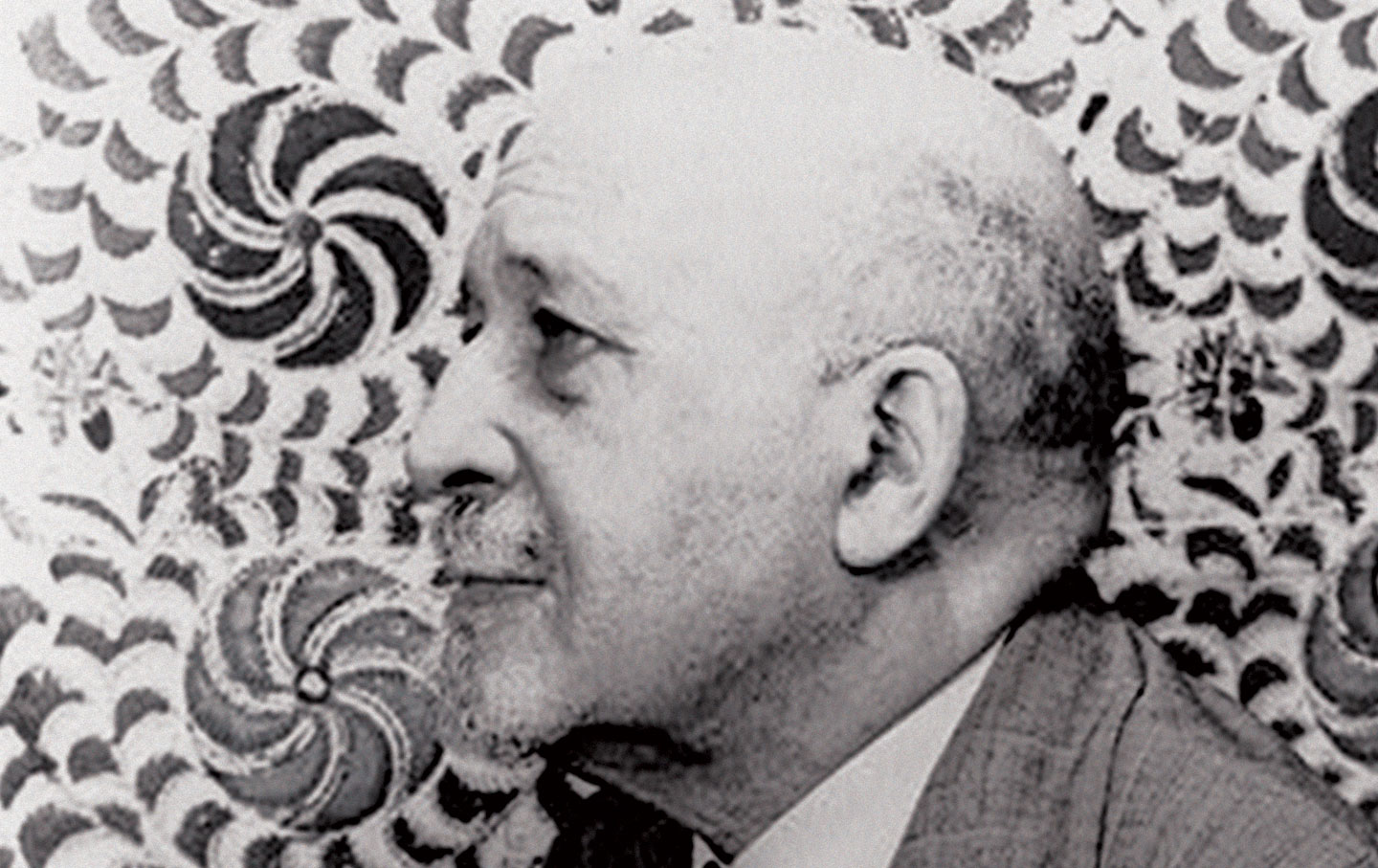
Voting Does Not Make a Difference Voting Does Not Make a Difference
Democracy is dead in the United States. Yet there is still nothing to replace real democracy.
Mar 23, 2015 / Books & the Arts / W.E.B. Du Bois

Adolph Reed Destroys ‘The Bell Curve’ Adolph Reed Destroys ‘The Bell Curve’
Despite their concern to insulate themselves from the appearance of racism, Herrnstein and Murray display a perspective worthy of an Alabama filling station.
Mar 23, 2015 / Books & the Arts / Adolph Reed Jr.
Parting Parting
December 7, 1963 White morning flows into the mirror. Her eye, still old with sleep, meets itself like a sister. How they slept last night, the dream that caged them back to back, was nothing new. Last words, tears, most often come wrapped as the everyday familiar failure. Now, pulling the comb slowly through her loosened hair, she tries to find the parting; it must come out after all: hidden in all that tangle there is a way. This article is part of The Nation’s 150th Anniversary Special Issue. Download a free PDF of the issue, with articles by James Baldwin, Barbara Ehrenreich, Toni Morrison, Howard Zinn and many more, here. Over a half-century, Adrienne Rich (1929–2012) wrote twenty-two poems for The Nation and several reviews and essays, including a 2002 piece exploring the meaning of “antiwar.”
Mar 23, 2015 / Books & the Arts / Adrienne Rich
1915–1965 1915–1965
From World War I to Vietnam, from the red scare to McCarthyism, The Nation stood firm for civil liberties and civil rights, even when that meant being banned—or standing alone.
Mar 23, 2015 / Books & the Arts / D.D. Guttenplan

Can Men and Women Be Friends? Can Men and Women Be Friends?
Feminism has opened up far more space than could have been imagined in the 1920s.
Mar 23, 2015 / Feature / Floyd Dell and Michelle Goldberg
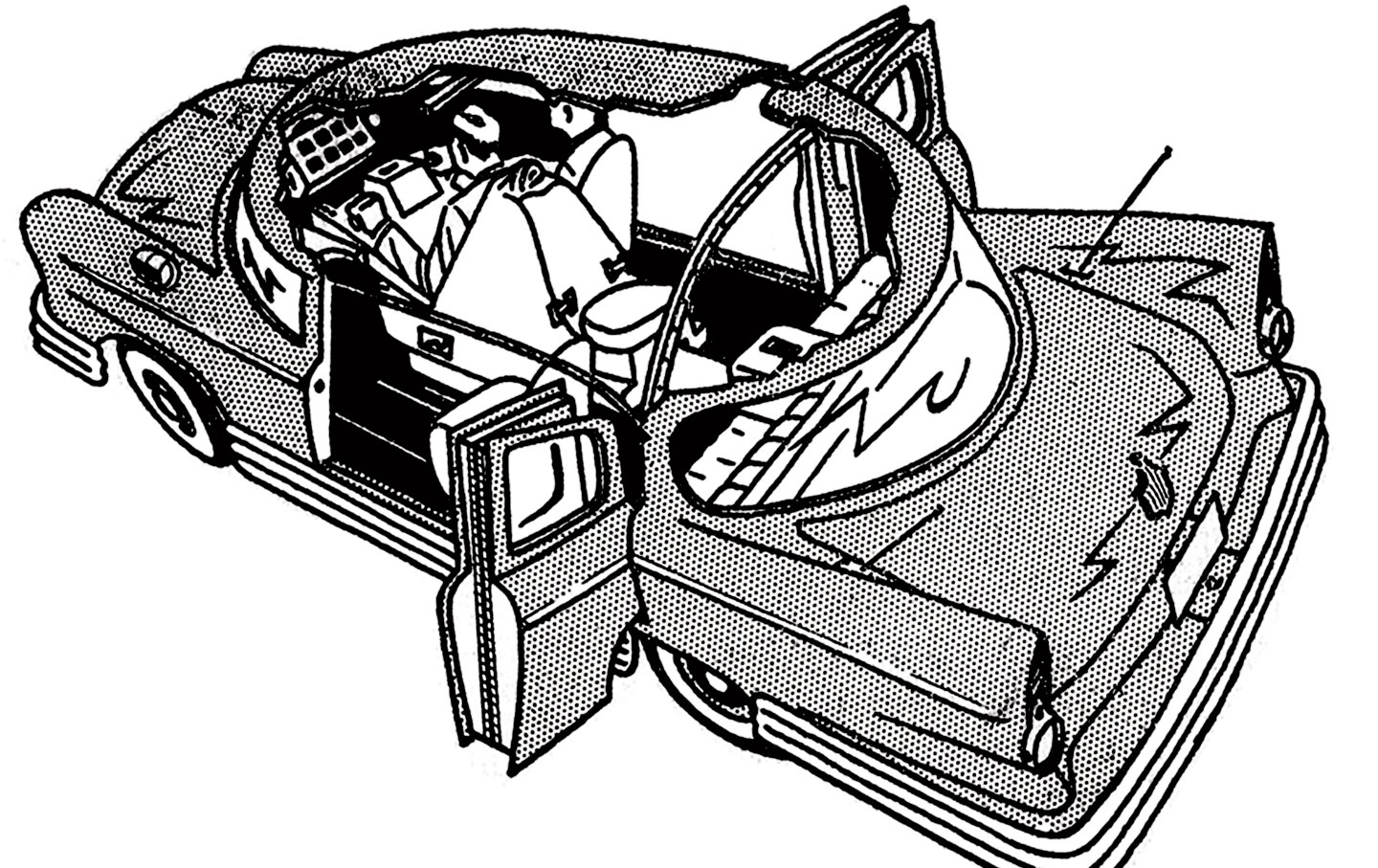
The Article That Launched the Consumer-Rights Movement The Article That Launched the Consumer-Rights Movement
Innumerable precedents show that the consumer must be protected from his own indiscretion and vanity.
Mar 23, 2015 / Books & the Arts / Ralph Nader
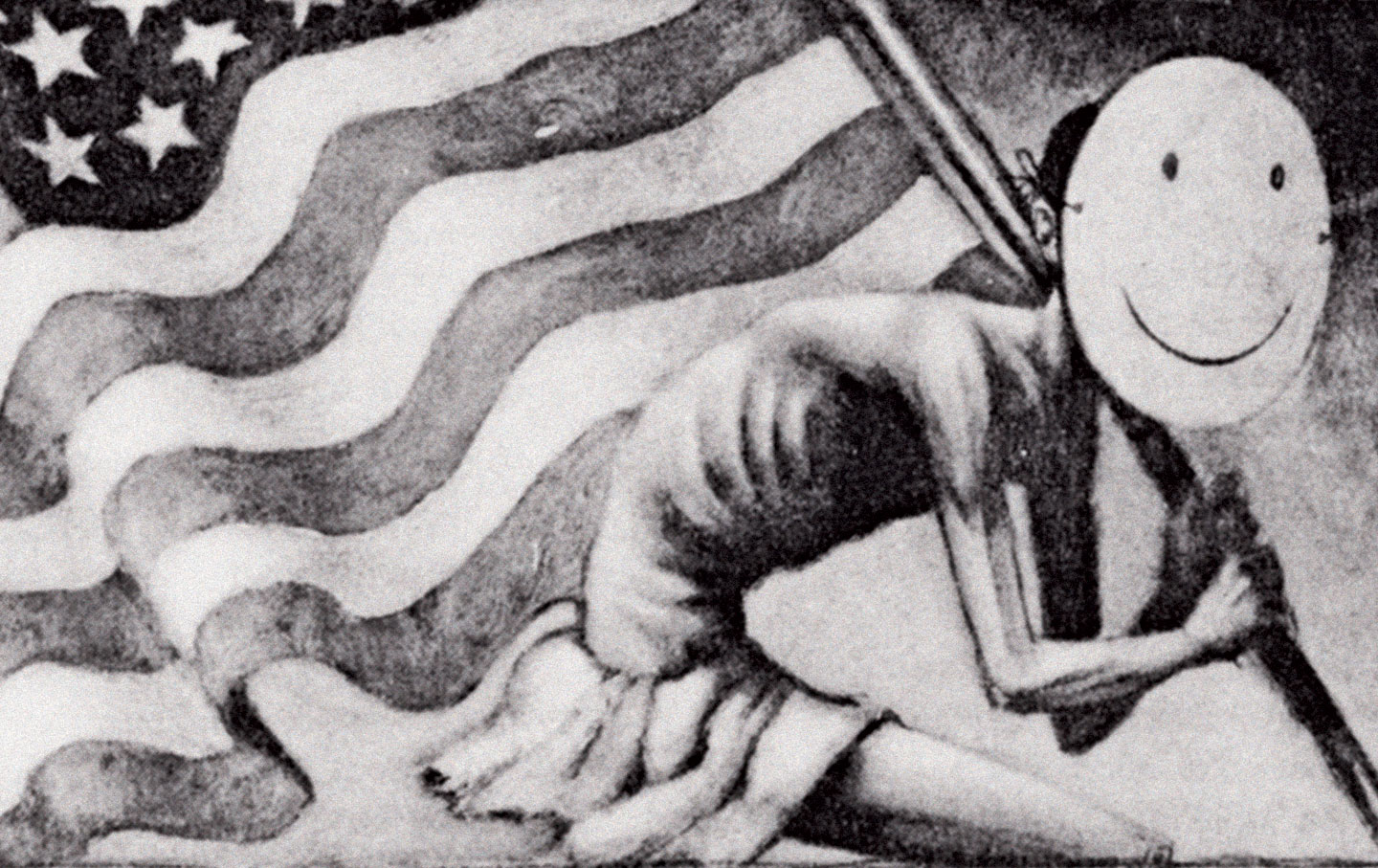
1985–1995: American Politics and Culture is Being Radically Reformed 1985–1995: American Politics and Culture is Being Radically Reformed
Nation writers on late 1980s New York, Jesse Jackson's presidential campaign, gay rights, Rupert Murdoch's ambitions and the case for federal funding of the arts.
Mar 23, 2015 / Books & the Arts / The Nation
The Starry Night The Starry Night
September 2, 1961 “That does not keep me from having a terrible need of—shall I say the word—religion. Then I go out at night to paint the stars.” —Vincent Van Gogh, in a letter to his brother The town does not exist except where one black haired tree slips up like a drowned woman into the hot sky. The town is silent. The night boils with eleven stars. Oh starry starry night! This is how I want to die. It moves. They are all alive. Even the moon bulges in its orange irons to push children, like a god, from its eye. The old unseen serpent swallows up the stars. Oh starry starry night! This is how I want to die: into the rushing beast of the night, sucked up by that great dragon, to split from my life with no flag, no belly, no cry. This article is part of The Nation’s 150th Anniversary Special Issue. Download a free PDF of the issue, with articles by James Baldwin, Barbara Ehrenreich, Toni Morrison, Howard Zinn and many more, here. Anne Sexton (1928–1974) won the Pulitzer Prize for poetry in 1967 for Live or Die.
Mar 23, 2015 / Books & the Arts / Anne Sexton
1965–2015 1965–2015
A forum for debate between radicals and liberals in an age of austerity, surveillance and endless war, The Nation has long had one foot inside the establishment and one outside it....
Mar 23, 2015 / Books & the Arts / D.D. Guttenplan