

Young ‘Nation’ Writers On Creating Our Radical Future Young ‘Nation’ Writers On Creating Our Radical Future
As The Nation looks forward to the next 150 years, we asked some contributors to StudentNation, the campus-oriented section of our site, and former Nation interns what a radical fu...
Mar 23, 2015 / Feature / The Nation

Weird Bedfellows Weird Bedfellows
In their defense of “tradition” against the liberating potential of architecture, Prince Charles and Xi Jinping find unlikely common ground.
Mar 23, 2015 / Books & the Arts / Michael Sorkin

American Imperialism: This Is When It All Began American Imperialism: This Is When It All Began
Accustomed to trampling democracy at home, jingoists cannot be expected to see its virtues abroad.
Mar 23, 2015 / Books & the Arts / Horace White and Elinor Langer

Is the UK Labor Party Too Moderate to Be in Power? Is the UK Labor Party Too Moderate to Be in Power?
Its leaders speak the language of social concern, yet their strategy is marked by extreme caution, an avoidance of any appearance of radicalism.
Mar 23, 2015 / Books & the Arts / Edward Miliband

For the Jews—Life or Death? For the Jews—Life or Death?
An appeal for help from 1944.
Mar 23, 2015 / Feature / I.F. Stone
Tight Rope Tight Rope
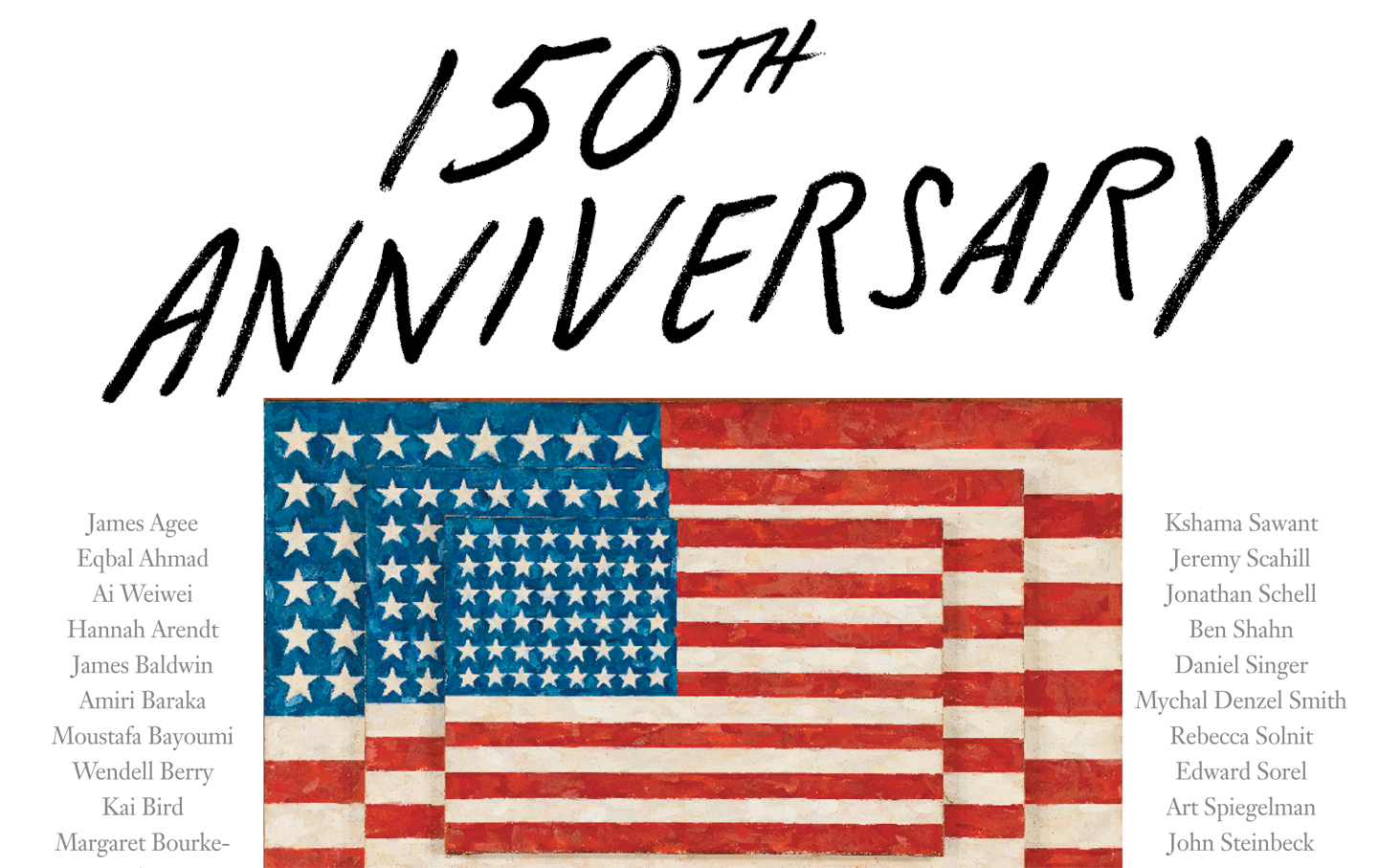
July 13, 1963 We live in fragments like speech. Like the fits of wind, shivering against the window. Pieces of meaning, pierced and strung together. The bright bead of the poem, the bright bead of your woman’s laughter. This article is part of The Nation’s 150th Anniversary Special Issue. Download a free PDF of the issue, with articles by James Baldwin, Barbara Ehrenreich, Toni Morrison, Howard Zinn and many more, here. The Nation was one of the first major publications to print LeRoi Jones’s work, including his 1964 essay on the fight between Cassius Clay and Sonny Liston. Jones (1934–2014) later changed his name to Amiri Baraka.
Mar 23, 2015 / Books & the Arts / LeRoi Jones
Testimonials to ‘The Nation’ Testimonials to ‘The Nation’
Encomiums from Elizabeth Warren, Rev. Jesse Jackson, Bernie Sanders and many more.
Mar 23, 2015 / Feature
Home Song Home Song
March 24, 1926 Oh breezes blowing on the red hill-top By tall fox-tails, Where through dry twigs and leaves and grasses hop The dull-brown quails! Is there no magic floating in the air To bring to me A breath of you, when I am homesick here Across the sea? Oh black boys holding on the cricket ground A penny race! What other black boy frisking round and round, Plays in my place? When picnic days come with their yearly thrills In warm December, The boy in me romps with you in the hills— Remember! Paris, 1925 This article is part of The Nation’s 150th Anniversary Special Issue. Download a free PDF of the issue, with articles by James Baldwin, Barbara Ehrenreich, Toni Morrison, Howard Zinn and many more, here. Claude McKay (1889–1948), author of the novels Home to Harlem (1928) and Banjo (1929), only published this one poem in The Nation, but he also wrote three essays in the mid-1930s on race relations in New York City—including a firsthand report on the 1935 Harlem riot—and one travel dispatch from North Africa.
Mar 23, 2015 / Books & the Arts / Claude McKay
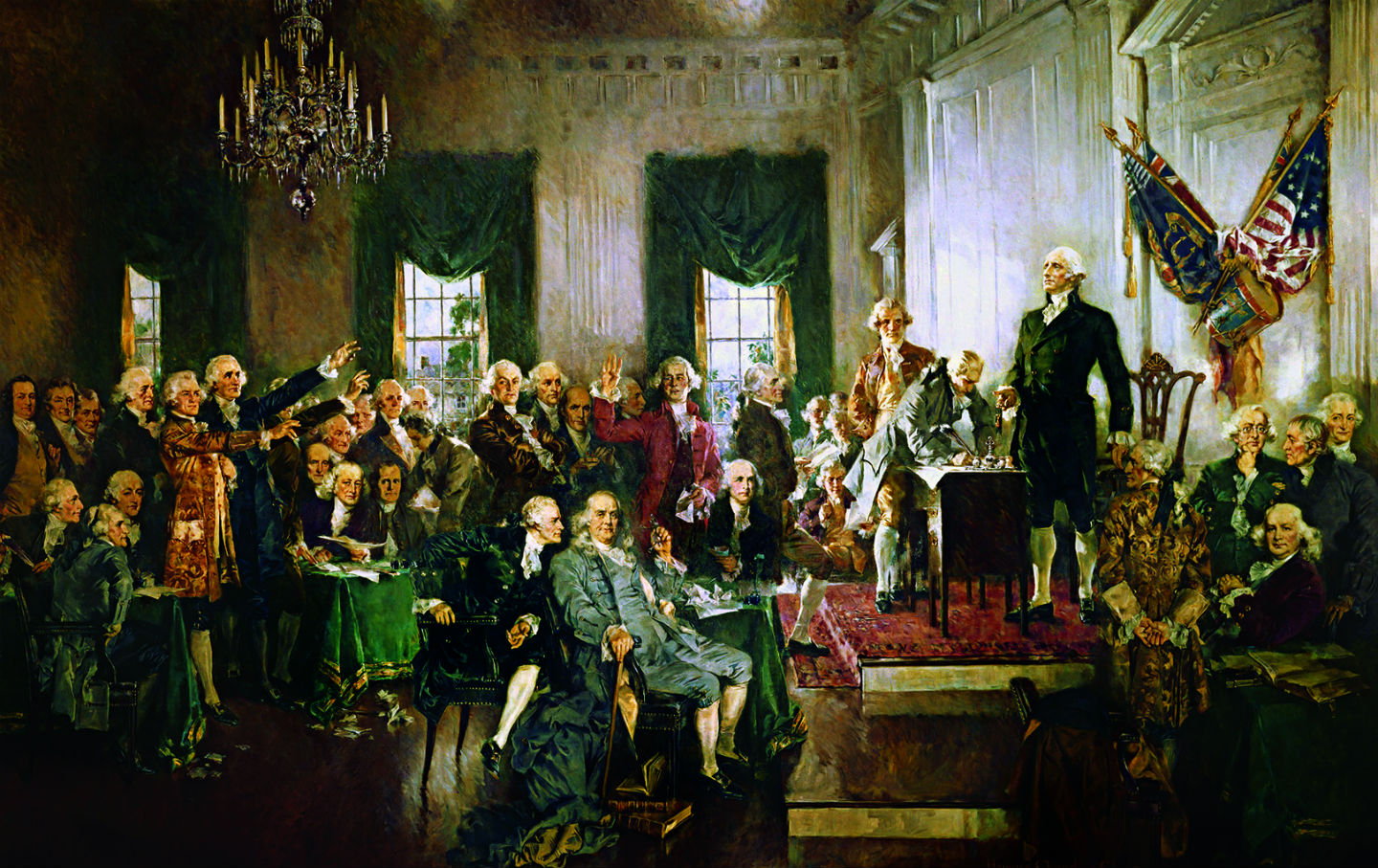
When the Constitution Becomes The Last Resort of Scoundrels When the Constitution Becomes The Last Resort of Scoundrels
We know today the Founders were not Fathers to be proud of.
Mar 23, 2015 / Feature / Simeon Strunsky and Richard Kreitner
Are Women Morally Superior to Men? Are Women Morally Superior to Men?
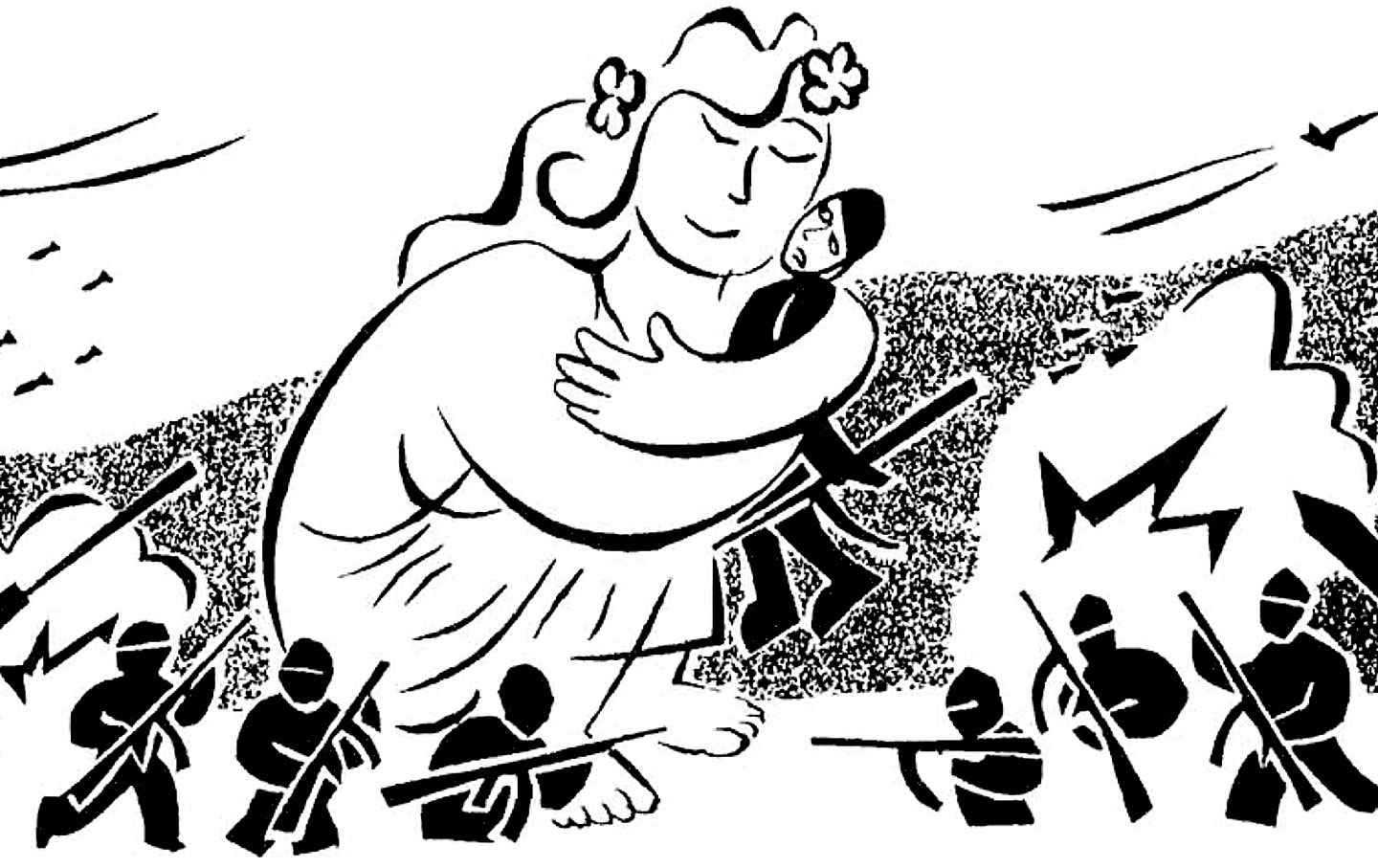
Woman as sharer and carer, woman as earth mother, woman as guardian of small rituals—these images are as old as time.
Mar 23, 2015 / Books & the Arts / Katha Pollitt