
Home Song Home Song
March 24, 1926 Oh breezes blowing on the red hill-top By tall fox-tails, Where through dry twigs and leaves and grasses hop The dull-brown quails! Is there no magic floating in the air To bring to me A breath of you, when I am homesick here Across the sea? Oh black boys holding on the cricket ground A penny race! What other black boy frisking round and round, Plays in my place? When picnic days come with their yearly thrills In warm December, The boy in me romps with you in the hills— Remember! Paris, 1925 This article is part of The Nation’s 150th Anniversary Special Issue. Download a free PDF of the issue, with articles by James Baldwin, Barbara Ehrenreich, Toni Morrison, Howard Zinn and many more, here. Claude McKay (1889–1948), author of the novels Home to Harlem (1928) and Banjo (1929), only published this one poem in The Nation, but he also wrote three essays in the mid-1930s on race relations in New York City—including a firsthand report on the 1935 Harlem riot—and one travel dispatch from North Africa.
Mar 23, 2015 / Books & the Arts / Claude McKay

Can Men and Women Be Friends? Can Men and Women Be Friends?
Feminism has opened up far more space than could have been imagined in the 1920s.
Mar 23, 2015 / Feature / Floyd Dell and Michelle Goldberg

Adolph Reed Destroys ‘The Bell Curve’ Adolph Reed Destroys ‘The Bell Curve’
Despite their concern to insulate themselves from the appearance of racism, Herrnstein and Murray display a perspective worthy of an Alabama filling station.
Mar 23, 2015 / Books & the Arts / Adolph Reed Jr.
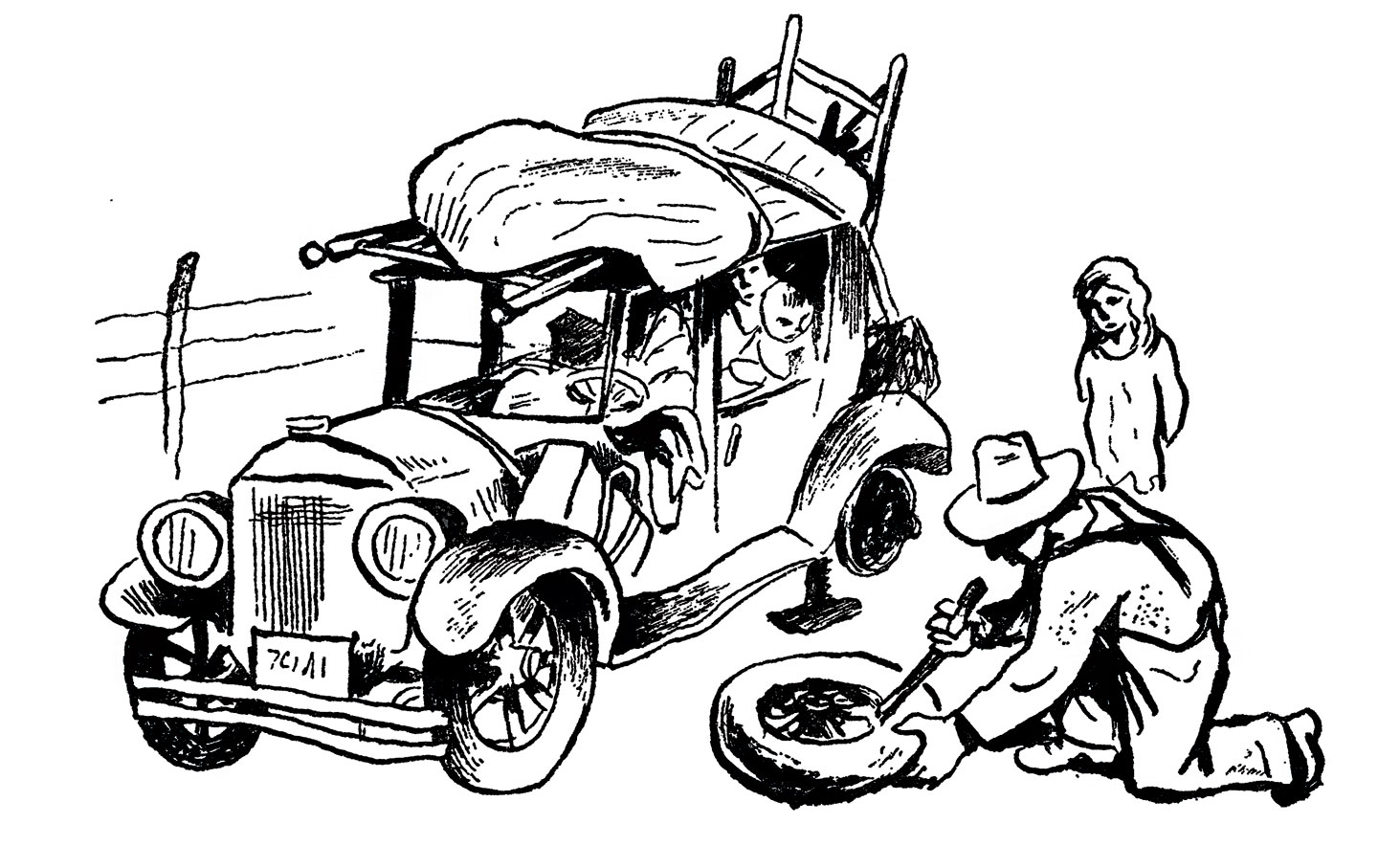
John Steinbeck on the Violent Repression of the Fight for Migrant Workers’ Rights John Steinbeck on the Violent Repression of the Fight for Migrant Workers’ Rights
We now know that workers are being attacked not because they want higher wages, not because they are Communists, but simply because they want to organize.
Mar 23, 2015 / Feature / John Steinbeck
Parting Parting
December 7, 1963 White morning flows into the mirror. Her eye, still old with sleep, meets itself like a sister. How they slept last night, the dream that caged them back to back, was nothing new. Last words, tears, most often come wrapped as the everyday familiar failure. Now, pulling the comb slowly through her loosened hair, she tries to find the parting; it must come out after all: hidden in all that tangle there is a way. This article is part of The Nation’s 150th Anniversary Special Issue. Download a free PDF of the issue, with articles by James Baldwin, Barbara Ehrenreich, Toni Morrison, Howard Zinn and many more, here. Over a half-century, Adrienne Rich (1929–2012) wrote twenty-two poems for The Nation and several reviews and essays, including a 2002 piece exploring the meaning of “antiwar.”
Mar 23, 2015 / Books & the Arts / Adrienne Rich
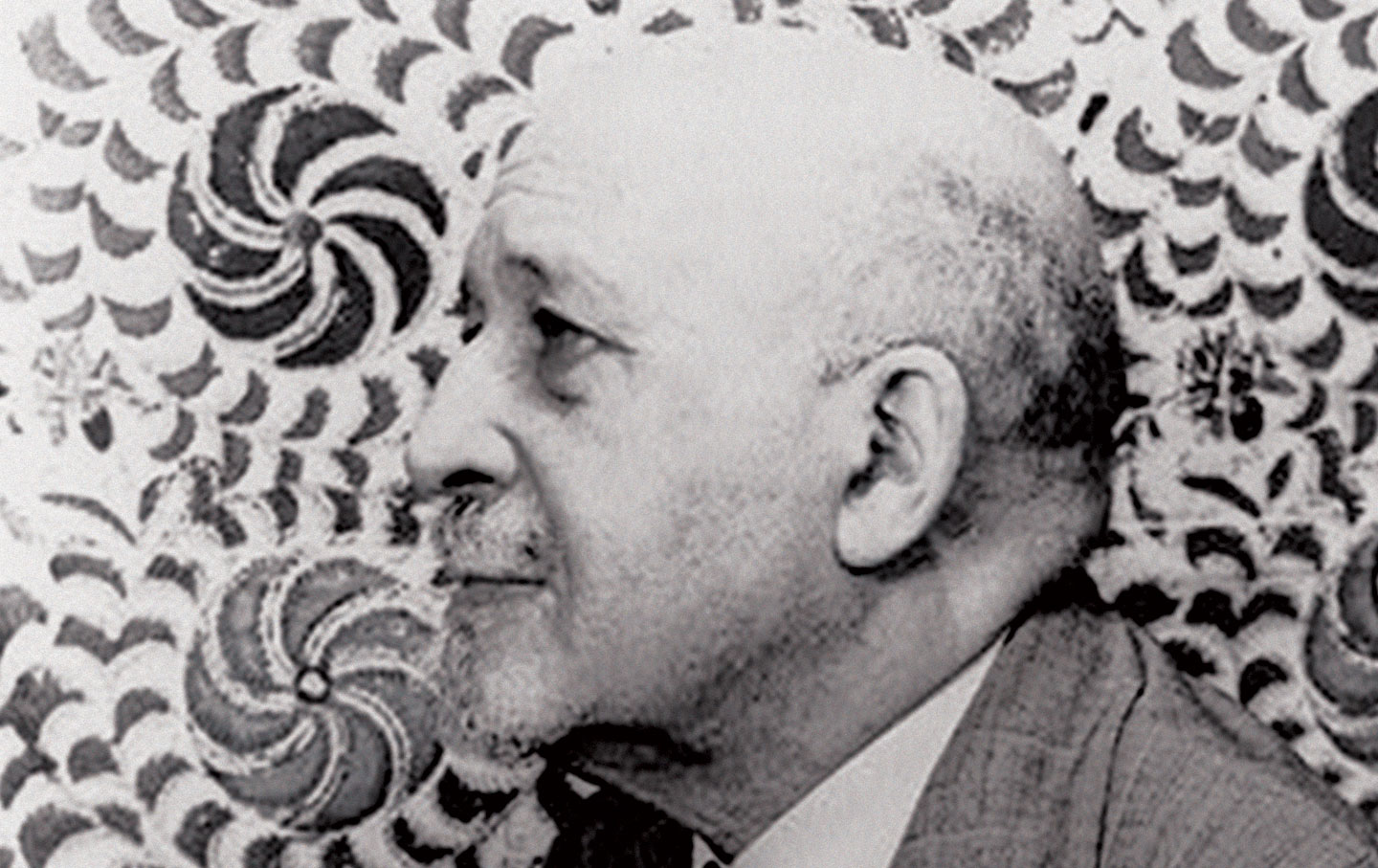
Voting Does Not Make a Difference Voting Does Not Make a Difference
Democracy is dead in the United States. Yet there is still nothing to replace real democracy.
Mar 23, 2015 / Books & the Arts / W.E.B. Du Bois
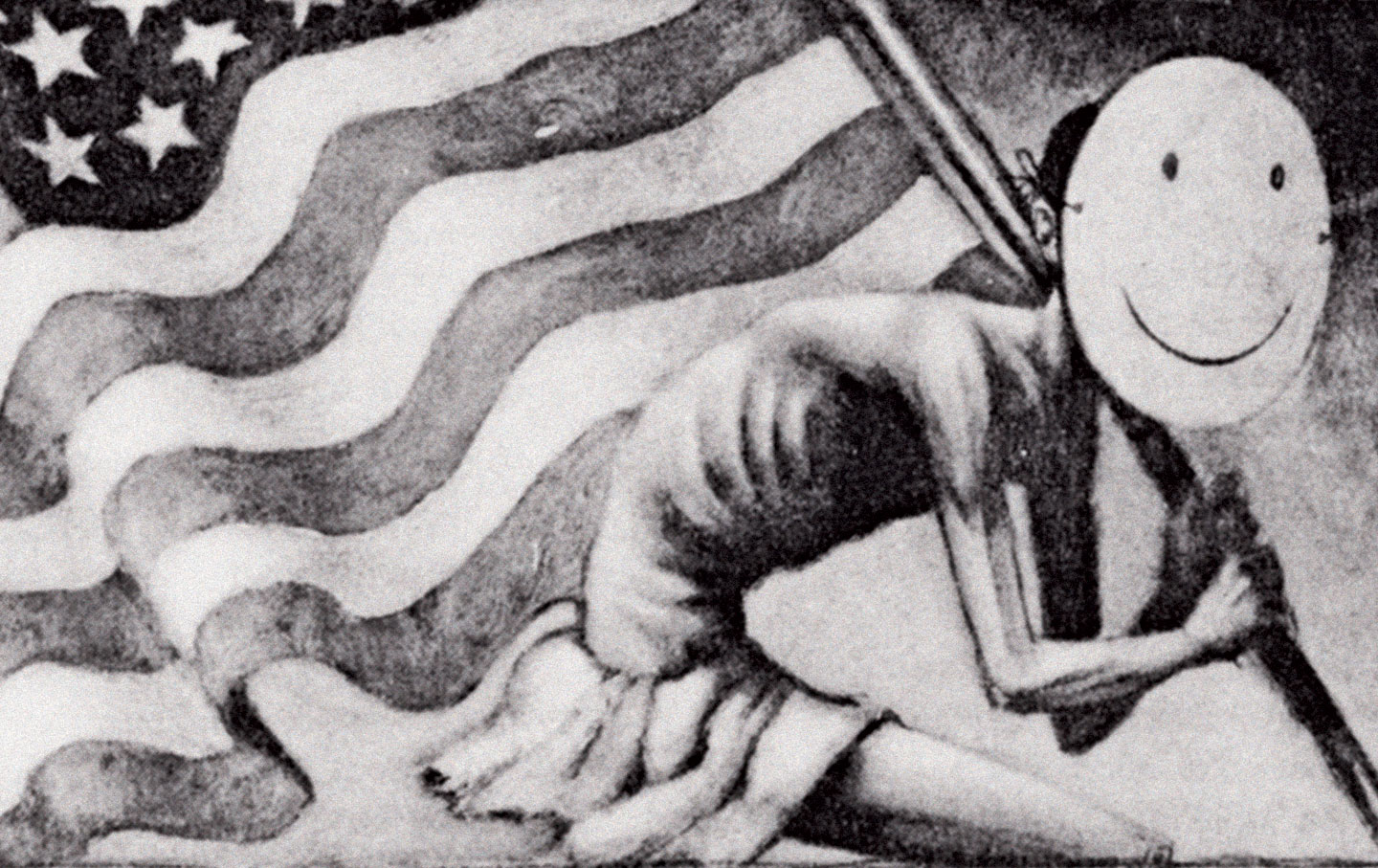
1985–1995: American Politics and Culture is Being Radically Reformed 1985–1995: American Politics and Culture is Being Radically Reformed
Nation writers on late 1980s New York, Jesse Jackson's presidential campaign, gay rights, Rupert Murdoch's ambitions and the case for federal funding of the arts.
Mar 23, 2015 / Books & the Arts / The Nation
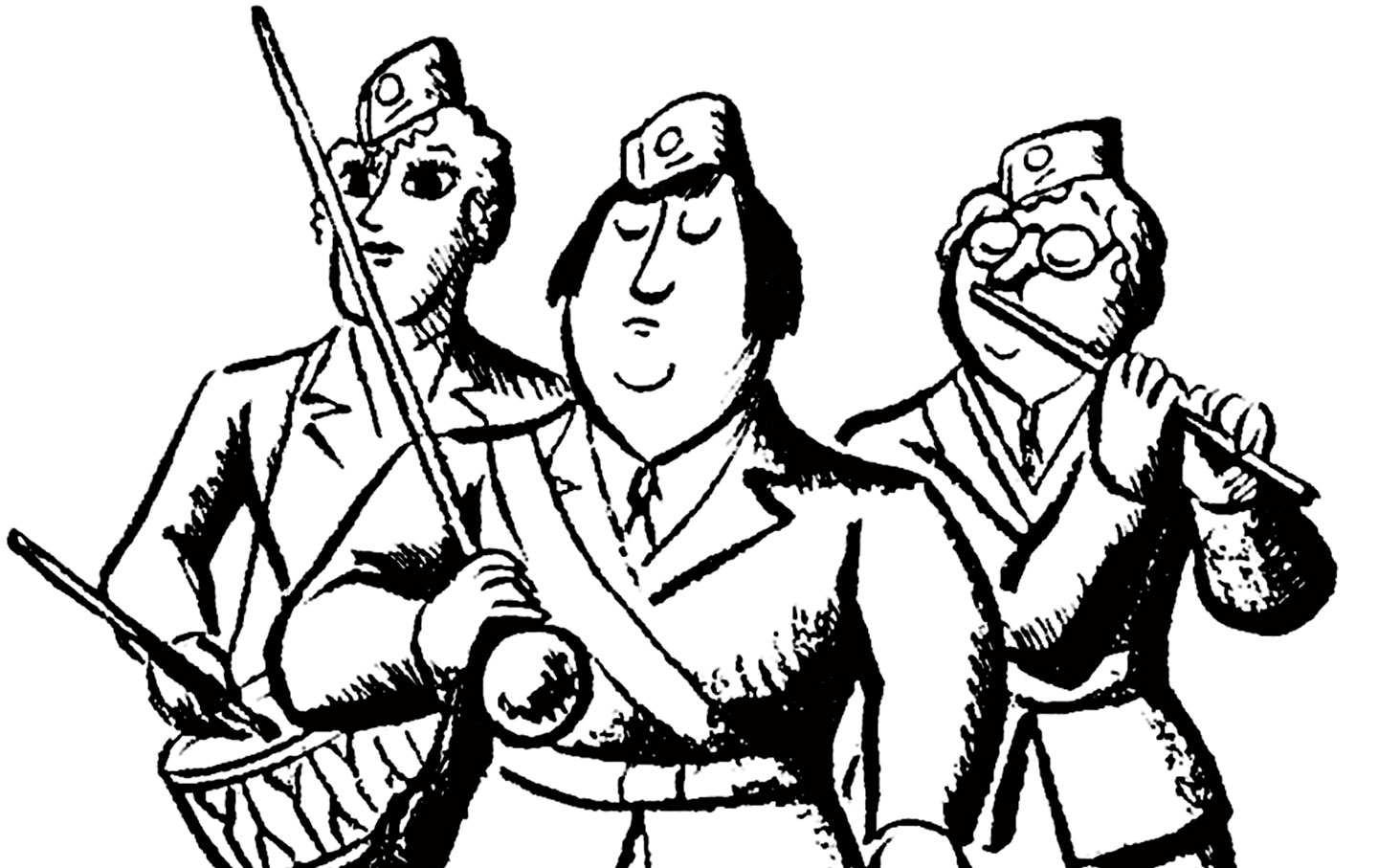
Which Direction Is the American Parade Headed? Which Direction Is the American Parade Headed?
Marching with the American Legion during the New Deal.
Mar 23, 2015 / Feature / John Dos Passos
The Starry Night The Starry Night
September 2, 1961 “That does not keep me from having a terrible need of—shall I say the word—religion. Then I go out at night to paint the stars.” —Vincent Van Gogh, in a letter to his brother The town does not exist except where one black haired tree slips up like a drowned woman into the hot sky. The town is silent. The night boils with eleven stars. Oh starry starry night! This is how I want to die. It moves. They are all alive. Even the moon bulges in its orange irons to push children, like a god, from its eye. The old unseen serpent swallows up the stars. Oh starry starry night! This is how I want to die: into the rushing beast of the night, sucked up by that great dragon, to split from my life with no flag, no belly, no cry. This article is part of The Nation’s 150th Anniversary Special Issue. Download a free PDF of the issue, with articles by James Baldwin, Barbara Ehrenreich, Toni Morrison, Howard Zinn and many more, here. Anne Sexton (1928–1974) won the Pulitzer Prize for poetry in 1967 for Live or Die.
Mar 23, 2015 / Books & the Arts / Anne Sexton
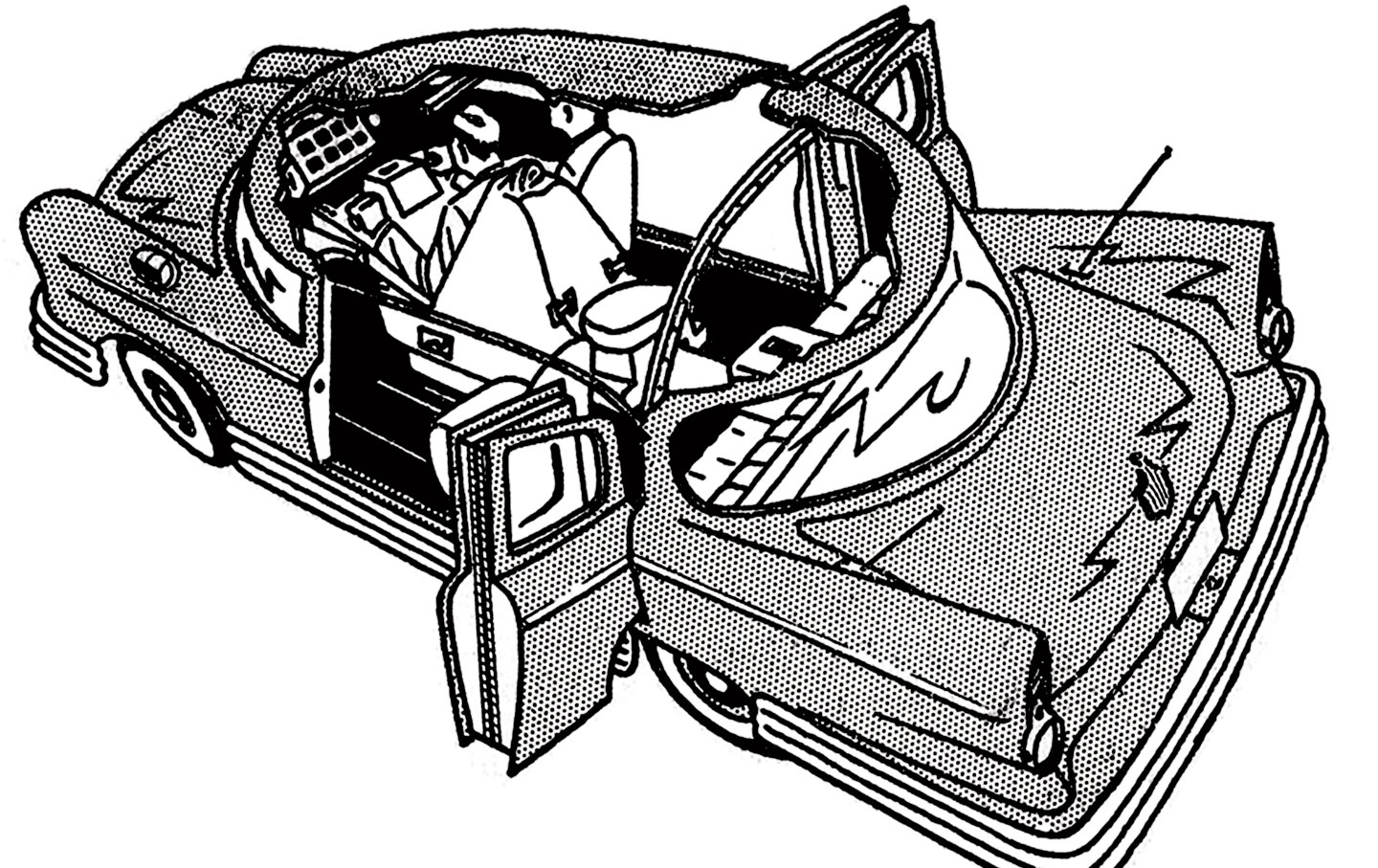
The Article That Launched the Consumer-Rights Movement The Article That Launched the Consumer-Rights Movement
Innumerable precedents show that the consumer must be protected from his own indiscretion and vanity.
Mar 23, 2015 / Books & the Arts / Ralph Nader