
James Baldwin, a Guide in Dark Times James Baldwin, a Guide in Dark Times
His essays on police brutality still burn hot, but his understanding of sex, self-knowledge and power demand equal attention now.
Jan 21, 2015 / Books & the Arts / JoAnn Wypijewski
‘The Nation’ Turns 150 ‘The Nation’ Turns 150
For 150 years, The Nation has kept readers informed about what we called, in our very first issue, “the conflict of ages, the great strife between the few and the many, between privilege and equality, between law and power, between opinion and the sword.” Founded by abolitionists, The Nation has never shied away from taking sides in that conflict, and throughout this year, we will mark our 150th anniversary with a variety of special print and digital products, a nationwide series of live events, and a documentary by the award-winning filmmaker Barbara Kopple. At TheNation.com, a new daily feature called “The Almanac” highlights major historical events and The Nation’s coverage of them. In March, we’ll publish a history of The Nation written by our London correspondent, D.D. Guttenplan, followed in April by a special anniversary issue. Co-edited by Guttenplan and Katrina vanden Heuvel, the issue will feature archival essays by Henry James, Emma Goldman, James Baldwin, Ralph Nader and Martin Luther King Jr., to name just a few, alongside new contributions by Eric Foner, Toni Morrison, E.L. Doctorow, Michael Moore and many others. We’ll also be offering live-streamed Nation panel discussions, variety shows, film screenings and other events coast to coast, to share visions of a radically different future for our country and the world, and to put Nation readers in conversation with their favorite writers. Visit TheNation.com/150 for more information.
Jan 21, 2015 / The Editors
Ganzeer Versus the NYPD Ganzeer Versus the NYPD
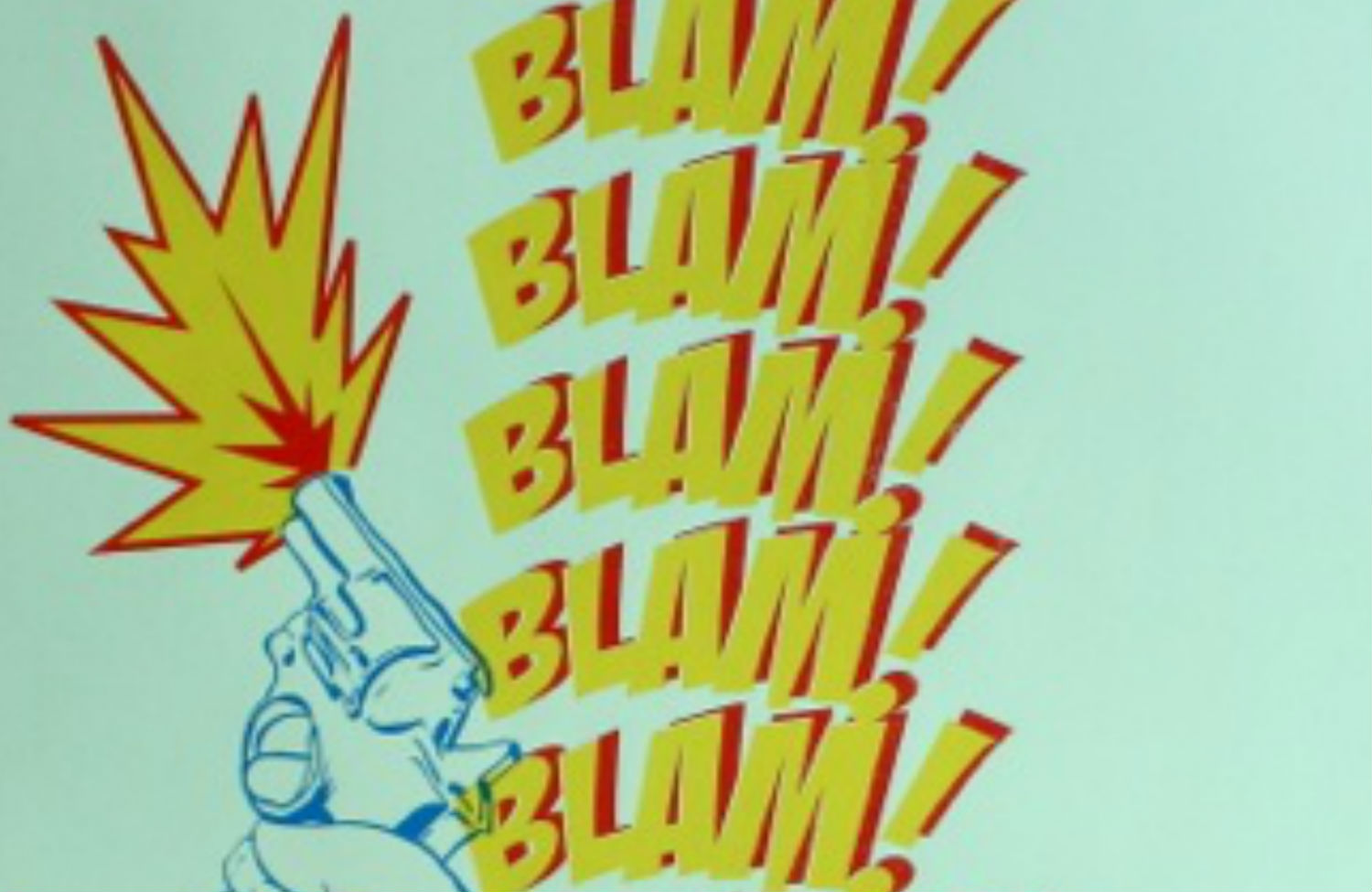
One of the works appearing prominently in the Egyptian artist Ganzeer’s first US solo show has already been displayed to the thousands who attended this fall’s anti-police brutality protests. It’s a silkscreened print in yellow and blue, with a picture of Eric Garner being choked by an NYPD officer. Along the side, bold lettering reads: BE BRUTAL. The mock recruiting poster carries contact information at the bottom: NYPDKILLS.COM / 212-KILL-PEOPLE. Mohamed Fahmy, 32, who goes by the name Ganzeer (or “bicycle chain”) achieved international fame during the Arab Spring uprising in Egypt. For many foreign artists, a New York show might be viewed as an opportunity to focus an audience’s attention on their home country, but Ganzeer wasn’t interested. “I think that’s what they were expecting: ‘This guy’s from Egypt. He’s going to do a show about Egypt and the situation there,’” he said about being approached by the Leila Heller Gallery curator and Middle Eastern art expert Shiva Balaghi. But Ganzeer had other ideas; he wasn’t going to be Orientalized—a problem, he noted, that never seemed to be experienced by the British street artist Banksy or the Italian artist Blu. “I’m interested in making art about relevant things that are happening in the world,” he said. In other words, when in America, set your sights on America. “At first there was some hesitancy,” he said of the gallery, “but I think they really got into it.” Please support our journalism. Get a digital subscription for just $9.50! He arrived in New York in mid-May, his first trip to the United States. He began to immerse himself in American politics and history. “He’s been reading Howard Zinn,” said Balaghi. The only link to his Egyptian work is a reference to a poster that landed him in the clink. In 2011, Ganzeer and two associates were arrested by Egyptian security forces while hanging a silkscreen called The Mask of Freedom, of a man wearing a ball-gag and blinders, wings protruding from his temples. In the new image, the ball-gag remains, the blinder is replaced by a full Captain America mask with no eye holes, and the man sports a business suit. “Great American Mask of Freedom,” the poster reads, “since 1776 and still going strong.” At least for now, Egypt’s loss is our gain. Ganzeer’s show will be on display at the Leila Heller Gallery through February 21. Read Next: Michelle Chen on police unions
Jan 21, 2015 / Books & the Arts / Ali Gharib
Snapshot: The Left Parties Snapshot: The Left Parties
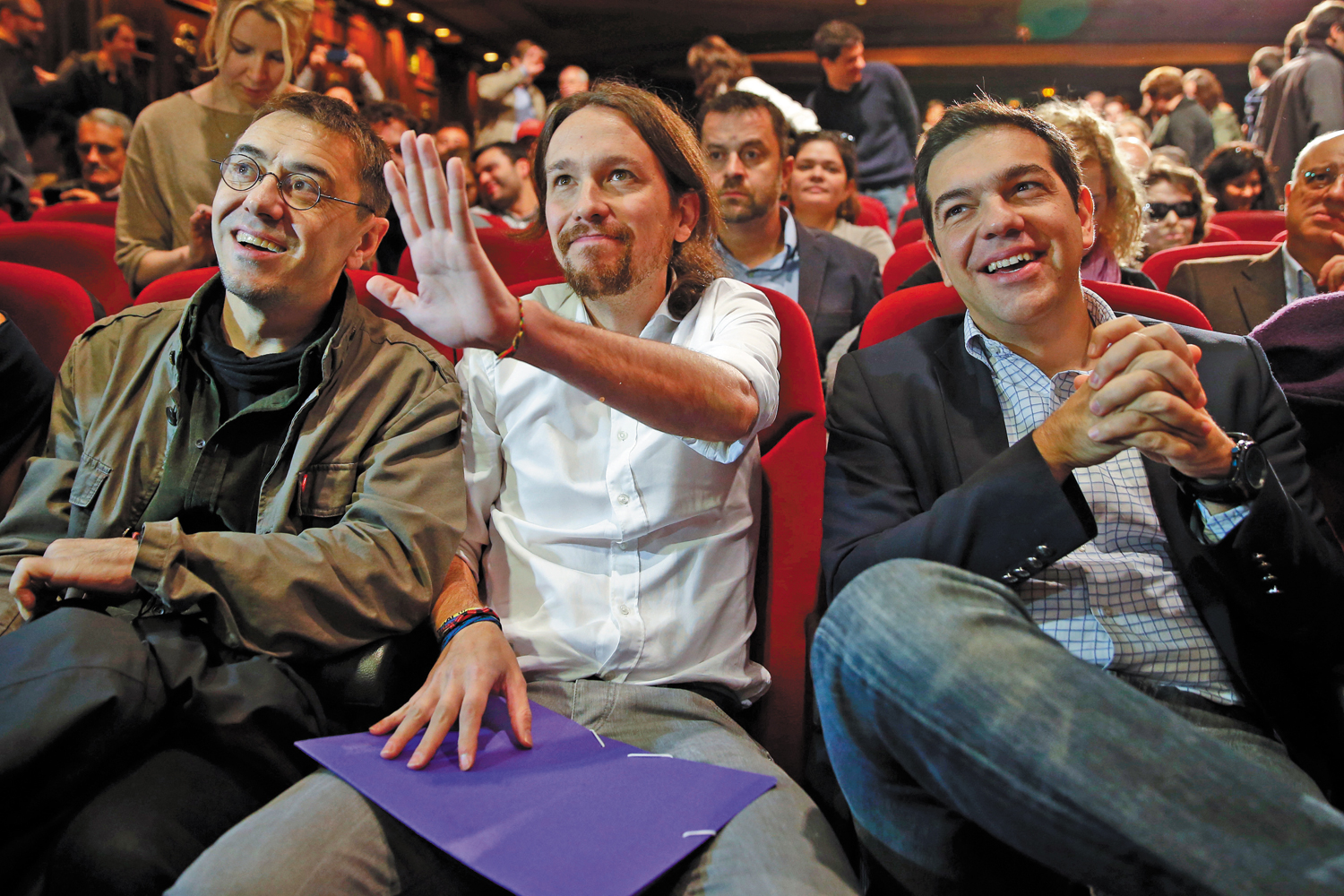
Pablo Iglesias (center), the secretary general of Spain’s progressive Podemos party, sits with Alexis Tsipras (right), the leader of Greece’s left-wing Syriza party. Syriza is expected to win in Greece’s parliamentary elections, and Podemos is polling neck-and-neck with Spain’s conservative People’s Party.
Jan 20, 2015 / Juan Medina
What Americans Should Do After Charlie Hebdo What Americans Should Do After Charlie Hebdo
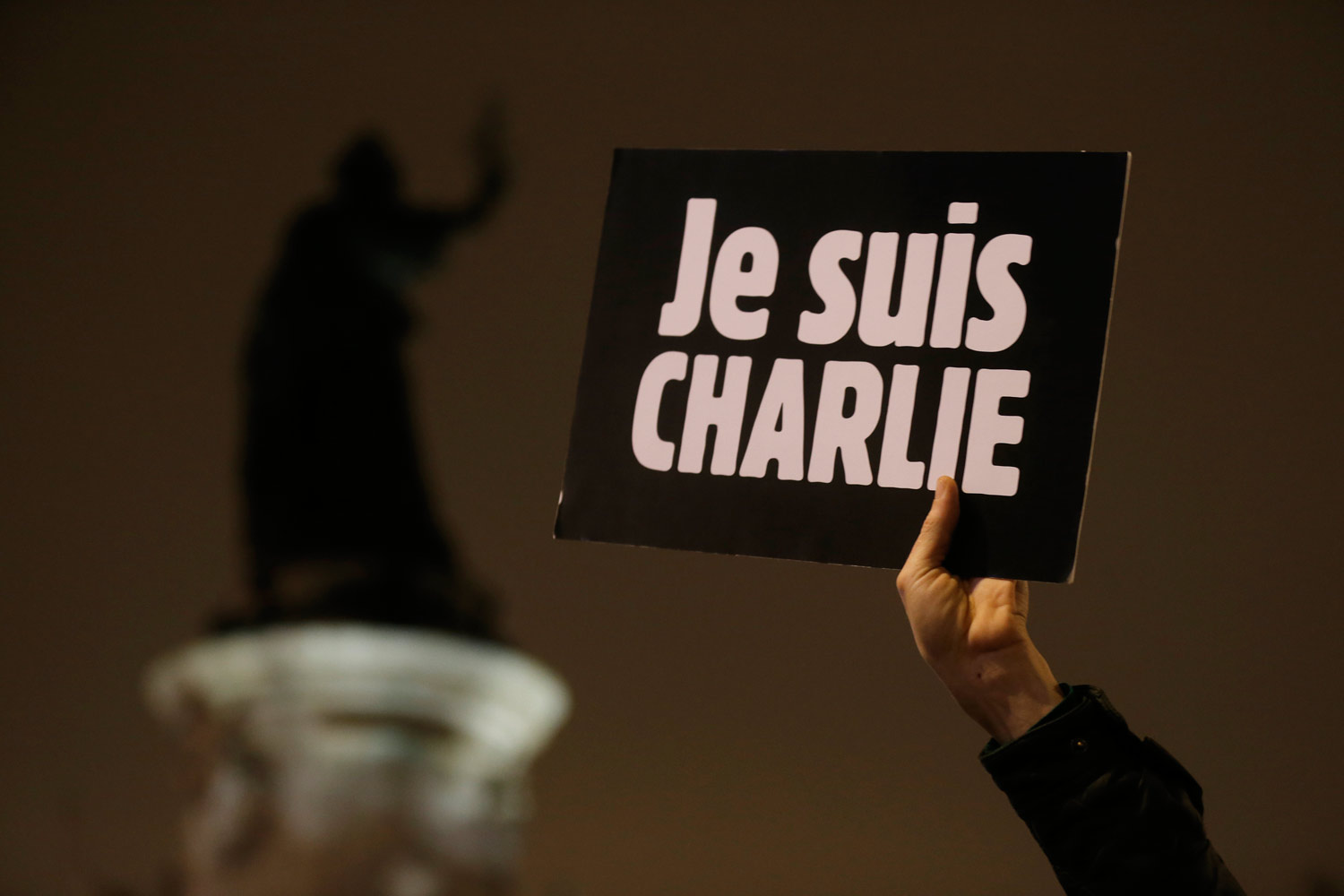
We must resist the push to increase surveillance and repeat the foreign policy mistakes of the past.
Jan 14, 2015 / The Editors
Against Easy Stories Against Easy Stories
Facile explanations for the massacre must be resisted.
Jan 14, 2015 / Laila Lalami
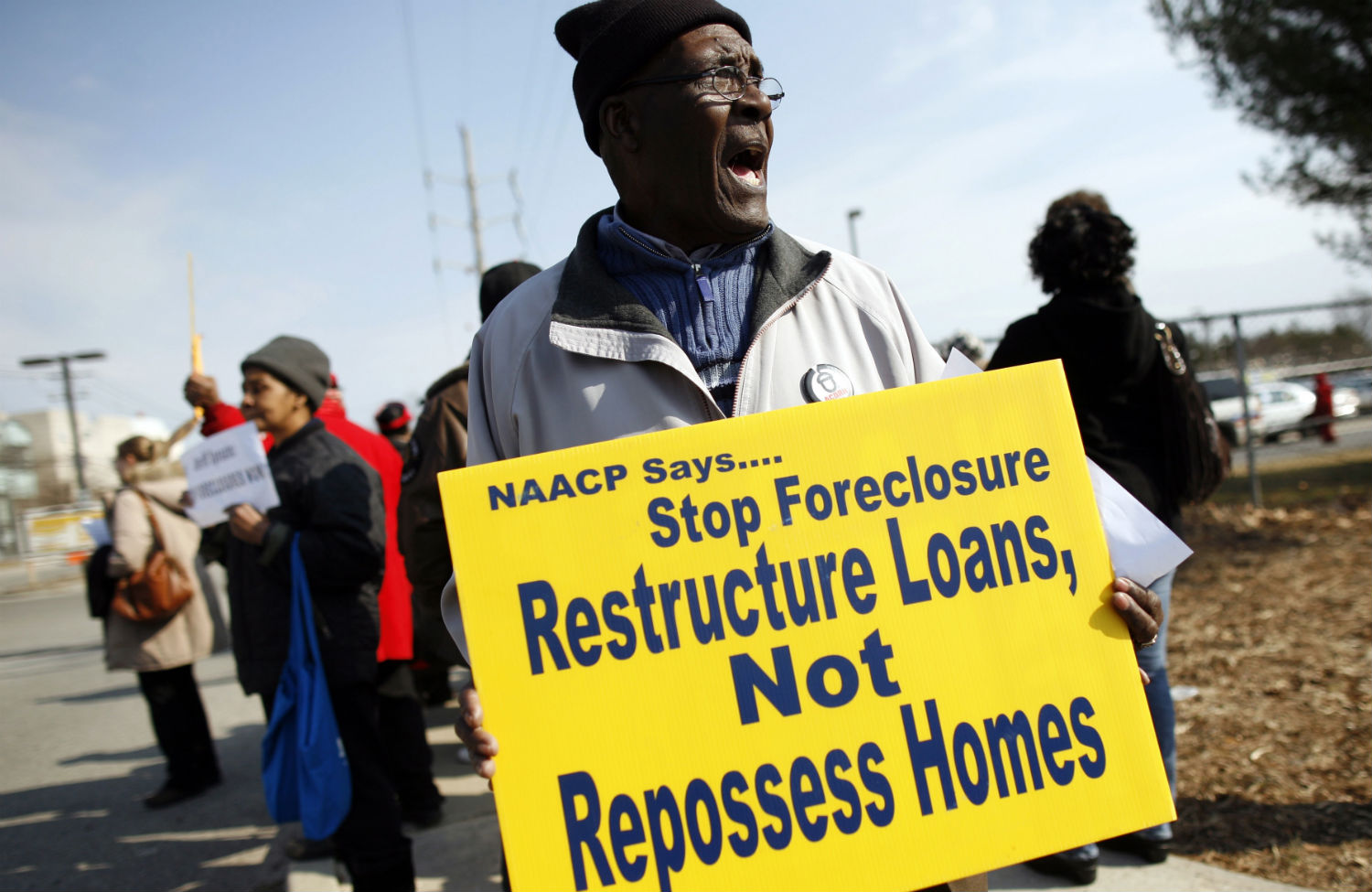
This Is the Key to Recovering Black Wealth in America This Is the Key to Recovering Black Wealth in America
America’s giant wealth disparity is driven by a history of racist redlining.
Jan 13, 2015 / Mike Konczal and Bryce Covert
Snapshot: The Aftermath Snapshot: The Aftermath
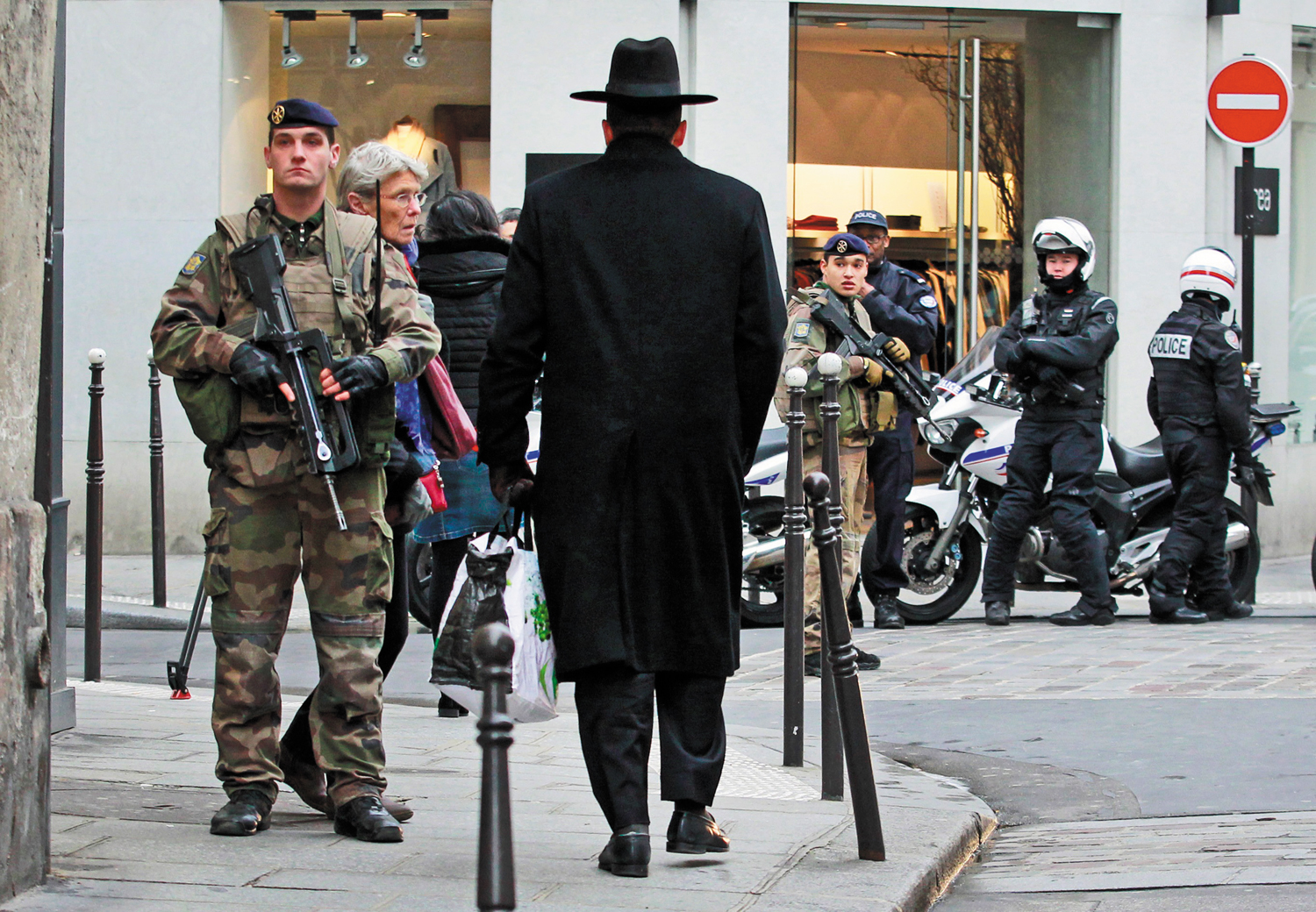
Soldiers and police stand guard in Paris’s Jewish quarter. France deployed nearly 10,000 troops to sensitive sites across the nation after the attack on Charlie Hebdo and the murders two days later at a kosher supermarket in east Paris. Nearly half of those forces will be guarding Jewish schools, synagogues and neighborhoods.
Jan 13, 2015 / Remy de la Mauviniere
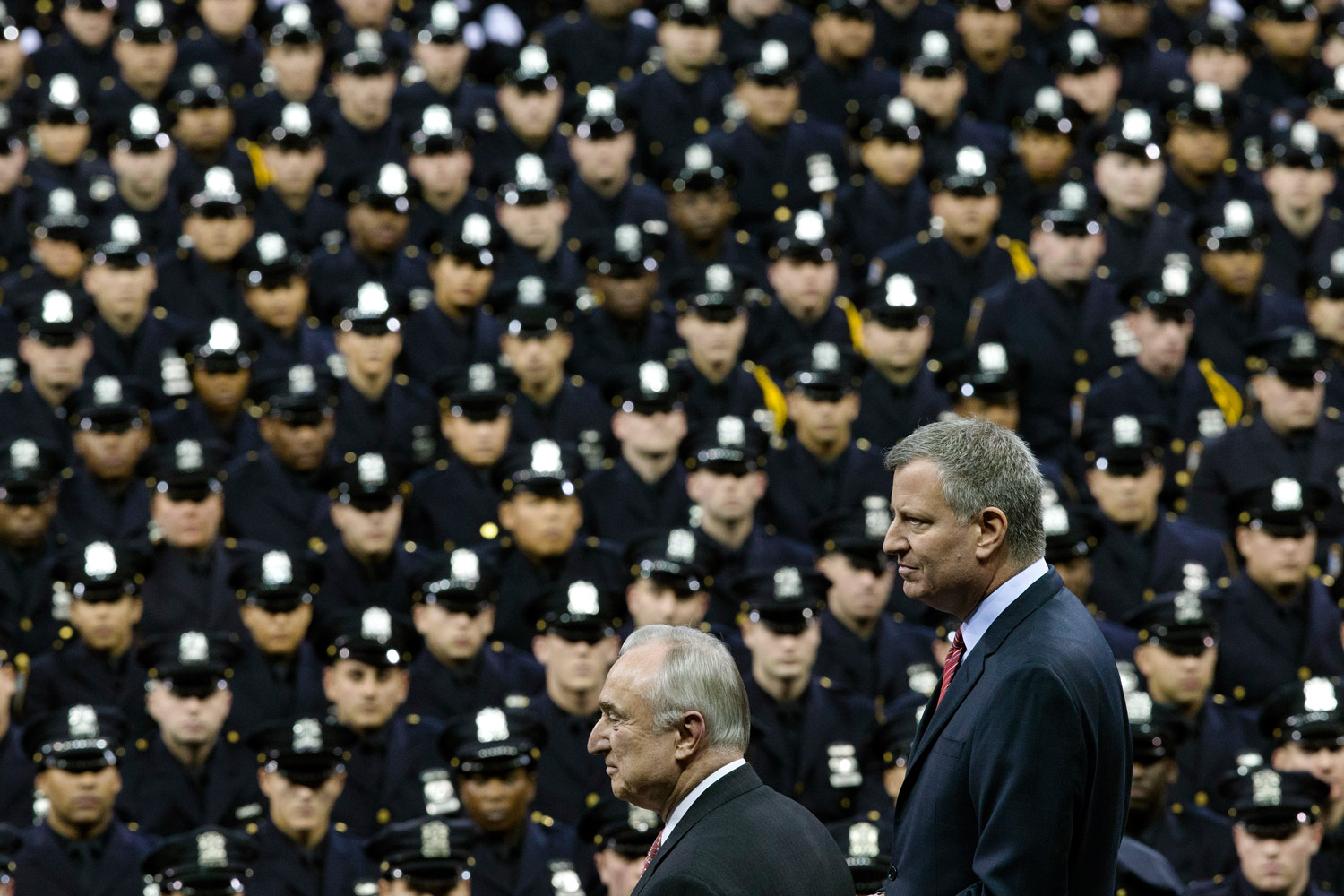
The NYPD’s Long War The NYPD’s Long War
The leaflet was meant to highlight the police department’s anger with the mayor of New York. It encouraged officers to fill in their names on a document that read: “I, …, a New York City police officer, want all of my family and brother officers who read this to know in the event of my death” that the mayor and police commissioner should “be denied attendance of any memorial service in my honor as their attendance would only bring disgrace to my memory.” That’s how deep the divisions ran. Yes, “ran.” The leaflet was distributed in 1997. The mayor in question was Rudolph Giuliani, and his critics were rank-and-file members of the powerful Patrolmen’s Benevolent Association (PBA). Though the union did not officially sanction that jab at that mayor, its circulation among officers “demonstrates the depths of their discontent,” reported a New York Times article on a contract dispute in which Giuliani was taking a hard line against pay increases. Today, NYPD officers can download a similar document from the PBA’s website and sign it as part of the protests against Mayor Bill de Blasio. The mayor angered PBA president Patrick Lynch and many union members by recognizing the tensions between minority communities and the NYPD—including outright fear of the police—after a grand jury decided not to indict an officer who was videotaped placing a choke hold on Eric Garner immediately before the Staten Island man’s death. That anger has drawn national attention recently, as officers turned their backs on the mayor as he delivered eulogies at the funeral services for Officers Rafael Ramos and Wenjian Liu, who were shot and killed in their squad car on December 20. In a more extended show of pique, officers have also engaged in a citywide work slowdown, widely believed to have been inspired (if not coordinated)by the PBA and other key police unions. As raw as the tensions are in the city now, it is vital to recall that New York mayors have regularly clashed with the police union and its leadership. These clashes have been bitter and have often lasted for years, as a powerful and politically savvy union has regularly positioned itself to exploit both sympathy for cops and fears regarding crime. Even the tactics are consistent: officers upset with Mayor Robert Wagner Jr. and his police commissioner engaged in a slowdown in 1960, and the commissioner spoke publicly of fears that the police would stage a sick-in to disrupt presidential voting in the city that same year. Some mayors have taken harder hits than others: David Dinkins, who incurred the wrath of the PBA when he established the framework for the current incarnation of the city’s Civilian Complaint Review Board, was narrowly defeated for re-election in 1993. Today, there are plenty of attempts to compare him to de Blasio (a former Dinkins aide). Yet Dinkins is the exception, not the rule. Most New York mayors who have clashed with the PBA and its members have survived, even thrived, politically. In the 1930s, Fiorello La Guardia had repeated run-ins with the NYPD over its brutal treatment of union organizers and left-wing protesters. Things got so intense that La Guardia’s police commissioner resigned amid complaints about the “numerous encouragements which [the mayor] gave to public disorder.” Even so, La Guardia was easily re-elected in 1937 and again in 1941. The same held true for Wagner: after the slowdowns in his second term, the PBA hailed Attorney General Louis Lefkowitz, the mayor’s Republican challenger, but Wagner was re-elected in 1961 with a 400,000-vote margin. So it has gone across most of the city’s modern history. Rank-and-file police officers have protested, and their union has stirred up fury, but the voters have tended to side with the mayor, not the cops. This hasn’t been out of disrespect for law enforcement so much as an understanding that oversight is needed to check and balance the power of a massive police department, and that strong mayors can and should provide such oversight. This is the most important lesson for Mayor de Blasio to take away in the current conflict with the PBA, which comes amid broader wrangling over contracts, pensions and departmental reforms. De Blasio needs to recognize that history is on his side, and that if he stands up to the PBA with the same resolve as past mayors, he can achieve reforms and win elections. Yes, he can note the cautionary (and complex) tale of Dinkins’s defeat, but he would be far wiser to recall the redemptive tales of hard-won victories, like those of John Lindsay. Elected in 1965 on a promise to reform the NYPD, Lindsay appointed former federal judge Lawrence Walsh to head a Law Enforcement Task Force charged with reviewing police operations, named a reform-minded police commissioner, and worked closely with the NYPD’s new chief inspector, Sanford Garelik, who talked of “humanizing the department.” Lindsay clashed continually with the PBA—so much so that the union’s spokesman, Norman Frank, prepared to challenge the mayor’s 1969 re-election bid. Frank stepped aside when prominent “law-and-order” candidates entered the race. One such candidate beat Lindsay in the GOP primary, while another won the Democratic nod against more liberal rivals. It seemed for a moment that Lindsay was doomed, yet he and his supporters regrouped, mounting a fall campaign on the Liberal Party line. By uniting reformers across the political spectrum and garnering strong support from minority communities, Lindsay easily beat his Democratic and Republican opponents that November. Among his campaign themes was a reminder that his emphasis on improving police/community relations had kept New York relatively calm even as other cities exploded in riots. Years later, in an essay on Lindsay’s mayoralty, Charles R. Morris observed that, while Lindsay’s reforms were “hard for cops to swallow,” the fact remained that “on any fair judgment, the strategy mostly worked.” Morris continued: “For a brief period Lindsay was ‘America’s Mayor,’ and other mayors began consciously to pattern their policies after his.” Please support our journalism. Get a digital subscription for just $9.50! New York is different from the city it was in the late ’60s and even the ’90s. And de Blasio is different in many ways from his predecessors. Yet there is good reason to believe that this mayor can learn the lessons of the past and apply them to the future. The past tells us that it is possible for a strong mayor to survive clashes with a strong police union. New York likes strong mayors, especially when they take on entrenched bureaucracies and address long-neglected problems. The key is to keep communicating with the police and the electorate, and to explain why change is not just an option but a necessity. This is the historical reality, as opposed to the frenzied media spin of the moment. And it is this reality that Mayor de Blasio would do well to keep in mind throughout the weeks and months to come. Read Next: The editors on protests and the killings of the NYPD officers
Jan 7, 2015 / John Nichols
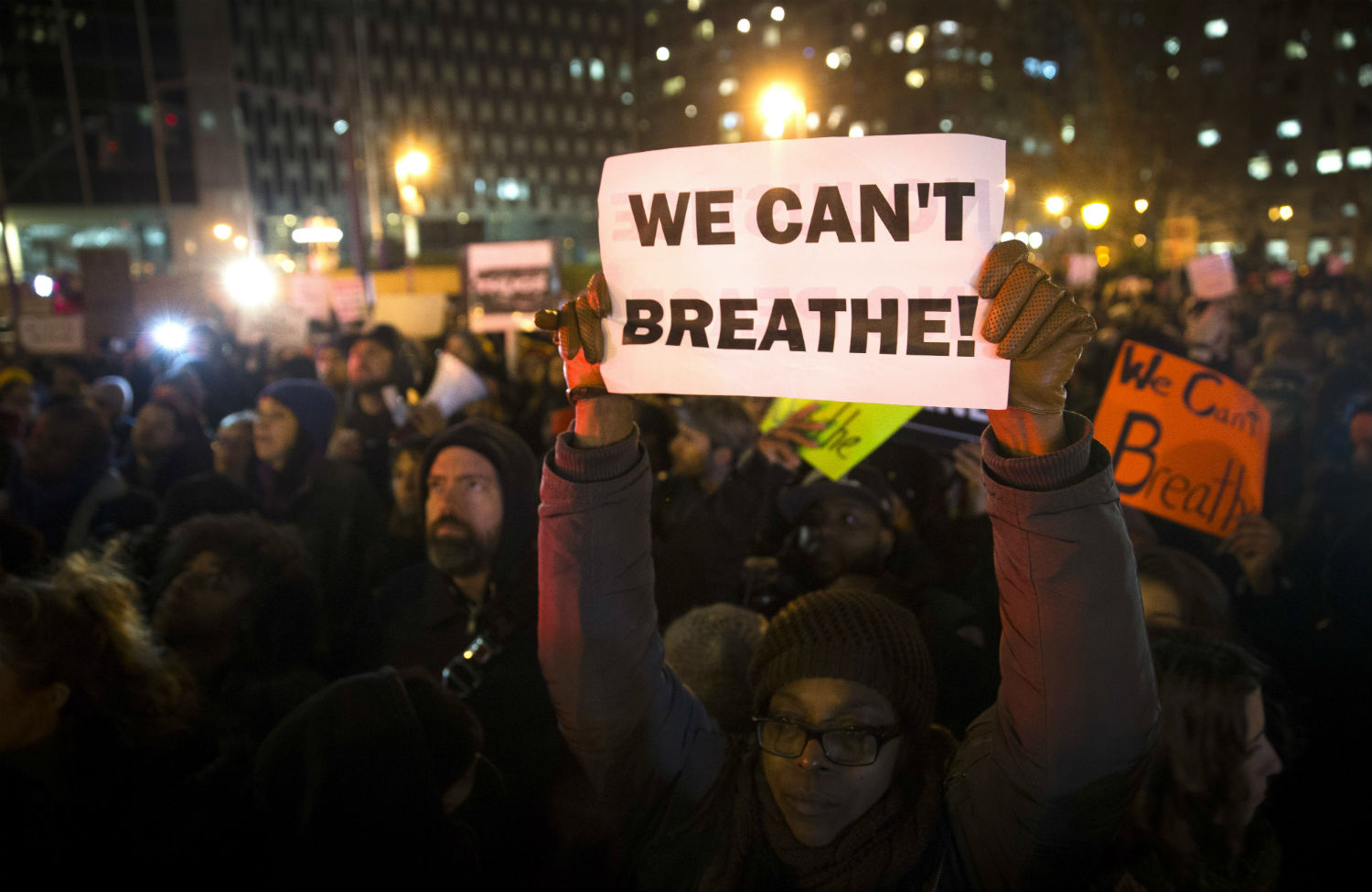
How Police Departments Can Mend the Rift With the Public How Police Departments Can Mend the Rift With the Public
Police must be taught that the power entrusted to them is not theirs to use or abuse as they see fit.
Jan 7, 2015 / Frank Serpico